

China to USA Shipping: 2025 Guide to Rates and Logistics
Navigating the complexities of china to usa shipping requires a strategic approach to balance cost and speed. Whether you are a small e-commerce seller or a large enterprise, China Freight World provides the expertise needed to streamline your international logistics. Consequently, understanding the various modes of transport is the first step toward optimizing your global supply chain. This comprehensive guide explores the nuances of ocean freight, air transport, and customs clearance to help you make informed decisions.

What Are the Primary Methods for China to USA Shipping?
Selecting the right shipping method involves evaluating your budget, cargo volume, and delivery deadlines. Therefore, most businesses categorize their needs into sea freight, air freight, or express courier services. Moreover, each option presents unique advantages that cater to different business models and product types.
Understanding the differences between these methods is crucial for maintaining a healthy profit margin. For instance, while ocean transport is cost-effective for bulk items, it requires significant lead time. Conversely, air transport offers rapid delivery but comes with a much higher price tag per kilogram.
Choosing between these modes often depends on the specific nature of your goods. For example, high-value electronics typically travel via air to minimize insurance costs and theft risks. Meanwhile, bulky furniture or industrial machinery is almost always sent via ocean carriers to keep expenses manageable.
How Does Sea Freight Work for Large Shipments?
Ocean transport remains the backbone of international trade for most importers. Most companies prefer sea freight when moving large volumes of goods across the Pacific. Indeed, this method provides the lowest cost per unit for shipments exceeding two cubic meters.
Consequently, shippers must choose between Full Container Load (FCL) and Less than Container Load (LCL) options. FCL is ideal for those who can fill a 20-foot or 40-foot container, offering better security and faster handling. On the other hand, LCL allows multiple shippers to share space in a single container, which is perfect for smaller batches.
Furthermore, ocean freight involves complex cargo handling at both the port of loading and the port of discharge. Shippers must be aware of different sea freight container types, such as standard dry containers, reefers for perishables, or open-tops for oversized equipment. As a result, proper planning with a freight forwarder is essential to ensure the right equipment is booked.
| Container Type | Inner Dimensions (LxWxH) | Max Payload | Best For |
|---|---|---|---|
| 20GP Standard | 5.89m x 2.35m x 2.39m | 28,000 kg | Heavy machinery, tiles |
| 40GP Standard | 12.03m x 2.35m x 2.39m | 26,000 kg | General consumer goods |
| 40HQ High Cube | 12.03m x 2.35m x 2.69m | 26,000 kg | Light, bulky items |
Why Choose Air Freight for Urgent Cargo?
Businesses often face tight deadlines that require the speed of air freight to stay competitive. Although this method is more expensive than sea transport, it reduces the risk of stockouts for high-demand products. Furthermore, smaller parcels often benefit from the enhanced security and efficiency of global air networks.
Transit times for air shipments typically range from three to seven days, depending on the service level chosen. For example, deferred air service might take a week but costs significantly less than express air. Nevertheless, the speed of air travel allows companies to respond quickly to market trends and inventory shortages.
Indeed, air freight transit times are a major factor in supply chain agility. When shipping high-value items like fashion apparel or seasonal electronics, the cost of air transport is often offset by the ability to sell products sooner. Consequently, many modern enterprises utilize a mix of air and sea to balance their inventory flow.

Can Amazon FBA Shipping Simplify Your E-commerce Logistics?
Sellers frequently utilize specialized Amazon FBA shipping services to reach American consumers efficiently. This logistics path ensures that products meet the strict labeling and packaging requirements set by Amazon. In addition, using a professional forwarder helps avoid costly rejections at US fulfillment centers.
Specifically, FBA shipments require precise coordination between the Chinese factory and the final destination warehouse. Shippers must decide between shipping directly to a warehouse or using a third-party logistics provider for prep services. Therefore, having a partner who understands the nuances of the Amazon ecosystem is a significant advantage.
Meanwhile, many sellers opt for DDP shipping services, where the forwarder handles all duties and taxes upfront. This approach simplifies the process for the seller, as the landed cost is known from the start. As a result, e-commerce entrepreneurs can focus on marketing and sales rather than worrying about customs delays.
Should You Use Express Service for Small Parcels?
When time is of the absolute essence, express service provides unparalleled door-to-door convenience. This option typically includes comprehensive customs handling, making it ideal for samples or high-value documents. Nevertheless, the cost per kilogram is the highest among all shipping methods due to the premium speed.
Courier companies like DHL, FedEx, and UPS dominate this sector by offering reliable tracking and fast delivery. Thus, for shipments under 100 kilograms, express is often the most practical choice. For instance, a small box of prototypes can reach a US office in just two to three business days.
Moreover, express courier delivery bypasses many of the traditional hurdles associated with commercial freight. Since the courier acts as the broker, the customs clearance process is usually much faster for low-value goods. However, importers must still ensure that all documentation is accurate to avoid any unforeseen holdups.
How Does Door to Door Shipping Benefit Your Business?
Implementing a door to door strategy simplifies the entire logistics chain for the importer. The freight forwarder manages every single step from the factory floor in China to the final warehouse in the USA. As a result, businesses can focus on growth rather than managing multiple logistics providers.
Logistics simplification is the primary benefit of this comprehensive service model. Instead of dealing with separate trucking companies, port agents, and customs brokers, you have a single point of contact. Furthermore, this transparency allows for better tracking and more predictable delivery schedules.
Ultimately, door-to-door services are designed to reduce the administrative burden on the importer. By consolidating all charges into one invoice, companies can more easily calculate their total landed cost. Therefore, this method is highly recommended for new importers who are not yet familiar with the intricacies of international trade.
What Are the Current China to USA Shipping Costs in 2025?
Understanding current market rates is essential for accurate budgeting and financial planning. As of early 2025, freight rates from China to the United States have stabilized after the disruptions seen in previous years. However, prices still fluctuate based on fuel surcharges, carrier capacity, and seasonal demand variations.
According to industry benchmarks, shipping a 40HQ container from Shanghai to Los Angeles currently ranges between 3,200 and 4,500 USD. In contrast, shipping to the East Coast via the Panama Canal or Suez Canal is generally more expensive due to the longer distance. Consequently, choosing the right port of entry can significantly impact your bottom line.
Note: Freight rates are subject to change based on fuel costs, carrier capacity, and seasonal demand. Contact us for a current quote tailored to your specific shipment. Market data suggests that rates typically increase by 15 to 25 percent during the August to October peak season as retailers prepare for the holidays.
| Route (China to USA) | 20GP Container | 40HQ Container | Est. Transit Time |
|---|---|---|---|
| Shenzhen to Los Angeles | $2,200 – $2,800 | $3,400 – $4,200 | 14-18 Days |
| Shanghai to New York | $3,500 – $4,200 | $4,800 – $6,000 | 28-35 Days |
| Ningbo to Savannah | $3,200 – $3,900 | $4,500 – $5,500 | 30-38 Days |
How Does Ocean Freight Compare to Other Shipping Options?
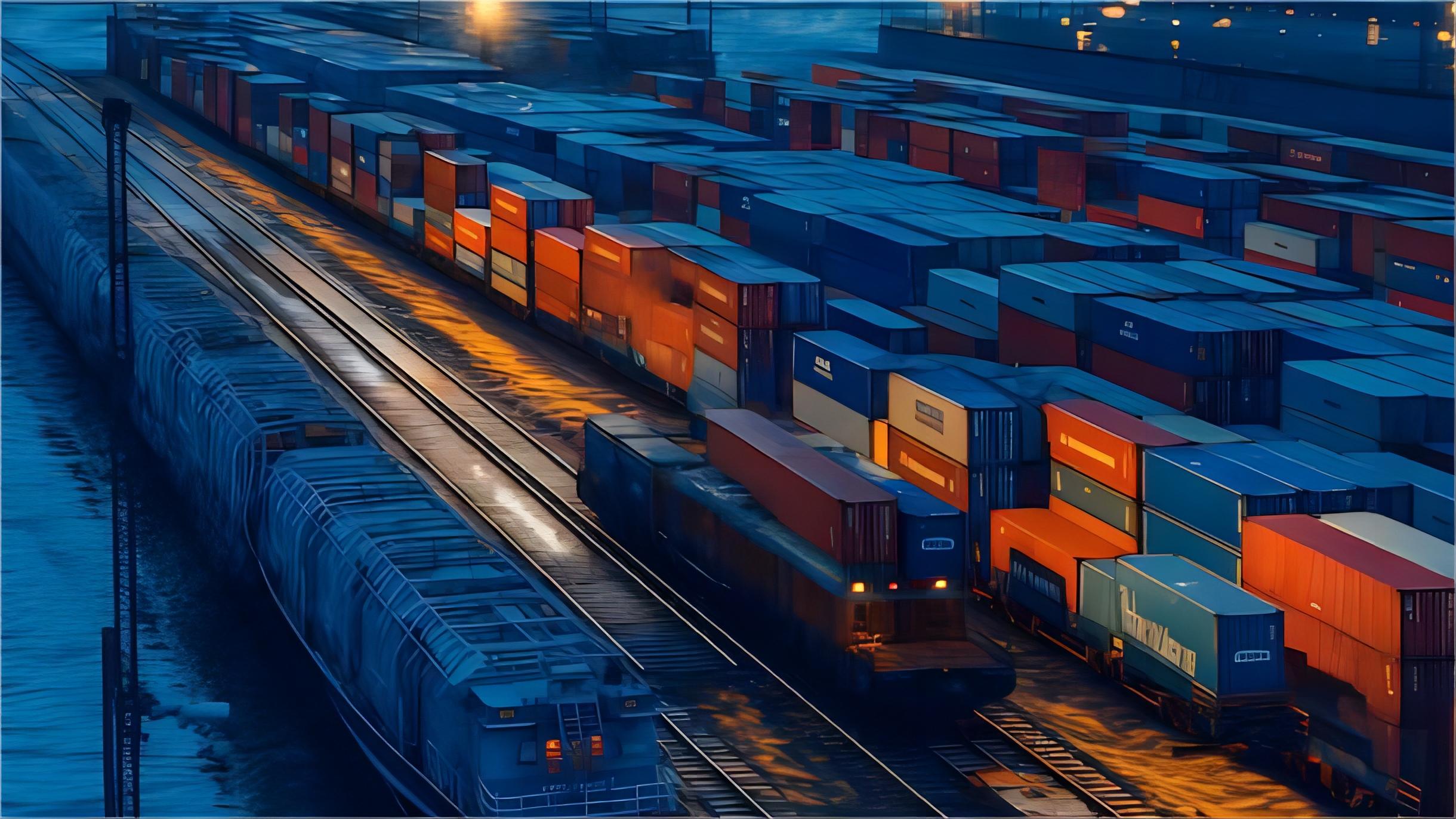
Comparing different shipping methods requires a balanced look at cost, speed, and reliability. While ocean freight is the most economical for large volumes, air freight is the undisputed leader in transit speed. Specifically, air freight for a 500kg shipment might cost 3,000 USD, whereas sea freight for the same volume could be as low as 400 USD.
Alternatively, hybrid solutions like sea-air combinations are becoming more popular for mid-range budgets. These services involve shipping goods by sea to a hub like Dubai or Singapore and then flying them to the USA. Consequently, this strategy offers a middle ground, being faster than pure sea freight and cheaper than pure air freight.
Strategic logistics planning also involves considering LCL versus FCL trade-offs. For shipments under 15 cubic meters, LCL is often the better financial choice despite the slightly longer handling time. Nevertheless, once your volume hits a certain threshold, upgrading to a full container becomes the more efficient and secure option.
| Shipping Method | Cost Range | Transit Time | Limitations |
|---|---|---|---|
| Sea Freight (FCL) | Lowest per unit | 14-40 Days | Longest transit time |
| Air Freight | High | 3-7 Days | Weight/Size limits |
| Express Courier | Highest | 2-5 Days | Expensive for bulk |
| Sea-Air Hybrid | Moderate | 10-18 Days | Complex scheduling |
Which Option Should You Choose for Your Supply Chain?
Budget priority dictates that you should lean toward sea freight for all non-urgent inventory. If your primary goal is to minimize shipping costs from china to usa, ocean transport is the only viable long-term strategy. Indeed, the savings realized from sea freight can be reinvested into product development or marketing efforts.
Speed priority requires a shift toward air freight or express services to maintain customer satisfaction. When launching a new product or responding to a sudden surge in demand, the high cost of air transport is a necessary investment. Furthermore, fast shipping reduces the amount of capital tied up in transit, improving your overall cash flow.
Cargo type considerations also play a vital role in your final decision. Perishable goods or high-value items like jewelry and medical supplies demand the speed and climate control of air transport. In contrast, durable consumer goods and raw materials are better suited for the high-capacity environment of ocean containers.
Real Case Studies for China to USA Shipping Routes
Case Study 1: Electronics Distribution to Los Angeles. Route: Shenzhen, China to Los Angeles, USA. Cargo: Consumer electronics, 68 CBM, 14,500 kg. Container: 40HQ. Shipping Details: Direct carrier service via COSCO. Ocean Freight: $3,650. Origin Charges: $450. Destination Charges: $600. Total Landed Cost: $4,700. Sea Transit: 16 days. Total Door-to-Door: 24 days. Key Insight: Choosing a direct route to the West Coast saved the client 12 days compared to an East Coast discharge.
Case Study 2: Furniture Retailer to Savannah. Route: Ningbo, China to Savannah, USA. Cargo: Home furniture, 28 CBM, 8,000 kg. Container: 20GP. Shipping Details: Transshipment via Busan. Ocean Freight: $2,900. Origin Charges: $380. Destination Charges: $750. Total Landed Cost: $4,030. Sea Transit: 34 days. Total Door-to-Door: 45 days. Key Insight: Using transshipment reduced the ocean freight cost by 15 percent, which was crucial for the client low-margin furniture items.
Case Study 3: Urgent Apparel Launch to Chicago. Route: Guangzhou, China to Chicago, USA. Cargo: Designer clothing, 2.5 CBM, 450 kg. Shipping Method: Air Freight. Carrier: Cathay Pacific. Total Freight Cost: $2,850. Customs Clearance: 1 day. Total Door-to-Door: 6 days. Key Insight: The speed of air freight allowed the retailer to meet the launch date for the spring collection despite production delays in the factory.
Final Thoughts on Navigating China to USA Shipping
Successfully managing china to usa shipping requires a deep understanding of the various transport modes and market conditions. By carefully weighing the pros and cons of sea and air freight, you can build a resilient supply chain that meets both your budget and timeline requirements. Furthermore, staying informed about current logistics trends ensures you can adapt to changes in the global market.
Indeed, the right freight forwarding partner makes all the difference in navigating customs and port operations. Whether you are shipping a single pallet or multiple containers, professional guidance helps minimize risks and maximize efficiency. Ultimately, a strategic approach to logistics is a competitive advantage that will support your long-term success in the American market.

Ready to streamline your logistics?
Managing china to usa shipping does not have to be a stressful experience for your team. Our logistics experts are ready to help you find the most cost-effective and reliable routes for your specific cargo needs. Visit our website to get a professional quote today. Let us handle the complexities of international trade while you focus on growing your business. Visit https://chinafreightworld.com/ to start your inquiry.
Request Quote