
China to Europe Shipping Supplier Logistics: The 2025 Comprehensive Guide
Navigating the complexities of international trade requires a robust partner to manage your global supply chain efficiently. Finding a reliable China Freight World solution ensures your goods move seamlessly across borders while maintaining high profitability. This guide explores every critical aspect of China to Europe shipping supplier logistics to help you make informed decisions for your business. Businesses today face unique challenges, yet proper planning and expert logistics management can turn these hurdles into competitive advantages.
What are the Primary Shipping Methods for China to Europe Logistics?
Choosing the right transportation mode is the first step in optimizing your supply chain. Most businesses rely on sea freight for large volumes due to its cost-effectiveness over long distances. However, the choice depends heavily on your budget, cargo type, and required delivery schedule.
Ocean transport remains the backbone of trade between these two regions. Consequently, shippers must understand the difference between Full Container Load (FCL) and Less than Container Load (LCL) services. Furthermore, selecting the right port of loading in China, such as Ningbo or Shanghai, can significantly impact your total transit time.
Additionally, businesses must consider the environmental impact and fuel surcharges associated with each method. Meanwhile, carriers are increasingly adopting green technologies to meet European sustainability standards. Therefore, your choice of supplier should reflect both economic and environmental priorities.
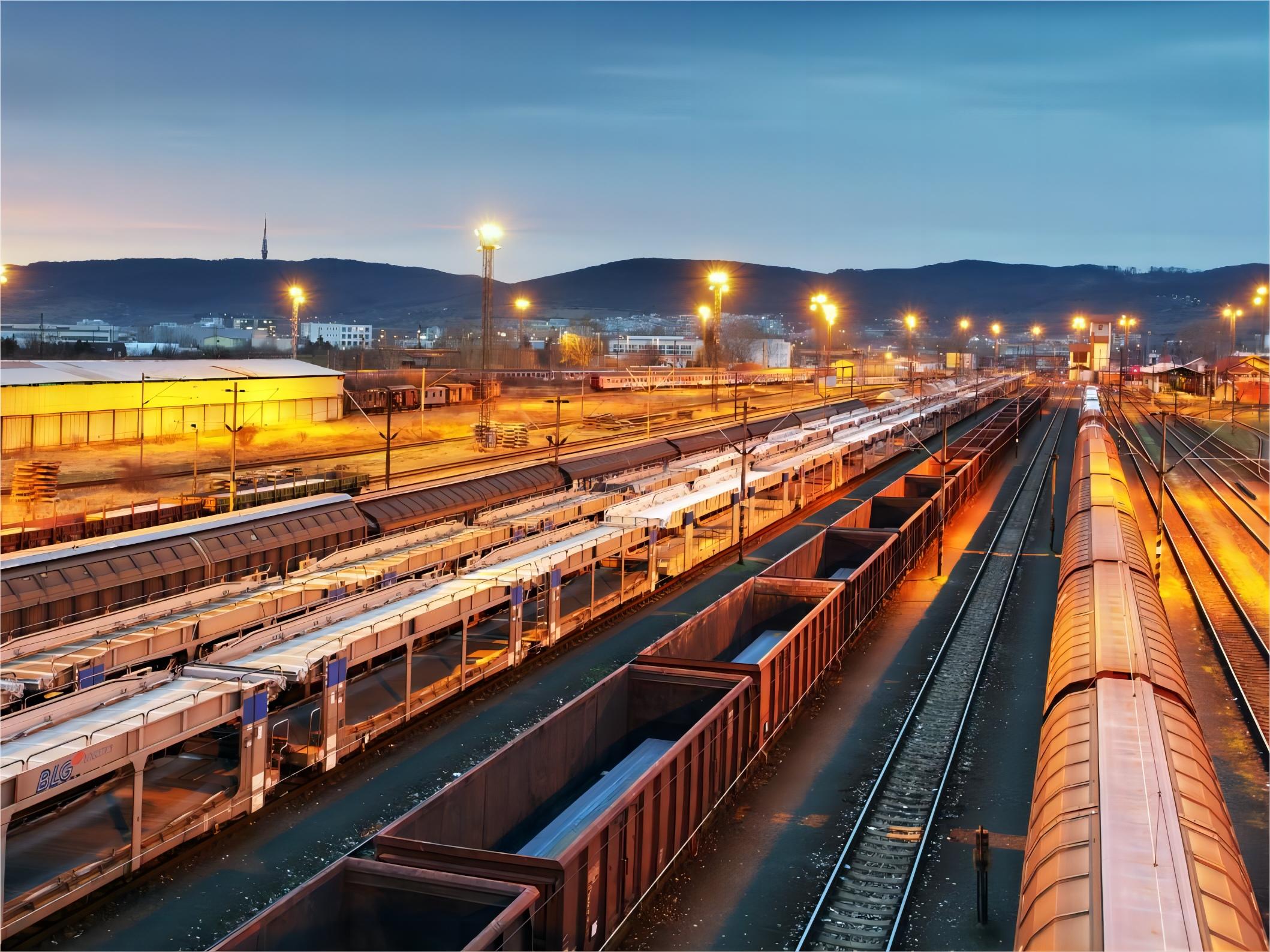
How Does Rail Freight Compare to Other Shipping Options?
Rail transport has emerged as a powerful middle-ground solution for modern logistics needs. It offers a faster alternative to sea freight while remaining significantly cheaper than air transport. Indeed, rail freight has become a staple for automotive and electronics industries moving goods to Poland and Germany.
Transit times for rail typically range between 15 and 22 days depending on the specific route. Moreover, the stability of rail rates compared to volatile ocean freight makes it an attractive option for budget planning. Nevertheless, shippers should be aware of potential gauge changes at borders which might slightly delay cargo handling.
As a result, many companies now use a hybrid approach to balance speed and cost. For example, high-value components might travel by rail while bulk materials continue to use ocean routes. This strategic diversification helps mitigate risks associated with port congestion or equipment shortages.
| Method | Cost Range (40HQ) | Transit Time | Best For |
|---|---|---|---|
| Sea Freight | $3,000 – $4,200 | 30-45 Days | Bulk / Non-urgent |
| Rail Freight | $5,500 – $7,500 | 15-22 Days | Mid-value / Urgent |
| Air Freight | $15,000 – $25,000 | 3-7 Days | High-value / Express |
Why Should You Consider Air Freight for Urgent Cargo?
Speed is often the most critical factor for time-sensitive shipments or high-value electronics. In these cases, air freight provides the fastest connection between Chinese manufacturing hubs and European markets. Although the cost is higher, the reduction in inventory carrying costs can justify the investment.
Moreover, air transport offers enhanced security and lower risk of damage for fragile items. For instance, pharmaceutical products often require the temperature-controlled environments that specialized air cargo services provide. Consequently, businesses with tight deadlines or perishable goods should prioritize this mode of transport.
Additionally, the reliability of flight schedules ensures that last-mile delivery in Europe remains predictable. Indeed, many e-commerce sellers use air transport to maintain stock levels during peak shopping seasons. Therefore, having a dedicated air logistics partner is essential for maintaining a responsive supply chain.

What are the Current Market Trends in China to Europe shipping supplier logistics?
Market data suggests that freight rates have stabilized in early 2025 following the disruptions seen in previous years. However, the Red Sea situation continues to influence routing decisions for many major carriers. As a result, many vessels are still opting for the longer route around the Cape of Good Hope.
Furthermore, digital transformation is reshaping how suppliers manage cargo handling and tracking. Most modern logistics partners now offer real-time visibility into the supply chain through advanced software platforms. Consequently, importers can better predict arrival times and manage their warehouse storage solutions effectively.
According to industry benchmarks, there is also a growing trend toward near-shoring and regional warehousing. Meanwhile, the demand for sustainable shipping options is driving investment in biofuels and electric delivery fleets. Therefore, staying informed about these trends is vital for long-term strategic planning.
How Does Sea Freight Compare to Other Shipping Options?
Objective analysis shows that sea freight remains the most economical choice for the majority of global trade. While air freight costs significantly more, it saves weeks of time that could be critical for product launches. In contrast, rail freight offers a unique balance that many European businesses find ideal for mid-market goods.
For shipments under 15 CBM, LCL services at $50-90 per CBM may be more economical than booking a full container. However, FCL provides better security and faster handling since the container does not need to be consolidated or deconsolidated. Additionally, direct routes typically cost 10-15 percent more but save 5-7 days compared to transshipment via major hubs like Singapore.
Without a doubt, the choice depends on your specific business goals and the nature of your products. For example, heavy machinery is almost always best suited for ocean transport due to weight restrictions on planes and trains. Nevertheless, always compare current freight rates across all modes before making a final booking.
| Strategy | Cost Impact | Time Impact | Risk Level |
|---|---|---|---|
| Direct Sea | Higher Cost | Saved 5-7 Days | Low |
| Transshipment | Lower Cost | Added 7-10 Days | Medium |
| Sea-Air Hybrid | Moderate | Saved 15 Days | Medium |
| LCL Shipping | Cost Effective | Added 3-5 Days | Medium |
Real-World Case Studies in China to Europe Shipping
Case Study 1: Electronics Distribution. Route: Shenzhen, China to Hamburg, Germany. Cargo: Consumer Electronics, 68 CBM, 12,500 kg. Container: 40HQ. Shipping Details: Major carrier, Port of Loading: Shenzhen, Port of Discharge: Hamburg, Route Type: Direct. Cost Breakdown: Ocean Freight: $3,850, Origin Charges: $450, Destination Charges: $600, Customs and Duties: $2,200, Total Landed Cost: $7,100. Timeline: Booking to Loading: 4 days, Sea Transit: 33 days, Customs Clearance: 2 days, Total Door-to-Door: 39 days. Key Insight: Direct routing prevented damage to sensitive electronics during transshipment.
Case Study 2: Industrial Components. Route: Chengdu, China to Warsaw, Poland. Cargo: Auto Parts, 28 CBM, 8,000 kg. Container: 20GP. Shipping Details: Rail Service, Port of Loading: Chengdu Rail Terminal, Port of Discharge: Warsaw Terminal, Route Type: Direct Rail. Cost Breakdown: Rail Freight: $4,200, Origin Charges: $350, Destination Charges: $500, Customs and Duties: $1,800, Total Landed Cost: $6,850. Timeline: Booking to Loading: 5 days, Rail Transit: 18 days, Customs Clearance: 3 days, Total Door-to-Door: 26 days. Key Insight: Rail provided a 40 percent time saving over sea freight with manageable cost increases.
Note: Freight rates are subject to change based on fuel costs, carrier capacity, and seasonal demand. Contact us for a current quote tailored to your specific shipment.
Which Option Should You Choose? A Decision Framework
Deciding on a shipping method requires a clear understanding of your priorities. If budget is your primary concern and you have flexible timelines, sea freight is the logical choice. However, if you are facing a stock-out or a time-sensitive contract, air freight is the only viable solution.
For businesses seeking a balance, rail freight serves as an excellent alternative for the China to Europe route. Additionally, consider the volume of your cargo; shipments over 15 CBM usually justify a full 20GP container. Meanwhile, smaller shipments are better handled through LCL or express services to minimize costs.
Indeed, cargo type also dictates the method, as hazardous materials or oversized items have specific regulatory requirements. Furthermore, always factor in the total landed cost, including customs duties and insurance, rather than just the freight rate. Therefore, consulting with a professional logistics provider can help you navigate these variables effectively.
How to Manage Customs Brokerage and Documentation?
Navigating European customs requires precision and a thorough understanding of local regulations. Professional customs brokerage services are essential to avoid costly delays and penalties at the border. Furthermore, ensuring that all documentation, including the Bill of Lading and Commercial Invoice, is accurate is paramount.
Importers must also stay updated on changing trade agreements and tariff structures between China and the EU. For example, recent changes in VAT regulations for e-commerce have impacted how goods are processed. Consequently, a knowledgeable logistics partner will help you classify your goods correctly using the appropriate HS codes.
Additionally, proper cargo handling during the inspection process can prevent physical damage to your goods. Meanwhile, utilizing bonded warehouses can provide tax advantages for goods intended for redistribution. Therefore, integrating customs expertise into your supply chain strategy is a necessity for smooth operations.
Optimizing for Amazon FBA and E-commerce Logistics
Selling on international platforms requires specialized logistics solutions that meet strict warehouse requirements. Many sellers utilize Amazon FBA services to streamline their fulfillment process in Europe. However, getting your goods to the Amazon warehouse requires careful coordination and labeling.
Furthermore, choosing a supplier that understands the specific packaging and palletization standards of Amazon is crucial. For instance, incorrect labeling can lead to rejected shipments and significant additional costs. Consequently, many successful sellers opt for all-in-one logistics packages that include prep services in China.
Additionally, managing inventory levels during peak seasons like Black Friday requires proactive planning and fast transit options. Meanwhile, last-mile delivery partners in Europe ensure that your customers receive their orders promptly. Therefore, a specialized e-commerce logistics strategy is vital for maintaining high seller ratings and customer satisfaction.
Benefits of Door to Door Logistics Solutions
Managing multiple vendors for different stages of the journey can be overwhelming and prone to errors. Choosing a door to door service simplifies the entire process by providing a single point of contact. Furthermore, this approach often reduces the total shipping time by eliminating gaps between different transport legs.
Indeed, the logistics provider takes full responsibility from the factory pickup in China to the final delivery in Europe. Moreover, this comprehensive service typically includes all customs clearance and local trucking fees in the initial quote. Consequently, businesses can enjoy more predictable pricing and less administrative burden.
As a result, small and medium enterprises can compete more effectively with larger corporations by leveraging these streamlined services. Meanwhile, the increased visibility provided by a single provider enhances overall supply chain security. Therefore, door to door solutions represent the pinnacle of modern logistics convenience.
Final Thoughts on China to Europe Logistics
Mastering China to Europe shipping supplier logistics is a continuous process of adaptation and strategic decision-making. By understanding the various shipping methods, market trends, and customs requirements, you can build a more resilient supply chain. Furthermore, partnering with the right freight forwarder allows you to focus on growing your business while the logistics experts handle the complexity.
Whether you choose the speed of air, the economy of sea, or the balance of rail, always prioritize reliability and transparency. Additionally, staying informed about market shifts and new regulations will keep your business ahead of the competition. Ultimately, a well-executed logistics strategy is the foundation of successful international trade in the modern era.

Ready to streamline your logistics?
Streamline your international supply chain today with expert guidance. Our team provides tailored solutions for all your China to Europe shipping supplier logistics needs, ensuring your cargo arrives safely and on time. Contact us now to receive a customized freight quote and discover how we can optimize your shipping costs. Visit our website to learn more or send an inquiry to start your next shipment:
Request Quote