

China Freight Forwarder Mexico: Professional Shipping and Logistics Guide
Choosing a dependable China freight forwarder mexico is the most critical step for businesses looking to streamline their international supply chain. Navigating the complexities of transpacific logistics requires deep expertise in both Chinese export regulations and Mexican import protocols. Consequently, this comprehensive guide provides actionable insights into optimizing your shipping strategy for maximum efficiency and cost-effectiveness.
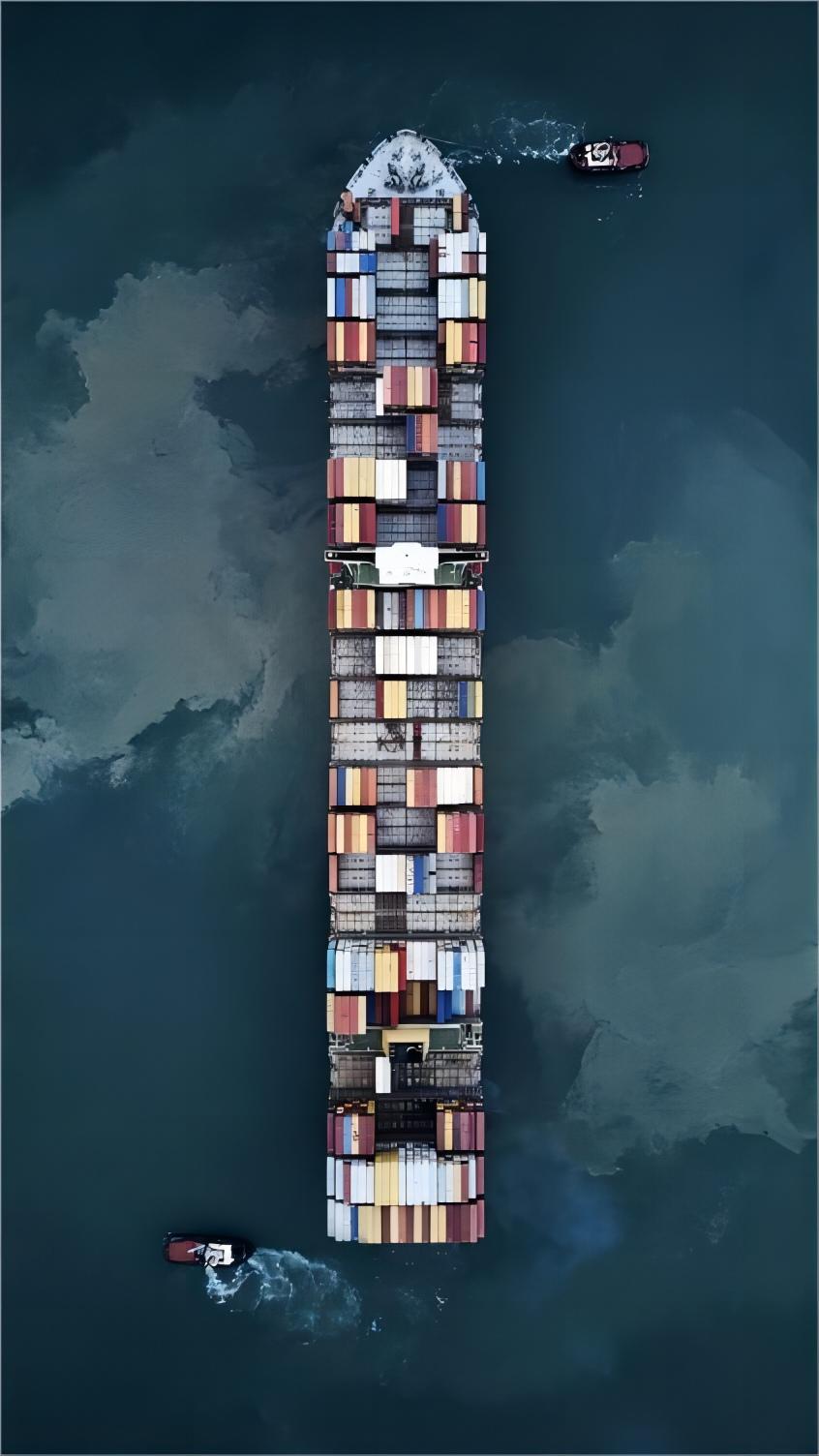
Why You Need a Reliable China Freight Forwarder Mexico?
Managing international shipments involves more than just moving cargo from one point to another. Professional logistics providers ensure that your goods comply with all regulatory requirements while minimizing the risk of delays. Moreover, an experienced partner can help you navigate fluctuating market rates and seasonal capacity constraints effectively.
Importers often face challenges with documentation and communication when dealing with multiple parties across different time zones. Therefore, a specialized forwarder acts as a single point of contact to simplify the entire process. Additionally, they provide local expertise in major Mexican ports like Manzanillo and Lazaro Cardenas to expedite cargo handling.
Benefits of Local Expertise
Local knowledge allows for faster problem-solving during the customs clearance phase. Specifically, understanding the nuances of Mexican tax laws and import duties can save your business thousands of dollars in unexpected fees. Furthermore, a forwarder with a strong network in both countries can offer more flexible warehousing and distribution solutions.
Optimizing Sea Freight Services for Mexico Imports
Choosing sea freight remains the most popular choice for businesses moving large volumes of goods from China to Mexico. This method offers the best balance between cost and capacity for bulk commodities and heavy machinery. Consequently, most importers utilize Full Container Load (FCL) or Less than Container Load (LCL) options depending on their shipment size.
Ocean transit times typically range from 20 to 35 days depending on the specific port of origin and destination. Meanwhile, freight rates are influenced by factors such as fuel surcharges and carrier availability. Indeed, booking your shipments well in advance during peak seasons is essential to secure competitive pricing and guaranteed space.
| Shipping Method | Cost Level | Transit Time | Best For |
|---|---|---|---|
| FCL (Full Container) | Moderate | 20-30 Days | High-volume cargo |
| LCL (Shared Container) | Low | 25-35 Days | Smaller shipments |
| Sea-Air Hybrid | High | 12-18 Days | Urgent inventory |
Expedited Air Freight Rates and Schedules
Utilizing air freight is the ideal solution when speed is the primary priority for your business. Although the costs are significantly higher than ocean transport, the drastically reduced transit time helps maintain lean inventory levels. Specifically, high-value electronics and time-sensitive fashion items are frequently shipped via air cargo to Mexico City or Guadalajara.
Most air shipments arrive within 5 to 9 days after departing from major Chinese hubs like Shanghai or Shenzhen. Furthermore, air transport offers enhanced security and a lower risk of damage for fragile goods. Consequently, many premium brands prefer this method despite the premium pricing to ensure their products reach the market as quickly as possible.

How Does Sea Freight Compare to Other Shipping Options?
Evaluating different transportation modes is essential for maintaining a competitive edge in the global market. While ocean freight is the most economical, air freight provides unmatched speed for critical deliveries. Additionally, hybrid solutions can sometimes offer a middle ground for businesses with flexible timelines but limited budgets.
Importers must weigh the trade-offs between cost, speed, and reliability when selecting a shipping method. For instance, a delay in sea freight might cost more in lost sales than the initial savings on shipping fees. Therefore, a diversified logistics strategy often yields the best long-term results for growing enterprises.
| Method | Cost Range | Transit Time | Limitations |
|---|---|---|---|
| Sea Freight | 2000-4000 USD | 22-35 Days | Slow transit |
| Air Freight | 5-10 USD/kg | 5-9 Days | High cost |
| Express | 8-15 USD/kg | 3-5 Days | Weight limits |
Navigating Customs Brokerage and Compliance
Professional customs brokerage services are indispensable for navigating the rigorous Mexican import requirements. Because the Mexican tax authority (SAT) is very strict regarding documentation, any minor error can lead to significant fines or cargo seizures. Consequently, working with an expert ensures that your commercial invoices, packing lists, and certificates of origin are perfectly prepared.
Importers must also be aware of the Official Mexican Standards (NOMs) that apply to specific product categories. These regulations ensure that products meet safety and quality standards before entering the domestic market. Nevertheless, a qualified forwarder will guide you through the testing and certification process to avoid any compliance bottlenecks at the border.

Comprehensive Door to Door Shipping Solutions
Implementing a door to door shipping strategy eliminates the hassle of managing multiple logistics providers. This end-to-end service covers everything from factory pickup in China to final delivery at your warehouse in Mexico. Moreover, it provides greater visibility and tracking capabilities throughout the entire journey of your goods.
Efficiency is greatly improved when a single entity manages the transition between sea, land, and customs segments. Specifically, this approach reduces the likelihood of communication gaps that often occur during handovers between different carriers. Indeed, many small to medium enterprises prefer this turnkey solution to focus their internal resources on sales and marketing.
Regional Logistics Trends in North America Shipping
Understanding the broader context of North America shipping is vital as trade patterns continue to evolve. Mexico has become an increasingly important hub for companies looking to diversify their manufacturing and distribution networks. Consequently, infrastructure investments in Mexican ports and rail systems are enhancing the efficiency of transpacific trade routes.
Logistics trends in 2025 suggest a continued focus on digitalization and real-time data integration within the supply chain. Furthermore, sustainability initiatives are prompting carriers to adopt greener technologies and optimize route planning. Therefore, staying informed about these industry shifts will help you make more strategic decisions for your international operations.
Alternative Strategies and Cost-Saving Tips
Importers should consider alternative shipping strategies to mitigate the impact of rising costs and port congestion. For example, shipping to smaller ports or using transshipment hubs can sometimes result in lower rates and faster processing times. Additionally, consolidating small orders into a single LCL shipment can significantly reduce per-unit transportation expenses.
Another effective strategy involves negotiating annual contracts with carriers to lock in favorable rates during periods of market stability. However, this requires a consistent shipping volume and long-term planning. To summarize, a flexible approach that combines different methods and routes is often the most resilient way to manage global logistics.
Direct vs Transshipment Routes
Direct routes from China to Mexico are faster but often come with a higher price tag. In contrast, transshipment through hubs like Busan or Panama can offer cost savings of 10 to 15 percent. Consequently, businesses with less urgent timelines can leverage these indirect routes to improve their profit margins without compromising cargo safety.
Real-World Case Studies: China to Mexico Logistics
Case Study 1: Electronics from Shenzhen to Manzanillo. Route: Shenzhen, China to Manzanillo, Mexico. Cargo: LED Panels, 12 CBM, 4500 kg. Container: LCL 12 CBM. Carrier: COSCO. Port of Loading: Shenzhen. Port of Discharge: Manzanillo. Route Type: Direct. Ocean Freight: 960 USD. Origin Charges: 250 USD. Destination Charges: 400 USD. Customs and Duties: 1200 USD. Total Landed Cost: 2810 USD. Sea Transit: 22 days. Total Door-to-Door: 29 days. Key Insight: Consolidating cargo via LCL saved the client 40 percent compared to air freight.
Case Study 2: Industrial Machinery from Ningbo to Veracruz. Route: Ningbo, China to Veracruz, Mexico. Cargo: CNC Machine, 18 CBM, 8000 kg. Container: 20GP. Carrier: Maersk. Port of Loading: Ningbo. Port of Discharge: Veracruz. Route Type: Transshipment via Panama. Ocean Freight: 2100 USD. Origin Charges: 350 USD. Destination Charges: 550 USD. Customs and Duties: 4500 USD. Total Landed Cost: 7500 USD. Sea Transit: 34 days. Total Door-to-Door: 45 days. Key Insight: Using a 20GP container provided better protection for sensitive machinery compared to LCL.
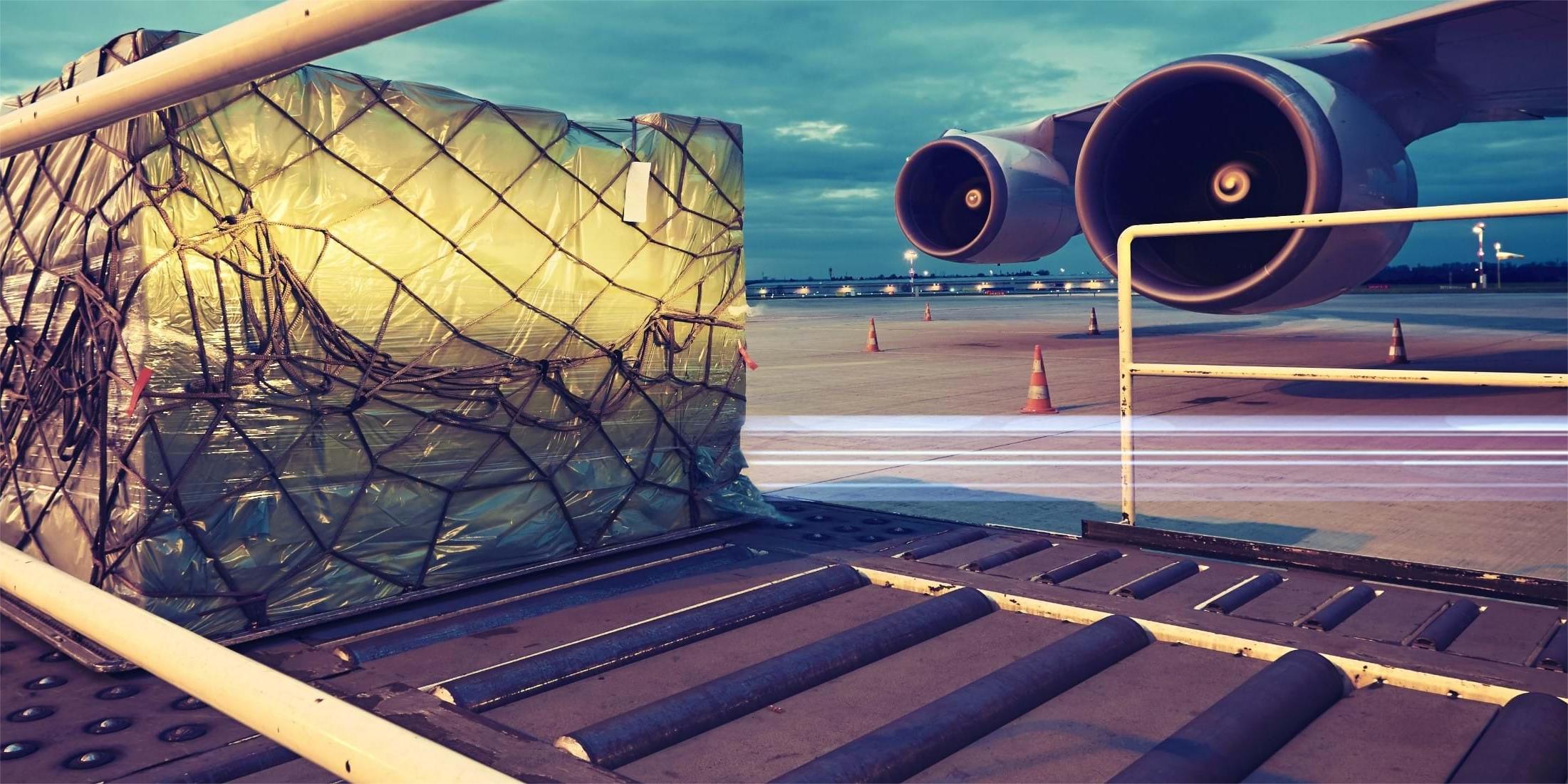
Which Option Should You Choose? Decision Framework
Selecting the right shipping method depends on your specific business priorities and cargo characteristics. If your primary goal is to minimize expenditure, sea freight is the clear winner for most scenarios. However, if you are dealing with a stockout or a highly seasonal product launch, air freight is the necessary choice to meet consumer demand.
Cargo type also plays a significant role in the decision-making process. Perishable goods or high-security items often require the specialized handling provided by air carriers or express services. To summarize, evaluate your budget, timeline, and product requirements against the available options to find the most logical fit for your next shipment.
Final Thoughts on Shipping from China to Mexico
Successfully managing imports requires a deep understanding of the global logistics landscape and local regulations. By hiring an expert china freight forwarder mexico, you can overcome common hurdles such as customs delays and unpredictable shipping costs. Ultimately, the right partnership will allow you to scale your business with confidence while maintaining a lean and efficient supply chain.
Continuous monitoring of market trends and carrier performance is essential for long-term success. As infrastructure improves and trade relations evolve, new opportunities for cost savings and speed will emerge. Therefore, stay proactive in your logistics planning and always seek the most reliable data to inform your shipping strategy.
Ready to streamline your logistics?
Streamline your international trade today by partnering with a specialized china freight forwarder mexico. Our team provides tailored logistics solutions that ensure your cargo arrives safely and on schedule. Visit our website to request a customized quote and discover how we can optimize your supply chain efficiency. Contact China Freight World now to get started with your next shipment.
Request Quote