
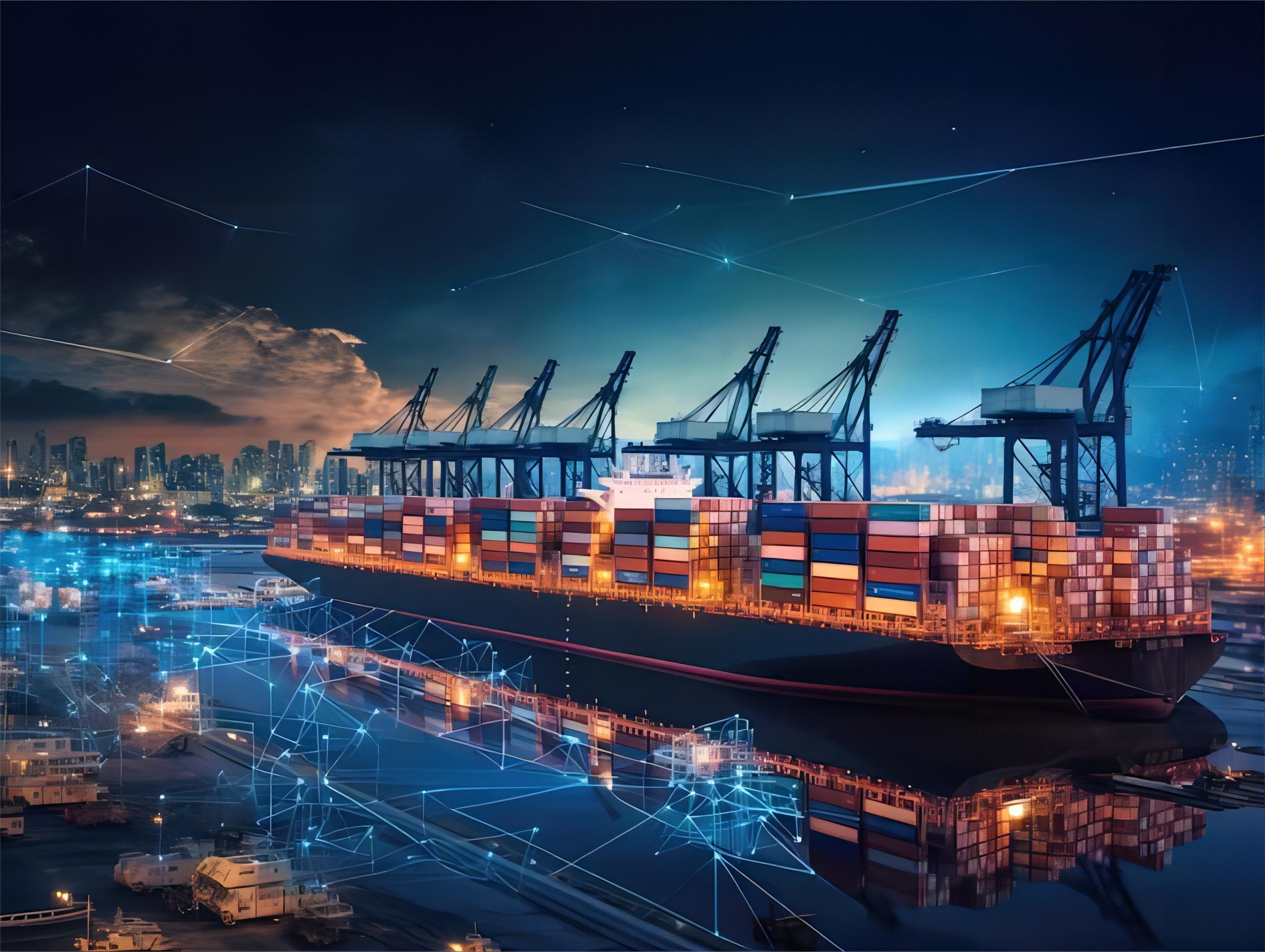
Freight Forwarding Services China: Expert Logistics and Shipping Solutions
Navigating the complexities of international trade requires a partner who understands the nuances of freight forwarding services china. Many businesses struggle with rising shipping costs and unpredictable transit times when importing from the Far East. However, choosing the right logistics provider ensures your cargo moves efficiently from factory floor to final destination while maintaining your profit margins. This guide explores how professional management can streamline your supply chain and reduce overhead through strategic planning and local expertise.
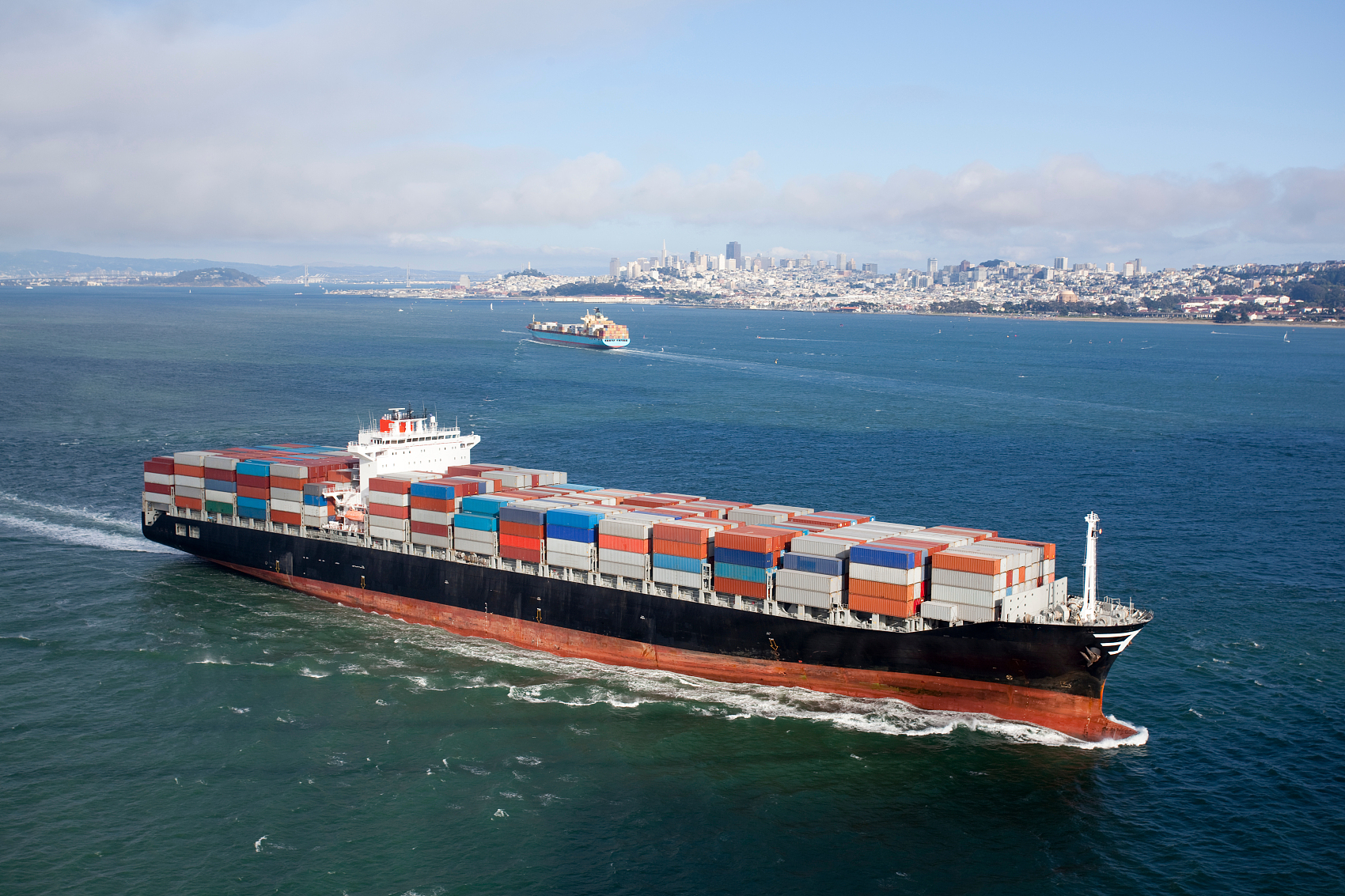
What Are Freight Forwarding Services China and Why Do You Need Them?
Professional logistics management acts as the backbone of global commerce by bridging the gap between manufacturers and international buyers. Moreover, these services involve the coordination of multiple transport modes, warehousing, and complex documentation requirements. Consequently, importers who leverage local expertise often experience fewer delays at major hubs like Shanghai or Shenzhen.
Understanding the local market is essential because regulations and port operations can change rapidly without much notice. Furthermore, a dedicated forwarder negotiates better rates with carriers due to high-volume contracts that individual shippers cannot access. Therefore, utilizing these specialized services is not just a convenience but a strategic necessity for maintaining a competitive edge in the global marketplace.
Effective communication remains a primary benefit when working with a localized team that speaks the language and understands the business culture. Additionally, they provide real-time tracking and risk management strategies to protect your investment during transit. Indeed, the right partner transforms a logistical nightmare into a seamless flow of goods across borders.
How Does Sea Freight Compare to Other Shipping Options?
Evaluating the best transport method requires a deep dive into cost, speed, and volume requirements for your specific cargo. In contrast to air transport, ocean shipping offers the most economical solution for bulk goods and large machinery. Meanwhile, rail freight provides a middle ground for those targeting inland destinations in Central Asia or Eastern Europe.
While air freight is significantly faster, the cost per kilogram is often five to ten times higher than sea transport. Nevertheless, for high-value electronics or perishable items, the speed of air travel justifies the premium price. Accordingly, businesses must balance their inventory turnover needs against the landed cost of their products.
Hybrid solutions like sea-air combinations have also gained popularity for shipments that need more speed than a ship but more savings than a plane. For example, cargo might travel by sea to Dubai and then finish the journey via air to Europe. Consequently, this strategy can save up to 40 percent on costs compared to pure air freight while cutting transit time in half versus pure sea freight.
| Shipping Method | Cost Range | Transit Time | Best For |
|---|---|---|---|
| Sea Freight | Low ($1,500 – $4,500) | 25 – 45 Days | Bulk / Heavy Goods |
| Air Freight | High ($5 – $12/kg) | 3 – 7 Days | Urgent / High Value |
| Rail Freight | Medium ($2,000 – $6,000) | 15 – 22 Days | Landlocked Europe |
| Express | Very High ($8 – $20/kg) | 2 – 5 Days | Small Samples |
Selecting the Right Mode: Sea, Air, or Rail Freight?
Choosing sea freight is the standard choice for the vast majority of global trade due to its massive capacity. Furthermore, Full Container Load (FCL) and Less than Container Load (LCL) options allow for flexibility regardless of your shipment size. Consequently, small businesses can still access affordable rates by sharing container space with other importers.
If speed is your priority, air freight remains the undisputed leader for rapid delivery. Moreover, the reduced transit time lowers the risk of damage or theft, which is vital for sensitive cargo. However, the environmental impact and strict weight limitations are factors that every logistics manager must consider before booking.
Shipments destined for landlocked regions often benefit from the growing network of the New Silk Road. Additionally, rail transport offers a more stable pricing structure than the volatile ocean market. Therefore, it serves as an excellent alternative during peak seasons when port congestion typically spikes in coastal regions.
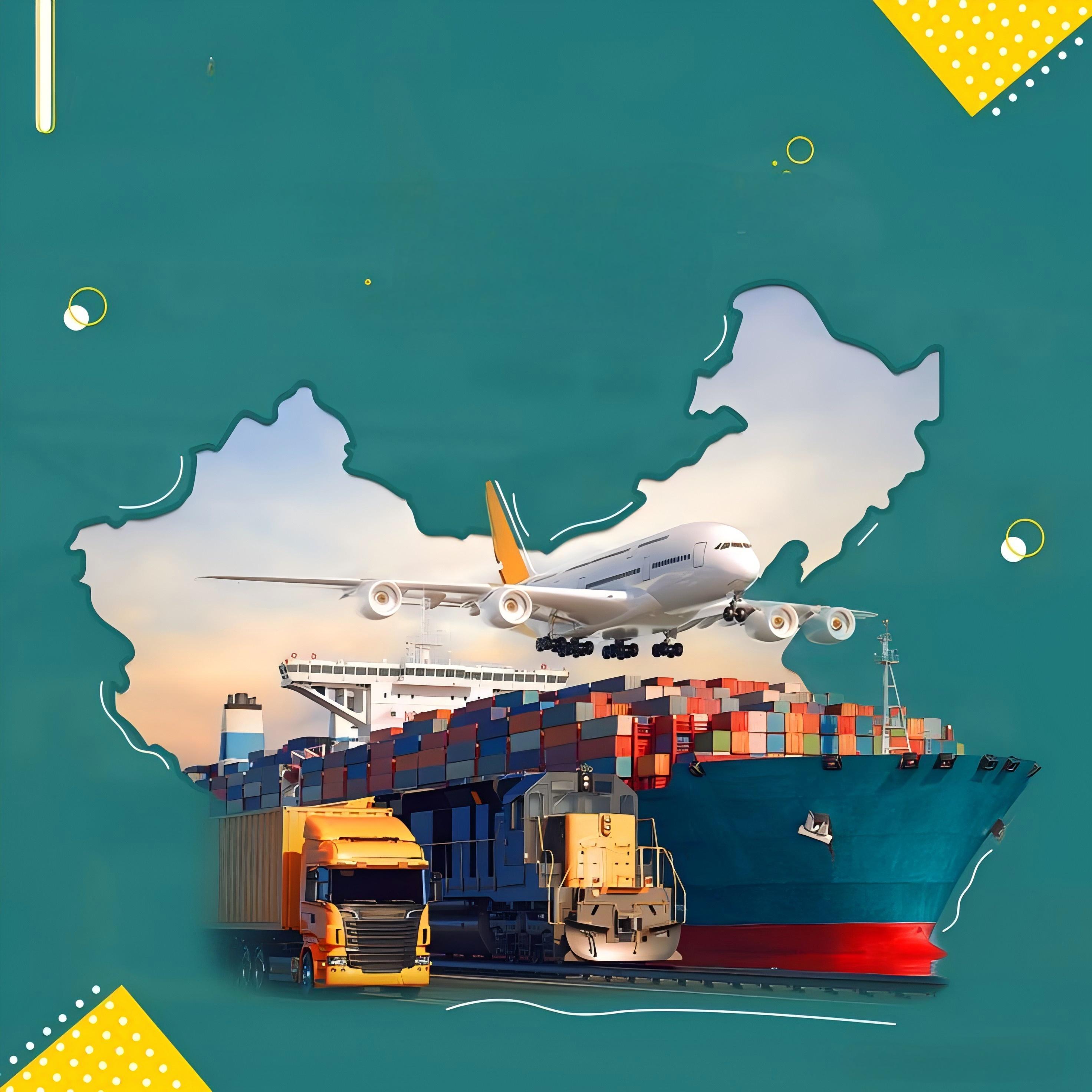
Managing Costs and Timelines for Imports to North America and Europe
Shipping to North America involves navigating different port dynamics between the West Coast and the East Coast. For instance, Los Angeles and Long Beach are the primary gateways but often face labor disputes or congestion. As a result, many shippers are diversifying their routes to include Savannah or New York to ensure supply chain resilience.
Logistics for Europe have faced unique challenges recently due to disruptions in traditional maritime corridors. Nevertheless, carriers have adapted by utilizing the Cape of Good Hope route, though this adds significant time and fuel surcharges. Consequently, planning your inventory cycles at least two months in advance has become the new industry standard.
Pricing for these major routes fluctuates based on seasonal demand, with the highest rates typically occurring before the Lunar New Year. Moreover, fuel price adjustments and peak season surcharges can catch unprepared importers off guard. Indeed, securing fixed-rate contracts or working with a forwarder who has pre-allocated space is the best way to mitigate these financial risks.
The Importance of Customs Brokerage and Compliance
Navigating the legal requirements of international trade is often the most daunting part of the process for new importers. Fortunately, professional customs brokerage services ensure that your documentation is accurate and compliant with local laws. Without a doubt, a single error in a Harmonized System (HS) code can lead to costly fines or total shipment seizure.
Documentation such as the Commercial Invoice, Packing List, and Bill of Lading must perfectly align to avoid red flags. Furthermore, different countries have specific requirements for certificates of origin or wood packaging treatments. Consequently, having an expert review your paperwork before the goods leave the factory is a vital step in risk management.
Duties and taxes represent a significant portion of your total landed cost, and understanding these calculations is essential for pricing your products. Additionally, trade agreements or anti-dumping duties can change the financial viability of an import project overnight. Therefore, continuous monitoring of trade policy is a core component of high-quality freight forwarding services china.
Specialized Solutions for Amazon FBA and E-commerce
E-commerce sellers require a specific type of logistics support that understands the strict delivery windows of fulfillment centers. Using a dedicated Amazon FBA shipping service ensures that your products are labeled and palletized according to precise requirements. Furthermore, these services often include final-mile delivery to specific warehouses across the globe.
Speed to market is critical in the fast-paced world of online retail where stockouts lead to lost rankings. Moreover, a door to door solution removes the complexity of managing multiple vendors for each leg of the journey. Consequently, sellers can focus on marketing and sales while their logistics partner handles the entire movement of goods.
Inventory management becomes much simpler when you have a transparent view of your cargo at every stage. Additionally, many forwarders now offer integrated software that syncs with your e-commerce platform for automated updates. Indeed, this level of technical integration is what separates modern logistics providers from traditional shipping agents.

Real Case Studies: Successful Logistics Operations
Case Study 1: Electronics Distribution to the United States. A California-based tech firm needed to move 500 units of high-end tablets from Shenzhen to Los Angeles. By choosing a premium air freight service, they avoided the 30-day ocean transit and hit their product launch date. Consequently, the company captured market share early, despite the higher shipping costs.
Case Study 2: Furniture Import to the United Kingdom. A retailer in London imported two 40HQ containers of sustainable bamboo furniture from Ningbo. By utilizing sea freight and booking three weeks in advance, they secured a rate 15 percent below the market average. As a result, their retail prices remained competitive even during a period of high inflation.
Box Case Study 1: Shenzhen to Los Angeles Route: Shenzhen, China to Los Angeles, USA Cargo: Electronics, 12 CBM, 2500 kg Container: LCL 12 CBM Shipping Details: – Carrier: Major Ocean Carrier – Port of Loading: Shenzhen – Port of Discharge: Los Angeles – Route Type: Direct Cost Breakdown: – Ocean Freight: $1,450 – Origin Charges: $350 – Destination Charges: $600 – Customs and Duties: $1,200 – Total Landed Cost: $3,600 Timeline: – Booking to Loading: 4 days – Sea Transit: 16 days – Customs Clearance: 3 days – Total Door-to-Door: 23 days Key Insight: Early booking allowed for space guarantee during a peak week. Box Case Study 2: Ningbo to Hamburg Route: Ningbo, China to Hamburg, Germany Cargo: Solar Panels, 65 CBM, 18000 kg Container: 40HQ Shipping Details: – Carrier: COSCO – Port of Loading: Ningbo – Port of Discharge: Hamburg – Route Type: Transshipment via Singapore Cost Breakdown: – Ocean Freight: $3,850 – Origin Charges: $450 – Destination Charges: $750 – Customs and Duties: $2,100 – Total Landed Cost: $7,150 Timeline: – Booking to Loading: 6 days – Sea Transit: 34 days – Customs Clearance: 4 days – Total Door-to-Door: 44 days Key Insight: Transshipment saved $400 compared to the direct route but added 7 days.
Which Option Should You Choose? Decision Framework
Determining the right strategy depends on your specific business goals and the nature of your products. If your primary priority is budget and you are shipping large volumes, sea freight is almost always the correct choice. However, if your cargo is time-sensitive or has a high value-to-weight ratio, air freight becomes the logical selection.
Volume thresholds also play a major role in the decision-making process for most importers. For instance, once your shipment exceeds 15 cubic meters, it often becomes cheaper to pay for a full 20GP container rather than paying LCL rates. Consequently, consolidating your orders into larger shipments is one of the most effective ways to reduce your overall logistics spend.
Note: Freight rates are subject to change based on fuel costs, carrier capacity, and seasonal demand. Contact us for a current quote tailored to your specific shipment.
Final Thoughts on Logistics Excellence
Mastering the intricacies of freight forwarding services china is a journey that requires patience, expertise, and the right partnerships. By understanding the differences between sea, air, and rail modes, you can make informed decisions that protect your bottom line. Furthermore, focusing on compliance and documentation will prevent the most common causes of shipping delays.
Successful importing is not just about finding the lowest price but about finding the most reliable path for your goods. As global trade continues to evolve, staying adaptable and informed remains the best strategy for long-term success. Trusting your logistics to a dedicated expert allows you to focus on growing your business while we handle the heavy lifting.

Ready to streamline your logistics?
Streamline your global supply chain today with professional freight forwarding services china. Our team is ready to provide you with a customized quote and expert guidance for your next shipment. Contact us now to secure the best rates and ensure your cargo arrives on time. Send Inquiry
Request Quote