
Amazon FBA Shipping China Door to Door: The Complete 2025 Guide
Managing global logistics requires precision and a deep understanding of international trade routes. Sellers often find that amazon fba shipping china door to door offers the most streamlined path to sustainable business growth. By partnering with China Freight World, you can eliminate the complexities of multi-stage transport and focus on scaling your brand. This comprehensive guide explores how end-to-end logistics solutions handle everything from the factory floor to the Amazon warehouse shelf.
Understanding Amazon FBA Shipping China Door to Door
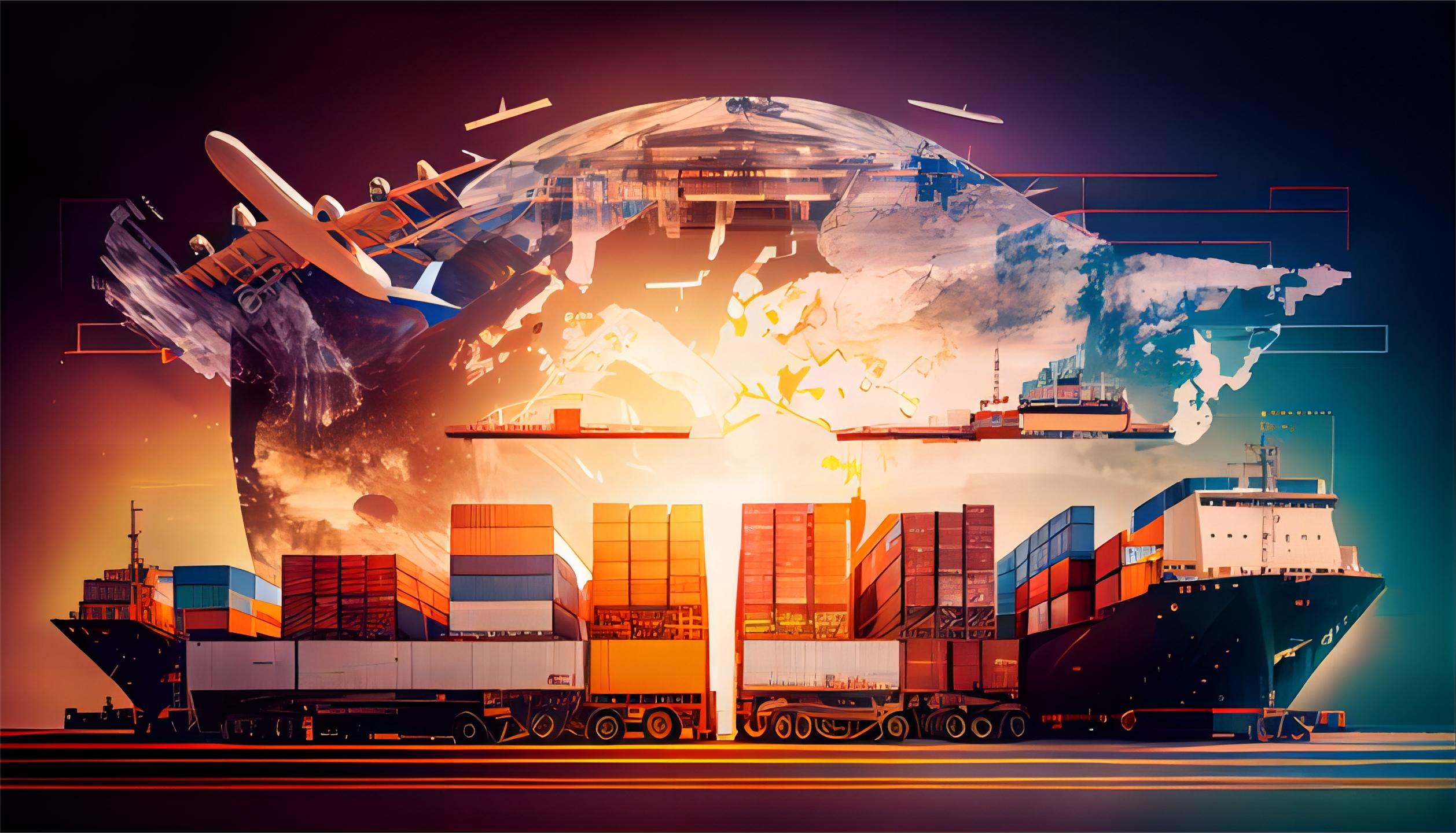
The concept of door to door logistics refers to a service where the freight forwarder manages the entire shipment process. Initially, the provider picks up the goods from your supplier in China and handles the export documentation. Consequently, the seller does not need to worry about coordinating between multiple trucking companies or warehouse facilities. Furthermore, this service typically includes sea or air transit, customs clearance, and the final mile delivery to the designated Amazon fulfillment center.
Choosing this method provides a significant advantage in terms of cost predictability and operational efficiency. In addition, most providers offer Delivered Duty Paid (DDP) terms, which means all taxes and duties are included in the initial quote. Therefore, you can calculate your landed cost with high accuracy before the cargo even leaves the port. Meanwhile, the freight forwarder takes responsibility for any logistical hurdles that may arise during the journey.

How Does Amazon FBA Shipping China Door to Door Compare to Other Shipping Options?
When evaluating your supply chain, it is essential to compare amazon fba shipping china door to door against traditional port-to-port or door-to-port methods. While port-to-port shipping might seem cheaper at first glance, it often involves hidden costs at the destination. For example, you would be responsible for hiring a local customs broker and arranging a separate trucking service to Amazon. In contrast, a door to door solution integrates these steps into a single, cohesive workflow.
Moreover, the level of risk management is significantly higher with integrated door to door services. If a delay occurs at the port of discharge, the forwarder is already equipped to adjust the delivery schedule. On the other hand, managing multiple vendors independently often leads to communication gaps and expensive storage fees. Consequently, the integrated approach is generally preferred by high-volume sellers who value reliability over the lowest possible base freight rate.
| Shipping Method | Cost Level | Transit Time | Best Use Case |
|---|---|---|---|
| Sea Freight FCL | Low | 30-45 Days | Large bulk shipments |
| Sea Freight LCL | Moderate | 35-50 Days | Medium-sized cargo |
| Air Freight | High | 5-10 Days | Urgent restocks |
| Rail Freight | Moderate | 20-30 Days | European destinations |
The Role of Sea Freight in Door to Door Logistics
For most sellers, sea freight remains the backbone of their international logistics strategy. This method is particularly cost-effective for heavy or bulky items that would be prohibitively expensive to ship by air. Indeed, ocean transport allows you to move large volumes of inventory while maintaining healthy profit margins. Additionally, you can choose between Full Container Load (FCL) and Less than Container Load (LCL) depending on your current inventory needs.
However, the primary trade-off with sea transport is the extended transit time required for the journey. Therefore, successful sellers must plan their inventory cycles several months in advance to avoid stockouts. Furthermore, peak seasons such as the months leading up to the holidays often see a surge in demand for container space. Consequently, booking your shipments at least 3-4 weeks before the desired departure date is a vital strategy for maintaining a consistent supply chain.
When to Use Air Freight for Amazon Shipments
In certain scenarios, utilizing air freight is the most logical choice for your business. For instance, if you are launching a new product and need to test the market quickly, air transport provides the necessary speed. Moreover, air cargo is ideal for high-value items where the cost of shipping is a small percentage of the total product value. By reducing the time in transit, you also decrease the amount of capital tied up in inventory.
Nevertheless, the environmental impact and high cost of air transport mean it should be used strategically. Many sellers adopt a hybrid approach where they send a small batch via air to keep the listing active while the bulk of the stock follows by sea. In addition, air shipments generally have stricter weight and dimension limits compared to ocean freight. Consequently, you must ensure your packaging is optimized to minimize volumetric weight charges.
Essential Documentation for Customs Clearance
Navigating the complexities of international trade requires a robust understanding of customs requirements. Working with an experienced customs brokerage service ensures that all paperwork is filed correctly and on time. Key documents include the Commercial Invoice, Packing List, and the Bill of Lading. Furthermore, for shipments to the United States, an Importer Security Filing (ISF) must be completed at least 24 hours before the vessel departs China.
Incorrect documentation is one of the leading causes of delays and additional inspections at the border. For example, a mismatch between the product description and the Harmonized System (HS) code can lead to significant fines. Therefore, it is crucial to verify all details with your supplier and your freight forwarder before the cargo is loaded. In addition, maintaining a digital archive of all past shipments will help you streamline future customs audits and compliance checks.
Navigating Amazon FBA Requirements and Prep
Success in the Amazon marketplace depends heavily on your ability to meet strict fulfillment center requirements. The Amazon FBA service requires specific labeling, palletization, and packaging standards that must be followed precisely. If your shipment arrives at the warehouse without the correct FNSKU labels or in damaged boxes, it may be rejected. Consequently, many door to door providers offer prep services in China to ensure compliance before the goods leave the country.
Moreover, using a prep center in China is often more cost-effective than handling labeling in the destination country. For instance, labor costs for manual labeling are significantly lower in manufacturing hubs like Shenzhen or Ningbo. In addition, catching errors at the source prevents the high costs associated with returning goods from an international warehouse. Therefore, integrating prep services into your amazon fba shipping china door to door plan is a smart move for long-term efficiency.
Cost Analysis and Transit Times by Destination
Understanding the financial landscape of international shipping is vital for accurate budgeting. Freight rates are influenced by various factors including fuel surcharges, seasonal demand, and port congestion levels. For example, during the Lunar New Year, rates typically spike as factories rush to ship goods before the holiday break. In contrast, the mid-year period often sees more stable pricing and better carrier availability.
Transit times also vary significantly based on the destination and the specific route taken by the carrier. While a direct shipment to the US West Coast might take 14 to 20 days, a route to the East Coast via the Panama Canal can take 30 days or more. Furthermore, inland delivery to Amazon warehouses located in the Midwest requires additional time for rail or truck transport. Consequently, you must account for these variations when setting your delivery schedule expectations.
| Destination | Sea Transit (Days) | Air Transit (Days) | Typical 40HQ Cost |
|---|---|---|---|
| USA West Coast | 14-18 Days | 5-7 Days | $2,800 – $3,800 |
| USA East Coast | 30-35 Days | 6-9 Days | $4,500 – $6,000 |
| Europe (Main Ports) | 30-38 Days | 6-8 Days | $3,500 – $4,500 |
| Australia | 12-18 Days | 5-7 Days | $1,400 – $2,000 |
Real-World Case Studies in Amazon FBA Logistics
Case Study 1: Scaling Electronics with FCL. A seller based in California needed to move 2,000 units of smart home devices from Shenzhen to an Amazon warehouse in Moreno Valley. By choosing a 40HQ container and sea freight, they achieved a landed cost of $1.50 per unit. Consequently, they were able to maintain a 40 percent profit margin despite rising advertising costs. The total door to door time was 22 days, including 4 days for customs and final delivery.
Case Study 2: Fast-Tracking Seasonal Apparel. A European boutique brand required urgent stock for the winter season after an unexpected sales surge. They opted for air freight for 500kg of high-end wool coats from Ningbo to Hamburg. Although the shipping cost was $6.50 per kg, the goods arrived at the Amazon fulfillment center in just 8 days. Therefore, they avoided a potential stockout and captured $50,000 in additional revenue during the peak shopping window.
Case Study 3: Furniture Distribution via LCL. An Australian seller utilized LCL sea freight for 12 CBM of flat-pack furniture from Guangzhou to Sydney. Using a door to door DDP service, they paid a flat rate that covered all sea freight, port charges, and GST. Consequently, they avoided the complexity of managing local Australian customs themselves. The shipment arrived in 20 days, allowing them to restock their inventory just in time for a major promotional event.
Which Option Should You Choose? Decision Framework
Selecting the right logistics strategy depends on your specific business priorities and cargo characteristics. If your primary goal is cost reduction and you have a high volume of goods, sea freight FCL is the clear winner. In addition, this method offers the highest level of security for your products. On the other hand, if you are shipping small, high-value items or are facing an inventory emergency, air freight is the most appropriate solution.
Furthermore, consider the geographical location of your target Amazon warehouse. Shipping to the US West Coast is significantly faster and cheaper than shipping to the East Coast from China. Therefore, many sellers choose to store their bulk inventory in West Coast 3PL warehouses and drip-feed it into the FBA system. In contrast, European sellers must decide between the speed of rail freight and the low cost of the traditional sea route via the Suez Canal.
Logistics Trends and Market Outlook for 2025
As we look toward 2025, the logistics industry continues to evolve with new technologies and shifting trade patterns. For instance, the integration of AI-driven tracking systems allows sellers to monitor their amazon fba shipping china door to door progress in real-time. Moreover, there is an increasing focus on sustainable shipping practices as carriers invest in cleaner fuels. Consequently, businesses that align with these green initiatives may benefit from improved brand reputation and potential tax incentives.
In addition, global freight rates are expected to remain volatile due to geopolitical factors and fluctuating fuel prices. Therefore, building a resilient supply chain with multiple contingency plans is more important than ever. By diversifying your carrier options and maintaining a buffer of safety stock, you can protect your business from sudden market shifts. Furthermore, staying informed about changes in import regulations will help you avoid costly compliance errors in the coming year.
Final Thoughts on FBA Logistics
In conclusion, mastering amazon fba shipping china door to door is a fundamental skill for any serious e-commerce entrepreneur. By understanding the nuances of sea and air freight, navigating customs with professional help, and planning for seasonal fluctuations, you can build a robust and profitable business. Remember that the cheapest option is not always the best; reliability and transparency are the keys to long-term success in the competitive Amazon marketplace.
Note: Freight rates are subject to change based on fuel costs, carrier capacity, and seasonal demand. Contact us for a current quote tailored to your specific shipment.
Ready to streamline your logistics?
Ready to simplify your supply chain? Contact us today to receive a competitive quote for your amazon fba shipping china door to door needs and experience seamless global logistics. Visit https://chinafreightworld.com/ to get started.
Request Quote