
Amazon FBA Shipping China with Tracking: 2025 Logistics Guide
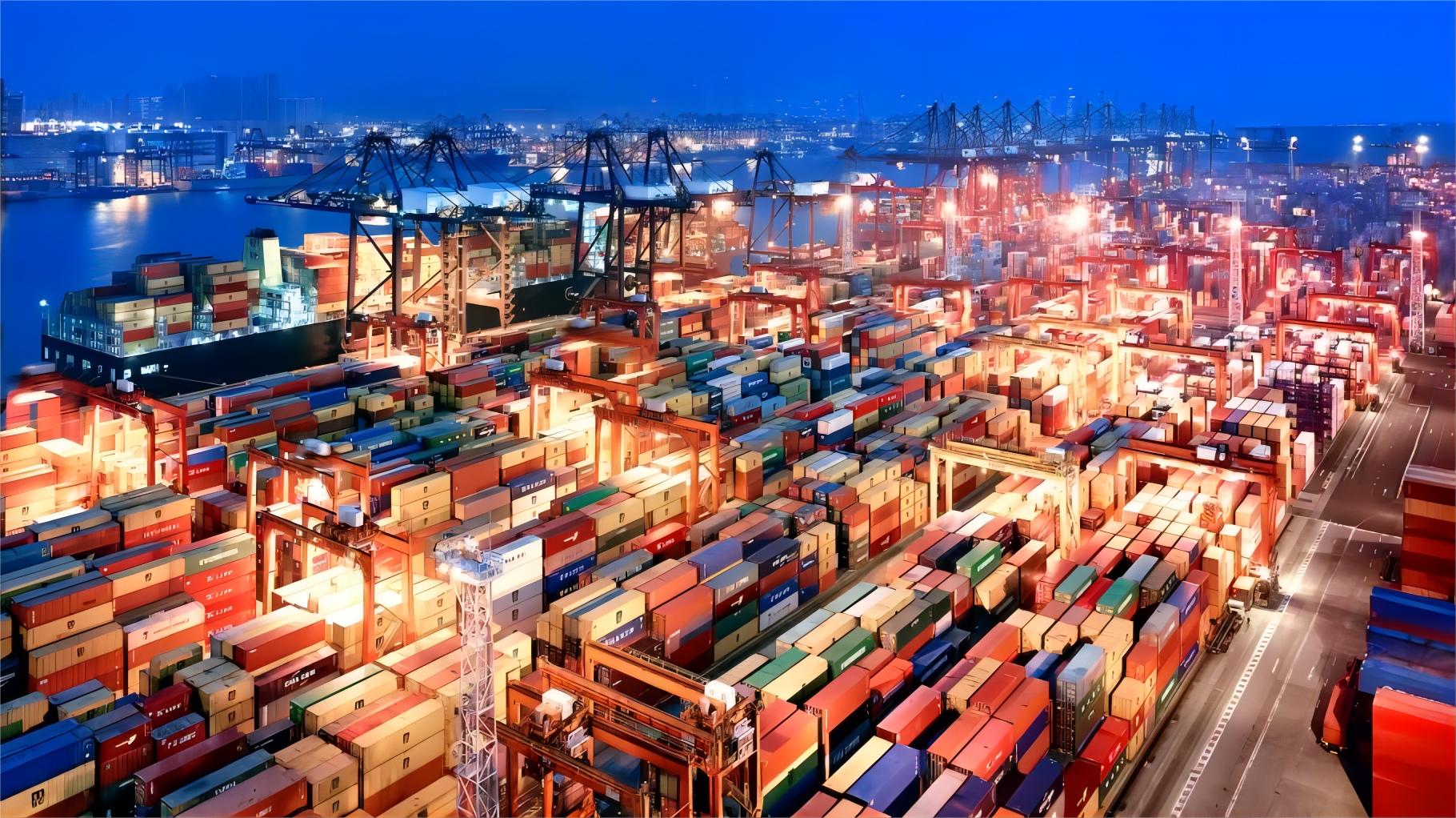
Managing global logistics requires extreme precision and real-time visibility to ensure your products reach customers without delay. Navigating the complexities of Amazon FBA shipping China with tracking is essential for modern e-commerce success in a competitive market. This comprehensive guide provides actionable insights to help you optimize your global supply chain and reduce operational overhead effectively.
Why Tracking is Critical for Amazon FBA Shipping from China
Visibility remains the most significant factor in maintaining a healthy inventory flow for your online business. Without accurate data, you risk stockouts or overstocking, both of which damage your Amazon seller rating. Consequently, professional tracking allows you to predict arrival dates and coordinate marketing efforts with precision.
Reliable tracking data provides peace of mind when your capital is tied up in international transit. Furthermore, it allows you to identify potential delays at major ports before they become critical issues for your supply chain. Therefore, choosing a forwarder with robust digital tracking tools is a non-negotiable requirement for serious entrepreneurs.
Amazon requires strict adherence to delivery windows for their fulfillment centers across the globe. Indeed, failing to provide accurate tracking information can lead to shipment rejections or additional processing fees. As a result, implementing a transparent tracking system ensures compliance and protects your bottom line.
How to Choose the Best Shipping Method for Your Inventory
Selecting the right transportation mode depends on your budget, cargo volume, and urgency requirements. For instance, sea freight offers the most economical solution for large, bulky shipments that are not time-sensitive. Meanwhile, smaller high-value items often benefit from the speed of air transport.
Many sellers find that a balanced approach using multiple methods helps mitigate risks and optimize costs. Nevertheless, you must consider the trade-offs between speed and expense when planning your quarterly inventory rests. Accordingly, analyzing the current market rates is vital for making an informed decision.
| Shipping Method | Cost Range | Transit Time | Best For |
|---|---|---|---|
| Express Service | High ($6-9/kg) | 3-7 Days | Urgent small parcels |
| Air Freight | Medium ($4-6/kg) | 7-12 Days | High-value electronics |
| Sea Freight (LCL) | Low ($150-300/CBM) | 25-40 Days | Bulk consumer goods |
| Rail Freight | Moderate ($2-3/kg) | 18-25 Days | European destinations |
How Does Amazon FBA Shipping China with Tracking Compare to Other Options?
Comparing standard postal services to professional freight forwarding reveals significant differences in reliability and documentation support. While postal options might seem cheaper for tiny samples, they lack the comprehensive tracking and customs support needed for commercial FBA shipments. In contrast, dedicated Amazon FBA logistics services handle the entire process from factory to warehouse.
Hybrid solutions like sea-air combinations have gained popularity as a middle ground for sellers facing tight deadlines. These methods utilize sea transport for the long haul and air transport for the final leg to save time. However, the complexity of tracking these shipments requires a sophisticated logistics partner who can manage multiple carriers seamlessly.
| Method | Cost Range | Transit Time | Limitations |
|---|---|---|---|
| Direct Sea FCL | $3,000 – $5,500 | 14-35 Days | Requires full volume |
| Sea-Air Hybrid | $4 – $5/kg | 15-20 Days | Complex documentation |
| Postal Service | $10 – $15/kg | 15-30 Days | Poor tracking/support |
| Direct Express | $7 – $10/kg | 3-5 Days | Very high cost |
Understanding Customs Brokerage and Compliance Requirements
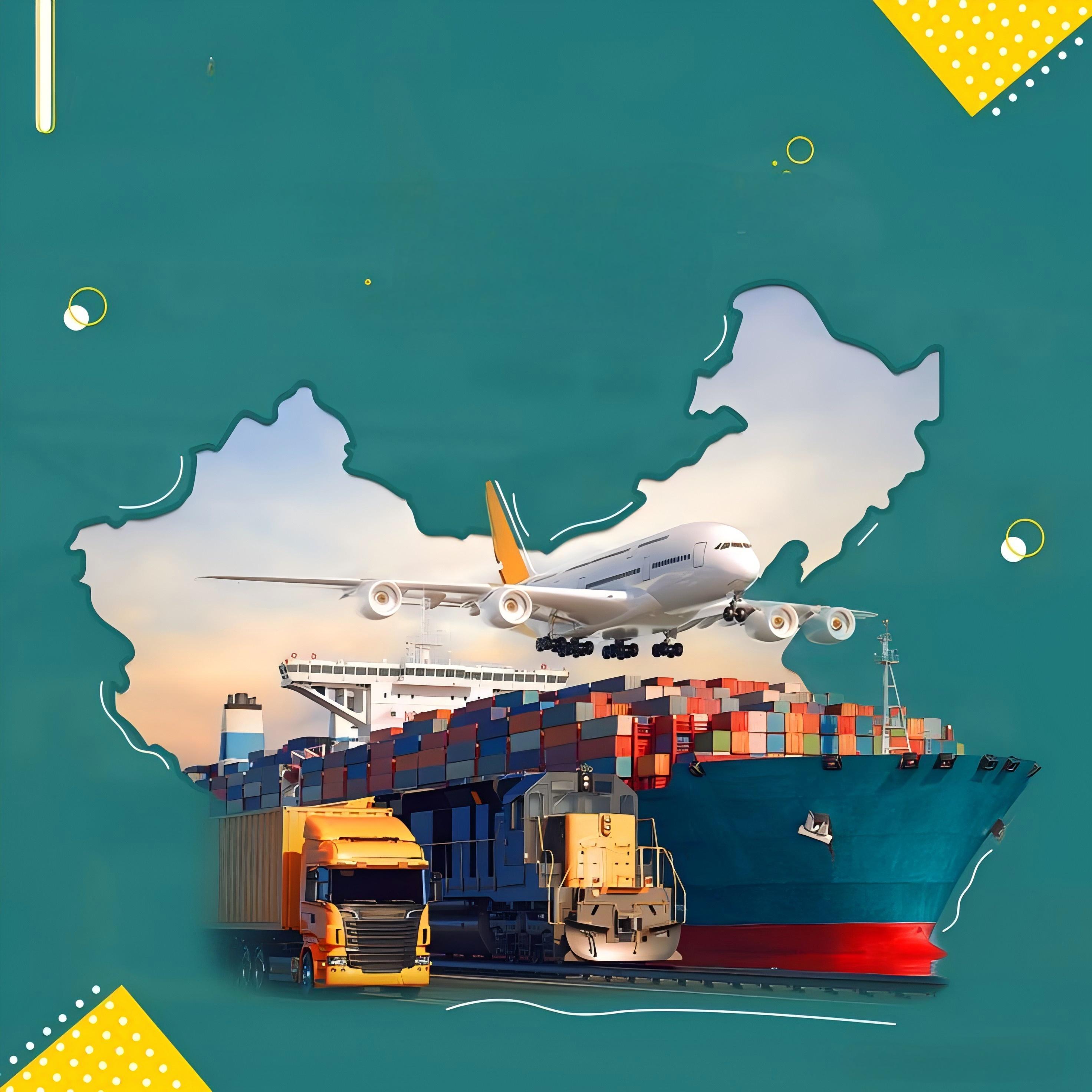
Navigating international trade laws requires expert knowledge of tariff codes and import regulations in various countries. Professional customs brokerage services ensure that your documentation is perfect before the cargo reaches the border. Consequently, this prevents costly storage fees and legal complications that can arise from incorrect filings.
Every shipment must include a detailed commercial invoice, a packing list, and a bill of lading. Moreover, certain products like electronics or toys may require specific safety certifications for the destination market. Without a doubt, preparing these documents in advance is the best way to ensure a smooth transition through customs.
Door to Door Solutions for Global Amazon Sellers
Simplified logistics models allow entrepreneurs to focus on marketing and sales rather than worrying about truck schedules. Implementing door to door shipping means your forwarder handles everything from the Chinese factory to the final Amazon facility. Indeed, this end-to-end service usually includes all local trucking, ocean freight, and final mile delivery.
Tracking becomes much simpler when a single entity manages the entire journey of your goods. Specifically, you receive a single tracking number or dashboard access to monitor every milestone of the shipment. Therefore, this model is highly recommended for sellers who prefer a hands-off approach to their international logistics.
Real Case Study 1: Sea Freight to USA West Coast
Case Study Summary: A mid-sized seller moved 12 CBM of kitchenware from Ningbo to Los Angeles. By choosing LCL sea freight, they maintained a low landed cost while ensuring the inventory arrived before the holiday rush.
Route: Ningbo, China to Los Angeles, USA. Cargo: Kitchenware, 12 CBM, 2500 kg. Container: LCL. Shipping Details: Carrier: COSCO. Port of Loading: Ningbo. Port of Discharge: Los Angeles. Route Type: Direct. Cost Breakdown: Ocean Freight: $1,950. Origin Charges: $450. Destination Charges: $650. Customs and Duties: $1,200. Total Landed Cost: $4,250. Timeline: Booking to Loading: 4 days. Sea Transit: 16 days. Customs Clearance: 3 days. Total Door-to-Door: 28 days. Key Insight: Early booking allowed the seller to secure a lower rate before the Q4 peak season price hike.
Real Case Study 2: Air Freight to European Markets
Case Study Summary: An electronics brand needed to replenish stock quickly in Germany to avoid losing their Amazon Buy Box status. They utilized premium air freight to move high-value components in under two weeks.
Route: Shenzhen, China to Frankfurt, Germany. Cargo: Consumer Electronics, 2 CBM, 450 kg. Method: Premium Air Freight. Shipping Details: Carrier: Lufthansa Cargo. Port of Loading: Shenzhen. Port of Discharge: Frankfurt. Route Type: Direct. Cost Breakdown: Air Freight: $2,475. Origin Charges: $300. Destination Charges: $400. Customs and Duties: $950. Total Landed Cost: $4,125. Timeline: Booking to Loading: 2 days. Air Transit: 2 days. Customs Clearance: 2 days. Total Door-to-Door: 10 days. Key Insight: The speed of air freight preserved the seller’s organic ranking by preventing an out-of-stock scenario.

Which Option Should You Choose? A Decision Framework
Determining the ideal strategy requires a clear understanding of your business priorities and current cash flow. If your primary goal is maximizing profit margins, sea freight is almost always the superior choice for bulk inventory. On the other hand, if you are launching a new product and need to test the market quickly, express service provides the necessary speed.
Volume thresholds also play a critical role in your decision-making process for international shipments. Typically, once your shipment exceeds 15 CBM, a full container load (FCL) becomes more cost-effective than less than container load (LCL). Furthermore, consider the seasonal demand; rates often spike during the months leading up to the Chinese New Year or Western holidays.
| Priority | Recommended Method | Reasoning | Volume Threshold |
|---|---|---|---|
| Lowest Cost | Sea Freight LCL | Economies of scale | Under 15 CBM |
| Maximum Speed | Express/Air | Direct flight routes | Under 500 kg |
| Balance | Rail Freight | Faster than sea | Moderate volume |
| Efficiency | Sea Freight FCL | Lower per-unit cost | Over 15 CBM |
Strategies for Reducing Shipping Costs and Transit Times
Consolidating shipments from multiple suppliers into a single container can significantly lower your total logistics spend. By working with a forwarder who offers warehouse consolidation in China, you avoid paying multiple minimum charges for small orders. Additionally, optimizing your packaging to reduce dead space ensures you are not paying to ship air across the ocean.
Negotiating long-term contracts with carriers can provide price stability during volatile market conditions. Meanwhile, staying informed about port congestion and labor strikes allows you to reroute shipments to less busy entry points. As a result, proactive management of these variables leads to a more resilient and cost-effective supply chain.
Final Thoughts on Amazon FBA Logistics
Mastering the nuances of Amazon FBA shipping China with tracking is a journey that requires constant attention to market trends and carrier performance. By utilizing the right mix of sea, air, and express services, you can maintain high inventory levels while keeping costs under control. Transitioning to a professional freight forwarding partner provides the visibility and reliability needed to thrive in the global marketplace.
Successful sellers prioritize transparency and data-driven decisions throughout their entire supply chain. Whether you are shipping to North America, Europe, or Australia, having a trusted logistics partner makes all the difference. Start optimizing your shipping strategy today to secure your competitive advantage for the coming year.

Ready to streamline your logistics?
Optimizing your Amazon FBA shipping China with tracking is the most effective way to scale your e-commerce operations. Our team at China Freight World provides tailored logistics solutions that ensure your inventory arrives safely and on schedule. Contact us today for a personalized quote and expert guidance on your next shipment. Send Inquiry: https://chinafreightworld.com/
Request Quote