
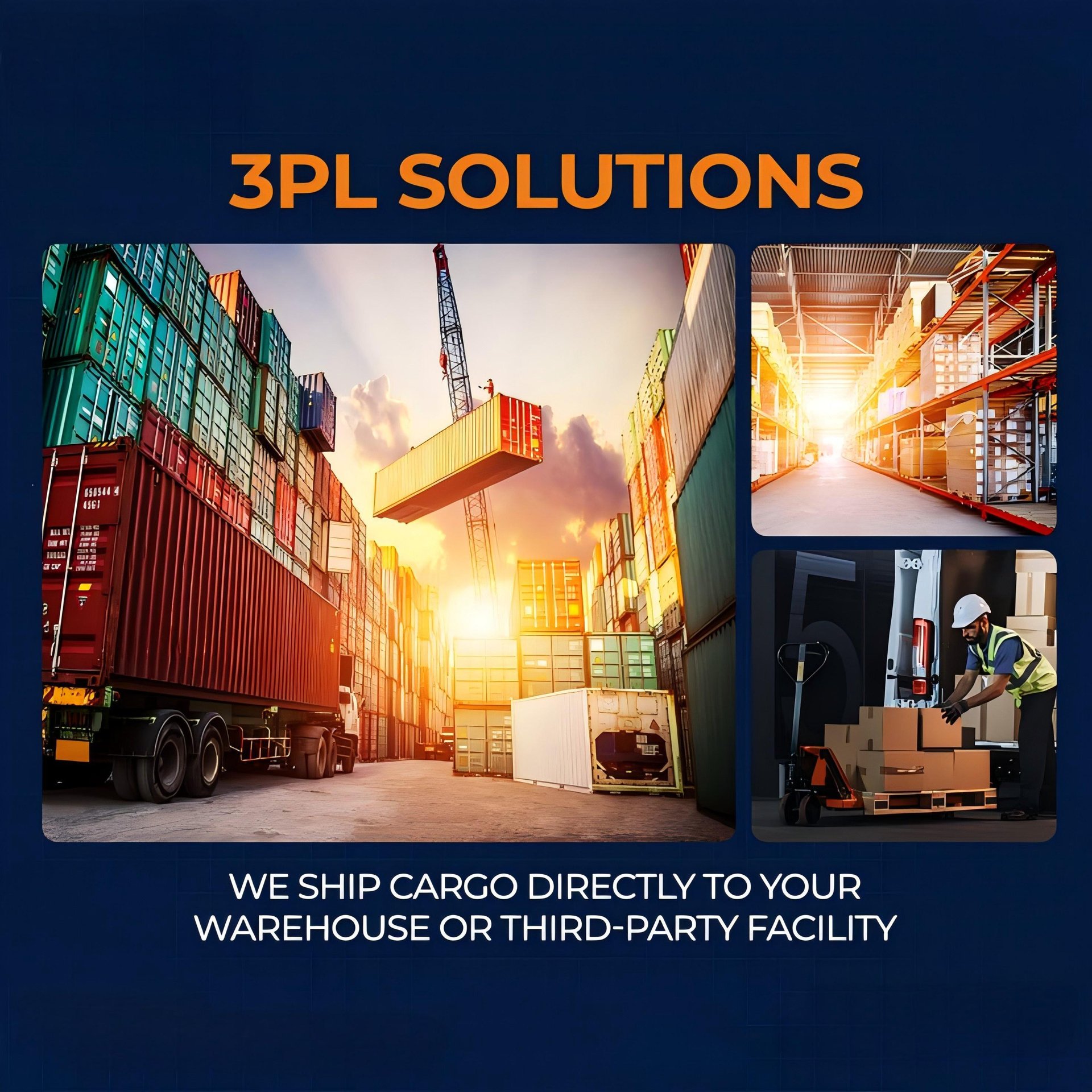
China to Australia Sea Freight Agent: The Ultimate Shipping Guide
Successfully importing goods requires a strategic approach and a reliable logistics partner. Working with a dedicated China Freight World expert ensures your supply chain remains efficient and cost-effective. A professional china to australia sea freight agent manages the complexities of international transport, allowing you to focus on growing your business operations.
Why You Need a China to Australia Sea Freight Agent
Navigating the waters of international trade involves more than just booking a container. Specifically, a china to australia sea freight agent provides the local expertise needed to handle complex regulations in both countries. They act as your representative, negotiating with carriers to secure the most competitive rates available.
Furthermore, these agents manage the intricate documentation required for smooth transit. Without professional oversight, shipments often face delays at major ports like Shanghai or Sydney. Consequently, having a partner who understands the nuances of the China-Australia trade route is essential for maintaining your delivery schedule.
Logistics professionals also offer specialized advice on cargo handling and packaging. For instance, they can recommend the best way to secure fragile items for a long ocean voyage. Meanwhile, they provide real-time tracking so you always know the status of your inventory during the shipping from China to Australia process.
Moreover, a freight forwarder can help you navigate the complexities of Australian biosecurity laws. Because Australia has strict quarantine regulations, expert guidance is necessary to avoid hefty fines or cargo rejection. Therefore, investing in a qualified agent is a proactive step toward ensuring business continuity.
How Does Sea Freight Compare to Other Shipping Options?
Choosing the right transportation method depends heavily on your budget and timeline. While sea freight is the most economical choice for large volumes, it is not always the fastest. Businesses must weigh the cost savings against the longer transit times associated with ocean transport.
In contrast, Air Freight offers rapid delivery for high-value or time-sensitive products. However, the costs for air transport can be significantly higher, often making it unsuitable for bulky items. Most importers utilize sea freight for their primary stock while reserving air transport for urgent replenishments.
Additionally, hybrid solutions like sea-air combinations can offer a middle ground. These services aim to balance cost and speed by utilizing different modes of transport for different legs of the journey. Nevertheless, for the China-Australia route, direct sea freight remains the dominant choice due to the geographical proximity and established maritime lanes.
| Shipping Method | Cost Range | Transit Time | Best For |
|---|---|---|---|
| Sea Freight (FCL) | $800 – $2,000 per 20GP | 12 – 25 Days | Bulk goods and large inventory |
| Sea Freight (LCL) | $50 – $120 per CBM | 18 – 30 Days | Small shipments under 15 CBM |
| Air Freight | $4.50 – $9.00 per kg | 3 – 7 Days | High-value or urgent cargo |
| Express Service | $7.00 – $15.00 per kg | 2 – 5 Days | Samples and documents |

Understanding FCL vs LCL Shipping Methods
Full Container Load (FCL) is the preferred method for businesses moving enough goods to fill a 20-foot or 40-foot container. This option provides the highest level of security since the container is dedicated solely to your products. Furthermore, FCL shipments generally involve less handling, which reduces the risk of damage during transit.
Less than Container Load (LCL) is ideal for smaller shipments that do not require a full container. In this scenario, your cargo shares space with goods from other importers. While this is more cost-effective for low volumes, it often results in longer transit times due to the consolidation and deconsolidation processes.
Specifically, if your shipment volume exceeds 15 cubic meters, switching to a 20-foot FCL container is usually more economical. On the other hand, for volumes under 10 cubic meters, LCL remains the most budget-friendly approach. Your freight agent can provide a detailed cost-benefit analysis based on your specific cargo dimensions.
| Feature | FCL (Full Container) | LCL (Shared Container) | Recommendation |
|---|---|---|---|
| Security | High (Sealed at origin) | Moderate (Handled more) | FCL for fragile goods |
| Cost | Fixed price per container | Price per cubic meter | LCL for small loads |
| Speed | Faster (Direct) | Slower (Consolidation) | FCL for tight deadlines |
Key Documentation and Customs Brokerage
Successful importing requires meticulous attention to paperwork and regulatory compliance. Every shipment must be accompanied by a commercial invoice, a detailed packing list, and a bill of lading. Additionally, specialized certificates like the China-Australia Free Trade Agreement (ChAFTA) COO can significantly reduce or eliminate import duties.
Working with an expert in customs brokerage is highly recommended to navigate these requirements. They ensure that all goods are correctly classified under the Harmonized System (HS) codes. Incorrect classification can lead to overpayment of taxes or legal complications with Australian Border Force.
Moreover, certain products require specific permits or treatments before they can enter Australia. For instance, wooden packaging must often be fumigated to meet biosecurity standards. A professional agent will verify that all treatments are completed and documented before the vessel departs China.
Realistic Case Studies: China to Australia Logistics
Case Study 1: Furniture Import Success +———————————————————+ Route: Foshan, China to Melbourne, Australia Cargo: Residential Furniture, 68 CBM, 14500 kg Container: 40HQ Shipping Details: – Carrier: COSCO Shipping – Port of Loading: Nansha, China – Port of Discharge: Port of Melbourne – Route Type: Direct Cost Breakdown: – Ocean Freight: $1,650 – Origin Charges: $350 – Destination Charges: $520 – Customs and Duties: $1,200 (ChAFTA applied) – Total Landed Cost: $3,720 Timeline: – Booking to Loading: 4 days – Sea Transit: 16 days – Customs Clearance: 2 days – Total Door-to-Door: 22 days Key Insight: By utilizing ChAFTA documentation, the importer saved 5 percent on import duties, significantly improving their profit margin. +———————————————————+
Case Study 2: Electronics Component LCL Shipment +———————————————————+ Route: Shenzhen, China to Sydney, Australia Cargo: Electronic Components, 4.5 CBM, 900 kg Container: LCL Service Shipping Details: – Carrier: Major LCL Consolidator – Port of Loading: Shenzhen (Yantian) – Port of Discharge: Port Botany (Sydney) – Route Type: Transshipment via Singapore Cost Breakdown: – Ocean Freight: $405 ($90 per CBM) – Origin Charges: $180 – Destination Charges: $290 – Customs and Duties: $850 – Total Landed Cost: $1,725 Timeline: – Booking to Loading: 6 days – Sea Transit: 24 days – Customs Clearance: 3 days – Total Door-to-Door: 33 days Key Insight: While transshipment added 7 days to the transit time, the LCL model allowed the small business to maintain low inventory costs. +———————————————————+
Note: Freight rates are subject to change based on fuel costs, carrier capacity, and seasonal demand. Contact us for a current quote tailored to your specific shipment.
Factors Affecting Shipping Costs and Transit Times
Several variables influence the final price you pay for logistics services. Fuel surcharges, also known as Bunker Adjustment Factors (BAF), fluctuate based on global oil prices. Furthermore, peak seasons, such as the lead-up to the Christmas holidays, often see significant price spikes due to high demand.
Port congestion is another critical factor that can impact your delivery schedule. Major hubs like Shanghai or Ningbo may experience delays during extreme weather or labor strikes. Consequently, a proactive freight agent will monitor these conditions and suggest alternative routes if necessary.
Currency fluctuations between the US Dollar and the Chinese Yuan also play a role in pricing. Most international freight is quoted in USD, so changes in exchange rates can affect your total landed cost. Therefore, it is wise to factor in a small buffer when budgeting for your international shipments.
How to Select a China to Australia Sea Freight Agent
Choosing the right partner is vital for a smooth importing experience. You should look for an agent with a proven track record of handling the China-Australia route specifically. In addition, ensure they offer comprehensive door to door services to simplify your logistics chain.
Transparency in pricing is another hallmark of a reputable china to australia sea freight agent. They should provide a detailed quote that breaks down all origin and destination charges. Avoid agents who offer unusually low rates but hide significant fees in the fine print.
Communication is equally important when managing international shipments. A good agent provides regular updates and is easily reachable to answer your questions. Specifically, verify that they have a local presence or strong partnerships in both China and Australia to handle on-ground issues effectively.
Which Option Should You Choose? Decision Framework
If budget is your primary priority, sea freight is undoubtedly the best choice for almost any shipment over 1 CBM. For those with a speed priority, air freight is necessary despite the higher costs. Most established businesses find that a balanced approach works best for their supply chain.
When considering cargo type, bulky or heavy items like machinery and furniture are naturally suited for ocean transport. Conversely, perishable goods or high-tech electronics may require the speed and climate control of air transport. Always consult with your agent to determine the most appropriate method for your specific product line.
Volume thresholds are also a key consideration. If your shipment is between 12 and 15 CBM, you should compare the cost of a full 20GP container against LCL rates. Often, the FCL option becomes more economical at this point due to lower destination handling fees.
Final Thoughts on China to Australia Logistics
In summary, navigating the international shipping landscape requires a combination of planning and professional support. By partnering with a reliable china to australia sea freight agent, you can overcome common challenges like customs delays and fluctuating rates. This guide has highlighted the importance of choosing the right shipping method and maintaining accurate documentation.
Ultimately, the success of your import business depends on the efficiency of your supply chain. Whether you choose FCL or LCL, having a knowledgeable partner ensures your goods reach their destination safely and on time. Take the next step toward logistics excellence by choosing a partner who understands your unique business needs.

Need a tailored shipping solution?
Are you ready to streamline your logistics and reduce your shipping costs? Contact our team today to receive a customized quote from an expert china to australia sea freight agent. Visit our contact page to Send Inquiry and start your shipping journey with confidence.