

China to Europe Freight Service for Business: 2024 Logistics Guide
Securing a reliable China to Europe freight service for business is a fundamental requirement for companies aiming to thrive in the modern global economy. Many organizations face significant hurdles such as unpredictable shipping costs, volatile transit times, and intricate customs regulations when importing from manufacturing hubs in Asia. This comprehensive guide provides the strategic insights and logistical solutions necessary to streamline your Eurasian supply chain and ensure your cargo arrives safely and on schedule.

Current Market Trends for China to Europe Freight
Navigating the logistics landscape in 2024 requires a keen understanding of shifting global trends and geopolitical factors. Consequently, businesses must stay informed about the ongoing disruptions in the Red Sea, which have forced many maritime carriers to divert around the Cape of Good Hope. This change has led to increased transit times and higher fuel surcharges for most sea routes.
Moreover, the demand for sustainable shipping solutions is growing among European enterprises. Many companies are now prioritizing carriers that offer carbon-offset programs or use more fuel-efficient vessels. Additionally, the digital transformation of the logistics sector has made real-time tracking and automated documentation standard expectations for any professional freight service.
Freight rates have stabilized somewhat after the extreme fluctuations seen in previous years. However, seasonal peaks during the third and fourth quarters still cause temporary price spikes. Businesses that plan their shipments at least six to eight weeks in advance often secure more favorable rates and guaranteed space on vessels or trains.
How Does China to Europe Freight Service for Business Compare to Other Shipping Options?
Choosing the right transportation mode involves balancing cost, speed, and reliability. While sea freight remains the most economical choice for large volumes, rail freight offers a compelling middle ground for those needing faster delivery without the high cost of air transport. Each method serves a specific business need depending on the cargo type and urgency.
For instance, air freight is the go-to solution for high-value electronics or seasonal fashion items that must hit shelves immediately. In contrast, heavy industrial machinery or bulk raw materials are almost exclusively moved via ocean carriers. Understanding these trade-offs is essential for maintaining a healthy profit margin and meeting customer expectations.
Hybrid solutions, such as sea-air or rail-sea combinations, are also gaining popularity. These strategies allow businesses to optimize their logistics by using slower, cheaper methods for the long haul and faster methods for the final leg. This flexibility is particularly useful when responding to sudden changes in market demand or supply chain bottlenecks.
| Shipping Method | Cost Range | Transit Time | Best For |
|---|---|---|---|
| Sea Freight (FCL) | $2,500 – $4,500 | 30-45 Days | Large volumes/Bulk |
| Rail Freight | $4,000 – $7,000 | 18-24 Days | Mid-size shipments |
| Air Freight | $5.50 – $9.50/kg | 5-9 Days | Urgent/High-value |
| Road Freight | $8,000 – $12,000 | 20-25 Days | Flexible routing |
Strategic Benefits of Sea Freight for European Commerce
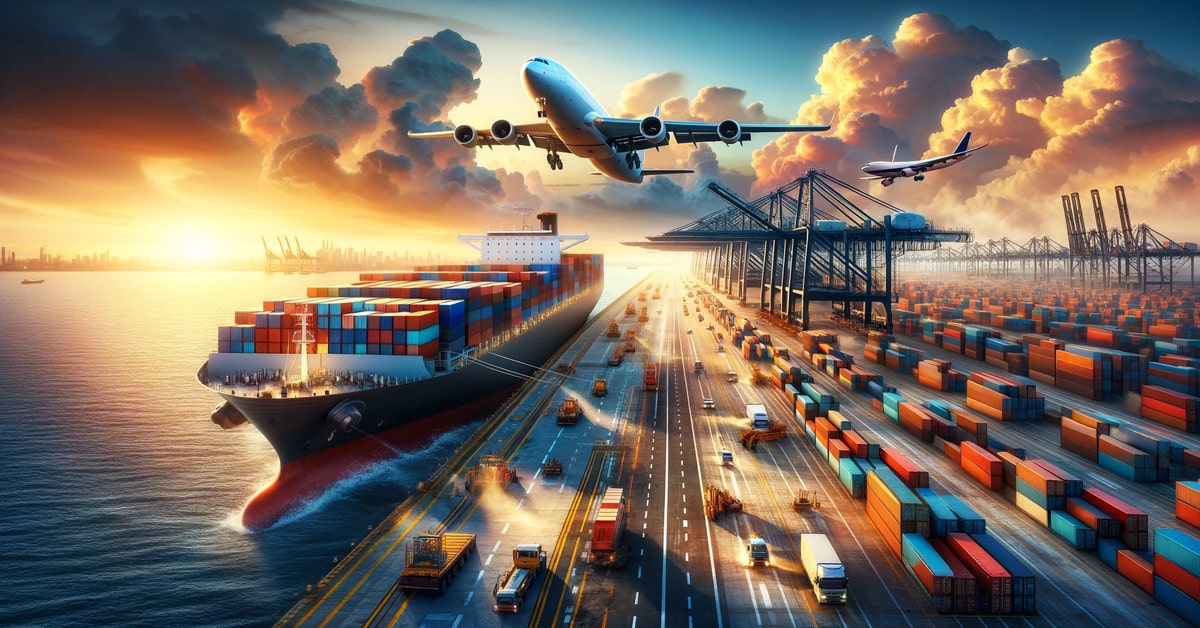
Utilizing sea freight is often the most cost-effective strategy for businesses managing massive inventory levels. This method allows for the transport of Full Container Loads (FCL) or Less than Container Loads (LCL), providing scalability for both large corporations and growing SMEs. Furthermore, the cost per unit is significantly lower when shipping by sea compared to any other mode.
Reliability in ocean shipping has improved as carriers invest in larger, more technologically advanced ships. Nevertheless, port congestion at major European hubs like Rotterdam or Hamburg can still cause delays. To mitigate this risk, many businesses work with experienced freight forwarders who can reroute cargo to less crowded secondary ports.
Environmental considerations also play a role in the preference for maritime transport. Although ships use heavy fuel, the carbon footprint per ton-kilometer is much lower than that of air transport. Consequently, sea freight remains a cornerstone of sustainable long-distance trade between China and Europe.
Rail Freight: The Fast Track to Continental Europe
Implementing rail freight solutions has revolutionized the way businesses think about the Silk Road. This method is roughly twice as fast as sea freight and significantly cheaper than air freight. As a result, it has become the preferred choice for automotive parts, industrial components, and consumer goods with a medium shelf life.
The China-Europe Railway Express connects dozens of Chinese cities directly to European terminals in Poland, Germany, and France. This direct connectivity reduces the need for multiple handling stages, which in turn lowers the risk of cargo damage. Additionally, rail transport is less affected by weather conditions compared to sea or air routes.
Transit times for rail shipments typically range from 15 to 22 days, depending on the specific origin and destination cities. While the cost is higher than sea freight, the reduction in inventory carrying costs often justifies the investment. For many businesses, the speed-to-market advantage provided by rail is a key driver of their competitive strategy.
Air Freight Solutions for High-Value Business Cargo
When time is the most critical factor, air freight provides the ultimate solution for international trade. This mode is indispensable for product launches, emergency restocking, or transporting perishable goods. Furthermore, the high level of security at airports makes it the safest option for extremely high-value items like jewelry or specialized medical equipment.
Air cargo rates are primarily determined by weight and volume, meaning businesses must optimize their packaging to minimize costs. Despite the higher price tag, the speed of delivery allows companies to maintain leaner inventories and react quickly to market trends. In the fast-paced world of e-commerce, this agility is often the difference between success and failure.
Supply chain managers should also consider the reliability of air schedules, which are far more consistent than maritime departures. Even during peak seasons, the sheer number of daily flights between major Chinese hubs and European capitals ensures that cargo keeps moving. Consequently, air freight remains a vital component of a diversified logistics strategy.
Essential Customs Brokerage and Compliance Strategies
Navigating the complexities of European import regulations requires professional customs brokerage services. Each European Union member state may have specific requirements, and non-compliance can lead to costly delays or heavy fines. Therefore, having an expert to manage the documentation process is not just a convenience but a necessity for business continuity.
Accurate classification of goods using the correct Harmonized System (HS) codes is the first step in ensuring a smooth customs clearance process. This classification determines the duties and taxes applicable to your shipment. In addition, businesses must ensure that all commercial invoices, packing lists, and certificates of origin are meticulously prepared and consistent.
Customs authorities are increasingly focused on safety and environmental standards, particularly for electronics and chemical products. Consequently, ensuring that your goods meet all CE marking requirements and REACH regulations is vital. A proactive approach to compliance will prevent your cargo from being held at the border, ensuring a seamless flow in your supply chain.
| Document Name | Purpose | Required By | Criticality |
|---|---|---|---|
| Commercial Invoice | Valuation of goods | Customs/Bank | High |
| Packing List | Details of contents | Carrier/Customs | High |
| Bill of Lading | Title to the goods | Carrier/Importer | High |
| Cert. of Origin | Proof of manufacture | Customs | Medium |
Door to Door Logistics: Simplifying the Supply Chain
Opting for a door to door service eliminates the logistical headache of managing multiple providers. This all-inclusive solution covers everything from factory pickup in China to final delivery at your European warehouse. By consolidating these services under a single point of contact, businesses can significantly reduce administrative overhead and communication errors.
Efficiency is the primary driver for choosing end-to-end logistics. The freight forwarder manages the trucking, international transport, customs clearance, and final mile delivery. As a result, business owners can focus on their core operations rather than getting bogged down in the minutiae of transport coordination.
Transparency is also greatly enhanced through integrated tracking systems that provide updates at every stage of the journey. Whether your cargo is on a truck in Shenzhen, a ship in the Indian Ocean, or a van in Paris, you will always know its exact status. This level of visibility is crucial for managing customer expectations and planning warehouse operations.
Decision Framework: Which Freight Option Should You Choose?
Determining the best shipping method depends on several key variables, including budget, urgency, and cargo characteristics. If your primary goal is cost reduction and you have a flexible timeline, sea freight is the logical choice. However, if you are dealing with a stockout or a time-sensitive contract, the speed of air freight will justify its higher cost.
Volume thresholds also play a significant role in this decision. For shipments smaller than 15 cubic meters, Less than Container Load (LCL) sea freight or rail freight are usually the most economical options. Once you exceed 15-20 cubic meters, moving to a Full Container Load (FCL) becomes more cost-effective due to the flat-rate pricing of the container.
Cargo type considerations cannot be ignored, as some goods are better suited for specific environments. For example, temperature-sensitive pharmaceuticals require specialized reefer containers or temperature-controlled air cargo space. Ultimately, a balanced logistics portfolio often includes a mix of all three modes to provide the necessary flexibility for different product lines.
Real-World Shipping Case Studies
Analyzing actual shipping scenarios helps businesses understand the practical application of different freight strategies. Below are two detailed examples based on typical market rates and routes from 2023 and early 2024. These cases illustrate the cost and time trade-offs involved in Eurasian logistics.
Case Study 1: Electronics to Germany. Route: Shenzhen to Hamburg. Cargo: Tablets and Laptops, 32 CBM, 6500 kg. Container: 40HQ Sea Freight. Details: Major carrier, Shenzhen Port, Hamburg Port, Direct route. Ocean Freight: $3,400. Origin Charges: $450. Destination Charges: $550. Customs: $250. Total Landed Cost: $4,650. Timeline: Booking to Loading 4 days, Sea Transit 34 days, Customs 2 days, Total 40 days.
Case Study 2: Automotive Parts to Poland. Route: Chengdu to Warsaw. Cargo: Engine components, 12 CBM, 4000 kg. Method: Rail Freight LCL. Details: China-Europe Railway Express, Chengdu Station, Warsaw Terminal. Rail Freight: $2,100. Origin Charges: $350. Destination Charges: $400. Customs: $200. Total Landed Cost: $3,050. Timeline: Booking to Loading 5 days, Rail Transit 19 days, Customs 3 days, Total 27 days.
Note: Freight rates are subject to change based on fuel costs, carrier capacity, and seasonal demand. Contact us for a current quote tailored to your specific shipment.

Mastering Your China to Europe Freight Strategy
Successfully managing a China to Europe freight service for business requires a strategic approach that balances cost, speed, and compliance. By understanding the unique advantages of sea, rail, and air freight, companies can build a resilient supply chain that adapts to global market shifts. Whether you are shipping bulk industrial goods or high-value consumer electronics, the right logistics partner is essential for navigating the complexities of international trade.
Ultimately, the goal is to ensure that your products reach their destination in the most efficient and cost-effective manner possible. Continuous monitoring of market trends and maintaining a flexible logistics strategy will allow your business to overcome challenges and capitalize on new opportunities. Start optimizing your Eurasian shipping routes today to secure your company’s future in the global marketplace.
Get Your Shipping Quote Today
Ready to optimize your supply chain with a reliable China to Europe freight service for business? Contact China Freight World today to receive a customized quote and expert guidance for your next shipment. Send Inquiry
Request Quote