
Ocean Freight From China for Amazon Sellers: The Ultimate 2025 Shipping Guide
Ocean freight from China for Amazon sellers remains the most cost-effective method for scaling an e-commerce business globally. When you partner with China Freight World, you unlock professional logistics solutions tailored for high-volume inventory. This guide explores how to navigate complex international waters while protecting your profit margins through smarter shipping choices.
Why Choose Ocean Freight From China for Amazon Sellers?
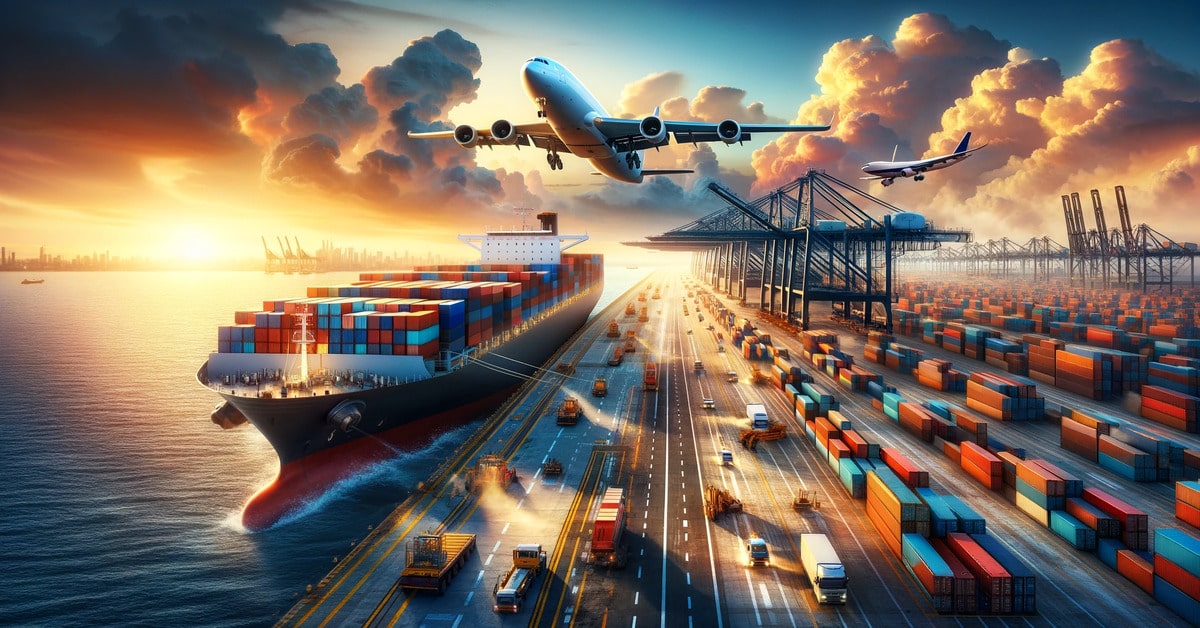
Ocean freight offers unparalleled capacity for sellers moving large volumes of inventory from Asian manufacturing hubs. Specifically, the cost per unit is significantly lower compared to air or express services.
Furthermore, sea transport is the only viable option for oversized or heavy items that exceed air freight weight limits. Consequently, many sellers find that ocean routes provide the stability needed for long-term supply chain planning.
However, the primary trade-off is the longer transit time associated with maritime routes. Therefore, successful sellers must plan their inventory cycles several months in advance to avoid stockouts during peak shopping seasons.
Indeed, managing ocean freight from China for Amazon sellers requires a deep understanding of lead times and port operations. By utilizing sea freight, you can maximize your ROI on every shipment.
Choosing Between FCL and LCL for Amazon Shipments
Full Container Load (FCL) and Less than Container Load (LCL) are the two primary modes of sea transport. Generally, FCL is faster and more secure because your goods occupy an entire container.
In contrast, LCL involves sharing container space with other shippers. While this is cheaper for smaller volumes, it often involves more handling and potential delays at consolidation warehouses.
As a result, sellers moving more than 15 cubic meters (CBM) usually find FCL to be more economical. Meanwhile, smaller shipments benefit from the flexibility of LCL pricing models.
To summarize, your choice depends on your current inventory needs and budget constraints. Many Amazon FBA sellers start with LCL and transition to FCL as their sales volume grows.
| Volume | 1 – 15 CBM | Over 15 CBM | Scalability |
| Cost Basis | Per Cubic Meter | Flat Rate per Container | Budgeting |
| Risk | Higher (Handling) | Lower (Sealed) | Safety |
| Speed | Slower (Sorting) | Faster (Direct) | Urgency |
How Does Ocean Freight Compare to Other Shipping Options?
Ocean freight is the most economical choice for bulk goods, but it is not the only option available. For example, air freight provides speed for urgent restocks but at a much higher price point.
Additionally, rail freight has emerged as a middle-ground solution for shipments heading to Europe. It offers faster transit than the sea but remains cheaper than the air.
Without a doubt, each method serves a specific purpose in an e-commerce supply chain. Analyzing the trade-offs between cost and speed is essential for maintaining a competitive edge.
Note: Freight rates are subject to change based on fuel costs, carrier capacity, and seasonal demand. Contact us for a current quote tailored to your specific shipment.
| Ocean Freight | $0.50 – $1.50 | 30 – 45 Days | Bulk Inventory |
| Air Freight | $5.00 – $12.00 | 5 – 10 Days | Urgent Restocks |
| Rail Freight | $1.50 – $3.00 | 18 – 25 Days | Mid-range Speed |
| Express | $8.00 – $15.00 | 3 – 5 Days | Samples |
Understanding the Cost of Ocean Freight From China for Amazon Sellers
Shipping costs consist of several components beyond the basic ocean freight rate. For instance, you must account for terminal handling charges, documentation fees, and customs duties.
Moreover, the final delivery to an Amazon fulfillment center involves trucking costs that can vary by region. Specifically, North America routes often face different surcharges than European routes.
Consequently, calculating the landed cost per unit is vital for pricing your products correctly. Always include a buffer for unexpected port congestion or storage fees.
Furthermore, utilizing a customs brokerage can help prevent costly delays at the border. Professional oversight ensures all tariffs are calculated accurately from the start.
| USA West Coast | $1,600 – $2,300 | $2,900 – $3,900 | 15-20 Days |
| USA East Coast | $2,600 – $3,600 | $4,600 – $6,100 | 30-35 Days |
| Europe (Main) | $1,900 – $2,600 | $3,100 – $4,300 | 30-40 Days |
| Australia | $900 – $1,300 | $1,500 – $2,100 | 14-20 Days |
Essential Customs Documentation for Amazon Sellers
Importing goods requires precise paperwork to satisfy both Chinese export laws and the destination country’s import regulations. For example, the Bill of Lading is the most critical document in the process.
In addition, you must provide a Commercial Invoice and a Packing List that matches the physical cargo perfectly. Discrepancies in these documents can lead to severe fines or shipment seizures.
Meanwhile, certain products like electronics or toys may require specific safety certificates. Therefore, checking compliance requirements before the ship leaves China is a mandatory step for all sellers.
Indeed, many successful entrepreneurs use door to door services to handle these complexities. This approach allows you to focus on marketing while experts manage the regulatory hurdles.
Real-World Examples of Ocean Freight Success
Case Study 1: Electronics Restock to USA. Route: Shenzhen to Los Angeles. Cargo: 1,200 units of power banks, 8 CBM LCL. Total Landed Cost: $2,450. Transit Time: 22 days. Key Insight: Consolidating LCL saved the seller 60% compared to air freight during the Q4 peak.
Case Study 2: Home Decor to Germany. Route: Ningbo to Hamburg. Cargo: 40HQ Full Container. Total Landed Cost: $5,800 (including duties). Transit Time: 36 days. Key Insight: Booking 4 weeks in advance secured a rate 15% lower than market average.
Case Study 3: Outdoor Gear to Australia. Route: Shanghai to Sydney. Cargo: 20GP Container. Total Landed Cost: $2,100. Transit Time: 16 days. Key Insight: Direct sailing prevented transshipment delays common in peak summer months.
Note: These examples are based on early 2024 market rates. Actual costs vary based on current carrier capacity and fuel surcharges.

Which Shipping Option Should You Choose?
Determining the right strategy depends on your specific business priorities. If your primary goal is cost reduction, ocean freight is the undisputed winner for bulk inventory.
On the other hand, if you are launching a new product and need to test the market quickly, a hybrid approach might work best. For instance, send 10% via air and 90% via sea.
Furthermore, consider the volume of your goods. Shipments under 1 CBM are often better suited for express services, while anything larger should move toward maritime options.
Ultimately, the best choice balances the need for speed with the necessity of maintaining healthy margins. Consult with a freight forwarder to map out your annual shipping calendar.
Mastering Your Amazon Supply Chain
Successfully managing ocean freight from China for Amazon sellers is a milestone in e-commerce growth. By understanding the nuances of FCL, LCL, and customs compliance, you position your brand for sustainable profitability.
As market conditions shift, staying informed about transit times and freight rates will remain your greatest advantage. Start planning your next shipment today to stay ahead of the competition.
Need a tailored shipping solution?
Ready to optimize your supply chain and reduce costs? Our team specializes in ocean freight from China for Amazon sellers to ensure your inventory arrives safely and on time. Send Inquiry and get a tailored quote from China Freight World today.