
China B2B Shipping Service International Shipping Guide
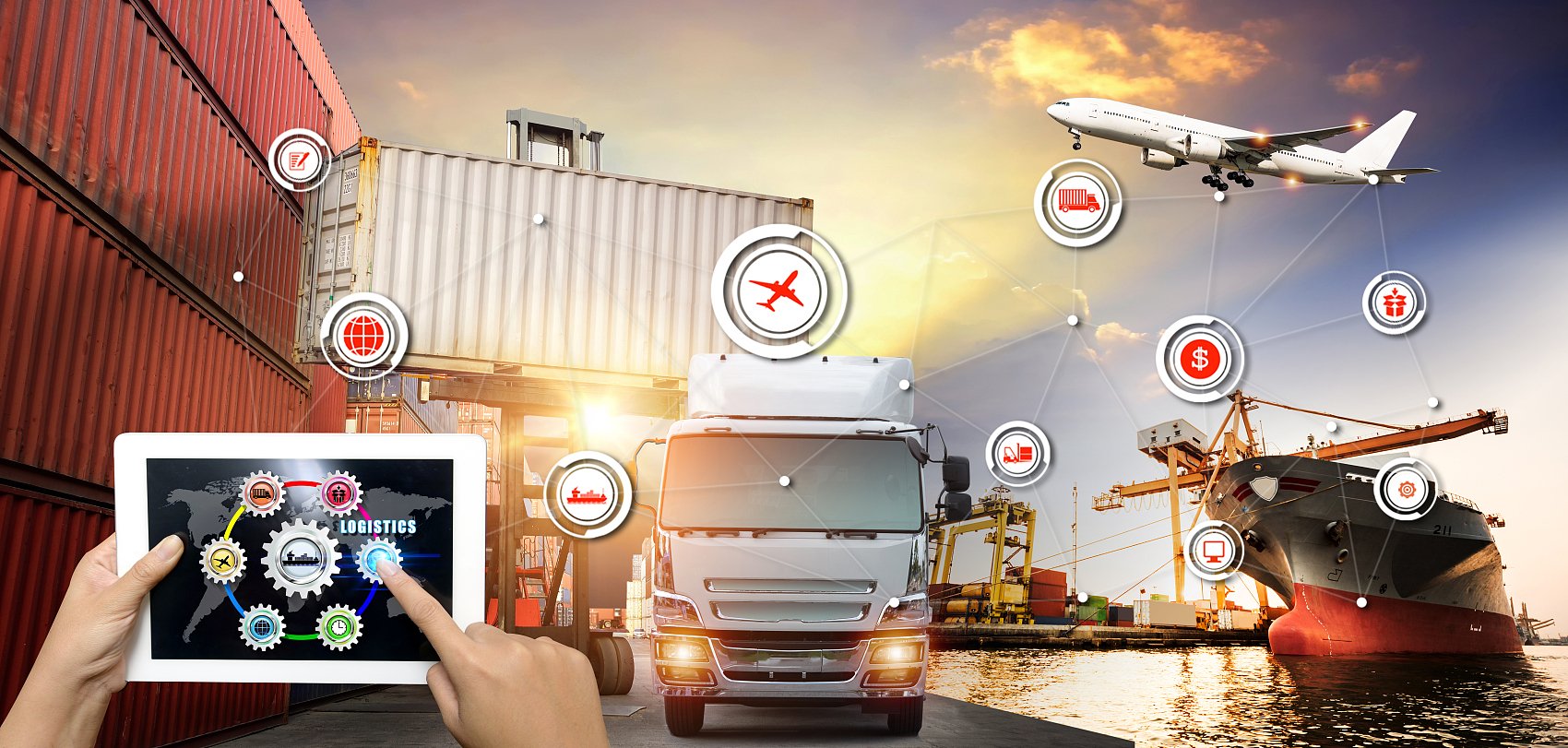
China B2B shipping service international shipping solutions are the backbone of modern global commerce. Companies frequently struggle with the complexities of moving bulk inventory across borders while maintaining profitability. China Freight World offers specialized logistics management to simplify these operations and ensure your cargo reaches its destination safely.
What is China B2B Shipping Service International Shipping?
Business-to-business logistics involves the bulk transportation of goods from manufacturers in China to companies worldwide. This process requires a sophisticated understanding of freight forwarding, warehousing, and multi-modal transport. Consequently, choosing the right partner is vital for maintaining a healthy supply chain.
Reliable providers handle everything from the initial pickup at the factory to final delivery at your warehouse. Moreover, they manage the intricate details of cargo consolidation and scheduling. Therefore, businesses can focus on sales while the logistics experts handle the heavy lifting of international movement.
Specifically, these services cater to wholesalers, retailers, and industrial manufacturers who need consistent cargo flow. In addition, professional shippers offer specialized equipment for various cargo types, including oversized machinery or temperature-sensitive goods. Indeed, high-quality logistics are the foundation of successful international trade.
How Does Sea Freight Compare to Other Shipping Options?
Ocean transportation remains the most popular choice for high-volume shipments due to its cost-effectiveness. However, businesses must weigh the lower price against the significantly longer transit times involved. Choosing between sea freight and other methods depends entirely on your specific timeline and budget.
Air transport offers unparalleled speed for urgent orders or high-value electronics. On the other hand, the cost per kilogram is substantially higher than ocean or rail alternatives. Furthermore, weight and volume restrictions are much stricter for air cargo than for containerized shipping.
Rail options provide a middle ground for shipments heading to Europe or Central Asia. Meanwhile, express services are ideal for small parcels and samples that require immediate delivery. Selecting the right mode requires a careful analysis of the following comparison data.
| Shipping Method | Cost Range | Transit Time | Best For |
|---|---|---|---|
| Sea Freight | $1,500 – $4,500 per container | 20 – 45 Days | Bulk goods and large inventory |
| Air Freight | $4.50 – $9.00 per kg | 3 – 7 Days | Urgent or high-value items |
| Rail Freight | $2,000 – $3,500 per container | 15 – 22 Days | Land-locked routes to Europe |
| Express | $8.00 – $15.00 per kg | 2 – 5 Days | Samples and small B2B orders |
Why Speed Matters in China B2B Shipping Service International Shipping
Transit time directly impacts your company’s cash flow and inventory turnover rates. For instance, a delay of one week can result in lost sales and stockouts during peak seasons. Using an efficient air freight service can mitigate these risks when deadlines are tight.
Fast delivery schedules allow businesses to respond quickly to market trends and consumer demand. Additionally, shorter transit times reduce the risk of cargo damage or theft during long journeys. Consequently, many businesses opt for premium shipping tiers to protect their market position.
Nevertheless, speed should always be balanced against the total landed cost of the product. If the shipping cost exceeds the profit margin, the speed advantage becomes a financial liability. Accordingly, smart logistics planning involves a mix of different shipping speeds based on product urgency.
Navigating Customs with Professional Brokerage
Customs regulations are notoriously complex and vary significantly from one country to another. Without proper guidance, your shipment could face lengthy delays or expensive fines at the port of entry. Utilizing a dedicated customs brokerage service ensures that all paperwork is filed accurately and on time.
Documentation requirements usually include commercial invoices, packing lists, and certificates of origin. Moreover, certain products may require specific permits or compliance certificates depending on local laws. Therefore, having a knowledgeable partner prevents common administrative errors that stall shipments.
Indeed, the clearance process is often the most stressful part of international logistics for many importers. However, professional agents maintain direct communication with customs officials to resolve issues quickly. In addition, they help you classify goods correctly to avoid overpaying on duties and taxes.
| Document Name | Purpose | Required By | Criticality |
|---|---|---|---|
| Commercial Invoice | Proof of transaction | Customs / Bank | High |
| Packing List | Detail of cargo | Carrier / Customs | High |
| Bill of Lading | Title to goods | Carrier / Consignee | Critical |
| Certificate of Origin | Verify source | Customs | Medium |
Cost-Saving Strategies for International Logistics
Reducing shipping expenses requires a strategic approach to cargo volume and scheduling. For example, consolidating multiple smaller shipments into a single full container can lead to massive savings. Many businesses use door to door services to streamline the entire process and eliminate hidden third-party fees.
Negotiating long-term contracts with freight forwarders can also provide stability in a volatile market. Furthermore, optimizing your packaging to reduce dead space minimizes the volumetric weight of your cargo. Consequently, you pay only for the actual space your goods occupy.
Planning ahead for peak seasons is another essential tactic for cost control. Rates typically spike during the months leading up to major holidays like Christmas or Chinese New Year. Therefore, booking your shipments several weeks in advance helps you secure lower rates and guaranteed space on vessels.
Case Study 1: Electronics from Shenzhen to Los Angeles
Route: Shenzhen, China to Los Angeles, USA. Cargo: Consumer Electronics, 12 CBM, 2,800 kg. Container: LCL (Less than Container Load). Carrier: Major trans-Pacific carrier. Port of Loading: Shenzhen. Port of Discharge: Los Angeles. Route Type: Direct.
Cost Breakdown: Ocean Freight was $1,150. Origin Charges including THC and documentation totaled $350. Destination Charges reached $480. Customs and Duties were estimated at $2,200. Total Landed Cost was $4,180. These rates reflect early 2024 market averages.
Timeline: Booking to Loading took 4 days. Sea Transit lasted 16 days. Customs Clearance was completed in 2 days. Total Door-to-Door time was 22 days. This shipment was successful because the client utilized early booking to avoid the Q3 peak season surcharges.
Case Study 2: Industrial Parts from Ningbo to Hamburg
Route: Ningbo, China to Hamburg, Germany. Cargo: Machine Spare Parts, 28 CBM. Container: 20GP (General Purpose). Carrier: COSCO. Port of Loading: Ningbo. Port of Discharge: Hamburg. Route Type: Direct via Suez Canal.
Cost Breakdown: Ocean Freight was $2,100. Origin Charges were $280. Destination Charges totaled $550. Customs and Duties were $1,850. Total Landed Cost reached $4,780. Note: Freight rates are subject to change based on fuel costs and carrier capacity.
Timeline: Booking to Loading took 6 days. Sea Transit was 32 days. Customs Clearance took 3 days. Total Door-to-Door time was 41 days. The key insight for this shipment was the use of a professional customs broker to navigate German import regulations smoothly.
Which Shipping Option Should You Choose?
Budget priority should lead you toward sea freight for large volumes. If you are moving more than 15 CBM, a full container is almost always more economical than LCL. On the other hand, speed priority necessitates air freight or express services regardless of the higher cost.
Cargo type considerations play a major role in the decision-making process. Fragile or high-value items benefit from the reduced handling associated with air transport. Meanwhile, heavy industrial equipment is best suited for the robust infrastructure of ocean vessels.
Volume thresholds often dictate the switch between methods. For small samples under 100 kg, express is the only logical choice. However, once you exceed 500 kg, traditional air freight becomes more viable. Finally, for anything over 2 tons, sea freight provides the most sustainable long-term solution.
Mastering Your International Shipping Strategy
To summarize, successful China B2B shipping service international shipping requires a blend of planning, expertise, and the right partners. By understanding the differences between sea, air, and rail freight, you can make informed decisions that protect your margins. Always remember to factor in customs requirements and seasonal fluctuations when calculating your total landed costs.
Moreover, the use of professional freight forwarders can eliminate the stress of navigating complex global trade lanes. Whether you are shipping electronics to the USA or machinery to Europe, consistency is the key to long-term success. Start optimizing your logistics today to ensure your business remains competitive in the global marketplace.
Need a tailored shipping solution?
Ready to optimize your supply chain with a reliable China B2B shipping service international shipping partner? Contact our experts today to receive a customized quote that fits your budget and timeline. Let us handle the logistics so you can grow your business.