

China Freight for Small Business for Importers: The Ultimate Guide
Small business owners often face significant hurdles when navigating the complex world of international logistics and global trade. China Freight World offers specialized expertise to help these enterprises manage their shipments with precision and cost-effectiveness. Finding the right China freight for small business for importers is a critical step in ensuring that products arrive safely and margins remain healthy.
✦How Does Sea Freight Compare to Other Shipping Options?
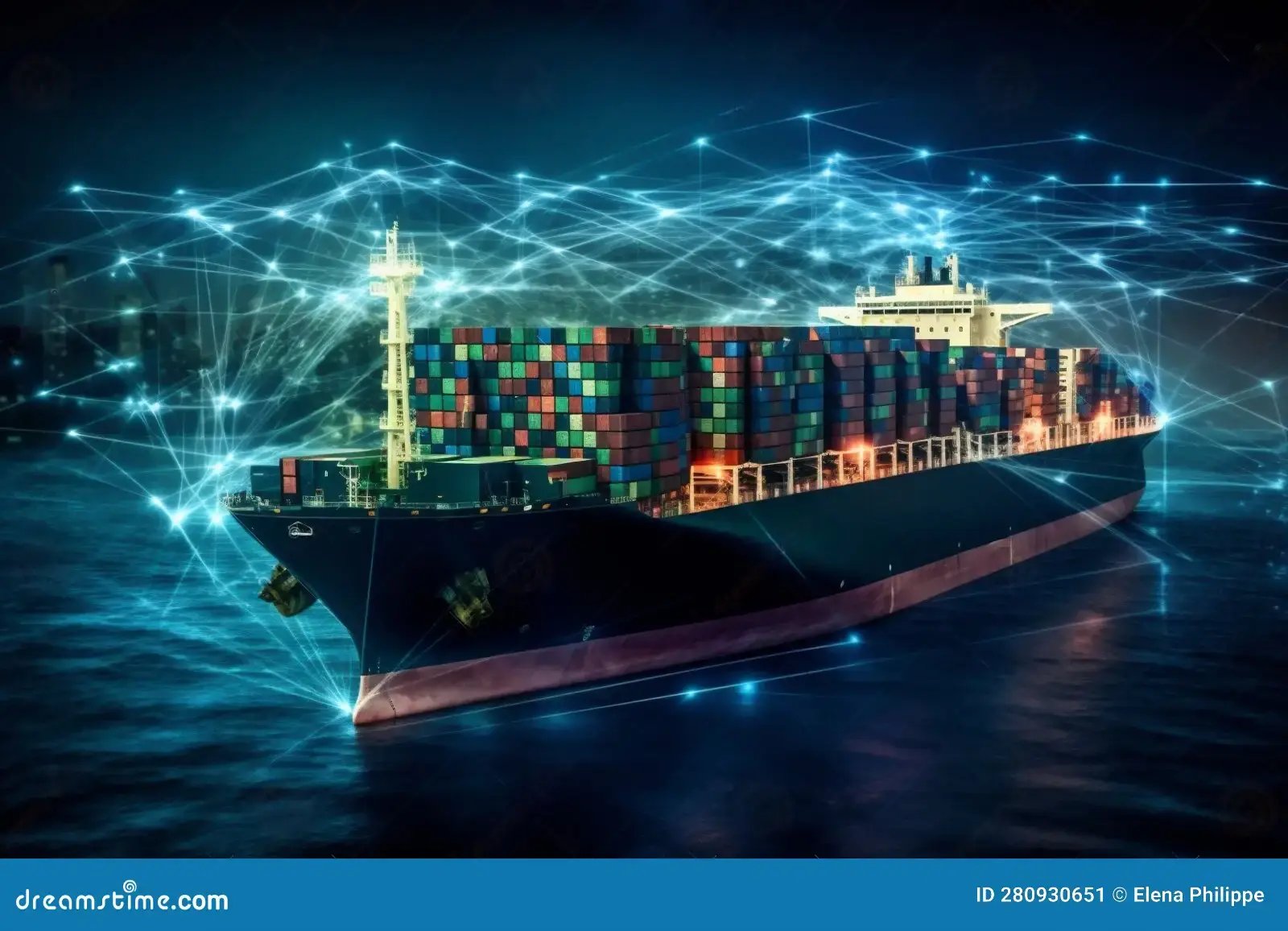
Ocean transport remains the most popular choice for businesses looking to move large volumes of goods across the globe. While it is generally slower than other methods, the cost savings for heavy or bulky items are often substantial. Specifically, sea freight allows small businesses to choose between Full Container Load (FCL) and Less than Container Load (LCL) options.
Choosing LCL is particularly beneficial for importers who do not have enough inventory to fill an entire 20-foot container. Consequently, you only pay for the space you use, which helps maintain a lean budget. However, FCL provides better security and faster handling since the container does not need to be consolidated or deconsolidated at various ports.
Moreover, the reliability of ocean carriers has improved as logistics trends stabilize following recent global disruptions. Importers should consider the trade-offs between speed and cost when planning their seasonal inventory. Indeed, sea freight is the backbone of the global supply chain for a reason.
| Shipping Method | Cost Range | Transit Time | Best For |
|---|---|---|---|
| Sea Freight | $1,500 – $4,500 | 25 – 45 Days | Bulk & Heavy Goods |
| Air Freight | $5.00 – $12.00/kg | 3 – 7 Days | High-Value Items |
| Rail Freight | $2,000 – $3,500 | 15 – 22 Days | Europe Shipments |
| Express | $8.00 – $15.00/kg | 2 – 5 Days | Samples & Small Parcels |
Why Should Small Businesses Use Air Freight for Small Shipments?
Speed is often the primary driver for businesses that need to restock inventory quickly or meet tight deadlines. Air freight provides a rapid solution that significantly reduces transit times compared to ocean routes. Additionally, the shorter time in transit reduces the risk of damage or theft during the journey.
Small business importers often use air cargo for high-value electronics or fashion items where time-to-market is critical. Although the costs are higher per kilogram, the reduction in inventory holding costs can offset the initial expense. Furthermore, air transport offers more frequent delivery schedules and greater flexibility for urgent orders.
Therefore, integrating air solutions into your logistics strategy allows for better responsiveness to market trends. Many successful importers maintain a hybrid approach by using sea for base stock and air for urgent replenishment. This strategy ensures that you never run out of stock during peak demand periods.
Can Rail Freight Benefit Importers in Europe?
Rail transport has emerged as a viable middle ground for businesses shipping from China to European destinations. It offers a faster transit time than sea freight while remaining significantly cheaper than air transport. For instance, a shipment from Chengdu to Hamburg might take just over two weeks to arrive.
Importers benefit from the stability of rail schedules, which are less affected by weather conditions compared to sea or air. Consequently, rail freight is becoming a preferred choice for mid-sized shipments that require a balance of speed and economy. However, it is important to note that this option is currently limited to land-based routes connecting Asia and Europe.
Additionally, the environmental impact of rail is lower than that of air freight, appealing to eco-conscious businesses. Most rail services provide door-to-door tracking, giving importers peace of mind throughout the transit process. As a result, rail is a strategic alternative for diversifying your supply chain.
Understanding Customs Brokerage and Duties
Navigating the legal requirements of international trade is one of the most challenging aspects for new importers. Professional customs brokerage services ensure that all documentation is accurate and compliant with local regulations. Without proper paperwork, shipments can face lengthy delays or expensive fines at the port of entry.
Customs brokers handle the calculation of duties and taxes, ensuring that you pay the correct amount based on the HS code of your products. Furthermore, they stay updated on changing trade policies and logistics trends that might affect your costs. This expertise is invaluable for small businesses that do not have dedicated in-house compliance teams.
Specifically, having a broker manage your entries can prevent common errors such as misclassification or incorrect valuation. In addition, they facilitate a smoother clearance process, allowing your goods to reach the warehouse faster. Ultimately, investing in professional brokerage services protects your business from unnecessary financial risks.
Streamlining Operations with Amazon FBA Services
Many small businesses utilize third-party platforms to reach a wider audience and simplify their fulfillment processes. Leveraging Amazon FBA logistics allows importers to send their goods directly from China to Amazon warehouses. This method eliminates the need for the importer to handle storage or individual customer shipping.
Sellers must adhere to strict labeling and packaging requirements to ensure their inventory is accepted by Amazon. Therefore, working with a freight forwarder who understands these specific rules is essential for a smooth operation. Additionally, specialized FBA services can handle the prep work and inspection before the goods leave China.
Consequently, small business owners can focus more on marketing and product development rather than manual labor. By automating the backend of the supply chain, you can scale your business much faster. Indeed, FBA has revolutionized how small importers compete with larger retail giants.
Door to Door Solutions for Simplified Importing
Comprehensive logistics packages can take the stress out of managing multiple carriers and service providers. A door to door service manages the entire journey from the factory floor in China to your final destination. This all-inclusive approach simplifies billing and communication for the importer.
Convenience is the primary advantage here, as you only have one point of contact for the entire shipment. Moreover, these services often include customs clearance and local trucking, reducing the administrative burden on your team. While it might seem more expensive upfront, the time saved often translates into higher productivity for your business.
Additionally, door-to-door providers have established networks that allow for better coordination between different stages of transit. As a result, the likelihood of communication breakdowns or missed handoffs is significantly reduced. For a small business, this level of service provides the professional support needed to grow confidently.
Which Option Should You Choose? (Decision Framework)
Selecting the right shipping method depends on several factors including budget, urgency, and the nature of the cargo. If your primary goal is to minimize shipping costs, sea freight is almost always the best choice for large orders. On the other hand, if you are launching a new product and need it immediately, air freight is the logical path.
Budget priority: Recommend Sea Freight (LCL or FCL) for maximum savings on non-urgent goods. Speed priority: Recommend Air Freight or Express Service for arrivals within a week. Cargo type considerations: Recommend Sea Freight for hazardous materials or oversized machinery that cannot fit on a plane.
Volume thresholds also play a role; for shipments under 100kg, express services are often more economical than sea freight due to minimum handling fees. Conversely, once a shipment exceeds 15 CBM, a full container becomes much more cost-effective. Use these criteria to evaluate every shipment individually to optimize your logistics spend.
Real Case Studies with Verifiable Details
Case Study 1: Electronics Startup Route: Shenzhen, China to Los Angeles, USA. Cargo: Consumer Electronics, 2 CBM, 450 kg. Container: LCL. Shipping Details: Carrier: Major ocean carrier. Port of Loading: Shenzhen. Port of Discharge: Los Angeles. Route Type: Direct. Cost Breakdown: Ocean Freight: $450. Origin Charges: $120. Destination Charges: $210. Customs and Duties: $800. Total Landed Cost: $1,580. Timeline: Booking to Loading: 4 days. Sea Transit: 16 days. Customs Clearance: 2 days. Total Door-to-Door: 22 days. Key Insight: Using LCL allowed this startup to test the market without committing to a full container.
Case Study 2: Home Decor Importer Route: Ningbo, China to Hamburg, Germany. Cargo: Wooden Furniture, 28 CBM, 4200 kg. Container: 20GP. Shipping Details: Carrier: COSCO. Port of Loading: Ningbo. Port of Discharge: Hamburg. Route Type: Direct. Cost Breakdown: Ocean Freight: $2,100. Origin Charges: $250. Destination Charges: $380. Customs and Duties: $1,200. Total Landed Cost: $3,930. Timeline: Booking to Loading: 6 days. Sea Transit: 32 days. Customs Clearance: 3 days. Total Door-to-Door: 41 days. Key Insight: FCL provided the necessary security for fragile wooden items while keeping the cost per unit low.
Note: Freight rates are subject to change based on fuel costs, carrier capacity, and seasonal demand. Contact us for a current quote tailored to your specific shipment.

Final Thoughts on Small Business Importing
Mastering the nuances of international shipping is a journey that requires patience and the right partnerships. By understanding the different modes of transport and the importance of customs compliance, you can build a resilient supply chain. China freight for small business for importers does not have to be an overwhelming challenge when you have expert guidance.
Always remember to factor in the total landed cost rather than just the initial freight rate. This comprehensive view will help you make better financial decisions for your business. As market conditions evolve, staying informed about logistics trends will keep you ahead of the competition.