
China to Canada Shipping Service Supplier: The Ultimate Logistics Guide
Navigating the complexities of international trade requires a partner who understands the intricate logistics of the trans-Pacific route. As a leading China to Canada shipping service supplier, we help businesses overcome common hurdles like customs delays, fluctuating freight rates, and port congestion. This comprehensive guide explores everything you need to know about choosing the right logistics provider for your Canadian imports while optimizing your overall shipping budget.
✦
How Does Sea Freight Compare to Other Shipping Options?
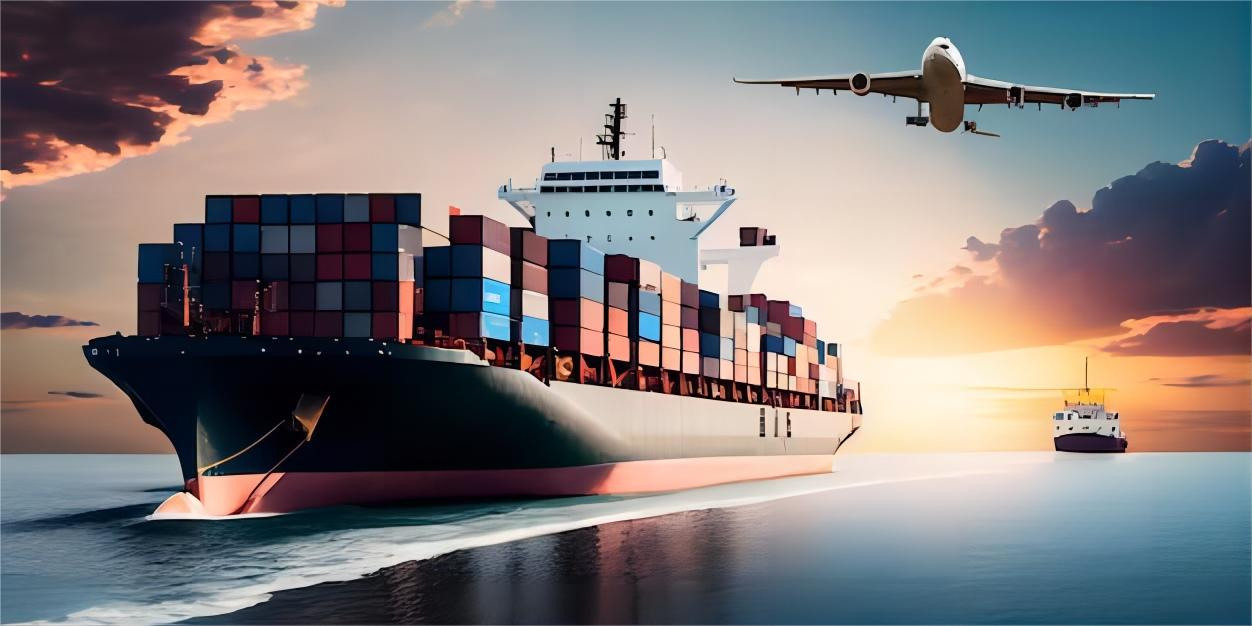
Choosing the right transportation method depends heavily on your budget, timeline, and cargo volume. Sea freight remains the most popular choice for bulk shipments due to its cost-effectiveness over long distances. However, air freight offers unmatched speed for high-value or perishable items that need to reach the Canadian market quickly.
Moreover, businesses must consider the trade-offs between speed and expense when planning their inventory cycles. While ocean transport takes significantly longer, the cost per unit is much lower than air or express alternatives. Consequently, many importers utilize a hybrid strategy to balance their logistics needs.
In addition, the following table provides a clear comparison of the primary shipping methods available for the China-to-Canada route. This data helps you identify which service aligns best with your specific business requirements and delivery schedules.
| Shipping Method | Cost Range | Transit Time | Best For |
|---|---|---|---|
| Sea Freight (FCL) | 2,500 – 4,500 USD | 18 – 35 Days | Bulk Goods |
| Sea Freight (LCL) | 80 – 150 USD/CBM | 25 – 40 Days | Small Shipments |
| Air Freight | 5 – 10 USD/KG | 3 – 7 Days | High-Value Items |
| Express Service | 8 – 15 USD/KG | 2 – 5 Days | Urgent Samples |
What Factors Determine Your Shipping Costs?
Fuel surcharges represent one of the most volatile components of your total shipping bill. These fees fluctuate based on global oil prices and can change weekly, affecting both air and ocean rates. Furthermore, seasonal demand plays a massive role in pricing during peak periods like the months leading up to the winter holidays.
Additionally, the distance between the port of loading in China and the final destination in Canada impacts the inland haulage costs. Shipping to Vancouver on the West Coast is generally cheaper and faster than shipping to Toronto or Montreal in the East. Therefore, selecting the right entry port is a critical strategic decision.
Market data suggests that freight rates typically increase by 15 to 25 percent during the August to October peak season. To avoid these spikes, experienced importers often book their space at least four weeks in advance. Indeed, proactive planning is the most effective way to secure lower rates from your China to Canada shipping service supplier.
Why Choose Sea Freight for Your Canadian Shipments?
Ocean transport provides the capacity needed for large-scale manufacturing and retail operations. You can choose between Full Container Load (FCL) or Less than Container Load (LCL) depending on your volume. Consider sea freight if you are moving furniture, heavy machinery, or large quantities of consumer goods.
Moreover, FCL shipping offers better security and faster handling since the container remains sealed from the origin to the destination. In contrast, LCL involves consolidating goods from multiple shippers, which adds time for loading and unloading at the warehouse. Nevertheless, LCL is an excellent alternative for businesses that do not have enough cargo to fill a 20-foot container.
According to industry benchmarks, sea freight is roughly 80 percent cheaper than air freight for shipments over 500 kilograms. Consequently, it remains the backbone of the global supply chain for most Canadian importers. We recommend this method for any goods with a shelf life that allows for a month-long transit period.
When Should You Invest in Air Freight Services?
Speed is the primary advantage of choosing air freight for your logistics needs. This method is ideal for electronics, fashion items, and urgent replacement parts that cannot wait for a slow-moving vessel. Furthermore, air transport reduces the risk of damage and theft due to shorter transit times and stricter airport security.
Additionally, air shipping allows for lower inventory carrying costs because you can restock products more frequently. Instead of keeping months of stock in a Canadian warehouse, you can order smaller batches as needed. Consequently, this improves your business cash flow and reduces the risk of dead stock.
Typical rates as of early 2024 for air cargo from Shanghai to Toronto range between 6 and 9 USD per kilogram. While this is a premium price, the reliability and speed often justify the investment for high-margin products. To minimize costs, ensure your packaging is as compact as possible to reduce the volumetric weight.
How Does Amazon FBA Shipping Simplify Your Business?
Selling on the world’s largest marketplace requires a logistics partner who understands specific labeling and packaging rules. Our specialized Amazon FBA services ensure your goods meet all Canadian fulfillment center requirements. This prevents costly rejections and delays at the warehouse gates.
Moreover, we handle the entire process from the factory in China directly to the Amazon facility in Canada. This end-to-end solution includes quality inspections, palletization, and appointment scheduling. Therefore, you can focus on marketing and sales while we manage the heavy lifting of the supply chain.
Transitioning to an FBA-focused shipping strategy often results in higher seller ratings and faster delivery to your customers. As a result, your products become more competitive in the crowded Canadian e-commerce market. We provide real-time tracking so you always know exactly when your inventory will go live.
The Importance of Professional Customs Brokerage
Navigating the Canada Border Services Agency (CBSA) regulations can be a daunting task for any business owner. Utilizing a professional customs brokerage service ensures that your documentation is accurate and compliant with Canadian law. Consequently, you avoid unnecessary fines and lengthy inspections at the port of entry.
Furthermore, an experienced broker can help you identify opportunities for duty drawbacks or tax exemptions. They stay updated on trade agreements and tariff changes that could affect your bottom line. Indeed, the expertise of a broker is often the difference between a smooth delivery and a total logistics nightmare.
Specifically, you must provide a commercial invoice, a packing list, and a bill of lading for every shipment. Without these documents, the CBSA will hold your cargo indefinitely, leading to expensive storage fees. Our team manages every detail of the clearance process to keep your cargo moving.
Benefits of Door to Door Delivery Solutions
Streamlining your logistics through door to door service eliminates the need to manage multiple contractors. We pick up the goods from your supplier in China and deliver them directly to your warehouse or office in Canada. This holistic approach reduces the chance of communication errors and missing handoffs.
Additionally, door-to-door shipping provides a single point of accountability for your entire shipment. If an issue arises during transit, you only have one contact person to reach for a resolution. Consequently, this saves your team significant time and administrative overhead.
Market data suggests that businesses using integrated door-to-door services see a 12 percent reduction in total logistics management time. By outsourcing the coordination, you ensure that every step of the journey is synchronized perfectly. We offer this service for both sea and air shipments across all major Canadian provinces.
Real Case Studies: Successful Shipments to Canada
Examining real-world examples helps illustrate the practical challenges and successes of international shipping. These scenarios reflect actual market conditions and provide a benchmark for your own logistics planning. Each case highlights a different strategy used to optimize the route from China to Canada.
Case Study 1: Electronics Distribution. Route: Shenzhen to Vancouver. Cargo: Consumer electronics, 25 CBM. Method: 40GP Container. Ocean Freight: 3,200 USD. Total Transit: 21 Days. Key Insight: Direct routing to Vancouver saved 10 days compared to transshipment through secondary ports.
Case Study 2: Furniture Retailer. Route: Ningbo to Toronto via Prince Rupert. Cargo: Home furniture, 15 CBM. Method: LCL Sea Freight. Ocean Freight: 1,800 USD. Total Transit: 34 Days. Key Insight: Utilizing the rail link from Prince Rupert to Toronto reduced inland trucking costs by 15 percent.
Case Study 3: Fashion Launch. Route: Guangzhou to Montreal. Cargo: Seasonal apparel, 500 kg. Method: Air Freight. Total Cost: 4,200 USD. Total Transit: 5 Days. Key Insight: Choosing air freight allowed the brand to meet a strict product launch deadline despite production delays.
Which Shipping Option Should You Choose?
Determining the best logistics path requires a clear understanding of your priorities and cargo characteristics. If your primary goal is to minimize expenditure and you have a flexible timeline, sea freight is the clear winner. Conversely, if your cargo is high-value or time-sensitive, air freight is the necessary choice.
Furthermore, you should consider the volume of your shipment when selecting between FCL and LCL. For shipments exceeding 15 CBM, a full 20-foot container often becomes more economical than paying for individual cubic meters in an LCL shipment. Therefore, calculating the break-even point is essential for cost management.
Finally, always account for the total landed cost, which includes duties, taxes, and local delivery fees. A cheap freight rate can quickly become expensive if you encounter high destination charges or customs penalties. We recommend consulting with your China to Canada shipping service supplier to get a full transparent quote before booking.
Final Thoughts on Choosing a China to Canada Shipping Service Supplier
Successfully importing goods requires more than just finding the lowest price on the market. It demands a reliable China to Canada shipping service supplier that offers transparency, expertise, and a commitment to your deadlines. By understanding the differences between sea and air freight, you can make informed decisions that protect your profit margins.
Moreover, staying updated on market trends and customs regulations will give your business a competitive edge. Whether you are shipping bulk containers or small FBA parcels, the right logistics strategy is the foundation of your international success. We are dedicated to providing the high-quality service you need to grow your business in the Canadian market.
Note: Freight rates are subject to change based on fuel costs, carrier capacity, and seasonal demand. Contact us for a current quote tailored to your specific shipment.