
China Fulfillment Center Shipping Time: 2026 Optimization Guide
Understanding china fulfillment center shipping time is essential for any business sourcing products from the East in 2026. China Freight World provides comprehensive logistics solutions that streamline your global supply chain and reduce delivery delays. Consequently, managing expectations and selecting the right shipping methods can significantly impact your customer satisfaction and overall profitability.

What Factors Influence China Fulfillment Center Shipping Time?
Logistics experts often highlight that several variables dictate the speed of your shipments from Chinese warehouses. Primary factors include the distance to the port, the efficiency of the local fulfillment team, and the current state of global shipping routes.
Moreover, seasonal demand fluctuations during the Lunar New Year or the Q4 peak season can add several days to the processing time. Carriers typically face capacity constraints during these periods, which leads to longer wait times at major hubs like Shanghai or Shenzhen.
Additionally, the type of cargo handling required for specific products can influence how quickly a fulfillment center can dispatch an order. Fragile items or hazardous materials often require specialized packaging and slower processing to ensure safety and compliance with international regulations.
Therefore, businesses must account for both internal processing speeds and external transit factors when calculating their total lead times. Maintaining a buffer in your delivery schedule helps mitigate the risks associated with unforeseen port congestion or weather disruptions.
How Does China Fulfillment Center Shipping Time Compare by Method?
Selecting the appropriate transport mode is the most significant decision a shipper makes regarding transit time optimization. For urgent shipments, utilizing an express service remains the fastest way to move goods from a China fulfillment center to an international doorstep.
Furthermore, air freight provides a balance between speed and cost for medium-sized shipments that cannot wait for ocean transit. While it is more expensive than sea freight, the reduction in inventory holding costs often justifies the higher freight rates for high-value electronics or fashion items.
Meanwhile, rail freight has emerged as a viable middle ground for shipments heading to Europe, offering faster speeds than sea and lower costs than air. This method has become increasingly popular in early 2026 as rail infrastructure continues to improve across the Eurasian corridor.
| Shipping Method | Average Transit Time | Cost Level | Best For |
|---|---|---|---|
| Express Courier | 3-5 Days | Very High | Samples and Small Parcels |
| Air Freight | 5-10 Days | High | High-Value Urgent Goods |
| Rail Freight | 18-25 Days | Moderate | Mid-sized European Orders |
| Sea Freight | 25-45 Days | Low | Bulk Cargo and FCL |
How Does Sea Freight Compare to Other Shipping Options?
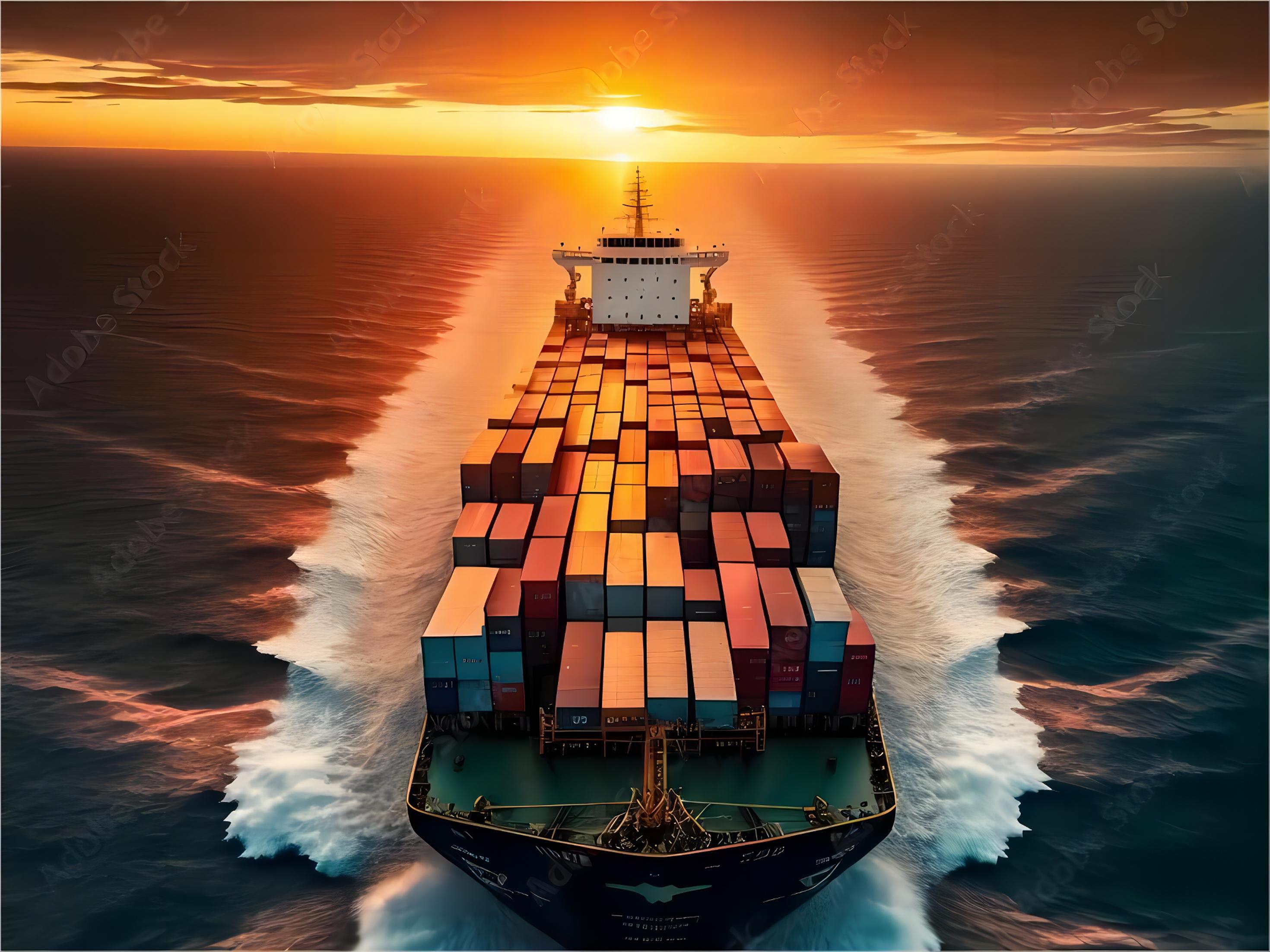
Objective analysis suggests that air freight is nearly five times faster than traditional ocean routes but costs significantly more per kilogram. While sea freight remains the backbone of global trade, its longer transit time requires businesses to maintain higher stock levels to avoid stockouts.
In contrast, hybrid solutions like sea-air combinations are gaining traction in 2026 to provide a compromise for shippers. These routes might involve shipping by sea from China to a hub like Dubai, followed by air transport to the final destination in Europe or North America.
Consequently, the choice between FCL and LCL within sea freight also impacts the overall china fulfillment center shipping time. Full container loads usually move faster because they do not require the consolidation and deconsolidation steps that small shipments undergo at the port.
| Method | Cost Range (USD) | Transit Time | Limitations |
|---|---|---|---|
| Sea Freight (FCL) | $2,500 – $4,500 | 25-35 Days | Requires high volume |
| Air Freight | $5.00 – $9.00/kg | 5-8 Days | Weight and size limits |
| Rail (China-EU) | $120 – $180/CBM | 20-24 Days | Geographic constraints |
| Express | $8.00 – $15.00/kg | 3-5 Days | Extremely high cost |
Strategies to Minimize China Fulfillment Center Shipping Time in 2026
Implementing advanced inventory management software allows fulfillment centers to begin the picking process the moment an order is placed. By integrating your store directly with the warehouse system, you eliminate manual data entry errors and reduce the time spent in the dispatch queue.
Additionally, choosing sea freight carriers with direct routes can save up to seven days compared to those that use multiple transshipment ports. Shippers should prioritize carriers like COSCO or Maersk for specific lanes where they offer the fastest port-to-port connections.
Furthermore, preparing all export documentation in advance prevents delays during the customs clearance process at the Chinese border. Working with an experienced freight forwarder ensures that all paperwork, including the commercial invoice and packing list, meets the latest 2026 regulatory standards.
Which Option Should You Choose? Decision Framework
Deciding on the best shipping method requires a careful evaluation of your budget, cargo type, and customer expectations. If your primary goal is cost reduction and you have a long lead time, ocean freight is the undisputed leader for large volumes.
However, if you are launching a new product and need to test the market quickly, using express or air freight is the better strategy. This allows you to replenish stock rapidly based on real-time sales data rather than committing to large quantities that sit on a ship for a month.
Reliable logistics planning involves setting thresholds for when to switch between methods based on shipment weight. Generally, shipments under 100kg are most economical via express, while those over 500kg should be evaluated for sea or rail transport.
Real-World Logistics: China Fulfillment Center Case Studies
Case Study 1: Electronics Distribution to USA. Route: Shenzhen to Los Angeles. Cargo: Consumer electronics, 8 CBM, 1500 kg. Method: LCL Sea Freight. Carrier: Major carrier. Port of Loading: Shenzhen. Port of Discharge: Los Angeles. Total Landed Cost: $1,850. Timeline: Booking to Loading: 3 days; Sea Transit: 16 days; Customs: 2 days; Total Door-to-Door: 21 days. Key Insight: Direct sailing from Shenzhen saved 5 days compared to a transshipment route.
Case Study 2: Apparel Fulfillment for Amazon FBA in Germany. Route: Ningbo to Hamburg. Cargo: Summer clothing, 32 CBM. Method: 40GP Container. Carrier: COSCO. Port of Loading: Ningbo. Port of Discharge: Hamburg. Total Landed Cost: $3,400. Timeline: Booking to Loading: 4 days; Sea Transit: 32 days; Customs: 3 days; Total Door-to-Door: 39 days. Key Insight: Booking 3 weeks in advance secured a lower rate during the 2026 spring peak.
Case Study 3: Furniture Supply to Australia. Route: Shanghai to Melbourne. Cargo: Office chairs, 15 CBM. Method: LCL Sea Freight. Carrier: Major carrier. Port of Loading: Shanghai. Port of Discharge: Melbourne. Total Landed Cost: $1,950. Timeline: Booking to Loading: 2 days; Sea Transit: 15 days; Customs: 2 days; Total Door-to-Door: 19 days. Key Insight: Efficient cargo handling at the Shanghai fulfillment center allowed for immediate vessel loading.

Navigating Customs and Cargo Handling for Faster Delivery
Effective customs brokerage services are vital for maintaining a consistent delivery schedule in the current international trade environment. As of early 2026, new digital filing requirements in many Western countries have made accurate data submission more critical than ever.
Indeed, any discrepancy in the Harmonized System (HS) codes can lead to intensive inspections and significant delays at the port of entry. Professional logistics partners help verify these codes before the cargo leaves the China fulfillment center, ensuring a smooth transition through customs.
Specifically, understanding the local regulations in the destination country helps in preparing for potential duties and taxes. This proactive approach prevents shipments from being held at the border due to unpaid fees or missing compliance certificates.
| Document | Purpose | Timing | Responsibility |
|---|---|---|---|
| Commercial Invoice | Value Declaration | At Dispatch | Shipper |
| Packing List | Content Detail | At Dispatch | Fulfillment Center |
| Bill of Lading | Title of Goods | After Loading | Carrier |
| Certificate of Origin | Trade Agreement | Before Export | Shipper |
Final Thoughts on Shipping Time Optimization
Summarizing the logistics landscape, it is clear that china fulfillment center shipping time is a multifaceted issue influenced by method, season, and geography. By choosing the right transport mode and preparing accurate documentation, you can significantly reduce the time your products spend in transit.
Ultimately, the most successful businesses are those that remain flexible and adapt to changing market conditions. Whether you choose sea, air, or rail, prioritizing reliability and expert support will ensure your goods reach their destination on time and within budget in 2026.
Need a tailored shipping solution?
Optimizing your china fulfillment center shipping time requires a partner who understands the complexities of 2026 global trade. Contact China Freight World today to receive a customized quote that balances speed and cost-efficiency for your specific cargo needs. Visit our website to learn how our expert logistics team can accelerate your supply chain. Send Inquiry: Visit chinafreightworld.com/contact/