
Mastering China Export Logistics Shipping Time in 2026: A Complete Guide
Optimizing your china export logistics shipping time is essential for maintaining a competitive edge in the global marketplace of 2026. Businesses frequently encounter delays that disrupt inventory management and customer satisfaction. By partnering with China Freight World, you can streamline your supply chain and ensure predictable delivery schedules across all major international trade lanes.
Understanding China Export Logistics Shipping Time in 2026
Navigating the landscape of international trade requires a deep understanding of how various factors influence the total duration of your shipment. In 2026, the logistics industry has embraced advanced tracking technologies, yet physical transit remains subject to traditional variables. Consequently, shippers must account for port efficiency, carrier schedules, and seasonal demand fluctuations when planning their inventory cycles.
Mainland China continues to lead global exports, making the efficiency of its major ports like Shanghai and Ningbo critical to your success. Furthermore, the integration of smart logistics has reduced processing times at the origin, but global maritime congestion can still impact the final arrival date. Therefore, calculating an accurate china export logistics shipping time involves more than just looking at a map; it requires real-time data and expert insights.
Additionally, the choice of transportation mode plays the most significant role in determining how quickly your goods reach their destination. While speed is often a priority, balancing cost and transit time is the hallmark of a sophisticated shipping strategy. Indeed, understanding these trade-offs is the first step toward building a resilient and cost-effective international supply chain.
Key Factors Influencing Your Shipping Schedule
Several external and internal elements can either accelerate or delay your cargo movement significantly. For instance, weather conditions during the typhoon season in the South China Sea often lead to vessel diversions or port closures. Moreover, labor availability at destination ports in North America or Europe can create bottlenecks that extend the total door-to-door duration.
Customs procedures remain a pivotal variable in the timeline of any international shipment. Specifically, incomplete documentation or misclassified goods can lead to inspections that hold up cargo for days or even weeks. To mitigate this risk, many importers rely on professional customs brokerage services to ensure every form is perfectly aligned with current 2026 regulations.
Peak seasons also exert immense pressure on the available capacity of ships and planes. During the months leading up to the holiday season, demand spikes cause freight rates to rise and transit times to lengthen due to overbooking. Consequently, booking your shipments at least 3-4 weeks in advance during these periods is a highly recommended strategy for maintaining your schedule.
How Does Sea Freight Compare to Other Shipping Options?
When evaluating your logistics strategy, comparing sea freight against air and rail options is fundamental to cost management. While sea freight offers the lowest cost per unit for large volumes, it also requires the longest lead times. In contrast, air freight provides rapid delivery but at a significantly higher price point, making it suitable only for high-value or time-sensitive cargo.
Rail freight has emerged as a middle-ground solution, particularly for shipments destined for the European continent. This method offers a faster transit than ocean transport while remaining more affordable than air lift. However, rail infrastructure is subject to geopolitical stability and terminal congestion along the Silk Road routes.
To help you decide, consider the following comparison of the primary shipping methods available from China in 2026:
| Shipping Method | Cost Range | Transit Time | Best For |
|---|---|---|---|
| Sea Freight (FCL) | Low ($2,500 – $4,500) | 25 – 45 Days | Bulk goods, Large volume |
| Air Freight | High ($5 – $12/kg) | 3 – 7 Days | Electronics, Urgent stock |
| Rail Freight | Medium ($3,500 – $5,500) | 15 – 22 Days | Mid-sized cargo to Europe |
| Express Service | Very High ($8 – $15/kg) | 2 – 5 Days | Samples, Small parcels |

Analyzing Transit Times by Destination Region
The geographical distance between China and your target market is the most obvious factor in the shipping timeline. For example, shipping to the West Coast of North America is considerably faster than reaching the East Coast via the Panama Canal. Similarly, direct routes to major hubs in Australia are relatively short compared to the long-haul voyages required for Northern European ports.
In 2026, many carriers have optimized their transpacific routes to improve reliability. Nevertheless, transshipment through hubs like Singapore or Busan can add 5 to 10 days to the total china export logistics shipping time. Therefore, whenever possible, opting for direct services is the most effective way to reduce the risk of delays during the journey.
Below is a breakdown of estimated transit times for various global regions based on current 2026 market data:
| Destination | Sea Transit | Air Transit | Rail Transit |
|---|---|---|---|
| USA West Coast | 14-18 Days | 3-5 Days | N/A |
| USA East Coast | 28-35 Days | 4-6 Days | N/A |
| Western Europe | 30-40 Days | 5-7 Days | 18-22 Days |
| Australia | 12-18 Days | 3-5 Days | N/A |
| Southeast Asia | 5-9 Days | 1-2 Days | 3-7 Days |
The Role of Air Freight and Express Services
For businesses dealing with perishable items or rapid product cycles, air freight is the indispensable choice. This mode bypasses the slow-moving maritime lanes, allowing you to restock inventory in a matter of days rather than months. Furthermore, the security levels at air cargo terminals are generally higher, reducing the risk of theft or damage for sensitive electronics.
If you are shipping very small volumes or urgent prototypes, an express service is often the most practical route. These services provide an all-in-one solution that includes pickup, international transport, and final delivery. Consequently, the administrative burden on the shipper is minimized, although the cost per kilogram is the highest in the industry.
Ultimately, the decision to use air transport should be based on a clear calculation of the cost of lost sales versus the premium paid for speed. In many cases, a hybrid approach—shipping the majority of stock by sea and a small buffer by air—yields the best results for maintaining consistent product availability.
Strategic Advantages of Rail Freight for Europe
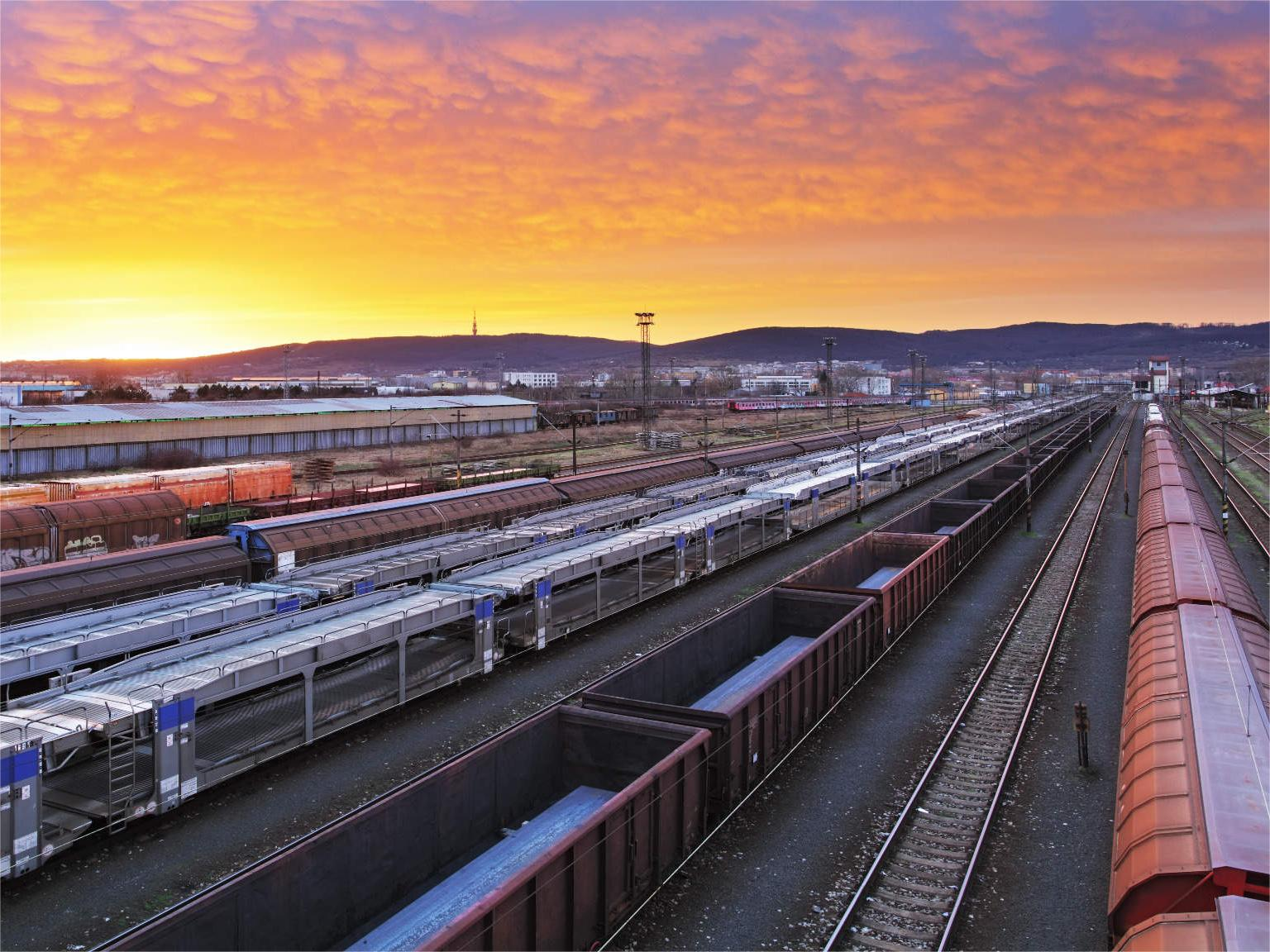
For companies targeting Europe, rail freight has become a highly competitive alternative to traditional ocean shipping. The China-Europe Railway Express connects major Chinese manufacturing hubs directly to cities like Warsaw, Hamburg, and Duisburg. As a result, transit times are roughly half of what sea freight requires, while costs remain a fraction of air freight rates.
Moreover, rail transport is often considered more environmentally friendly than air freight, aligning with the sustainability goals of many modern corporations. Nevertheless, shippers must stay informed about the operational status of different border crossings, as administrative changes can impact flow. Additionally, specialized containers for rail transport ensure that goods remain protected against temperature extremes during the long overland journey.
In 2026, the reliability of rail schedules has improved through better coordination between participating nations. Therefore, if your cargo is too heavy for air but too urgent for sea, rail freight offers a strategic balance that can significantly enhance your supply chain agility.
Optimizing Door to Door Logistics
Managing individual segments of a shipment can be overwhelming for many importers. This is why door to door services have gained immense popularity in 2026. By consolidating all steps—from the factory floor in China to your warehouse in North America—into a single service agreement, you reduce the risk of communication gaps.
Furthermore, this integrated approach allows the freight forwarder to optimize every transition point. For instance, they can pre-clear customs while the vessel is still at sea, ensuring that the truck is ready for pickup the moment the container is discharged. Consequently, the total china export logistics shipping time is often shorter than when managing separate providers for each leg of the journey.
Additionally, e-commerce sellers frequently utilize Amazon FBA logistics to streamline their fulfillment. These specialized services ensure that cargo meets all of Amazon’s strict labeling and palletization requirements before it even leaves China. Indeed, this level of preparation is vital for avoiding costly rejection at the fulfillment center.
Case Studies: Real-World Shipping Timelines in 2026
Examining actual shipping scenarios provides valuable context for what you can expect in the current market. These examples illustrate the variations in cost and time based on specific routes and cargo types. Please note that these figures are based on Q1 2026 market averages and are subject to change.
Case Study 1: Electronics from Shenzhen to Los Angeles Route: Shenzhen, China to Los Angeles, USA Cargo: Consumer Electronics, 18 CBM, 4,500 kg Container: LCL (Less than Container Load) Shipping Details: – Carrier: Major Transpacific Carrier – Port of Loading: Yantian (Shenzhen) – Port of Discharge: Los Angeles – Route Type: Direct Cost Breakdown: – Ocean Freight: $1,450 – Origin Charges: $350 – Destination Charges: $480 – Customs & Duties: $1,200 – Total Landed Cost: $3,480 Timeline: – Booking to Loading: 4 days – Sea Transit: 15 days – Customs Clearance: 2 days – Total Door-to-Door: 21 days Key Insight: Using a direct service to the West Coast minimized the china export logistics shipping time, allowing for rapid inventory turnover.
Case Study 2: Industrial Machinery from Ningbo to Hamburg Route: Ningbo, China to Hamburg, Germany Cargo: Spare Parts, 28 CBM, 12,000 kg Container: 20GP Full Container Shipping Details: – Carrier: COSCO – Port of Loading: Ningbo – Port of Discharge: Hamburg – Route Type: Direct via Suez Canal Cost Breakdown: – Ocean Freight: $2,100 – Origin Charges: $400 – Destination Charges: $550 – Customs & Duties: $1,800 – Total Landed Cost: $4,850 Timeline: – Booking to Loading: 6 days – Sea Transit: 34 days – Customs Clearance: 3 days – Total Door-to-Door: 43 days Key Insight: FCL shipping provided the best protection for heavy machinery while maintaining a stable cost structure during the peak season of 2026.
Case Study 3: Fashion Apparel from Shanghai to London Route: Shanghai, China to London, UK Cargo: Seasonal Clothing, 5 CBM, 800 kg Container: LCL via Rail Shipping Details: – Carrier: China-Europe Railway Express – Port of Loading: Shanghai (Rail Terminal) – Port of Discharge: London Gateway – Route Type: Overland via Poland Cost Breakdown: – Rail Freight: $1,250 – Origin Charges: $250 – Destination Charges: $380 – Customs & Duties: $900 – Total Landed Cost: $2,780 Timeline: – Booking to Loading: 3 days – Rail Transit: 20 days – Customs Clearance: 2 days – Total Door-to-Door: 25 days Key Insight: Rail freight offered a 40% time saving compared to sea freight, which was critical for launching the spring fashion collection on time.
Which Option Should You Choose? Decision Framework
Choosing the right shipping method requires a balanced evaluation of your specific business needs. If your primary goal is cost reduction and you have flexible deadlines, sea freight is undoubtedly the most suitable choice. However, if you are operating on tight margins with high-demand products, the speed of air or rail might justify the higher expenditure.
Consider the volume of your shipment as well; for loads under 15 CBM, LCL (Less than Container Load) is often more economical. Conversely, once you exceed that threshold, paying for a 20GP or 40GP full container typically offers a better price per cubic meter. Furthermore, always factor in the ‘hidden’ costs of time, such as capital tied up in transit and the risk of stockouts.
Finally, consult with your logistics partner to explore hybrid solutions. For example, sea-air combinations via Dubai can sometimes offer a middle ground in both cost and speed. By remaining flexible and data-driven, you can optimize your china export logistics shipping time to perfectly match your commercial objectives in 2026.
Final Thoughts on Shipping from China
Successfully managing your china export logistics shipping time is a multifaceted challenge that requires constant attention to market trends and operational details. By understanding the differences between sea, air, and rail freight, you can make informed decisions that protect your bottom line. Moreover, leveraging the expertise of a professional freight forwarder ensures that your documentation and customs processes are handled with precision.
As we move through 2026, the ability to adapt to changing logistics conditions will separate successful importers from the rest. Whether you are shipping to North America, Europe, or Australia, planning ahead and choosing the right transport mode is key. Start optimizing your logistics today to ensure your products arrive on time and within budget every single time.
Need a tailored shipping solution?
Ready to streamline your international supply chain and reduce your china export logistics shipping time? Contact our expert team today for a customized quote and professional guidance on your next shipment. Send Inquiry: https://chinafreightworld.com/