2026 China Freight Solution Shipping Rates: Comprehensive Cost Guide
Navigating the complexities of global trade requires a reliable partner to manage your logistics effectively. China Freight World provides comprehensive support for businesses looking to optimize their china freight solution shipping rates in 2026. Consequently, understanding the variables that influence these costs is essential for maintaining a healthy profit margin in a competitive market.
✦
How to Calculate China Freight Solution Shipping Rates in 2026
Calculating your total landed cost involves more than just looking at the ocean freight price. For instance, you must account for local trucking, warehouse handling, and insurance premiums to get an accurate figure.
Therefore, a holistic view of the supply chain is necessary to avoid unexpected expenses during the transit process. Additionally, fuel surcharges often change weekly, making real-time data tracking a priority for modern importers.
Indeed, the volume and weight of your cargo will dictate which pricing model applies to your shipment. For example, LCL shipments are billed per cubic meter, while FCL shipments have a flat rate per container.
Why Do Shipping Costs Fluctuate for China Freight Solutions?
Market dynamics in 2026 remain influenced by global energy prices and carrier capacity management. Moreover, seasonal demand peaks during the late summer months can cause rates to spike significantly.
Consequently, businesses must plan their inventory cycles well in advance to secure the most favorable pricing. Meanwhile, port congestion in major hubs can lead to surcharges that affect the final invoice.
Nevertheless, working with an experienced forwarder can help you mitigate these risks through locked-in contract rates. In addition, diversifying your port of entry can sometimes provide a cheaper alternative during peak times.
Comparing Sea, Air, and Rail Freight Rates
Choosing the right mode of transport depends on your specific budget and timeline requirements. For large volumes, sea freight remains the most cost-effective method for long-distance hauls.
In contrast, air freight offers the fastest transit times for high-value or perishable goods. However, the cost per kilogram is substantially higher than other methods.
Furthermore, rail freight provides a balanced middle ground for shipments moving between China and Central Asia or Europe. This method is often faster than sea but much cheaper than air.
| Shipping Method | Cost Range | Transit Time | Best For |
|---|---|---|---|
| Sea Freight (FCL) | $2,500 – $5,500 | 25-40 Days | Bulk Inventory |
| Air Freight | $5.50 – $11.00/kg | 3-7 Days | Urgent Samples |
| Rail Freight | $3,000 – $4,800 | 18-24 Days | Mid-size Cargo |
| Express Service | $8.00 – $15.00/kg | 2-4 Days | E-commerce |
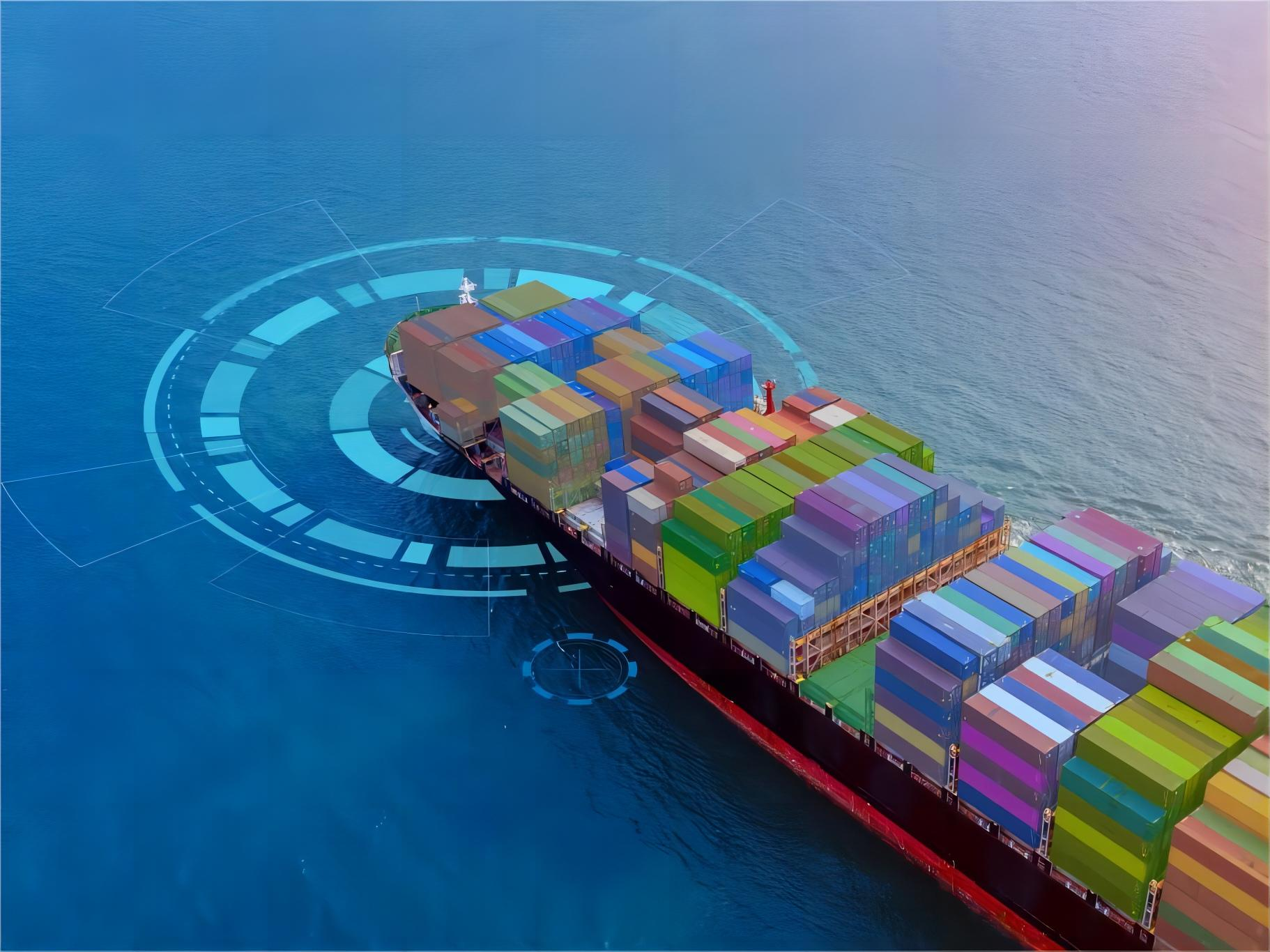
Case Study 1: Shipping Electronics to Europe
Route: Shenzhen, China to Rotterdam, Netherlands. Cargo: Consumer Electronics, 25 CBM, 4500 kg. Container: LCL shipment. Shipping Details: Handled via major carrier with transshipment in Singapore.
Cost Breakdown: Ocean Freight: $1,450. Origin Charges: $350. Destination Charges: $420. Customs and Duties: $1,200. Total Landed Cost: $3,420. Timeline: 34 days total door-to-door.
Key Insight: Using Europe shipping lanes with LCL allowed the client to maintain stock without paying for a full 40HQ container. This strategy saved approximately 15% on storage costs.
Case Study 2: Industrial Parts to North America
Route: Ningbo, China to Los Angeles, USA. Cargo: Steel Components, 18,000 kg. Container: 20GP Full Container. Shipping Details: Direct route via COSCO to the West Coast.
Cost Breakdown: Ocean Freight: $2,100. Origin Charges: $280. Destination Charges: $550. Customs and Duties: $2,400. Total Landed Cost: $5,330. Timeline: 18 days total door-to-door.
Key Insight: Shippers targeting North America benefited from early booking, which secured a spot before the Q3 rate hike. As a result, the client avoided a $400 peak season surcharge.
How Does Sea Freight Compare to Other Shipping Options?
While sea freight costs are generally the lowest, the hidden costs of longer lead times must be considered. For instance, capital tied up in transit for 40 days can impact your cash flow significantly.
On the other hand, air freight allows for rapid inventory turnover, which might justify the higher initial shipping expense. Therefore, a hybrid strategy often works best for businesses with diverse product lines.
Moreover, direct routes usually cost 10 percent more but save nearly a week of transit time compared to transshipment options. Consequently, you must weigh the value of time against the raw shipping rate.
| Method Comparison | Cost Priority | Speed Priority | Reliability |
|---|---|---|---|
| Sea (Direct) | Moderate | Medium | High |
| Sea (Transship) | Lowest | Low | Moderate |
| Air (Standard) | Highest | Highest | Very High |
| Rail (Express) | High | High | Moderate |

Strategies for Reducing Your Total Landed Cost
Consolidating shipments is one of the most effective ways to lower your china freight solution shipping rates. For example, combining multiple supplier orders into a single FCL container reduces per-unit handling fees.
Additionally, utilizing Amazon FBA logistics can streamline the final mile delivery process for e-commerce sellers. This approach often results in lower storage fees at destination warehouses.
Furthermore, professional customs brokerage services ensure that your goods are classified correctly. Indeed, avoiding misclassification penalties can save thousands of dollars in unexpected fines.
Which Option Should You Choose?
Budget priority: If your main goal is cost reduction, sea freight LCL or FCL is the recommended path. However, ensure you have at least a six-week lead time to account for potential delays.
Speed priority: When deadlines are tight, air freight or express courier services are the only viable options. These methods ensure your products hit the shelves while market demand is still high.
Cargo type considerations: Heavy machinery is best suited for sea freight, while electronics and fashion items often benefit from the security and speed of air transport. Regardless of the method, always request a current quote.
Mastering Your Freight Strategy in 2026
To summarize, staying informed about the latest market trends is the key to securing competitive china freight solution shipping rates. By comparing different transport modes and understanding the cost drivers, you can make smarter logistics decisions.
Indeed, the right shipping strategy will not only save you money but also improve your overall customer satisfaction. Plan ahead, choose the right partners, and keep your supply chain moving efficiently throughout the year.