

Sea Freight From China Reliable: Your 2026 Strategic Shipping Guide
“Finding sea freight from china reliable partners is the cornerstone of a successful international trade strategy in 2026. As global trade routes stabilize following previous disruptions, businesses must prioritize consistency and cost-effectiveness to remain competitive. This guide explores the current logistics landscape, providing you with the data needed to make informed shipping decisions.”
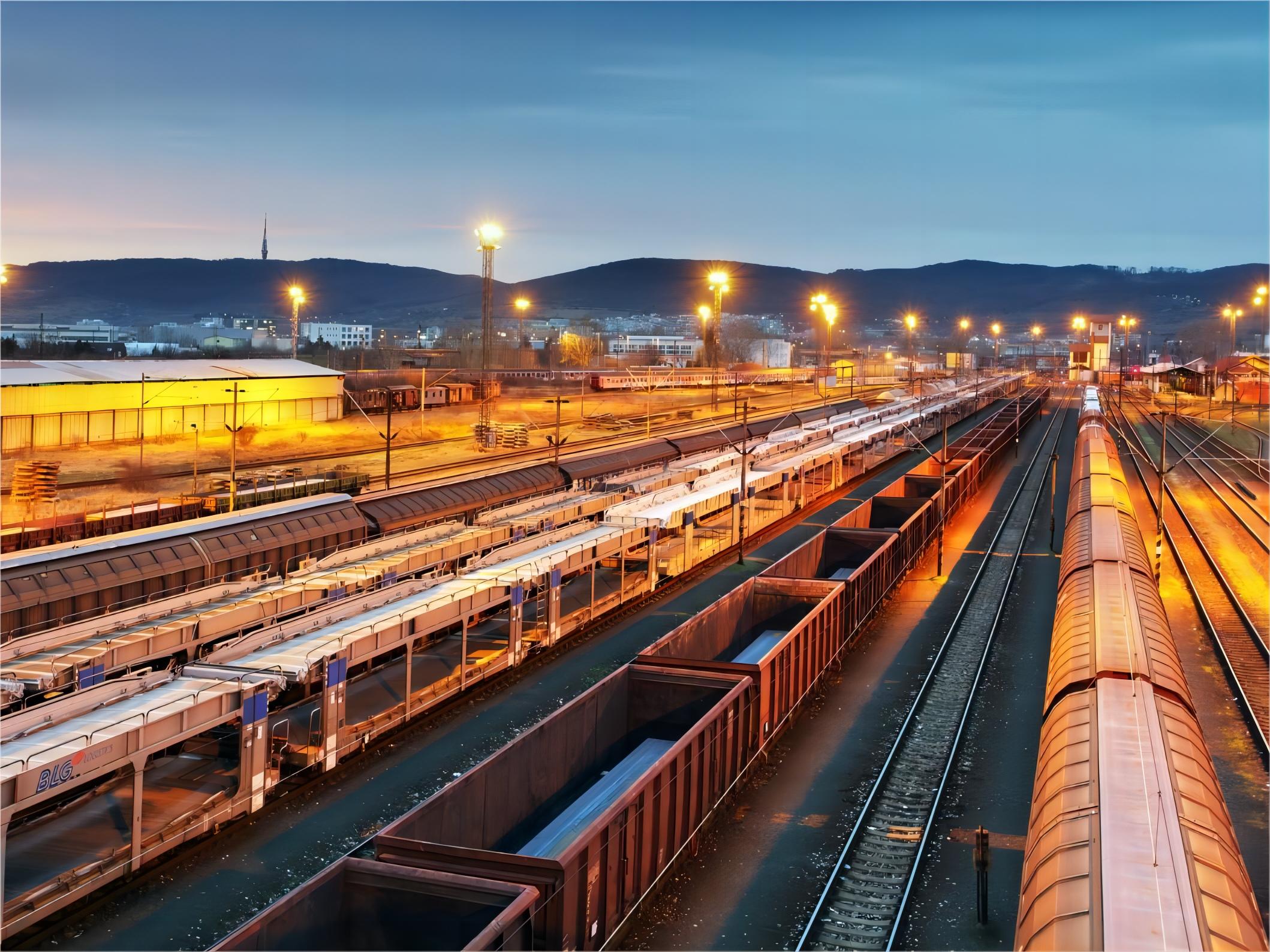
Why Sea Freight From China is Reliable for Modern Businesses
❖Reliability in the maritime industry has significantly improved as of early 2026 due to advanced digital tracking and better port management. Consequently, many importers are returning to ocean transport as their primary method for moving high-volume goods. Sea freight offers a level of predictability that air freight sometimes lacks during peak season surges.
Furthermore, the integration of AI-driven logistics platforms allows for real-time adjustments to shipping routes, minimizing the risk of unexpected delays. Choosing sea freight ensures that you can move large quantities of inventory without the exorbitant costs associated with other modes. This stability is vital for maintaining a consistent supply chain optimization strategy.
In addition, major carriers have invested heavily in greener, more efficient vessels that are less susceptible to fuel price volatility. Therefore, the long-term outlook for shipping remains positive for businesses of all sizes. By leveraging established shipping lanes, companies can ensure their products arrive within the expected delivery schedule.
How Does Sea Freight Compare to Other Shipping Options?
❖While ocean transport is the most popular choice, it is essential to understand how it stacks up against alternatives like rail or air. For instance, air freight is significantly faster but comes at a premium price that can erode profit margins on low-margin goods. On the other hand, rail freight offers a middle ground for landlocked destinations in Europe.
Moreover, the choice between methods often depends on the specific volume and urgency of the cargo. For shipments under 100kg, express service might be more practical than booking space on a vessel. However, for bulk commodities or heavy machinery, the ocean remains the only viable and cost-efficient solution.
To summarize the differences, consider the following comparison table based on 2026 market benchmarks.
| Shipping Method | Cost Range | Transit Time | Best For |
|---|---|---|---|
| Sea Freight | $2,000 – $4,500 (40HQ) | 18 – 40 Days | Bulk items, FCL/LCL |
| Air Freight | $5.00 – $9.00 / kg | 3 – 7 Days | High-value, urgent |
| Rail Freight | $1,200 – $2,800 (Per TEU) | 15 – 22 Days | Mid-range urgency |
| Express | $8.00 – $15.00 / kg | 2 – 5 Days | Samples, documents |

Understanding FCL vs LCL for Maximum Reliability
❖Deciding between Full Container Load (FCL) and Less than Container Load (LCL) is a critical step in ensuring your sea freight from china reliable experience. FCL is generally faster and more secure because the container is dedicated solely to your goods. As a result, there is less handling and a lower risk of damage during transit.
Conversely, LCL allows you to share container space with other shippers, which is ideal for smaller volumes. While this is cost-effective, it may add 5 to 7 days to the total transit time due to the consolidation and deconsolidation processes at the ports. Nevertheless, for many small businesses, LCL remains the most accessible entry point into international trade.
Additionally, businesses targeting online marketplaces often utilize Amazon FBA services to streamline their last-mile delivery. This hybrid approach combines the cost savings of ocean freight with the efficiency of localized distribution centers. Ultimately, your choice should align with your inventory turnover rates and storage capacity.
Key Factors Affecting Sea Freight From China Reliable Schedules
❖Several external variables can impact the reliability of your shipments, even with the best planning. For example, seasonal peaks during the Golden Week in October or the Lunar New Year in early 2026 can lead to severe port congestion. During these times, freight rates typically increase by 15-25% as demand outstrips vessel capacity.
Another factor to consider is the weather, particularly during the typhoon season in the South China Sea. While modern vessels are built to withstand heavy seas, significant storms can still force port closures or route deviations. Consequently, building a buffer of 5 to 10 days into your delivery schedule is a wise move for critical inventory.
Market data suggests that port efficiency in major hubs like Shanghai and Ningbo has reached record highs in 2026. However, destination ports in North America or Europe may still face labor shortages or infrastructure bottlenecks. Therefore, maintaining open communication with your freight forwarder is essential for navigating these challenges successfully.
Essential Documentation for Smooth Customs Clearance
❖One of the primary causes of shipping delays is incorrect or incomplete documentation. Indeed, even a minor error on a Commercial Invoice or Packing List can lead to lengthy inspections and additional storage fees. Utilizing a professional customs brokerage service is often the best way to mitigate these risks.
Moreover, different countries have specific requirements for specialized cargo like electronics, chemicals, or food products. For instance, shipping to Europe requires strict adherence to CE marking and environmental regulations. Without the correct paperwork, your cargo could be held at the port of discharge indefinitely.
The following checklist outlines the standard documents required for most international sea freight shipments.
| Document Name | Purpose | Required By | Priority |
|---|---|---|---|
| Bill of Lading | Title of goods | Carrier/Customs | Critical |
| Commercial Invoice | Value declaration | Customs | Critical |
| Packing List | Content details | Warehouse/Customs | High |
| Certificate of Origin | Duty assessment | Customs | High |
Regional Transit Times and Cost Benchmarks
❖Transit times vary significantly depending on the destination port and the specific shipping line used. For example, a direct route from Shenzhen to Los Angeles is much faster than a transshipment route via Singapore. As of early 2026, shipping to the West Coast of North America remains the fastest trans-Pacific option.
Meanwhile, shipments to the East Coast of the United States often take longer due to the transit through the Panama or Suez Canals. In contrast, Australia routes are relatively quick, often taking less than three weeks from major Chinese ports. Understanding these regional differences helps in setting realistic expectations for your customers.
Note: Freight rates are subject to change based on fuel costs, carrier capacity, and seasonal demand. Contact us for a current quote tailored to your specific shipment.
| Destination | Major Port | Transit (Days) | Est. Cost (40HQ) |
|---|---|---|---|
| USA West Coast | Long Beach | 14 – 18 | $2,800 – $3,800 |
| USA East Coast | Savannah | 30 – 35 | $4,500 – $6,000 |
| Northern Europe | Rotterdam | 28 – 35 | $3,000 – $4,200 |
| Australia | Sydney | 12 – 18 | $1,400 – $2,000 |
Real-World Case Studies in 2026
❖Case Study 1: Electronics Distribution in North America. Route: Shenzhen, China to Long Beach, USA. Cargo: Consumer electronics, 15 CBM. Container: LCL. Shipping Details: Direct carrier service via COSCO. Cost Breakdown: Ocean Freight $1,200, Origin Charges $300, Destination Charges $450, Total Landed Cost $1,950. Timeline: 16 days sea transit, 4 days clearance, 22 days total door-to-door. Key Insight: Using LCL saved the client 40% compared to air freight with only a 10-day delay.
Case Study 2: Furniture Importation in Europe. Route: Ningbo, China to Hamburg, Germany. Cargo: Office furniture, 68 CBM. Container: 40HQ. Shipping Details: Transshipment via Singapore. Cost Breakdown: Ocean Freight $3,800, Origin Charges $400, Destination Charges $600, Customs $1,200, Total Landed Cost $6,000. Timeline: 32 days sea transit, 5 days clearance, 40 days total. Key Insight: Booking 4 weeks in advance secured a rate 15% lower than spot market prices during the Q3 peak.
These scenarios demonstrate that with proper planning and a focus on sea freight from china reliable providers, businesses can manage their logistics costs effectively while maintaining a steady flow of goods.

Which Option Should You Choose? Decision Framework
❖Selecting the right shipping strategy requires a balance between speed, cost, and cargo requirements. If your primary goal is budget priority, then sea freight is almost always the recommended option, especially for volumes exceeding 2 CBM. However, if you are facing a stock-out situation, a hybrid sea-air solution might be necessary to bridge the gap.
For speed priority, air freight remains king, but the environmental impact and cost make it less sustainable for long-term operations. Cargo type considerations also play a role; hazardous materials or oversized items often have limited options and may require specialized container types like Flat Racks or Open Tops. Volume thresholds are also important; once you hit 15-20 CBM, switching from LCL to a 20GP container often becomes more economical.
Ultimately, the best approach is to work with a partner who offers door to door solutions. This minimizes the number of intermediaries and reduces the potential for communication breakdowns. By centralizing your logistics, you can focus on growing your business while the experts handle the complexities of international shipping.
Securing Your Supply Chain for the Future
In conclusion, ensuring your sea freight from china reliable experience requires a combination of early planning, correct documentation, and choosing the right shipping partner. While the global market continues to evolve, the cost-effectiveness of ocean transport remains unparalleled for the majority of commercial goods.
By understanding the nuances of FCL and LCL, monitoring seasonal trends, and utilizing professional brokerage services, you can significantly reduce your landed costs. As we move through 2026, staying informed and adaptable will be the key to navigating the complexities of international trade and maintaining a competitive edge in your industry.
Ready to streamline your logistics?
Ready to streamline your logistics with sea freight from china reliable services? Contact China Freight World today for a customized quote and expert guidance on your next shipment. Visit our website to get started with a free consultation and secure your 2026 shipping rates now. Send Inquiry: https://chinafreightworld.com/
Request Quote