

DDP Shipping from China Bulk Cargo: The 2026 Logistics Guide
DDP shipping from China bulk cargo remains the most efficient way for global businesses to manage high-volume imports without the stress of complex customs. Navigating the international trade landscape requires a reliable partner like China Freight World to ensure seamless delivery. This comprehensive guide explores how Delivered Duty Paid services simplify your supply chain by handling everything from the factory floor to your final warehouse destination.
✦
What is DDP Shipping from China Bulk Cargo?
Delivered Duty Paid (DDP) is a specialized shipping agreement where the seller assumes all responsibility, risks, and costs associated with transporting goods. Specifically, this includes paying for export and import duties, taxes, and other charges until the cargo reaches the buyer’s doorstep. Consequently, the buyer is only responsible for unloading the goods upon arrival.
Bulk cargo logistics often involve massive quantities of raw materials or unpackaged goods that require specialized handling. Moreover, managing these shipments under DDP terms eliminates the need for the importer to deal with the complexities of foreign customs authorities. Therefore, businesses can focus on sales and operations while the freight forwarder manages the intricate details of the journey.
In the current 2026 market, many importers prefer this method because it provides a predictable, all-inclusive price. Additionally, it minimizes the risk of unexpected storage fees or administrative delays at the port of entry. Indeed, choosing DDP for your large-scale imports is a strategic move for maintaining a stable supply chain.
Why Choose DDP for Large Bulk Shipments?
Choosing DDP for bulk shipments provides unparalleled convenience by streamlining the entire import process. Furthermore, it shifts the burden of customs compliance and tax calculation to the logistics provider. As a result, small to medium-sized enterprises can compete with larger corporations by accessing simplified international trade routes.
Cost transparency is another significant advantage of this shipping model. Because the quote includes all fees, businesses can calculate their landed cost with 100 percent accuracy before the shipment even leaves China. Meanwhile, other terms like FOB or CIF might lead to surprise charges at the destination port.
Risk mitigation is also a core benefit for those handling high-value bulk cargo. Since the seller or forwarder bears the risk until delivery, the buyer is protected against transit damage or losses during the most volatile stages of the journey. Consequently, this arrangement fosters a more secure and predictable business environment.
Comparing DDP with Other Common Incoterms
Understanding the differences between Incoterms is vital for optimizing your shipping budget. While DDP offers the most service, other options like FOB (Free on Board) or CIF (Cost, Insurance, and Freight) might appeal to those with in-house customs expertise. However, for most bulk importers, the all-in nature of DDP outweighs the potential savings of managing logistics manually.
Specifically, under FOB, the buyer takes control once the goods are loaded onto the vessel in China. This requires the importer to manage the ocean freight and destination customs themselves. In contrast, DDP covers every step, providing a true door-to-door experience.
| Seller Responsibility | Maximum | Minimal | Moderate |
| Customs Clearance | Seller Handles | Buyer Handles | Buyer Handles |
| Import Duties | Paid by Seller | Paid by Buyer | Paid by Buyer |
| Risk Transfer | At Destination | At Loading Port | At Loading Port |
Shipping Methods for Bulk Cargo: Sea vs Rail
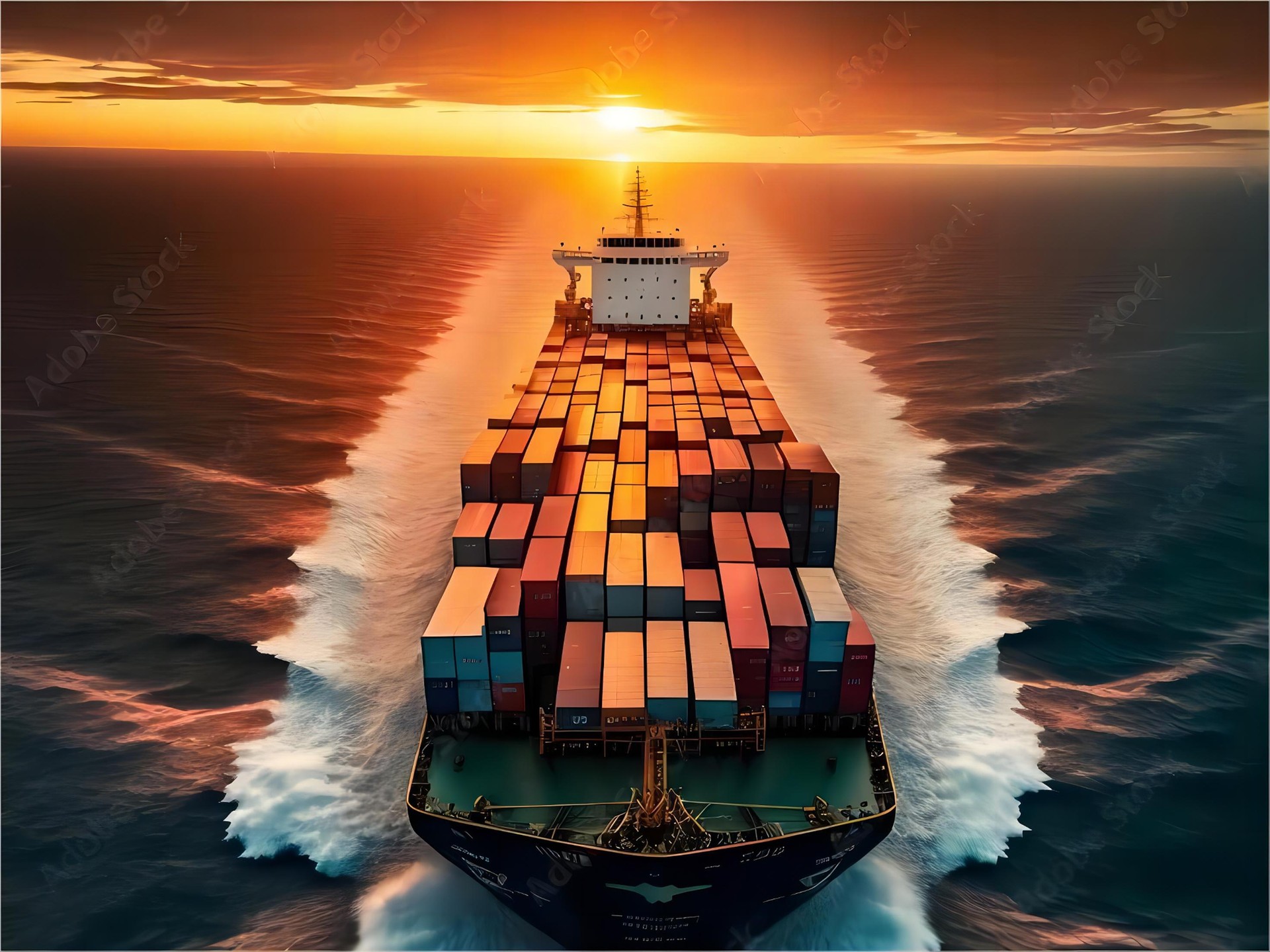
When moving massive volumes, sea freight remains the most cost-effective solution for long-distance transport. Large container ships can carry thousands of tons of cargo, making the price per unit significantly lower than any other method. Nevertheless, transit times are longer, typically ranging from 30 to 45 days depending on the destination.
For shipments heading to landlocked regions or specific inland hubs, rail freight has become a powerful alternative in 2026. The expansion of the New Silk Road has reduced transit times between China and Central Asia or Europe to just 15-20 days. Consequently, rail offers a middle ground between the speed of air and the economy of sea.
Air freight is rarely used for bulk cargo due to extreme costs, but it remains an option for urgent, high-value components. However, for the vast majority of bulk commodities, the combination of sea or rail with door to door logistics provides the best balance of price and performance.
How Does DDP Shipping from China Bulk Cargo Compare to Other Shipping Options?
Analyzing all viable alternatives is essential for any savvy supply chain manager. While DDP is highly convenient, some businesses might explore hybrid solutions or direct carrier contracts to save on service premiums. Nevertheless, for bulk cargo, the complexity of local regulations often makes the DDP model the most reliable choice.
For instance, using a standard port-to-port service might seem cheaper on paper. However, once you factor in the cost of hiring a separate customs brokerage and arranging local trucking, the total expense often exceeds a single DDP quote. Therefore, the integrated approach usually yields better long-term value.
| DDP Sea Freight | $150 – $350 | 30-45 Days | E-commerce & Retail |
| Standard FCL | $100 – $250 | 25-40 Days | Large Manufacturers |
| DDP Rail Freight | $250 – $500 | 18-25 Days | Urgent Industrial |
| LCL Consolidation | $80 – $200 | 35-50 Days | Smaller Bulk Batches |
Which Option Should You Choose?
Determining the right shipping strategy depends on your specific business priorities and budget constraints. If your primary goal is the lowest possible cost and you have a dedicated logistics team, a port-to-port FCL shipment might be suitable. On the other hand, if you value time and want to avoid the headache of tax filings, DDP is the clear winner.
Budget priority: Recommend DDP Sea Freight for its all-inclusive pricing and low per-unit cost. Speed priority: Recommend DDP Rail Freight or Sea-Air hybrid solutions for faster market entry. Volume thresholds: For shipments over 15 CBM, always consider a full container (FCL) under DDP terms to maximize efficiency.
Cargo type also plays a role in your decision. Fragile or high-value bulk items benefit from the reduced handling involved in a dedicated door-to-door service. Ultimately, the peace of mind provided by a single point of contact for the entire journey is often worth the slight premium in service fees.
Real Case Studies: DDP Bulk Shipments in 2026
Case Study 1: Solar Panel Components to Los Angeles. Route: Shanghai to Los Angeles. Cargo: 40HQ Container, 68 CBM, 18,000 kg. Shipping Method: DDP Sea Freight. Ocean Freight: $3,200. Customs and Duties: $1,450. Total Landed Cost: $5,150. Total Door-to-Door: 22 days. Key Insight: Utilizing a direct route to the West Coast saved 12 days compared to transshipment options.
Case Study 2: Industrial Machinery to Poland. Route: Shenzhen to Warsaw. Cargo: LCL 12 CBM, 4,500 kg. Shipping Method: DDP Rail Freight. Rail Freight: $2,800. Origin Charges: $400. Customs and Duties: $950. Total Landed Cost: $4,150. Total Door-to-Door: 19 days. Key Insight: Rail freight provided a 50 percent time saving over sea freight with manageable costs.
Case Study 3: Furniture Bulk Order to Sydney. Route: Guangzhou to Sydney. Cargo: 20GP Container, 28 CBM. Shipping Method: DDP Sea Freight via Australia dedicated line. Total Landed Cost: $3,800. Total Door-to-Door: 16 days. Key Insight: Using a specialized country line reduced customs clearance time to just 24 hours.

Cost Factors and 2026 Market Trends
As of early 2026, freight rates have stabilized following the global supply chain adjustments of 2025. However, seasonal fluctuations still occur, with rates typically increasing by 15-20 percent during the peak season from August to October. Consequently, booking at least 3-4 weeks in advance is recommended to secure the best pricing.
Fuel surcharges and port congestion also influence the final cost of DDP shipping from China bulk cargo. Moreover, the adoption of green fuels in the shipping industry has led to a slight increase in base rates, which is often offset by improved efficiency. Therefore, importers should stay informed about these macro trends to optimize their procurement cycles.
Note: Freight rates are subject to change based on fuel costs, carrier capacity, and seasonal demand. Contact us for a current quote tailored to your specific shipment.
Shipping Bulk Cargo to North America
Transporting goods to North America involves navigating different regulations between the USA and Canada. For bulk cargo, the US West Coast ports like Los Angeles and Long Beach remain the primary gateways. Furthermore, DDP services to these regions include the complex ISF filing and Bond requirements, which are handled entirely by the forwarder.
Shipping to the East Coast typically takes longer but can be more cost-effective for businesses located in the Atlantic region. Indeed, the choice of port can impact your final delivery time by up to 14 days. Consequently, a strategic logistics plan is necessary to balance transit time and inland trucking costs.
Navigating Customs and Documentation
The success of any DDP shipment hinges on accurate documentation and strict compliance with import regulations. Essential documents include the Commercial Invoice, Packing List, and Bill of Lading. Additionally, certain bulk items may require specific certificates of origin or safety data sheets.
In 2026, digital customs platforms have streamlined the filing process, but manual errors can still lead to costly delays. Therefore, working with a provider that offers integrated customs support is vital. Moreover, ensuring that all HS codes are correctly classified prevents overpayment of duties and avoids legal complications.
Mastering Your Bulk Cargo Logistics
In conclusion, ddp shipping from china bulk cargo offers a powerful combination of convenience, cost-predictability, and risk management. By outsourcing the complexities of international trade to experts, businesses can focus on their core growth strategies while ensuring their inventory arrives safely and on time. Whether you choose sea or rail, the DDP model remains the gold standard for modern importers.
As market conditions continue to evolve in 2026, staying informed and choosing the right partners will be your greatest competitive advantage. Start optimizing your bulk shipments today for a more resilient and profitable tomorrow.
Streamline your supply chain today with professional ddp shipping from china bulk cargo services. Our team at China Freight World is ready to provide you with a tailored, all-inclusive quote that covers every detail from pick-up to final delivery. Visit our website to request your free consultation and experience hassle-free international logistics. Send Inquiry:
Frequently Asked Questions
What exactly does the DDP price include?
How long does DDP shipping from China take for bulk cargo?
Are there weight limits for DDP bulk cargo shipments?
Who pays the import VAT in a DDP agreement?
Is insurance included in DDP bulk shipping?
Can I ship hazardous bulk materials via DDP?
What happens if there are customs delays?
Is DDP available for all countries?