Amazon FBA Shipping China USA: The Ultimate 2025 Logistics Guide
Navigating the complexities of amazon fba shipping china usa requires a strategic approach to ensure timely inventory replenishment and cost efficiency. Success in the competitive e-commerce landscape often depends on how effectively you manage your international logistics. Partnering with a reliable logistics provider like China Freight World helps sellers overcome common hurdles such as customs delays and fluctuating freight rates. Consequently, this comprehensive guide explores the most efficient ways to move cargo across the Pacific while maintaining high profit margins.
What Are the Main Methods for Amazon FBA Shipping China USA?
Choosing the right transportation mode is the first critical decision for any Amazon seller importing from Asia. Most businesses utilize sea freight because it offers the lowest cost per unit for large inventory volumes. Moreover, ocean transport allows for the movement of oversized items that might be restricted or too expensive for air travel.
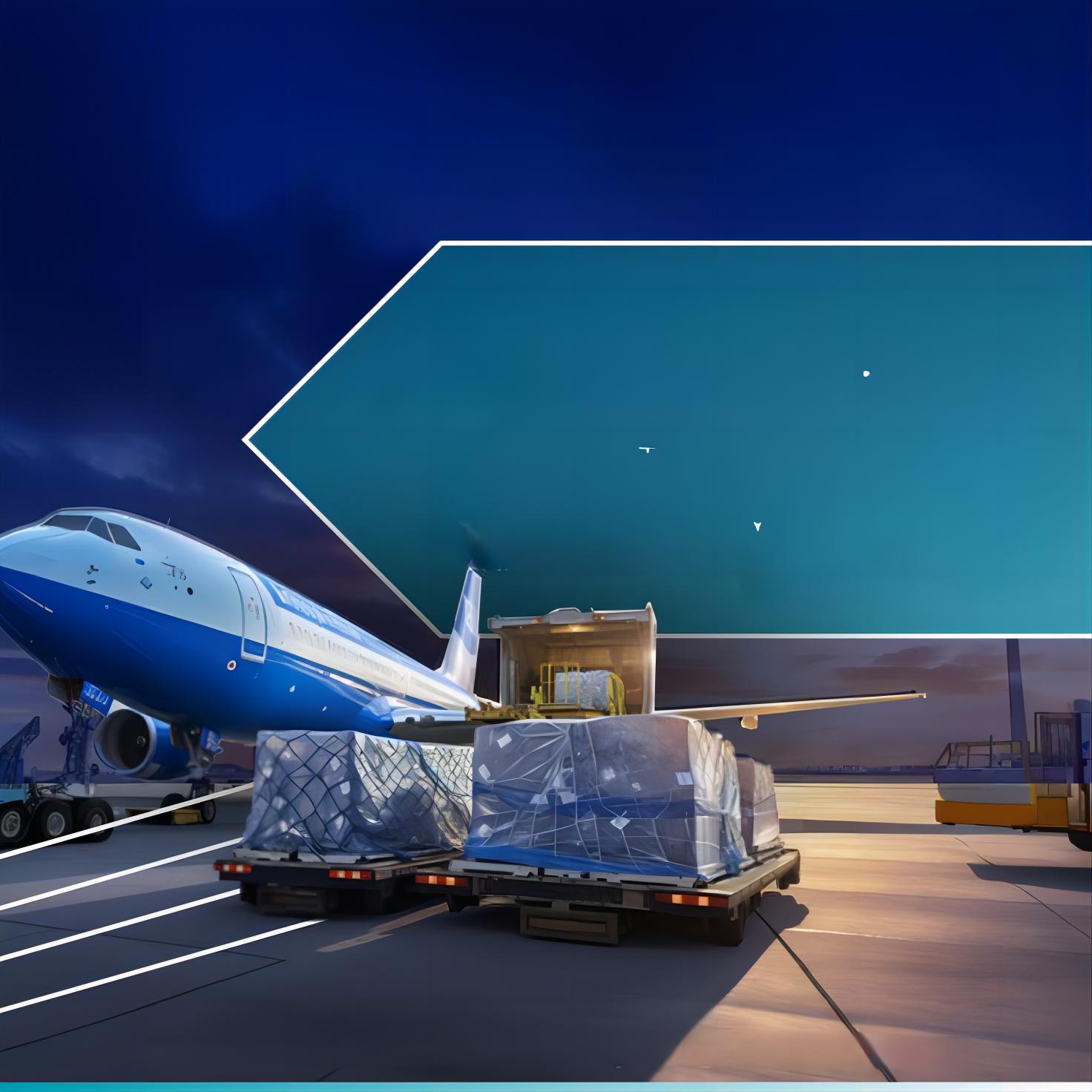
Additionally, air transport remains a vital tool for sellers who need to restock quickly or launch new products. While the price per kilogram is significantly higher, the speed of delivery often justifies the investment during peak shopping seasons. Therefore, understanding the balance between cost and speed is essential for maintaining a healthy supply chain.
LCL vs FCL Sea Freight
Less than Container Load (LCL) serves sellers who do not have enough goods to fill a standard 20-foot container. Consequently, multiple shipments share the same space, making it a cost-effective choice for smaller batches. However, LCL often involves longer transit times due to the consolidation and deconsolidation processes at the ports.
Full Container Load (FCL) provides a dedicated space for your goods, which typically results in faster transit and lower risk of damage. If your shipment exceeds 15 cubic meters, booking an entire container usually becomes more economical than paying for individual cubic meters in LCL. Indeed, FCL is the preferred method for established brands with high-volume sales.
How Does Amazon FBA Shipping China USA Compare to Other Shipping Options?
Comparing various logistics strategies allows sellers to identify the most profitable route for their specific cargo type. While ocean freight is the standard, alternatives like air express or hybrid sea-air solutions offer different advantages. Furthermore, market data suggests that diversifying your shipping methods can protect your business from port strikes or regional disruptions.
Currently, air freight provides a middle ground between expensive express services and slow ocean voyages. This method is particularly useful for electronics or high-value fashion items where the shelf life is short. In contrast, sea freight remains the king of bulk commodities due to its unmatched capacity.
| Shipping Method | Cost Range | Transit Time | Best For |
|---|---|---|---|
| Air Express | $8.00 – $12.00 / kg | 3 – 7 Days | Urgent Restocks |
| Air Freight | $4.00 – $7.00 / kg | 8 – 12 Days | High-Value Goods |
| LCL Sea Freight | $150 – $300 / CBM | 25 – 40 Days | Small Batches |
| FCL Sea Freight | $3,000 – $5,500 / 40HQ | 20 – 35 Days | Bulk Inventory |
Understanding Transit Times and Delivery Schedules
Reliable delivery schedules are the backbone of a successful Amazon FBA logistics strategy. Shipping from major hubs like Shenzhen or Shanghai to the US West Coast typically takes 14 to 18 days via direct sea routes. Meanwhile, shipments destined for the East Coast or Midwest may require 30 to 45 days depending on the port of entry.
Using an express service can slash these timelines to under a week for urgent inventory needs. Consequently, many sellers adopt a tiered approach where they ship the majority of stock by sea and keep a small reserve for air transport. This strategy ensures that the Amazon listing remains active even if ocean shipments face unexpected delays.
Why is Amazon FBA Shipping China USA Customs Clearance So Critical?
Customs clearance represents one of the most complex stages of the international shipping process. Every shipment must comply with US Customs and Border Protection (CBP) regulations to avoid costly fines or seizures. Therefore, hiring a professional Amazon FBA logistics expert ensures that all paperwork is accurate and submitted on time.
Moreover, sellers must be aware of Section 301 tariffs which affect many goods imported from China. These additional duties can significantly impact your landed cost and overall profitability. Proper classification of your products using the correct Harmonized Tariff Schedule (HTS) code is essential for accurate duty calculation.
| Document Name | Purpose | Required By | Notes |
|---|---|---|---|
| Commercial Invoice | Value Declaration | CBP / Customs | Must match packing list |
| Packing List | Cargo Details | Warehouse / Customs | Lists SKU and quantity |
| Bill of Lading | Title of Goods | Carrier | Essential for release |
| ISF (10+2) | Security Filing | US Customs | Must file 24h before loading |
Case Studies: Real-World Amazon FBA Shipping Scenarios
Detailed examples of actual shipments provide valuable insights into the current market rates and timelines. These case studies reflect typical costs as of early 2025 and highlight the importance of choosing the right port of entry. Analyzing these scenarios helps sellers benchmark their own logistics expenses against industry averages.
Case Study 1: Small Electronics Batch Route: Ningbo, China to Los Angeles, USA Cargo: Bluetooth Headphones, 4 CBM, 850 kg Shipping Method: LCL Sea Freight Ocean Freight: $850 Origin Charges: $220 Destination Charges: $350 Customs and Duties: $1,100 Total Landed Cost: $2,520 Total Door-to-Door: 24 Days Key Insight: LCL was chosen to balance cost and speed for a mid-sized restock.
Case Study 2: High-Volume Home Goods Route: Shenzhen, China to Savannah, USA Cargo: Kitchenware, 1 x 40HQ Container Shipping Method: FCL Sea Freight Ocean Freight: $4,800 Origin Charges: $450 Destination Charges: $600 Customs and Duties: $3,200 Total Landed Cost: $9,050 Total Door-to-Door: 38 Days Key Insight: Using a direct route to the East Coast saved $800 in domestic trucking fees.
Case Study 3: Urgent Seasonal Launch Route: Shanghai, China to Dallas, USA Cargo: Apparel, 250 kg Shipping Method: Air Freight (Door to Door) Air Freight: $1,625 Customs and Duties: $450 Total Landed Cost: $2,075 Total Door-to-Door: 9 Days Key Insight: Fast transit allowed the seller to hit a specific marketing window.

Which Option Should You Choose? A Decision Framework
Determining the best logistics path depends on your specific business priorities and cargo characteristics. If your primary goal is cost reduction and you have high inventory levels, sea freight is the logical choice. However, if you are launching a new product and need to test the market quickly, air express provides the necessary agility.
Sellers should also consider the volume of their goods when choosing between LCL and FCL. A door to door service is often the most convenient for Amazon sellers as it handles every step from the factory to the FBA warehouse. This all-inclusive approach minimizes the risk of communication errors between different logistics providers.
Alternative Strategy: The Sea-Air Hybrid
Hybrid solutions offer an innovative way to manage transit times while controlling expenses. This method involves shipping goods by sea to a hub like Dubai or Singapore and then flying them to the USA. Consequently, you can achieve a transit time that is faster than sea freight but significantly cheaper than pure air freight.
Another alternative is the use of ‘Fast Boat’ services which utilize dedicated terminals and priority unloading. These services can deliver goods from China to the US West Coast in as little as 12 to 14 days. Although they cost more than standard ocean freight, they are a powerful tool for maintaining stock levels without the high price of air travel.
Cost-Saving Strategies for Amazon Sellers
Implementing smart logistics practices can significantly improve your bottom line over time. One effective method is to optimize your packaging to reduce the volumetric weight of your shipments. Since carriers charge based on either actual weight or space occupied, compact packaging directly lowers your freight bills.
Consolidating orders from multiple suppliers into a single shipment is another way to save on origin charges. Furthermore, booking your shipments at least two to three weeks in advance can help you secure lower rates before peak season price hikes. Finally, always request a detailed breakdown of all fees to avoid hidden costs that can erode your margins.
Note: Freight rates are subject to change based on fuel costs, carrier capacity, and seasonal demand. Contact us for a current quote tailored to your specific shipment.
Final Thoughts on Amazon FBA Shipping China USA
Mastering the intricacies of amazon fba shipping china usa is essential for any seller looking to scale their operations in the American market. By understanding the differences between sea and air freight, navigating customs requirements, and implementing cost-saving strategies, you can build a resilient supply chain. Remember that logistics is not just a cost center but a strategic advantage that can differentiate your brand from the competition.
Professional freight forwarders play a vital role in this journey by providing the expertise and local knowledge needed to avoid common pitfalls. Whether you choose LCL, FCL, or air express, the key is to remain proactive and stay informed about market trends. Start optimizing your shipping routes today to ensure your Amazon FBA inventory is always ready for your customers.
Ready to streamline your logistics?
Ready to streamline your amazon fba shipping china usa process? Contact China Freight World today for a professional consultation and a competitive freight quote. Let our experts handle your logistics so you can focus on growing your Amazon business. Send Inquiry for the best rates.
Request Quote