
LCL Shipping China by Sea: The Complete 2025 Logistics Guide
Navigating the complexities of international trade requires a deep understanding of cost-effective transportation methods. For many growing businesses, using China Freight World to manage lcl shipping china by sea offers the perfect balance between affordability and reliability. This method allows importers to share container space, significantly reducing overhead while maintaining a steady flow of inventory from Chinese manufacturing hubs to global markets.
What is LCL Shipping China by Sea and How Does it Benefit You?
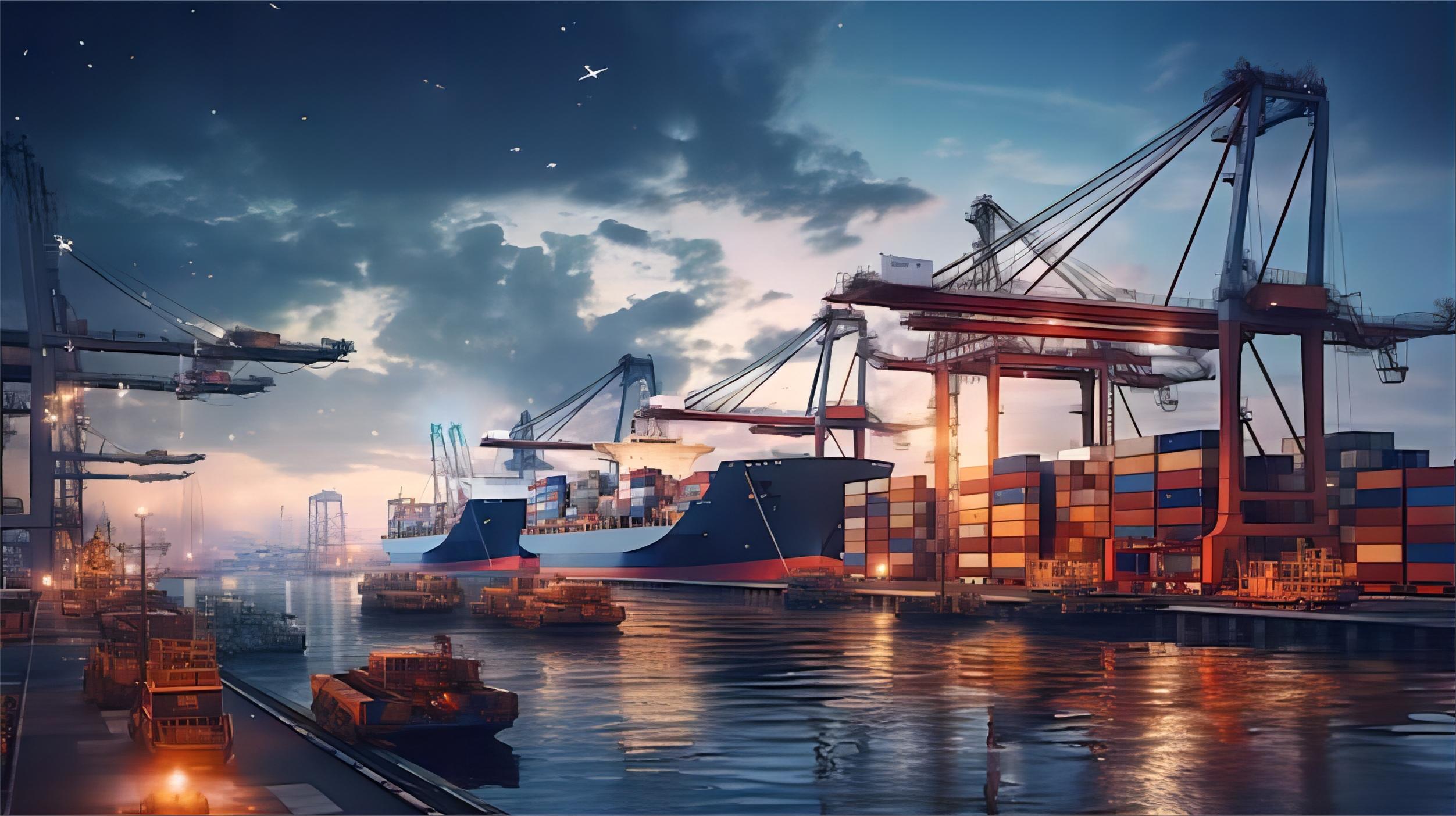
Less than Container Load (LCL) refers to a shipping arrangement where multiple shippers share the space within a single ocean container. Consequently, this method serves as an ideal solution for businesses that do not have enough cargo to fill a standard 20-foot or 40-foot container. By paying only for the volume they occupy, importers can manage smaller inventory batches without the financial burden of a full container.

Furthermore, lcl shipping china by sea provides immense flexibility for small to medium-sized enterprises. Instead of waiting to accumulate enough goods for a large shipment, you can maintain a more frequent delivery schedule. This agility helps in reducing warehouse storage costs and improves overall cash flow by preventing capital from being tied up in excessive stock.
Moreover, the consolidation process is handled by professional freight forwarders at a Container Freight Station (CFS). These experts ensure that your goods are safely packed alongside compatible cargo. Therefore, you benefit from the professional handling and security of a major shipping line even if your shipment only occupies a few cubic meters.
How Does LCL Shipping Compare to Other Shipping Options?
Choosing the right transport mode depends heavily on your specific volume, budget, and urgency. While sea freight remains the most popular choice for bulk goods, LCL fills a unique niche for mid-sized shipments. In contrast to Full Container Load (FCL), LCL offers lower entry costs for volumes typically between 1 and 15 cubic meters.
However, shippers must consider the trade-offs involved in shared container space. Because LCL involves consolidation and deconsolidation, it typically requires more handling and slightly longer transit times than FCL. Additionally, the risk of minor delays increases as the container depends on the clearance of multiple individual shipments.
Below is an objective analysis of the viable alternatives for your route from China:
| Shipping Method | Cost Range | Transit Time | Best For | Limitations |
|---|---|---|---|---|
| LCL Sea Freight | $50 – $150 per CBM | 20 – 45 Days | 1-15 CBM shipments | Longer transit times |
| FCL Sea Freight | $1,500 – $5,000 per Box | 14 – 35 Days | Large bulk orders | High fixed cost |
| Air Freight | $4.00 – $8.00 per KG | 3 – 7 Days | High-value, urgent | Very expensive |
| Rail Freight | $80 – $200 per CBM | 15 – 22 Days | Europe-bound cargo | Limited routes |
Is LCL Shipping China by Sea Faster Than Rail or Air?
Speed is often the primary concern for businesses managing tight production deadlines. When comparing methods, air freight is undeniably the fastest option available. Nevertheless, the cost of air transport can be ten times higher than sea freight, making it unsustainable for many low-margin products.
Meanwhile, rail freight offers a middle ground for shipments heading to Central Asia or the European continent. It provides faster transit than the ocean but remains more affordable than the air. For example, a train from Chengdu to Poland takes about 15 days, whereas lcl shipping china by sea might take 35 days to reach the same destination.
Consequently, businesses must weigh the cost savings of sea transport against the potential lost sales from slower delivery. If your lead times allow for a month of transit, the ocean route is almost always the most economical decision. Indeed, many companies use a hybrid strategy, shipping urgent samples by air and the bulk of their inventory via LCL sea freight.
Understanding the Costs of LCL Shipping China by Sea
Calculating the total landed cost of LCL shipments involves several variables beyond the basic ocean freight rate. Primarily, carriers charge based on volume, specifically per cubic meter (CBM) or per 1,000 kilograms, whichever is greater. This ‘chargeable weight’ system ensures that both heavy and bulky items are priced fairly relative to the space they occupy.
In addition to the ocean freight, you must account for origin and destination charges. These include Container Freight Station (CFS) fees, documentation fees, and port handling charges. Furthermore, customs duties and taxes at the destination port will significantly impact your final invoice. Therefore, requesting a comprehensive quote that includes all local fees is essential for accurate budgeting.
Note: Freight rates are subject to change based on fuel costs, carrier capacity, and seasonal demand. Contact us for a current quote tailored to your specific shipment.
Typical Transit Times for LCL Shipments from Major Chinese Ports
Transit times for lcl shipping china by sea vary significantly depending on the destination port and the specific carrier route. For instance, shipments from Shenzhen to the West Coast of the United States are relatively fast. On the other hand, cargo destined for inland European cities or the East Coast of the US will spend more time on the water.
Moreover, the consolidation phase in China usually adds 5 to 7 days to the total timeline. Once the ship arrives at the destination, deconsolidation and customs clearance typically require another 3 to 5 days before the goods are ready for final delivery. Consequently, you should always factor in a buffer of at least one week when planning your supply chain schedule.
The following table provides an estimate of transit times from major Chinese hubs to global destinations:
| Origin Port | Destination Region | Average Transit (Days) | Frequency |
|---|---|---|---|
| Shanghai | US West Coast | 18 – 25 Days | Daily |
| Ningbo | Northern Europe | 32 – 40 Days | Weekly |
| Shenzhen | Australia | 15 – 22 Days | Bi-weekly |
| Qingdao | Mediterranean | 28 – 35 Days | Weekly |
Real Case Studies: Successful LCL Shipping Scenarios
Analyzing real-world examples helps in understanding the practical application of LCL logistics. These scenarios highlight how different businesses optimize their shipping strategy based on their specific needs and geographic locations. Indeed, learning from these cases can prevent common pitfalls and improve your own import processes.
Case Study 1: Electronics Distribution to North America
Route: Shenzhen, China to Los Angeles, USA. Cargo: 500 units of smart home devices, 3.5 CBM, 850 kg. Shipping Method: LCL Sea Freight. Total Landed Cost: $1,450. Timeline: 24 days door-to-door. Key Insight: By using LCL, the client avoided the $3,800 cost of a full container, saving over 60 percent on logistics for their North America distribution.
Case Study 2: Fashion Apparel to Europe
Route: Ningbo, China to Hamburg, Germany. Cargo: Seasonal clothing, 6 CBM, 1,200 kg. Shipping Method: LCL Sea Freight via Suez Canal. Total Landed Cost: $1,850. Timeline: 38 days. Key Insight: Despite the longer transit time to Europe, the high volume-to-weight ratio made LCL the only viable choice to maintain retail price points.
Case Study 3: Custom Furniture to Australia
Route: Shanghai, China to Sydney, Australia. Cargo: Handcrafted wooden tables, 2.2 CBM, 400 kg. Shipping Method: LCL Sea Freight. Total Landed Cost: $950. Timeline: 19 days. Key Insight: The importer utilized professional packing to ensure the fragile wood survived the shared container environment during the transit to Australia.
Alternative Strategies and Cost-Saving Tips for LCL Shipping
Maximizing the efficiency of lcl shipping china by sea requires more than just booking a slot. For instance, optimizing your packaging can lead to significant savings. Since LCL is billed by volume, reducing the size of your pallets or using stackable boxes can lower your total CBM count. Consequently, you pay less for the same amount of product.
Additionally, consider the timing of your bookings. Freight rates typically increase by 15 to 25 percent during the peak season from August to October. Therefore, if your inventory allows, shipping during the off-peak months of March through June can drastically reduce your transportation expenses. Planning your production around these market cycles is a hallmark of a sophisticated supply chain.
Furthermore, utilizing a hybrid sea-air solution can be a game-changer for urgent shipments. You might ship 80 percent of your order via LCL to keep costs down and the remaining 20 percent via air to meet immediate demand. This balanced approach ensures you never run out of stock while keeping your average shipping cost per unit manageable.
Customs Documentation and Compliance for LCL Cargo
Navigating the legal requirements of international shipping is often the most daunting part of the process. Every shipment of lcl shipping china by sea must be accompanied by a commercial invoice, a packing list, and a Bill of Lading. Furthermore, certain products may require specific certificates of origin or safety compliance documents. Failure to provide accurate paperwork can result in costly port storage fees and customs delays.
Consequently, many successful importers rely on a professional customs brokerage to handle the technical details. These experts understand the latest regulations and tariff classifications, ensuring your goods move through the port without unnecessary inspection. Additionally, they can help you identify potential duty drawbacks or trade agreements that could reduce your tax liability.
Moreover, ensuring your supplier in China provides the correct HS codes is vital. These codes determine the duty rate applied to your goods. If the codes are incorrect, you might overpay or face penalties for misclassification. Therefore, clear communication between your supplier, your broker, and your freight forwarder is the foundation of a smooth customs experience.
Why Choose Door to Door Services for Your LCL Shipments?
Managing multiple logistics providers can be time-consuming and prone to errors. To simplify the process, many businesses opt for a door to door service. This comprehensive solution covers everything from the initial pickup at the factory in China to the final delivery at your warehouse or office. Consequently, you only have one point of contact and one transparent invoice.
Furthermore, this integrated approach reduces the risk of cargo damage. When one company manages the entire journey, there is better accountability for how the goods are handled during transfers between trucks, warehouses, and ships. Indeed, the peace of mind provided by end-to-end management allows you to focus on marketing and sales rather than logistics headaches.
Finally, door-to-door services often include automated tracking. This visibility is crucial for modern businesses that need to provide accurate delivery estimates to their own customers. By knowing exactly where your lcl shipping china by sea cargo is at any given moment, you can better manage your inventory and customer expectations.
Summary of LCL Shipping from China
In conclusion, lcl shipping china by sea remains a cornerstone of international trade for businesses of all sizes. By offering a flexible and cost-effective way to transport smaller volumes, it enables companies to compete in the global marketplace without massive capital investment. However, success depends on careful planning, accurate documentation, and choosing the right logistics partner.
Whether you are shipping to North America, Europe, or Australia, understanding the nuances of consolidation and transit times is essential. By implementing the cost-saving strategies and compliance tips discussed in this guide, you can optimize your shipping operations for long-term growth. Ultimately, a well-managed LCL strategy is not just about moving goods; it is about building a resilient and efficient supply chain.

Ready to streamline your logistics?
Ready to streamline your supply chain with reliable lcl shipping china by sea? Contact our expert team today to receive a personalized quote and discover how we can reduce your logistics costs while improving delivery performance. Send Inquiry:
Request Quote