
Shipping from China by Air: The 2025 Guide to Fast Logistics
Shipping from China by air provides the fastest and most reliable way to transport goods across the globe in today’s fast-paced market. At China Freight World, we understand that businesses need efficient logistics to maintain a competitive edge. This comprehensive guide explores everything you need to know about air freight logistics, from calculating costs to navigating customs procedures smoothly.

What are the Benefits of Shipping from China by Air?
Speed remains the primary reason why companies choose this method over other transportation modes. While sea shipments might take several weeks, air transport ensures your products reach their destination in just a few days. Consequently, this rapid delivery schedule allows businesses to respond quickly to market demands and maintain low inventory levels.
Security is another significant advantage when moving high-value cargo through international airports. Aviation hubs maintain strict access controls and rigorous monitoring systems that significantly reduce the risk of theft or damage. Moreover, the shorter transit time means there is less handling of the goods, which further minimizes the potential for accidental breakages during the journey.
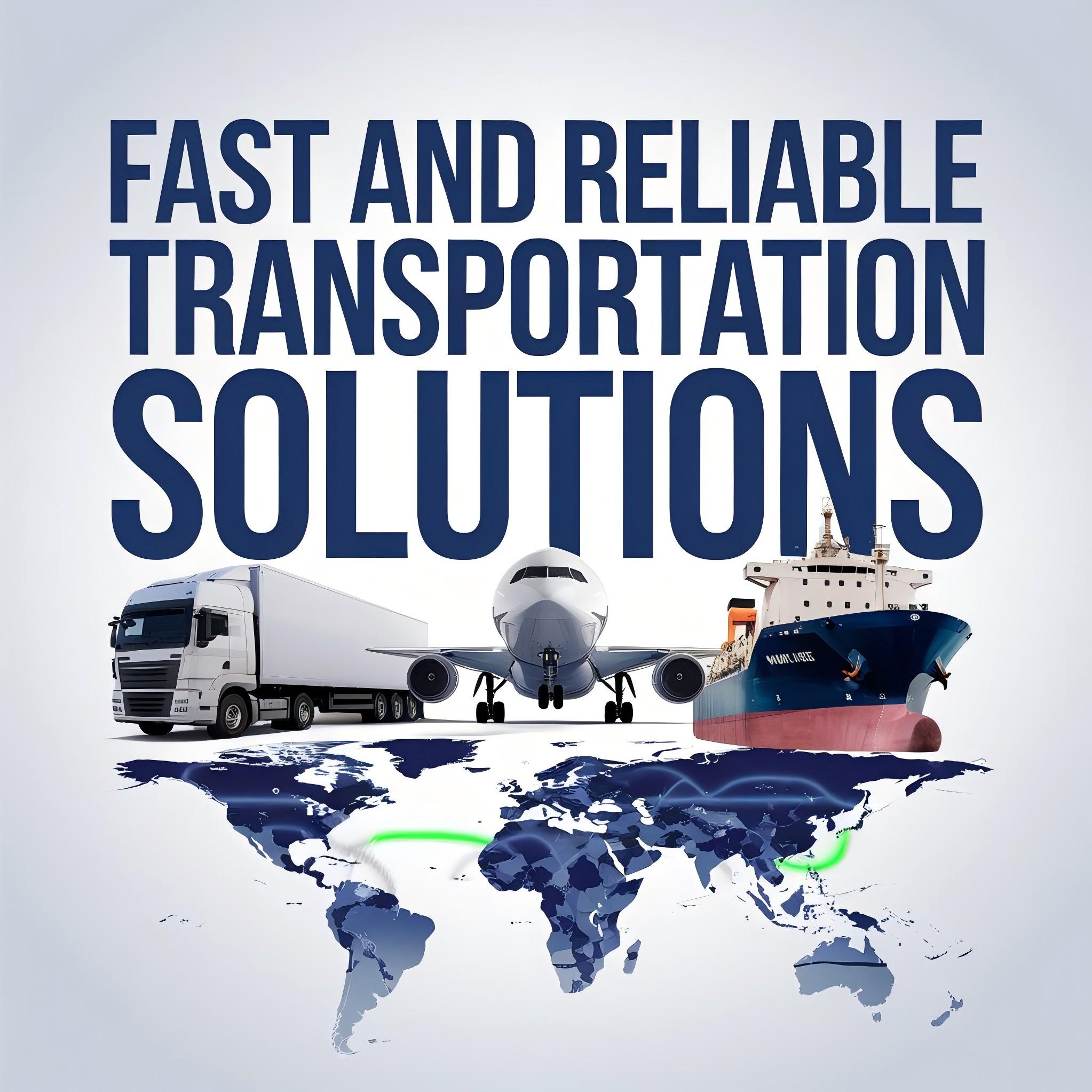
Reliability in scheduling makes air freight the preferred choice for time-sensitive shipments. Airlines follow strict flight schedules with frequent departures from major Chinese hubs like Shanghai, Shenzhen, and Guangzhou. Therefore, even if a flight is delayed, the next available connection is usually only a few hours away, ensuring your supply chain remains uninterrupted.
How Much Does Shipping from China by Air Cost?
Calculating the price of air transport involves understanding both actual weight and volumetric weight. Carriers charge based on whichever value is higher, which is a concept known as chargeable weight. For instance, a large box of lightweight pillows might cost more to ship than a small, heavy box of metal components because it occupies more space in the aircraft cargo hold.
Current market rates as of early 2025 suggest that prices fluctuate based on fuel surcharges and seasonal demand. During the peak season from August to October, you should expect to pay a premium as capacity tightens. Additionally, different service levels such as economy or premium express will impact the final invoice significantly.
Note: Freight rates are subject to change based on fuel costs, carrier capacity, and seasonal demand. Contact us for a current quote tailored to your specific shipment.
| Destination | Weight Range | Price per KG (USD) | Service Level |
|---|---|---|---|
| USA West Coast | 100-500kg | 4.50 – 6.50 | Standard |
| Europe (Main) | 100-500kg | 4.20 – 6.00 | Standard |
| Australia | 100-500kg | 3.50 – 5.50 | Economy |
| United Kingdom | 500kg+ | 3.80 – 5.20 | Premium |
Understanding Air Freight Transit Times from China
Transit times vary depending on whether you choose a direct flight or a service with transshipment points. Direct flights from major hubs like Beijing Capital International Airport to Los Angeles can take as little as 12 to 18 hours. However, the total door-to-door time usually spans 3 to 7 days once you account for pickup, consolidation, and customs clearance.
Regional differences in China also play a role in how quickly your goods depart. Suppliers located in manufacturing clusters near Shenzhen or Dongguan benefit from proximity to Hong Kong International Airport, which offers vast global connectivity. Meanwhile, shipments from inland provinces may require an extra day for domestic trucking to reach an international gateway.
Customs processing at the destination is the final variable in the delivery timeline. Efficient customs brokerage services can expedite this stage by ensuring all documentation is accurate and submitted in advance. In contrast, missing paperwork or incorrect tariff classifications can lead to delays that negate the speed benefits of air transport.
| Route | Airport to Airport | Door to Door | Frequency |
|---|---|---|---|
| China to USA | 1-3 Days | 4-7 Days | Daily |
| China to Europe | 2-4 Days | 5-8 Days | Daily |
| China to Australia | 1-3 Days | 4-6 Days | 5x Weekly |
| China to SE Asia | 5-10 Hours | 2-4 Days | Daily |
How Does Shipping from China by Air Compare to Other Shipping Options?
Comparing different logistics modes is essential for optimizing your transportation budget. While air freight is the fastest, it is significantly more expensive than ocean transport for large volumes. For example, shipping a full container of furniture by sea is much more economical than trying to move the same volume by plane.
Hybrid solutions like Express Service offer a middle ground for smaller parcels. These services combine the speed of air travel with integrated last-mile delivery, making them ideal for e-commerce sellers. Nevertheless, for bulk industrial parts, the cost-to-weight ratio usually favors traditional air cargo or rail options.
Rail transport has emerged as a viable alternative for shipments destined for Europe. It offers a faster transit time than sea freight while remaining cheaper than air freight. According to industry benchmarks, rail is perfect for medium-value goods that are not urgent enough for a plane but too valuable to sit on a ship for 40 days.
| Method | Cost Level | Transit Time | Best For |
|---|---|---|---|
| Air Freight | Highest | 3-7 Days | High-value/Urgent |
| Sea Freight | Lowest | 25-45 Days | Bulk/Heavy Goods |
| Rail Freight | Medium | 15-22 Days | Mid-value to Europe |
| Express | High | 2-5 Days | Small Parcels/Samples |
Which Option Should You Choose for Your Cargo?
Choosing the right method depends largely on your specific business priorities and the nature of your products. If your primary goal is budget priority, you should generally recommend sea freight for any shipment over 2 CBM. On the other hand, if speed priority is paramount for a product launch, air freight is the only logical choice.
Cargo type considerations also dictate the shipping strategy. Perishable items, electronics, and high-fashion apparel benefit from the climate-controlled environments and fast delivery of air transport. Furthermore, if you are shipping to Amazon FBA, using air freight can help you restock popular items quickly to avoid losing your search ranking.
Volume thresholds often act as the deciding factor for logistics managers. When a shipment is under 100kg, the price difference between air and sea (after port fees) is often negligible. However, as the weight increases, the cost gap widens, requiring a careful analysis of the trade-offs between time and money.
Key Customs Documents Needed for Air Freight
Proper documentation is the backbone of successful international trade. The most critical document is the Air Waybill (AWB), which serves as a contract between the shipper and the carrier. Additionally, you must provide a detailed Commercial Invoice that lists the value, description, and HS codes for every item in the shipment.
Packing lists are equally important as they allow customs officers to verify the contents of each box without opening them. Without a doubt, accuracy here prevents unnecessary inspections and delays. For certain regulated goods, you might also need a Certificate of Origin or specific permits required by the destination country’s government.
Engaging a professional freight forwarder ensures that all these documents are prepared correctly. They can handle the complexities of the customs clearance process, allowing you to focus on your core business activities. Indeed, many companies find that the peace of mind provided by an expert partner is worth the investment.
Real Case Studies: Successful Air Shipments
Case Study 1: Urgent Electronics Restock
Case Study 1: High-Value Electronics Delivery
Route: Shenzhen, China to Los Angeles, USA
Cargo: Smartphone components, 1.5 CBM, 380 kg
Service: Major carrier, Direct Flight
Port of Loading: Shenzhen (SZX)
Port of Discharge: Los Angeles (LAX)
Cost Breakdown:
– Air Freight: $2,150
– Origin Charges: $180
– Destination Charges: $220
– Customs and Duties: $450
– Total Landed Cost: $3,000
Timeline:
– Booking to Loading: 1 day
– Air Transit: 14 hours
– Customs Clearance: 1 day
– Total Door-to-Door: 4 days
Key Insight: Using a direct flight from Shenzhen saved the client 3 days compared to transshipment via Hong Kong, allowing them to meet a critical production deadline.
Case Study 2: Seasonal Fashion Launch
Case Study 2: Premium Apparel Shipment
Route: Shanghai, China to London, UK
Cargo: Designer clothing, 3.2 CBM, 520 kg
Service: Standard Air Freight
Port of Loading: Shanghai Pudong (PVG)
Port of Discharge: London Heathrow (LHR)
Cost Breakdown:
– Air Freight: $2,850
– Origin Charges: $210
– Destination Charges: $240
– Customs and Duties: $680
– Total Landed Cost: $3,980
Timeline:
– Booking to Loading: 2 days
– Air Transit: 2 days (via Frankfurt)
– Customs Clearance: 1 day
– Total Door-to-Door: 6 days
Key Insight: Based on Q3 2024 market rates, the client opted for a slightly longer route with a stopover to save 15% on freight costs while still meeting the launch date.
How to Reduce Your Air Freight Costs from China
Consolidating shipments is one of the most effective ways to lower your expenses. By grouping several smaller orders into one larger shipment, you can often qualify for better weight-break rates from the airline. Consequently, this strategy reduces the per-kilogram cost and simplifies the documentation process.
Optimizing your packaging can also lead to significant savings. Since air freight relies on volumetric weight, reducing the size of your boxes without compromising safety is vital. For example, using custom-sized cartons instead of standard oversized boxes prevents you from paying for ‘shipped air’.
Negotiating with a freight forwarder who has strong carrier relationships can unlock discounted rates. At door to door service providers, we leverage our volume to get better pricing for our clients. Therefore, it is always beneficial to request multiple quotes and compare the total landed cost rather than just the base freight rate.
Final Thoughts on Air Logistics
To summarize, shipping from China by air is an indispensable tool for modern businesses that value speed, security, and reliability. While the costs are higher than sea or rail, the ability to rapidly replenish stock and protect high-value goods often justifies the investment. By understanding the nuances of chargeable weight, transit times, and documentation, you can build a more resilient and responsive supply chain.
Market data suggests that air cargo will continue to play a vital role in global trade throughout 2025 and beyond. Whether you are a small e-commerce startup or a large industrial manufacturer, choosing the right logistics partner is the key to success. We invite you to leverage our expertise to optimize your shipping from China by air and grow your business on the international stage.

Ready to streamline your logistics?
Ready to streamline your supply chain with reliable shipping from China by air? Contact our expert team today for a customized quote and experience seamless global logistics. Visit our inquiry page to get started: Visit https://chinafreightworld.com/ Send Inquiry: Visit our contact page.
Request Quote