

A Strategic Guide to China Import Logistics Poland
Navigating China import logistics Poland requires a nuanced understanding of trans-Eurasian trade routes, where shifting carrier capacity and evolving customs regulations often create friction for unprepared importers. Inconsistent lead times and opaque, blended fee structures frequently lead to unexpected landed-cost variances, jeopardizing supply chain stability for businesses relying on this vital corridor. Working alongside a scoped specialist like China Freight World turns these fragmented, complex logistics requirements into auditable, actionable booking decisions.
Key Takeaways
A standard 40HQ container provides approximately 65–70 CBM of usable space for palletized general cargo imports.
Air freight chargeable weight is calculated as the greater of actual gross weight or volumetric weight (L×W×H cm / 6000).
Poland-bound shipments require an EORI number and valid ICS2 filing prior to arrival at EU entry points.
Transit times for ocean freight from major Chinese hubs to Gdansk or Gdynia typically range between 35 and 45 days port-to-port.
What Should Buyers Know First About Poland Shipments?

The China-to-Poland trade lane is characterized by a sophisticated mix of maritime, rail, and air options that each demand different operational rigors. Importers must first prioritize the verification of cargo-ready dates, as this singular data point dictates the viability of rail versus ocean transit, especially during seasonal demand spikes. Failing to align the cargo availability with the carrier’s booking window often results in unnecessary storage fees or the need for expensive, last-minute expedited transport solutions.
Operational success begins with the clear definition of Incoterms, which establish the exact transfer point of risk and cost between the buyer and the Chinese supplier. Whether operating under FOB or EXW terms, the buyer must ensure that the freight forwarder has full visibility into the origin-side handling requirements to prevent unforeseen accessorial charges. Clear communication regarding the readiness of goods ensures that the logistics provider can secure space at the optimal gateway, such as the ports of Gdansk or Gdynia, without incurring late-gate fees.
Buyers should also conduct a preliminary assessment of their commodity’s duty profile and regulatory requirements before the goods leave the factory floor. By establishing a partnership with a logistics expert, importers can pre-validate HS codes and ensure that all necessary certifications—such as CE marking or specific EU conformity declarations—are in place before the cargo arrives at the border. This proactive stance effectively mitigates the risk of customs holds that could otherwise derail a carefully synchronized replenishment schedule.
Field note: Focus on the handover between supplier and forwarder.
Common mistake: Neglecting to confirm the exact Incoterm before requesting a quote.
Risk alert: Incomplete Incoterm definitions often lead to double-billing of origin charges.
How Do Routing and Gateway Choices Affect This Lane?
Selecting the correct gateway is a strategic decision that balances the proximity to the final delivery destination in Poland against the throughput efficiency of the port or airport. For ocean freight, the primary gateways of Gdansk and Gdynia offer direct deep-sea connections, but importers must also consider the impact of feeder vessel transshipment times if cargo originates from smaller Chinese ports. Choosing a gateway with higher frequency and better inland connectivity can significantly reduce the total door-to-door transit time for regional distribution.
When utilizing rail freight, the choice of terminal becomes even more critical, as the inland journey from the border crossing to the final warehouse is a distinct leg that requires its own set of coordination. Rail corridors often traverse multiple jurisdictions, meaning that the efficiency of the terminal’s customs clearance processes can determine whether the goods move through smoothly or face significant dwell times. Coordinating these handoffs requires a forwarder who understands the specific operational constraints of the chosen rail hub and its connection to the Polish road network.
Air freight routing typically targets Warsaw Chopin Airport or other regional hubs, where the speed of customs clearance and the availability of ground handling services are the primary drivers of performance. Buyers must evaluate the trade-off between direct flight availability and the cost benefits of hub-and-spoke models, which may introduce additional handling risks. By mapping the entire route from origin to final destination, importers can identify potential bottlenecks and select gateways that provide the most reliable transit milestones for their specific cargo profile.
| Gateway/Leg | Typical Transit | Dwell Risk | Best For |
|---|---|---|---|
| Gdansk Port | 35-42 Days | Moderate | FCL Bulk |
| Gdynia Port | 38-45 Days | Low | LCL/FCL |
| Warsaw Airport | 3-7 Days | Low | Urgent/High-Value |
| Rail Terminal | 18-25 Days | High | Mid-Volume/Balanced |
Field note: Gateway choice impacts both inland logistics costs and customs arrival speed.
Common mistake: Ignoring the inland transit leg from the port to the final destination.
Risk alert: Port congestion at major hubs can create a ripple effect on delivery schedules.
VAT, EORI, and Article 33a Deferred Clearance for Poland Arrivals
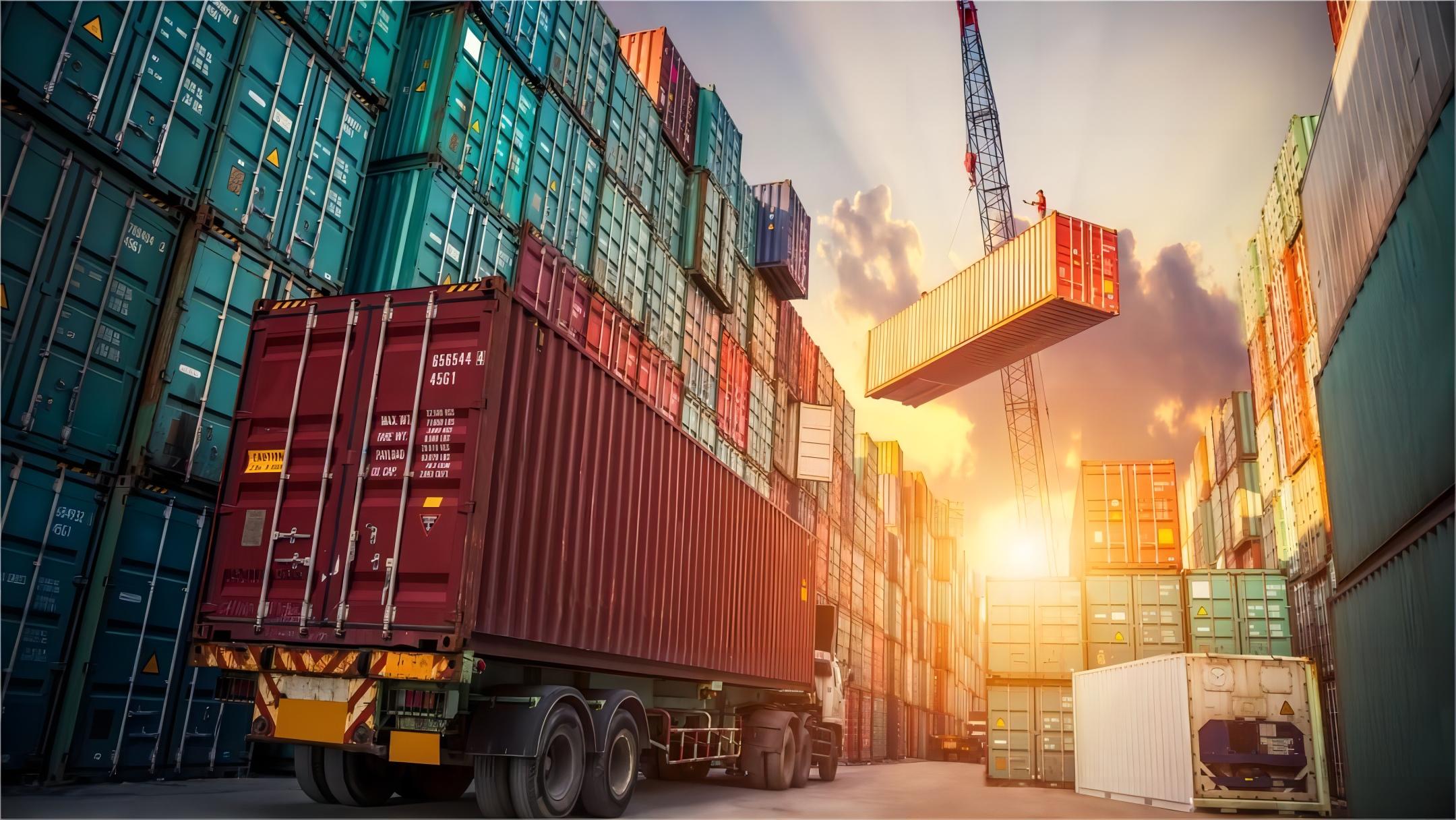
The trade-off between cost and speed is the central tension in any international supply chain, and for the China-to-Poland route, this manifests in the choice between ocean, rail, and air modes. High-value or time-sensitive inventory often justifies the premium of air freight, whereas bulk goods and standard replenishment inventory are typically better suited for ocean transit. Understanding the cost-per-unit impact of each mode allows buyers to optimize their inventory carrying costs against the expense of expedited shipping.
Rail freight occupies a strategic middle ground, offering a faster alternative to ocean shipping at a lower cost than air. However, rail capacity can be volatile and is subject to geopolitical factors that may disrupt transit times, making it a less predictable option than ocean freight for certain types of seasonal goods. Importers should maintain a dynamic mode-mix strategy, allowing them to shift volumes between modes as market conditions, carrier capacity, and inventory requirements evolve over the course of the business year.
To make an informed decision, buyers must calculate the total landed cost, which includes freight rates, duties, taxes, insurance, and all destination-side accessorials. It is rarely sufficient to compare only the base freight rate, as the hidden costs of warehousing, drayage, and detention can quickly erase the perceived savings of a cheaper lane. By using a standardized decision framework, importers can ensure that their mode selection is based on comprehensive data rather than isolated, incomplete rate quotations.
Field note: Total landed cost is the only valid metric for mode comparison.
Common mistake: Comparing only base ocean rates without accounting for destination drayage.
Risk alert: Fuel surcharges and GRI adjustments can fluctuate rapidly, impacting finalized quotes.
What Transit Timeline Should You Expect?
Transit timelines for shipments from China to Poland are highly dependent on the chosen mode and the specific origin and Rotterdam/Hamburg involved. Ocean freight remains the most common mode for large-scale imports, with standard port-to-port transit ranging between five and seven weeks, depending on the carrier’s service frequency and any potential transshipment delays. Importers should plan for a buffer period to account for port dwell, customs processing, and the final-mile truck delivery to the warehouse or distribution center.
Rail transit times are traditionally more compressed, providing a significant time-to-market advantage over ocean for shippers who can manage the slightly higher costs and the complexity of border crossing documentation. However, shippers must be prepared for potential delays at border terminals, where cargo may be offloaded or inspected, adding days to the total transit time. Accurate milestone tracking is essential here, as it allows importers to anticipate delays and communicate proactively with their downstream customers or retail partners.
Air freight offers the most reliable and shortest transit windows, often delivering cargo within a single week from pickup to final arrival. While the cost may be prohibitive for low-margin goods, the speed provides an essential safety net for managing stock-outs or responding to sudden spikes in consumer demand. Regardless of the mode, clear communication of the cargo-ready date is the most effective way to ensure that the actual transit time aligns with the planned delivery schedule.
Field note: Always add a 7-10 day buffer to projected transit times.
Common mistake: Assuming port-to-port time is equivalent to door-to-door transit.
Risk alert: Weather-related disruptions at sea or rail hubs can cause unpredictable transit spikes.
How Are Landed Costs Typically Built?
The construction of a landed cost model for Poland imports involves aggregating all expenses from the point of origin to the final delivery destination. This includes the base ocean or air freight rate, origin handling charges, marine insurance, and the costs associated with customs brokerage and duty payments. Failing to account for destination-side accessorials—such as terminal handling charges (THC), storage, or drayage—is a common pitfall that can significantly distort the perceived profitability of an import strategy.
Documentation fees, such as Bill of Lading (B/L) issuance or Air Waybill (AWB) processing, are often overlooked but can add up, particularly for importers with high volumes of small shipments. Furthermore, importers must be aware of the impact of currency fluctuations and fuel surcharges, which are often adjusted monthly or even weekly by carriers. Maintaining a transparent, itemized view of these costs is necessary for long-term budget planning and for ensuring that the import business remains financially sustainable.
Strategic importers often work with their forwarder to consolidate shipments or optimize packing to maximize container utilization, directly lowering the cost-per-unit. Proper container loading, for instance, can eliminate the need for additional storage or handling fees at the destination. By focusing on these operational efficiencies and maintaining a clear, itemized ledger of all logistics expenses, buyers can secure a competitive edge and better control their margins in a volatile global market.
| Accessorial / Surcharge Item | Typical Cost Band (USD) | Trigger Scenario | Financial Impact if Unmanaged |
|---|---|---|---|
| CFS Destination De-van | $45 – $95 / CBM | Destination warehouse devanning, sorting, and inbound handling | Essential landed component billed on actual CBM |
| CFS Storage / Dwell | $35 – $70 / CBM / day | Exceeds destination CFS free storage (often only 3–5 days) | Dwell penalties compound rapidly on multi-CBM loads |
| Non-Stackable Surcharge | $50 – $120 / entry | Cargo cannot be top-loaded, wasting container vertical space | Carrier bills for dead space above your pallet |
| Pallet Restrap & Relabeling | $25 – $55 / pallet | Missing ISPM-15 mark, damaged shrink wrap, or wrong marks | Mandatory warehouse rework required before loading |
| Split-Delivery Accessorial | $75 – $160 / drop | Consolidated cargo split into multiple destination delivery addresses | Increases final-mile linehaul and liftgate expenses |
Field note: Itemize every fee to identify cost-saving opportunities.
Common mistake: Ignoring the impact of detention and demurrage on final costs.
Risk alert: Unplanned storage fees are the most common source of invoice shock.
Which Documents and Compliance Checks Apply?
Compliance with EU customs regulations is mandatory for all imports into Poland, necessitating accurate and timely documentation for every shipment. The core documents required include the Commercial Invoice, the Packing List, and the transport document (B/L for ocean, AWB for air), all of which must strictly correspond to the actual cargo loaded. Any discrepancies in weight, value, or commodity description can trigger customs inspections, leading to delays and potential financial penalties for the importer of record.
An EORI number is essential for any business importing goods into the EU, and importers must ensure that their customs filings are handled by a broker who is intimately familiar with local Polish requirements. The Entry Summary Declaration (ENS) must be filed according to the ICS2 framework, which is a critical step for security risk assessment before the cargo arrives at the EU border. Staying ahead of these filing deadlines is the primary responsibility of the importer and their logistics partner, as failures here can halt the entire supply chain.
Beyond standard customs forms, certain commodities may require additional certifications, such as health certificates, veterinary inspections, or specific product safety markings. Buyers should audit their products against these requirements early in the procurement phase to avoid the risk of having goods seized or rejected at the border. Maintaining a comprehensive document library for every shipment not only ensures compliance but also provides a vital audit trail that can be used to resolve disputes or verify costs with suppliers.
| Document / Filing | Submission Window | Responsible Party | Clearance Impact |
|---|---|---|---|
| Customs Import Declaration | Prior to cargo discharge | Licensed Broker / Consignee | Terminal demurrage |
| Commercial Invoice & Packing List | Before vessel departure | Shipper / Exporter | Documentation hold |
| Master / House Bill of Lading | Post-departure confirmation | Freight Forwarder | Release freeze |
| Certificate of Origin (if req) | Prior to import duty assessment | Chamber of Commerce | Loss of tariff relief |
Field note: Accuracy in documentation is the best defense against customs delays.
Common mistake: Submitting inconsistent weights on the invoice versus the packing list.
Risk alert: Customs audits are frequent and can result in significant administrative fines.
How Do Peak Seasons Affect Capacity and Pricing?
The China-to-Poland lane is heavily influenced by seasonal demand cycles, with peak periods often coinciding with major holidays such as Chinese New Year or the lead-up to the European holiday retail season. During these times, carrier capacity becomes constrained, leading to sharp increases in freight rates and a higher likelihood of rolled cargo, where shipments are bumped to later sailings. Importers must anticipate these cycles and plan their replenishment schedules well in advance to secure space and avoid the peak season premium.
Managing these fluctuations requires a proactive approach, which may include booking space several weeks in advance or diversifying the mode mix to account for potential ocean freight bottlenecks. Some shippers choose to negotiate annual contracts with their forwarders to lock in capacity and mitigate the impact of price volatility, although this requires a high degree of volume predictability. For smaller importers, maintaining flexible shipping windows and being prepared to pay a premium for expedited service are often the only viable strategies during high-demand months.
Effective peak season management also involves coordinating closely with suppliers in China to ensure that production schedules are aligned with the realities of the logistics market. If a supplier is struggling to meet production deadlines as peak season approaches, the risk of missing a shipping window increases exponentially. By communicating regularly with both the supplier and the forwarder, importers can identify potential issues early and make necessary adjustments, such as pulling forward orders or switching to faster, albeit more expensive, transport modes.
Field note: Book early, especially for Q3 and Q4 shipment windows.
Common mistake: Waiting until the last minute to book during peak retail seasons.
Risk alert: Cargo rolling is a common risk when space is fully booked during peak periods.
What Is the Step-by-Step Process from Quote to Delivery?
The shipping process begins with a detailed shipment profile capture, where the importer provides the cargo-ready date, CBM, weight, and Incoterms to the freight forwarder. This data is the foundation of an accurate, itemized proposal that reflects the true landed cost of the shipment. Once the buyer reviews and accepts the quote, the forwarder proceeds to confirm carrier space, ensuring that the vessel or flight schedule aligns with the cargo’s availability at the origin gateway.
Following the booking confirmation, the focus shifts to documentation and compliance, where the forwarder monitors the preparation of the Commercial Invoice, Packing List, and all customs filings. This stage is critical for clearing any regulatory hurdles before the cargo is even loaded. Once the goods are in transit, the forwarder provides milestone tracking, keeping the importer informed of the shipment’s progress and addressing any exceptions or delays that may arise during the mainhaul journey.
The final stage of the process involves destination release and delivery, where the forwarder clears the cargo through Polish customs and coordinates the final-mile transport to the buyer’s door. This requires careful synchronization between the port authority, the customs broker, and the local trucking partner to ensure that the cargo is received within the allotted free time, avoiding costly detention and demurrage. By following this structured process, importers can achieve a predictable, repeatable, and cost-effective logistics workflow.
Field note: Strict adherence to the SOP prevents common operational failures.
Common mistake: Failing to provide timely documentation, which halts the customs filing process.
Risk alert: Uncoordinated final-mile delivery can lead to cargo abandonment or storage fees.
Decision Framework
By volume: Capture CBM/kg first; under ~2 CBM often fits express/air, mid volumes need LCL/FCL comparison, and oversized lots require dedicated equipment quotes.
By speed: Urgent windows under ~7 days favor air/express; standard replenishment can use ocean or multimodal once cargo-ready timing is locked.
By cargo profile: Flag DG, temperature-control, or oversized handling before award—these change both documentation and carrier acceptance paths.
Real-World Corridor Case Studies
An importer moved mixed cartons on a scoped international lane. The forwarder aligned commercial invoice, packing list, and the destination national import declaration before mainhaul departure.
A distributor routed equipment components with early broker coordination so destination release and final-mile delivery stayed inside free-time windows.
Execution Checklist for Poland Shipments
Successfully navigating the China-to-Poland corridor requires a disciplined approach, from the initial capture of shipment data to the final delivery at your warehouse. By following this guide, you can ensure that your logistics strategy is built on a foundation of clear documentation, mode-optimized transit, and proactive compliance management. Remember that the most successful importers treat their logistics provider as a strategic partner, working together to anticipate market shifts and mitigate risks before they impact your bottom line.
Use this checklist as your primary buyer guide: ensure your shipment data is locked, the appropriate mode is selected based on your specific inventory needs, and all customs filings are prepared well in advance of arrival. Always confirm free time and delivery constraints in writing to protect your schedules and maintain operational efficiency. When you are ready to take the next step in optimizing your corridor performance, reach out to our team to discuss your upcoming shipping requirements.
Process and Checkpoints
Shipment Profile Capture
Confirm cargo-ready date, CBM/weight, commodity, HS code, and Incoterms.
Mode & Service Scope Selection
Compare air / LCL / FCL (or specialty) against transit and landed-cost targets.
Documentation & Compliance Gate
Align commercial invoice, packing list, and any specialty filings before booking.
Space Booking & Cut-off Lock
Reserve carrier/co-loader space and confirm export cut-off windows in writing.
Mainhaul & Milestone Tracking
Monitor departure, arrival, and exception alerts against the awarded transit plan.
Destination Release & Delivery
Clear destination formalities and complete final-mile delivery to the agreed door.
Confirm the right route for your shipment
Ready for a scoped proposal on your next Poland shipment? Share your origin, destination, cargo-ready date, CBM/weight, commodity, and Incoterms to receive a fully itemized quote.
Request a route reviewFrequently Asked Questions
How do destination demurrage and detention charges accrue on 40HQ containers?
Demurrage and detention fees accrue once the container exceeds the agreed free-time limit at the port or after offloading at the final site. These daily charges are calculated based on carrier tariffs and can escalate quickly if documentation is delayed.
What hidden accessorial fees often cause freight invoice shocks?
Hidden costs often include terminal handling charges (THC), documentation processing fees, late-gate surcharges, and emergency fuel adjustments. It is vital to request an itemized quote that includes these potential accessorials before finalizing your booking.
Which documents must be verified prior to requesting a Telex release?
Prior to a Telex release, verify that the original Bill of Lading has been surrendered by the shipper, the commercial invoice matches the packing list precisely, and all freight payments have been cleared by the carrier.
How can multi-supplier shippers prevent CFS dead-space penalties?
Multi-supplier shippers should utilize a consolidated container strategy managed by a professional forwarder, ensuring that cargo from different origins is palletized efficiently to maximize container cubic utilization and avoid dead-space charges.
When is the mandatory cut-off time for submitting ICS2 documentation?
The Entry Summary Declaration (ENS) must be filed under the ICS2 framework within the specified timeline before the shipment arrives at the first EU port of entry. Failure to meet this deadline can result in significant customs holds.
Where does the freight forwarder take legal custody of multi-supplier cargo?
The forwarder typically takes legal custody of multi-supplier cargo at the consolidation facility or CFS (Container Freight Station) once the goods have been received, inspected, and verified against the shipping documentation.
Rates and surcharges fluctuate; request an itemized quote.
Informational only; not binding legal/tax/customs advice.
Benchmarks reflect standard 2026 practice for this corridor.