
LCL Shipping China Bulk Cargo: The Complete 2025 Logistics Guide
Finding a reliable partner for lcl shipping china bulk cargo remains a top priority for modern importers who want to maintain lean inventory levels. China Freight World provides comprehensive logistics support to ensure your smaller shipments arrive safely and on schedule. Consequently, businesses can scale their operations without the financial burden of booking entire containers for limited stock.
What Exactly is LCL Shipping China Bulk Cargo?
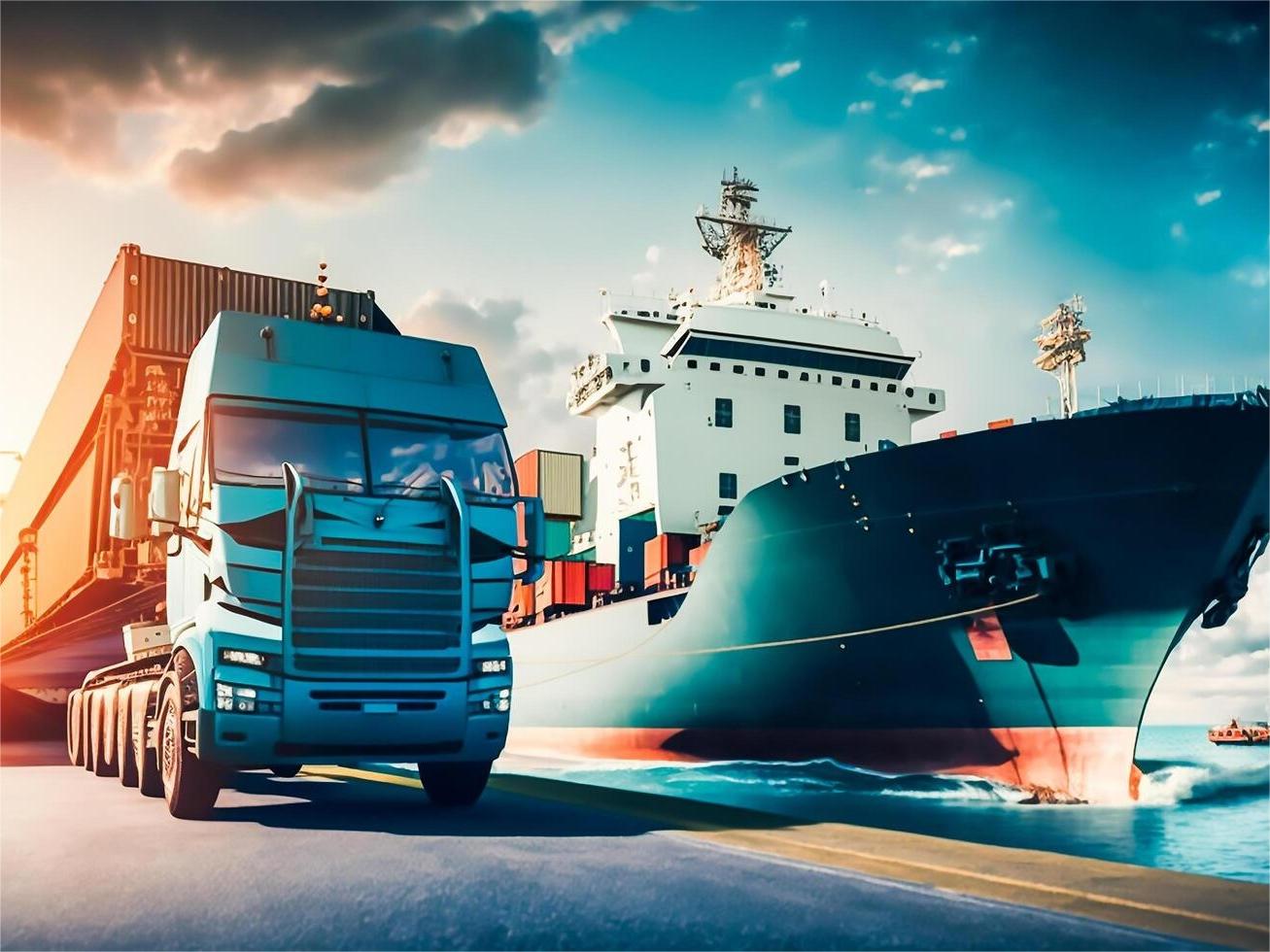
Less than Container Load shipping refers to a logistics arrangement where multiple shippers share space within a single ocean container. This method is particularly effective for lcl shipping china bulk cargo when the total volume does not justify the cost of a full 20ft or 40ft container.
Moreover, this approach allows small and medium-sized enterprises to move goods frequently without waiting to accumulate enough stock for a full load. You only pay for the volume you use, which is typically measured in cubic meters.
Specifically, bulk cargo in this context often includes palletized goods, crated machinery, or boxed consumer products. Shipping smaller quantities helps maintain a healthy cash flow by reducing the amount of capital tied up in inventory.
Furthermore, the flexibility of this service enables businesses to respond quickly to market demands. Instead of waiting weeks to fill a container, you can dispatch goods as soon as they are ready at the factory.
How the Consolidation Process Works for Your Goods
The journey begins when your supplier delivers the goods to a container freight station at the port of loading. At this facility, workers group your items with other shipments bound for the same destination.
Additionally, using a professional sea freight service ensures that your cargo is handled with care during this consolidation phase. Proper labeling and packaging are essential to prevent mix-ups during the loading process.
Once the container is full, the carrier loads it onto a vessel for the ocean voyage. Consequently, the costs of the entire container are distributed among all the participating shippers based on their cargo volume.
Upon arrival at the destination port, the container moves to another warehouse for de-consolidation. Finally, the individual shipments are sorted and prepared for the final leg of the delivery journey.
How Does LCL Compare to Other Shipping Options?
Understanding the differences between shipping modes is vital for optimizing your logistics budget. While LCL is cost-effective for small volumes, other methods might be better for urgent or extremely large shipments.
Therefore, we have provided a comparison table to help you evaluate the best strategy for your specific business needs. This data reflects average market conditions as of early 2025.
Note: Freight rates are subject to change based on fuel costs, carrier capacity, and seasonal demand. Contact us for a current quote tailored to your specific shipment.
| Method | Cost Level | Transit Time | Best For |
|---|---|---|---|
| LCL Sea | Low | 30-45 Days | 1-15 CBM Shipments |
| FCL Sea | Medium | 25-35 Days | Large Bulk Volumes |
| Air Freight | High | 5-10 Days | Urgent/High Value |
| Rail Freight | Medium | 18-25 Days | China to Europe |

Understanding the Cost Structure of LCL Shipping
Calculating the total expense for lcl shipping china bulk cargo involves more than just the base ocean freight rate. Shippers must account for origin charges, destination fees, and potential customs duties.
Usually, the base rate is quoted per cubic meter (CBM) or per 1,000 kilograms, whichever is greater. This is known as the revenue ton principle in the shipping industry.
However, destination terminal handling charges can sometimes exceed the actual ocean freight cost for small shipments. You must request a full breakdown of all fees to avoid unexpected costs upon arrival.
Additionally, factors like peak season surcharges and fuel adjustment factors can influence the final invoice. Planning your shipments during off-peak months can result in significant savings for your business.
Customs Clearance and Documentation Requirements
Navigating the legal requirements of international trade is often the most challenging part of the process. Every shipment must be accompanied by a commercial invoice, packing list, and a bill of lading.
Working with an experienced customs brokerage can prevent costly delays at the border. They ensure that your goods are classified correctly under the Harmonized System (HS) codes.
Inaccurate documentation can lead to heavy fines or even the seizure of your cargo by authorities. Therefore, double-checking all weights, values, and product descriptions is a critical step for every importer.
Furthermore, specific products may require additional permits or certificates of origin depending on the destination country. Always research the local regulations of your target market before finalizing your order from China.
Transit Times: What to Expect from Major China Ports
The time it takes for your cargo to reach its destination depends heavily on the specific route and the efficiency of the ports involved. Major hubs like Shanghai and Shenzhen offer the most frequent departures.
Nevertheless, LCL shipments generally take a few days longer than FCL because of the time required for consolidation and de-consolidation. You should factor this extra time into your inventory planning.
Below is a table showing typical transit times from major Chinese ports to global destinations as of late 2024 and early 2025.

| Origin Port | Destination | Sea Transit | Total Door-to-Door |
|---|---|---|---|
| Shanghai | Los Angeles | 18-22 Days | 30-35 Days |
| Ningbo | Rotterdam | 32-38 Days | 45-50 Days |
| Shenzhen | Sydney | 14-18 Days | 25-30 Days |
| Qingdao | New York | 35-42 Days | 50-55 Days |
Which Option Should You Choose? Decision Framework
Selecting the right shipping method requires a balance between speed, cost, and the nature of your cargo. If your priority is budget and you have a flexible timeline, LCL is the clear winner for small volumes.
Conversely, if you are shipping high-value electronics that need to be on shelves within a week, air freight is a more suitable choice. The higher cost is often justified by the reduced lead time.
For shipments destined for landlocked regions in Central Asia or Europe, rail freight offers a middle ground. It is faster than the sea and significantly cheaper than the air.
If you prefer a hands-off approach, a door to door service handles everything from the factory floor to your warehouse. This option minimizes the logistical burden on your internal team.
Case Study 1: Electronic Components to Germany
Route: Shanghai, China to Hamburg, Germany. Cargo: 4 CBM of circuit boards, 1,200 kg. Method: LCL Sea Freight via major carrier. Total Door-to-Door Time: 48 days.
Cost Breakdown: Ocean Freight: $320. Origin Charges: $150. Destination Charges: $450. Customs and Duties: $1,100. Total Landed Cost: $2,020.
Key Insight: The destination charges were higher than the ocean freight itself due to terminal handling fees in Hamburg. This highlights the importance of calculating the total landed cost rather than just the shipping rate.
Based on Q4 2024 market rates, this shipment saved the client over $3,500 compared to air freight options.
Case Study 2: Home Decor to Los Angeles
Route: Shenzhen, China to Los Angeles, USA. Cargo: 8 CBM of wooden furniture, 2,500 kg. Method: LCL Sea Freight. Total Door-to-Door Time: 34 days.
Cost Breakdown: Ocean Freight: $560. Origin Charges: $200. Destination Charges: $380. Customs and Duties: $650. Total Landed Cost: $1,790.
Key Insight: By consolidating 8 CBM, the importer avoided the cost of a full 20GP container, which was quoted at $2,100 at the time. This resulted in a 15 percent saving on logistics costs.
Typical rates as of early 2025 suggest that LCL remains the most competitive option for mid-sized furniture shipments.
Strategic Alternative Strategies for Importers
Sometimes, a traditional single-mode approach is not the most efficient way to handle lcl shipping china bulk cargo. Hybrid solutions, such as sea-air combinations, can offer a strategic advantage by balancing costs and speed.
For example, you could ship goods by sea from China to Dubai and then fly them to Europe. This strategy often cuts transit time by 50 percent compared to pure sea freight while remaining cheaper than direct air freight.
Another alternative is to use regional distribution centers. By shipping larger volumes to a central hub and then using LCL for local distribution, you can reduce the overall carbon footprint and shipping costs.
Finally, always consider the impact of packaging on your CBM. Reducing the size of your crates or using stackable pallets can significantly lower your LCL expenses over time.
Final Thoughts on LCL Shipping
Successfully managing lcl shipping china bulk cargo is a vital skill for any growing business involved in international trade. By understanding the consolidation process and the various cost factors, you can make informed decisions that protect your profit margins.
Remember to always verify your documentation and work with reliable freight forwarders who understand the complexities of the China market. Whether you choose sea, air, or rail, the right logistics strategy will provide your business with a competitive edge in 2025.

Ready to streamline your logistics?
Optimizing your lcl shipping china bulk cargo requires expertise and attention to detail. Contact our team today to receive a customized quote and streamline your international logistics. Visit our inquiry page to start your shipping journey with a trusted partner.
Request Quote