
Door to Door Shipping China Germany: The Ultimate 2025 Logistics Guide
Navigating the complexities of international trade requires a robust logistics partner like China Freight World to ensure efficiency. Door to door shipping china germany has become the preferred choice for modern enterprises seeking to minimize supply chain disruptions. Consequently, this comprehensive guide provides the essential insights needed to manage your cargo from the factory floor in China directly to your German warehouse.
What is Door to Door Shipping China Germany?
Door to door shipping china germany represents a complete logistics solution where the freight forwarder manages every stage of the journey. Specifically, this service encompasses pickup at the supplier, inland transport, export customs, international transit, and final delivery. Furthermore, importers benefit from a single point of contact, which significantly reduces communication errors and administrative overhead.
Choosing this method means you do not have to worry about coordinating multiple carriers or local truckers. Instead, the logistics provider handles the entire process, including the complex German customs clearance protocols. Accordingly, businesses can focus on their core operations while their goods move seamlessly across continents.
How Does Door to Door Shipping Compare to Other Shipping Options?
Traditional port-to-port shipping often seems cheaper at first glance but frequently carries hidden costs and logistical hurdles. In contrast, door to door shipping china germany provides a transparent, all-inclusive rate that covers the final mile delivery. Moreover, while port-to-port requires the buyer to arrange their own trucking in Germany, door-to-door services include this automatically.
Importers must weigh the convenience of a full-service package against the lower base rates of terminal-based shipping. Consequently, for most small to medium enterprises, the time saved and the reduction in risk justify the slightly higher service fee. Therefore, evaluating the total landed cost is crucial when making your final decision.
| Shipping Method | Cost Range | Transit Time | Best For |
|---|---|---|---|
| Sea Freight (LCL) | $180-$350 per CBM | 35-45 Days | Small-medium cargo |
| Sea Freight (FCL) | $3,200-$4,800 per 40HQ | 30-40 Days | Large volume |
| Rail Freight | $1.80-$2.80 per kg | 18-22 Days | Mid-range budget |
| Air Freight | $4.50-$8.50 per kg | 3-7 Days | High value/Urgent |
Main Shipping Methods for Germany Routes
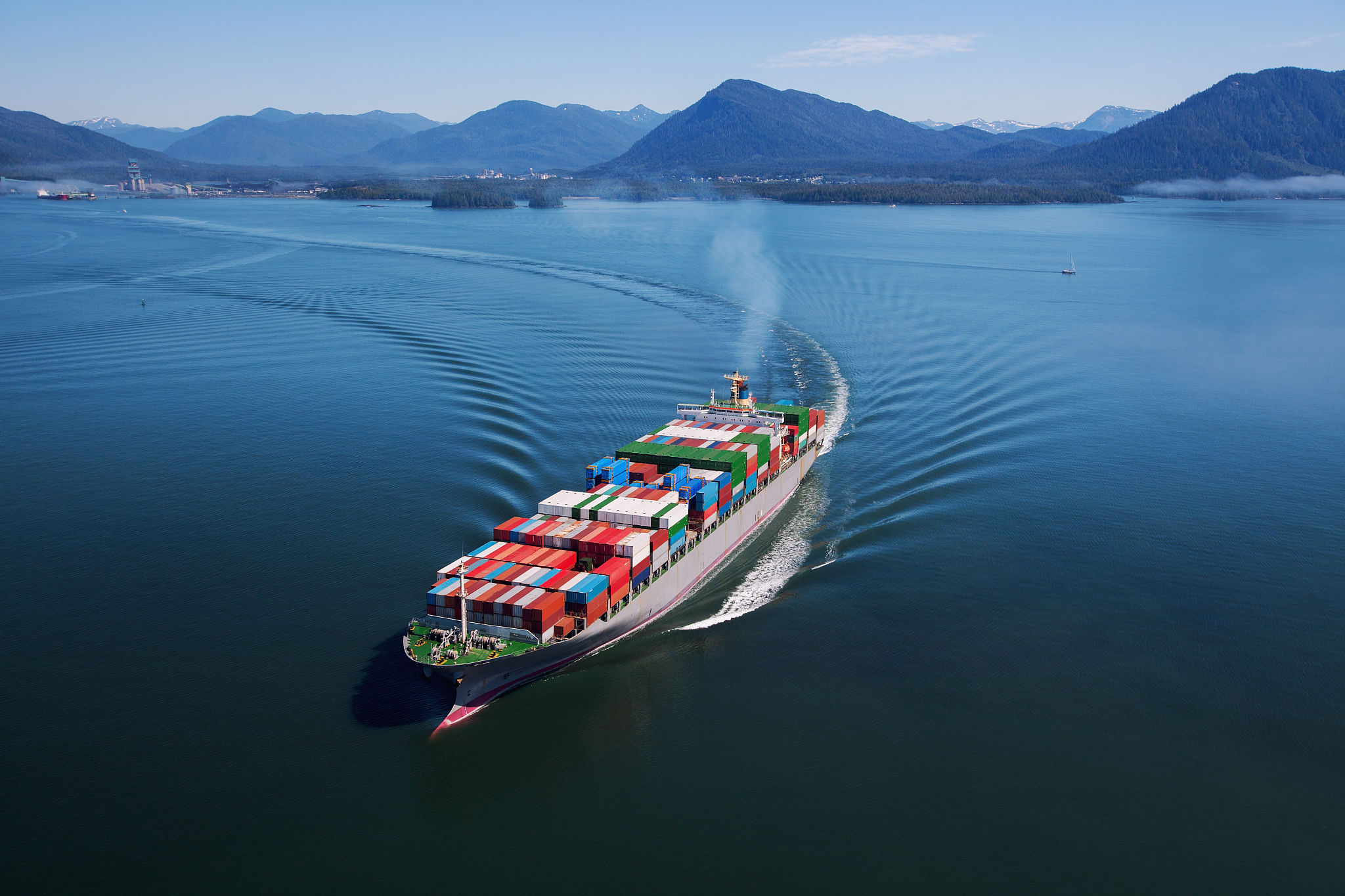
Selecting the right transport mode is the most critical factor in balancing your budget and delivery schedule. For instance, sea freight remains the most economical option for large-scale shipments and bulky items. Nevertheless, the longer transit times require careful inventory planning to avoid stockouts during peak seasons.
Alternatively, air freight offers the fastest delivery for time-sensitive cargo or high-value electronics. Although the costs are significantly higher, the speed can provide a competitive advantage in fast-moving markets. Meanwhile, rail freight serves as an excellent middle ground, offering faster speeds than sea at a fraction of the cost of air.
Understanding Costs: Door to Door Shipping China Germany Rates
Freight rates are influenced by several variables including fuel surcharges, seasonal demand, and container availability. As of early 2025, market data suggests that rates have stabilized following the disruptions seen in previous years. However, you should still expect a 15-25% increase during the August to October peak season as retailers stock up for the holidays.
To illustrate the potential costs, a standard 40HQ container from Ningbo to Hamburg might range between $3,500 and $4,500 depending on the carrier. Additionally, LCL shipments are typically priced per cubic meter, making them ideal for smaller batches. Without a doubt, requesting a tailored quote is the only way to get an accurate figure for your specific cargo volume.
Note: Freight rates are subject to change based on fuel costs, carrier capacity, and seasonal demand. Contact us for a current quote tailored to your specific shipment.

Real Case Studies: Successful Shipments to Germany
Case Study 1: Solar Panel Distribution. Route: Shenzhen to Munich. Cargo: Solar Panels, 15 CBM, 4500 kg. Method: Rail Freight. Cost: $4,200. Time: 22 days. Key Insight: Choosing rail allowed the client to meet a project deadline that sea freight would have missed, while saving $5,000 compared to air freight.
Case Study 2: Retail Apparel. Route: Shanghai to Hamburg. Cargo: Textile Products, 68 CBM, 12000 kg. Method: Sea Freight (40HQ). Cost: $3,850. Time: 38 days. Key Insight: By utilizing FCL sea freight, the importer achieved the lowest possible cost per unit for their seasonal collection.
Case Study 3: Medical Equipment. Route: Guangzhou to Frankfurt. Cargo: Sensitive Devices, 2 CBM, 400 kg. Method: Air Freight. Cost: $3,200. Time: 5 days. Key Insight: Air freight was essential for this high-value shipment to ensure maximum security and immediate hospital delivery.
Customs Clearance and Documentation in Germany
Navigating German customs requires precise documentation to avoid costly delays or fines at the border. Consequently, working with a professional customs brokerage is highly recommended for first-time and regular importers alike. You must ensure that your commercial invoice, packing list, and bill of lading are all accurate and match the physical cargo.
Furthermore, Germany has strict regulations regarding product safety and environmental standards, such as CE marking and REACH compliance. Failure to provide these certifications can lead to the seizure of goods by the authorities. Therefore, verifying all compliance requirements before the cargo leaves China is a vital step in the process.
| Document Name | Required By | Purpose |
|---|---|---|
| Commercial Invoice | Customs | Value verification |
| Packing List | Port Authorities | Content verification |
| Bill of Lading | Carrier/Customs | Title to goods |
| Certificate of Origin | Customs | Duty rate calculation |
Which Option Should You Choose? Decision Framework
Your choice depends primarily on your budget, the nature of your goods, and your required delivery date. If your priority is the lowest cost and you have a flexible timeline, sea freight is the clear winner. On the other hand, if you are shipping high-value items that need to reach the market quickly, air freight is the necessary choice.
For businesses looking for a balance, rail freight provides a reliable alternative that avoids the volatility of sea routes. Specifically, rail is becoming increasingly popular for automotive parts and industrial machinery. Indeed, evaluating your volume thresholds will help you decide between LCL and FCL options effectively.
Alternative Strategies and Hybrid Solutions
Sometimes a single mode of transport does not meet all your requirements for door to door shipping china germany. In such cases, hybrid solutions like Sea-Air via Dubai can offer a compromise between speed and cost. This strategy involves shipping by sea to a hub and then flying the goods the rest of the way to Germany.
Additionally, many businesses are now exploring DDP (Delivered Duty Paid) terms to simplify the buyer’s experience. Under door to door DDP, the seller handles all costs including duties and taxes. Consequently, this provides total cost certainty for the German importer, making it an excellent strategy for e-commerce and small business owners.
Conclusion
Successfully managing door to door shipping china germany requires a blend of strategic planning and expert execution. By understanding the various freight methods and customs requirements, you can significantly reduce your landed costs and transit times. Furthermore, choosing a partner that offers end-to-end visibility ensures that your cargo is always accounted for during its journey.
Ultimately, the goal is to create a resilient supply chain that can adapt to changing market conditions. Whether you choose sea, rail, or air, the convenience of a door-to-door service remains unparalleled for modern international trade. Start optimizing your logistics today to ensure your business stays ahead in the competitive German market.
Ready to streamline your logistics?
Ready to streamline your supply chain with reliable door to door shipping china germany? Contact China Freight World today to receive a personalized quote and expert guidance for your next shipment. Visit our website to learn more about our comprehensive logistics solutions.
Request Quote