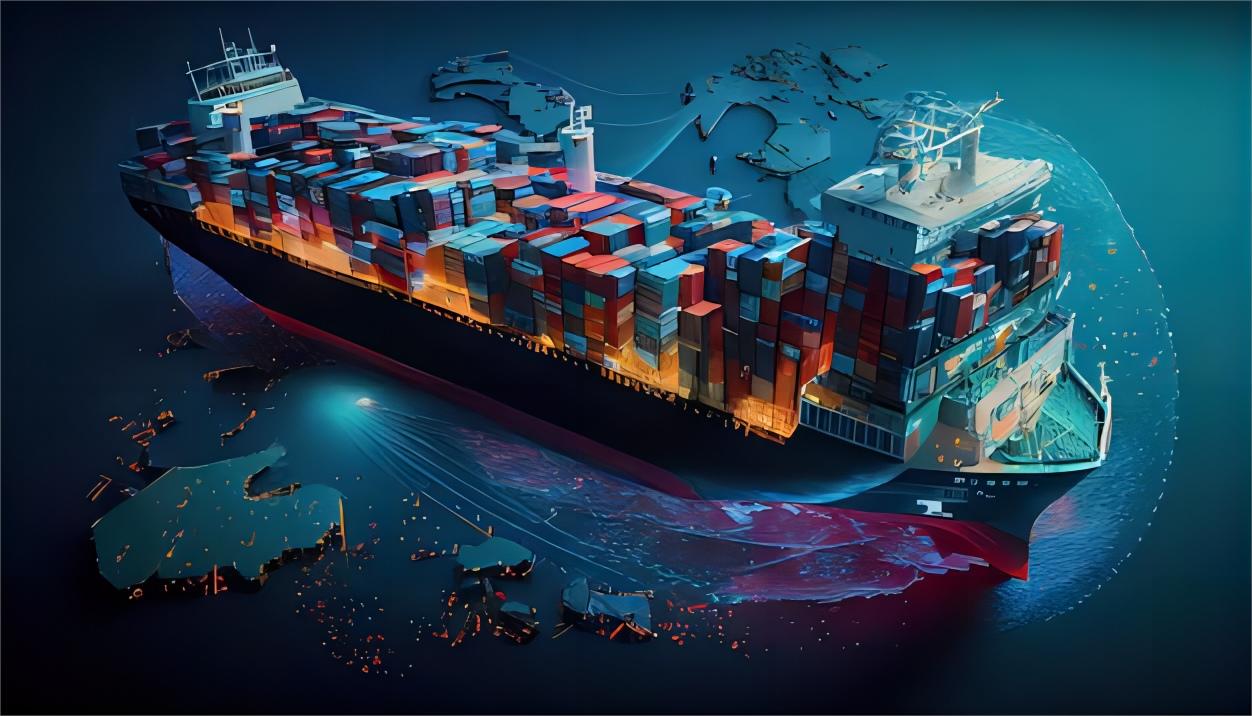

Shipping from China to USA Cost Company: 2024 Pricing and Logistics Guide
Finding a reliable shipping from china to usa cost company is essential for businesses looking to maintain healthy profit margins in the competitive American marketplace. Navigating the complexities of international logistics requires a partner like China Freight World to manage everything from port departures to final delivery. Consequently, importers can streamline their supply chains while ensuring their cargo arrives safely and on schedule.

What Factors Influence Your Shipping from China to USA Cost?
Several variables dictate the final quote you receive from a freight forwarder or shipping company. Fuel surcharges, officially known as Bunker Adjustment Factors, fluctuate based on global oil prices and directly impact ocean and air rates. Moreover, seasonal demand plays a massive role, with prices typically spiking during the peak season from August through October.
Port congestion at major hubs like Los Angeles or Long Beach can also introduce unexpected storage fees and demurrage charges. Furthermore, the type of commodity being shipped affects the insurance premiums and handling requirements. Therefore, understanding these market dynamics is the first step in managing your total landed costs effectively.
Market intelligence suggests that as of early 2024, rates have stabilized significantly compared to the volatility seen in previous years. However, geopolitical events in regions like the Red Sea continue to cause occasional rerouting, which can add to the transit time and overall expense. Importers should stay informed about these trends to avoid budget overruns.
How Does Sea Freight Compare to Other Shipping Options?
Choosing sea freight is often the most economical choice for large-volume shipments that do not require immediate delivery. While it offers the lowest cost per unit, it also comes with the longest transit times, often ranging from 15 to 40 days depending on the US coast. In contrast, air freight provides rapid delivery but at a much higher price point.
Rail-sea hybrid solutions are gaining popularity for certain routes, though they are less common for China-USA transit than for European destinations. Nevertheless, for bulk commodities or heavy machinery, ocean transport remains the industry standard. Additionally, businesses must decide between Full Container Load and Less than Container Load based on their specific volume requirements.
Alternative strategies involve using deferred air services or express shipping for smaller, high-value items. For instance, if you are shipping electronics or medical supplies, the speed of air transport might justify the additional cost. On the other hand, seasonal goods like furniture or toys are better suited for the slower, cheaper ocean route.
| Shipping Method | Cost Range | Transit Time | Best For |
|---|---|---|---|
| Sea Freight (FCL) | $2,500 – $5,500 | 18 – 40 Days | Bulk Goods |
| Air Freight | $5 – $12 per kg | 5 – 10 Days | High Value |
| Express Service | $8 – $15 per kg | 3 – 5 Days | Urgent Samples |
| LCL Shipping | $50 – $150 per CBM | 20 – 45 Days | Small Batches |
Understanding Ocean Freight Costs for 2024
Ocean freight pricing is divided into several components that every importer should recognize. The base rate covers the actual transport from port to port, but origin and destination charges can add hundreds of dollars to the bill. For example, Terminal Handling Charges at both the loading and discharge ports are mandatory fees that vary by carrier.
Documentation fees and security surcharges are also standard inclusions in most shipping quotes. Additionally, if you require specialized equipment like refrigerated containers or open-top units, expect to pay a premium. Consequently, it is vital to request a detailed breakdown of all line items to avoid hidden costs at the destination.
Direct routes to the West Coast are generally cheaper and faster than routes to the East Coast via the Panama Canal. Nevertheless, if your final destination is in the Midwest, shipping to a Gulf port or using an intermodal rail connection from the West Coast might be more efficient. Always compare these routing options with your logistics provider to find the optimal balance.

Air Freight vs Express Service: Which is Faster?
Utilizing air freight is the preferred method for shipments that are time-sensitive or have a high value-to-weight ratio. This method typically involves moving cargo on commercial or dedicated freighter aircraft between major international airports. As a result, transit times are significantly reduced, often taking less than a week from door to door.
Express services, provided by companies like DHL or FedEx, offer even faster turnaround times and include integrated customs clearance. However, these services are priced at a premium and are best reserved for documents, small parcels, or critical replacement parts. Meanwhile, standard air freight is more suitable for shipments weighing over 100 kilograms.
Importers must also consider the dimensional weight when calculating air costs. If your cargo is light but bulky, carriers will charge based on the space it occupies rather than its actual weight. Therefore, optimizing your packaging is a crucial strategy for reducing air transport expenses. Indeed, many businesses use air freight as a backup when ocean shipments face delays.
Which Option Should You Choose? Decision Framework
Determining the right shipping method depends on your specific budget, timeline, and cargo characteristics. If your primary goal is cost reduction and you have a flexible schedule, ocean freight is the clear winner. Conversely, if you are launching a new product or replenishing low stock, the speed of air freight might be necessary to prevent lost sales.
Budget priority: Recommend Sea Freight (FCL or LCL) to maximize margins on low-cost goods. Speed priority: Recommend Express or Air Freight for delivery within 3 to 10 days. Cargo type considerations: Use specialized containers for hazardous or perishable items. Volume thresholds: Shipments under 15 CBM should typically use LCL, while larger volumes justify a full 20GP or 40HQ container.
Hybrid solutions can also provide a middle ground for savvy importers. For instance, shipping by sea to a hub and then using air transport for the final leg can sometimes save time without the full cost of air freight. Without a doubt, consulting with a logistics expert can help you tailor a strategy that fits your unique business needs.
Real-World Case Studies: China to USA Shipping
Case Study 1: Electronics from Shenzhen to Los Angeles. Route: Shenzhen Port to Port of Los Angeles. Cargo: Consumer electronics, 25 CBM, 5,000 kg. Container: 40GP. Shipping Details: Direct route via major carrier. Cost Breakdown: Ocean Freight $3,200, Origin Charges $450, Destination Charges $600, Customs $800. Total Landed Cost: $5,050. Timeline: 22 days door-to-door. Key Insight: Booking 3 weeks in advance secured a lower rate during the Q3 peak.
Case Study 2: Furniture from Ningbo to New York. Route: Ningbo Port to Port of New York. Cargo: Wooden furniture, 12 CBM, 3,000 kg. Container: LCL. Shipping Details: Transshipment via Panama Canal. Cost Breakdown: Ocean Freight $1,800, Origin Charges $300, Destination Charges $550, Customs $400. Total Landed Cost: $3,050. Timeline: 38 days door-to-door. Key Insight: Consolidating cargo saved the client $1,200 compared to a half-empty 20GP container.
Case Study 3: Apparel from Guangzhou to Dallas. Route: Guangzhou to Dallas via LA. Cargo: Clothing, 5 CBM, 800 kg. Container: LCL + Intermodal Rail. Shipping Details: Sea to LA then rail to Dallas. Cost Breakdown: Ocean Freight $950, Rail Link $400, Customs $300, Delivery $250. Total Landed Cost: $1,900. Timeline: 28 days. Key Insight: Using intermodal transport reduced the final delivery cost by 15 percent compared to long-haul trucking.
Navigating Customs Brokerage and Compliance
Professional customs brokerage services are vital for ensuring that your goods clear US Customs and Border Protection without delays. Every shipment must be accompanied by a Commercial Invoice, a Packing List, and a Bill of Lading. Furthermore, certain products may require additional permits or certifications from agencies like the FDA or EPA.
Inaccurate documentation can lead to heavy fines or even the seizure of your cargo. Consequently, working with an experienced broker helps you navigate the complex Harmonized Tariff Schedule and identify the correct duty rates. Additionally, brokers can assist with the ISF (Importer Security Filing), which must be submitted at least 24 hours before the ship leaves China.
Many importers also opt for a continuous customs bond if they plan to ship multiple times throughout the year. This bond acts as a guarantee to the government that all duties and taxes will be paid. Indeed, having all your paperwork in order before the cargo arrives is the best way to prevent costly storage fees at the terminal.
Door to Door Services for Seamless Logistics
Selecting a door to door service simplifies the entire process by providing a single point of contact for the journey. This comprehensive solution covers everything from picking up the goods at the factory in China to final delivery at your warehouse in the USA. Therefore, you do not have to worry about coordinating between different carriers and port agents.
This service is particularly beneficial for small to medium-sized businesses that lack a dedicated logistics department. Moreover, it provides better visibility into your shipment’s progress through integrated tracking systems. Although the upfront cost might seem higher, the time saved and the reduction in potential errors often make it the most cost-effective choice.
Reliable providers will handle the inland trucking in China, the international transit, and the final mile delivery in America. For instance, if your warehouse is located in a residential area, they can arrange for a liftgate truck to facilitate unloading. In addition, these services often include basic insurance, giving you peace of mind throughout the transit.
Amazon FBA Shipping Requirements
Shipping directly to an Amazon FBA warehouse requires strict adherence to specific labeling and packaging guidelines. Amazon has precise rules for pallet dimensions, box weights, and barcode placement that must be followed to avoid rejection at the fulfillment center. Consequently, many sellers use specialized prep services in China or the USA to ensure compliance.
Your freight forwarder must also be familiar with the Amazon appointment scheduling system, known as Carrier Central. Furthermore, shipments must be sent to the specific warehouse location assigned by Amazon, which can sometimes be across the country from the port of entry. Therefore, factoring in these internal transport costs is essential for FBA sellers.
Using an experienced FBA shipping partner can help you avoid common pitfalls like over-sized pallet fees or improper documentation. Additionally, they can help you decide between shipping LCL or using Amazon’s partnered carrier program for the final domestic leg. Indeed, mastering FBA logistics is a key component of a successful e-commerce business.
How to Reduce Your Total Landed Cost
Reducing your shipping from china to usa cost company expenses requires a proactive approach to supply chain management. One effective strategy is to consolidate shipments from multiple suppliers into a single container to maximize space. Additionally, negotiating better terms with your suppliers, such as FOB instead of EXW, can give you more control over the international shipping costs.
Optimizing your product packaging to reduce volume can also lead to significant savings, especially for air freight. Moreover, shipping during the off-peak season can help you avoid the high rates and surcharges associated with the holidays. For example, planning your inventory arrivals for early spring can result in lower ocean freight quotes.
Finally, always request multiple quotes and compare the service levels provided by different freight forwarders. While the lowest price is attractive, a company with better communication and tracking capabilities can save you money by preventing delays. Consequently, a balanced approach that considers both price and reliability is the most sustainable strategy.
Final Thoughts on Choosing a Shipping from China to USA Cost Company
Navigating the transpacific shipping lane requires a combination of market knowledge, careful planning, and the right logistics partner. By understanding the factors that influence shipping from china to usa cost company rates, you can make informed decisions that protect your business interests. Whether you choose the speed of air freight or the economy of sea freight, consistency and compliance remain the pillars of successful international trade.
As market conditions continue to evolve in 2024, staying flexible and proactive will be your greatest advantage. Remember to account for all landed costs, including duties and local delivery, to ensure your pricing strategy remains competitive. With the right support, importing from China to the USA can be a streamlined and highly profitable endeavor for your company.
Need a tailored shipping solution?
Ready to optimize your supply chain and reduce expenses? Contact our expert team today to receive a customized quote for your next shipment. Visit our website to learn more and send an inquiry to start your partnership with a leading shipping from china to usa cost company.