Door to Door Shipping China Price: The Complete 2024 Logistics Guide
Understanding the door to door shipping china price is essential for businesses looking to streamline their international logistics and maintain competitive pricing. China Freight World offers specialized solutions that manage the entire journey of your cargo from the factory floor to your final destination. By choosing an all-inclusive service, you eliminate the stress of coordinating multiple carriers and navigating complex customs regulations. This comprehensive approach ensures that your goods arrive safely while you maintain full visibility over your shipping costs and delivery schedules.

What Factors Influence the Door to Door Shipping China Price?
Determining the total cost of moving goods requires a detailed analysis of several variables that fluctuate based on market demand. Primarily, the weight and volume of your cargo serve as the foundation for any price quote you receive from a freight forwarder.
Moreover, the chosen mode of transport significantly impacts the final bill, with air freight commanding a premium over slower sea routes. Fuel surcharges also play a critical role, as they change weekly in response to global oil price shifts.
Distance between the origin city in China and your specific delivery address adds another layer of cost complexity. Consequently, shipping to a major coastal hub like Los Angeles is generally more affordable than delivering to an inland location like Denver.
Seasonal demand cycles, particularly during the lead-up to the Lunar New Year or the Q4 holiday rush, can cause rates to spike by 20 percent or more. Therefore, planning your shipments well in advance is a vital strategy for cost containment.
How Does Door to Door Shipping Compare to Other Shipping Options?
Evaluating the efficiency of door to door services involves comparing them against traditional port-to-port or terminal-to-terminal arrangements. While port-to-port options might appear cheaper initially, they often hide additional costs related to local trucking and terminal handling fees.
In contrast, door to door shipping provides a single, transparent rate that covers every leg of the journey. This includes the pick-up from the supplier, export clearance, international transit, and final mile delivery to your warehouse.
Choosing a comprehensive service model allows businesses to focus on their core operations rather than managing individual logistics segments. For instance, a direct door to door solution reduces the risk of communication errors between different service providers.
Below is a detailed comparison of how different shipping models stack up against each other in terms of cost and convenience.
| Shipping Method | Cost Range | Transit Time | Best For | Limitations |
|---|---|---|---|---|
| Express Service | High ($5-10/kg) | 3-7 Days | Small Parcels | Weight Limits |
| Air Freight | Medium-High | 7-12 Days | High Value | Expensive for Bulk |
| Sea Freight LCL | Low-Medium | 30-45 Days | Medium Loads | Shared Space |
| Rail Freight | Medium | 18-25 Days | Europe Routes | Land Access Only |
Why Should You Use Sea Freight for Large Shipments?
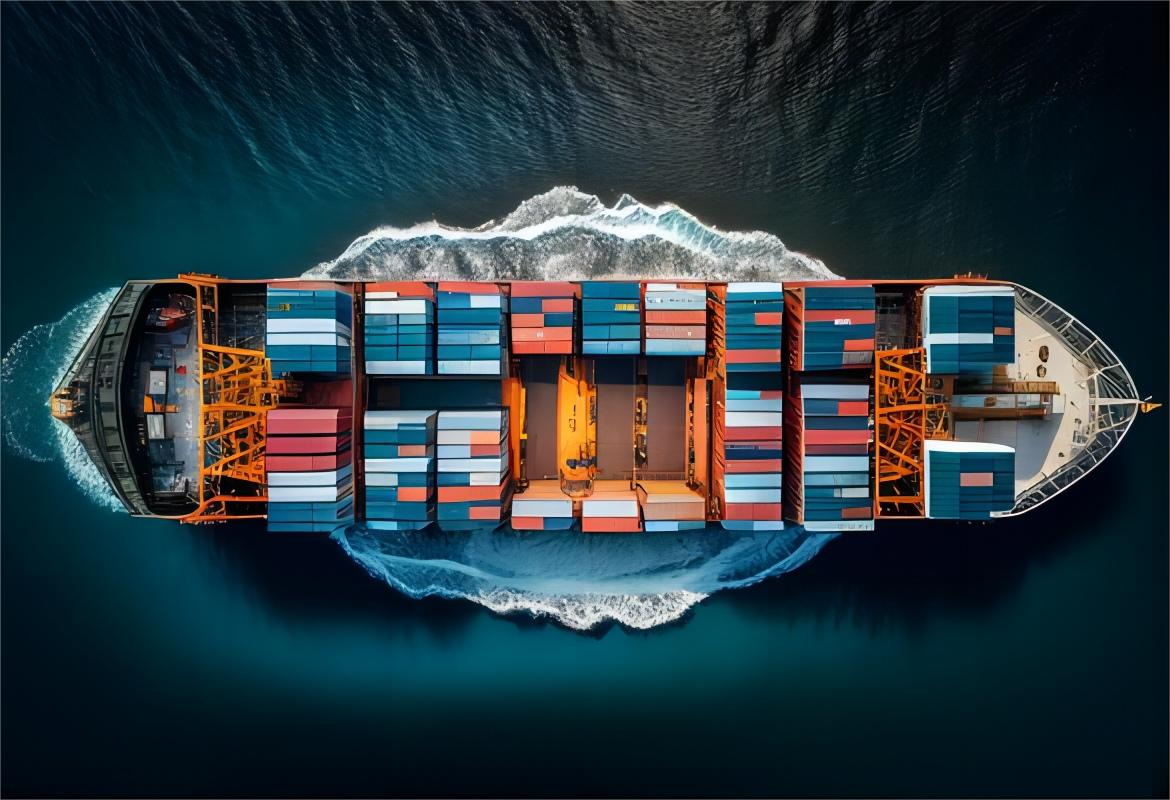
Ocean transport remains the most economical choice for businesses moving high volumes of inventory across the globe. By utilizing sea freight, companies can drastically lower their per-unit shipping costs compared to any other method.
Specifically, Full Container Load (FCL) shipping offers the best value for shipments that can fill a 20-foot or 40-foot container. Meanwhile, Less than Container Load (LCL) options allow smaller businesses to share container space and only pay for the volume they use.
Reliability in ocean shipping has improved as carriers invest in larger vessels and more efficient port operations. However, you must account for longer lead times, which typically range from 20 to 50 days depending on the destination port.
Note: Freight rates are subject to change based on fuel costs, carrier capacity, and seasonal demand. Contact us for a current quote tailored to your specific shipment.
Is Air Freight Worth the Higher Door to Door Shipping China Price?
Speed is the primary advantage of choosing air freight for your international logistics needs. When your inventory levels are low or you are launching a new product, the rapid transit time justifies the higher investment.
Additionally, air transport offers enhanced security and a lower risk of damage compared to sea freight. This makes it the preferred choice for electronics, pharmaceuticals, and other high-value commodities that require careful handling.
Furthermore, shorter transit times mean you can hold less safety stock in your warehouse, which improves your overall cash flow. Indeed, the reduction in inventory carrying costs can sometimes offset the higher shipping rates associated with air cargo.
Most air shipments reach their final destination within a week, including the time required for customs clearance and local delivery. Consequently, this method is indispensable for maintaining an agile supply chain in a fast-paced market.
The Strategic Role of Rail Freight in Modern Logistics
Rail transport has emerged as a powerful alternative for shipments moving from China to destinations across Central Asia and Europe. By selecting rail freight, you achieve a balance between the speed of air and the affordability of sea.
Notably, the Silk Road rail routes offer transit times that are roughly half those of ocean freight at a fraction of the cost of air. This makes it an ideal solution for automotive parts, industrial machinery, and consumer electronics destined for European markets.
Environmental sustainability is another factor driving the popularity of rail transport, as it produces significantly lower carbon emissions than air travel. As a result, many corporations are shifting their logistics strategies to include rail to meet their green initiatives.
Nevertheless, rail freight is subject to geopolitical stability and infrastructure availability along the trans-continental corridors. It is important to consult with your logistics partner to ensure the current routes are operating efficiently before booking.
Navigating Customs Brokerage and Import Duties
Clearance procedures represent one of the most complex stages of the door to door shipping process. Engaging a professional customs brokerage service ensures that all documentation is accurate and compliant with local laws.
Errors in paperwork can lead to expensive storage fees at the port or even the seizure of your goods by authorities. Therefore, having an expert handle the Harmonized System (HS) codes and duty calculations is a critical safeguard for your business.
In addition, your freight forwarder will manage the payment of import taxes and duties on your behalf to prevent delivery delays. This seamless integration of customs services into the door to door package provides peace of mind and financial predictability.
Understanding the specific regulations of your destination country, such as the de minimis value for tax-free imports, can help you optimize your shipping strategy. For example, smaller shipments might qualify for simplified entry procedures in certain jurisdictions.
Which Option Should You Choose for Your Business?
Selecting the right shipping method depends entirely on your specific business priorities and the nature of your products. If your primary goal is to minimize the door to door shipping china price, sea freight is almost always the superior choice for bulk goods.
On the other hand, if you are dealing with perishable items or urgent contract deadlines, the speed of air freight becomes a necessity. For businesses operating in Europe, rail freight provides a compelling middle ground that balances cost and velocity.
Volume thresholds also play a major role in the decision-making process. For instance, once your shipment exceeds 15 cubic meters, switching from LCL to a 20-foot FCL container often results in significant cost savings.
Ultimately, a hybrid approach that uses different modes for different product lines can provide the most resilient and cost-effective supply chain. We recommend evaluating your annual shipping volume to negotiate better contract rates with your logistics provider.
Case Studies: Real-World Door to Door Shipping Examples
Examining actual shipping scenarios provides a clearer picture of how logistics costs and timelines function in the real world. These examples reflect typical market conditions and help you set realistic expectations for your own shipments.
Each case study highlights the importance of choosing the correct transport mode based on the cargo type and the required delivery window. Please note that these rates are based on average market data from the past year and are subject to change.
Case Study 1: Electronics from Shenzhen to Los Angeles
+———————————————————+
| Route: Shenzhen, China -> Los Angeles, USA |
| Cargo: Consumer Electronics, 2 CBM, 450 kg |
| Container: LCL (Less than Container Load) |
| |
| Shipping Details: |
| – Carrier/Service: Major ocean carrier |
| – Port of Loading: Shenzhen |
| – Port of Discharge: Los Angeles |
| – Route Type: Direct |
| |
| Cost Breakdown: |
| – Ocean Freight: $450 |
| – Origin Charges: $150 |
| – Destination Charges: $250 |
| – Customs & Duties (estimated): $1,200 |
| – Total Landed Cost: $2,050 |
| |
| Timeline: |
| – Booking to Loading: 4 days |
| – Sea Transit: 16 days |
| – Customs Clearance: 3 days |
| – Total Door-to-Door: 23 days |
| |
| Key Insight: Direct sea routes to the US West Coast |
| offer the best balance of speed and price for LCL. |
+———————————————————+
Case Study 2: Machinery Parts from Ningbo to Hamburg
+———————————————————+
| Route: Ningbo, China -> Hamburg, Germany |
| Cargo: Industrial Parts, 28 CBM, 12,000 kg |
| Container: 20GP Full Container |
| |
| Shipping Details: |
| – Carrier/Service: COSCO Shipping |
| – Port of Loading: Ningbo |
| – Port of Discharge: Hamburg |
| – Route Type: Direct via Suez Canal |
| |
| Cost Breakdown: |
| – Ocean Freight: $2,200 |
| – Origin Charges: $300 |
| – Destination Charges: $450 |
| – Customs & Duties (estimated): $3,500 |
| – Total Landed Cost: $6,450 |
| |
| Timeline: |
| – Booking to Loading: 6 days |
| – Sea Transit: 32 days |
| – Customs Clearance: 4 days |
| – Total Door-to-Door: 42 days |
| |
| Key Insight: FCL shipping provides the lowest per-unit |
| cost for heavy industrial equipment. |
+———————————————————+
Mastering Your Logistics Strategy
Navigating the international shipping landscape requires a combination of market knowledge, strategic planning, and reliable partnerships. By understanding the components that make up the door to door shipping china price, you can make informed decisions that protect your bottom line.
Whether you choose the speed of air freight or the cost-efficiency of sea transport, the key is to maintain a flexible approach that can adapt to changing market conditions. Partnering with a dedicated freight forwarder simplifies this process and ensures your cargo moves efficiently across borders.
In summary, the right logistics strategy will not only save you money but also provide a significant competitive advantage in the global marketplace. Start evaluating your shipping needs today to unlock new growth opportunities for your business.
Start Your Shipment
Ready to optimize your supply chain and secure a competitive door to door shipping china price for your next shipment? Contact our expert logistics team today to receive a personalized quote that fits your budget and timeline. Send Inquiry: Visit https://chinafreightworld.com/ to get started now.