
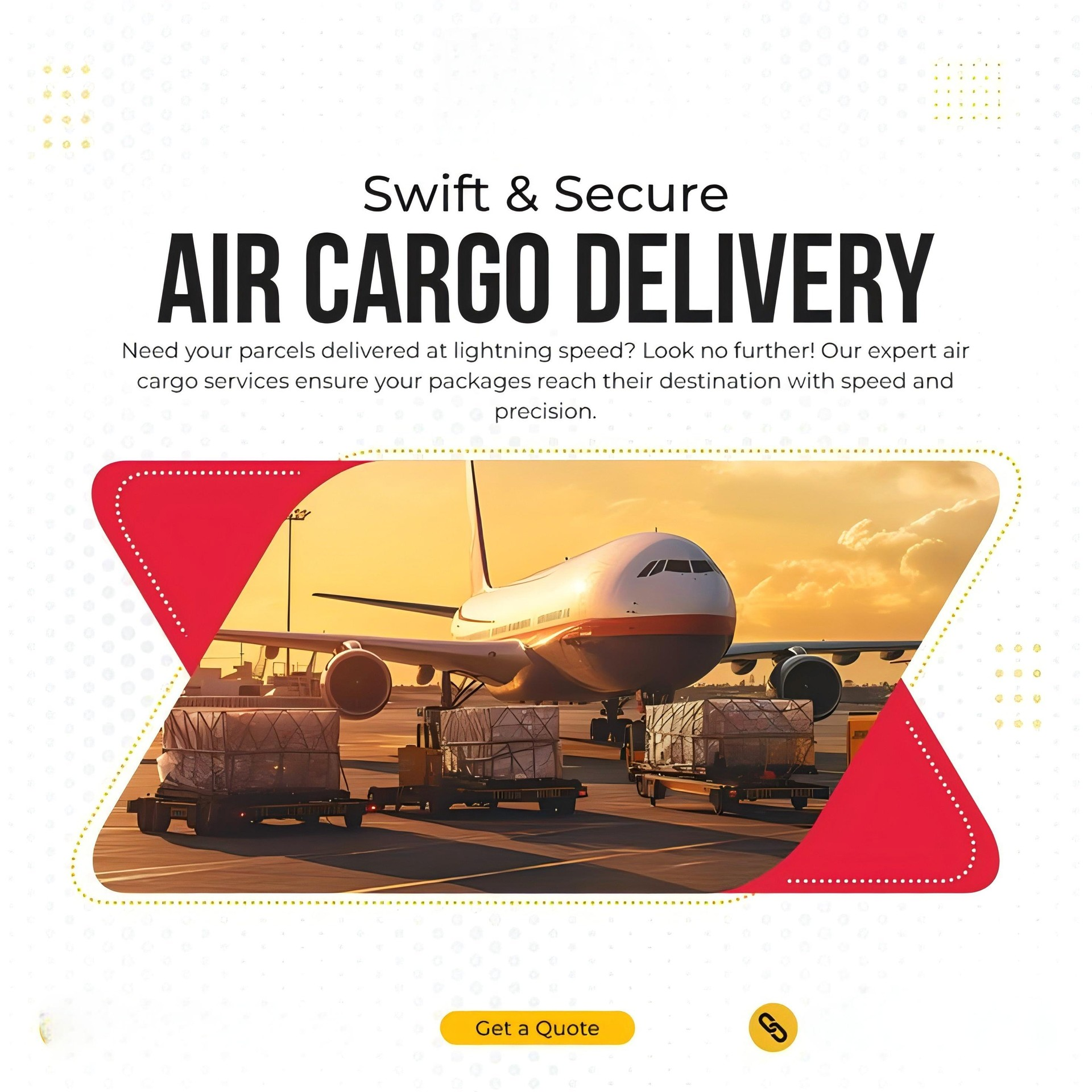
China Shipping Agent Company: Your Guide to Global Logistics Success
Finding a reliable china shipping agent company is the most critical step for businesses looking to streamline their international supply chain. Many importers struggle with complex regulations and rising freight costs while trying to maintain a steady inventory flow. Fortunately, a professional logistics partner can manage these hurdles and ensure your cargo arrives safely at its destination. This guide explores how to optimize your shipping strategy and select the best provider for your needs.
What Does a China Shipping Agent Company Do?
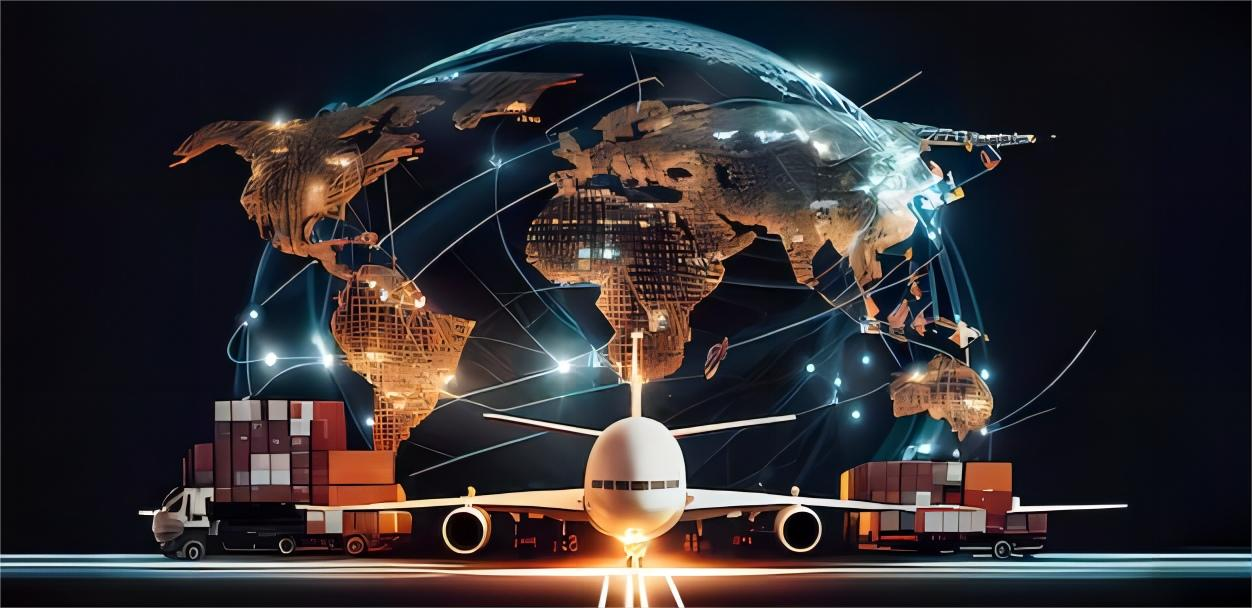
Professional agencies act as essential intermediaries between manufacturers in China and businesses worldwide. They coordinate the entire movement of goods, from the factory floor to the final warehouse location. Consequently, they handle everything from local trucking and warehousing to international carrier booking and documentation.
Managing global trade requires deep expertise in customs brokerage to avoid costly delays at the border. These agents ensure that all paperwork, including commercial invoices and certificates of origin, meets strict regulatory standards. Therefore, your business can focus on sales while the logistics experts navigate the complexities of international law.

Specifically, a high-quality partner provides real-time tracking and cargo handling services to keep you informed. They negotiate lower freight rates by leveraging their relationships with major shipping lines and airlines. Without a doubt, having a local representative in China minimizes the risks associated with time zones and language barriers.
How Does Sea Freight Compare to Other Shipping Options?
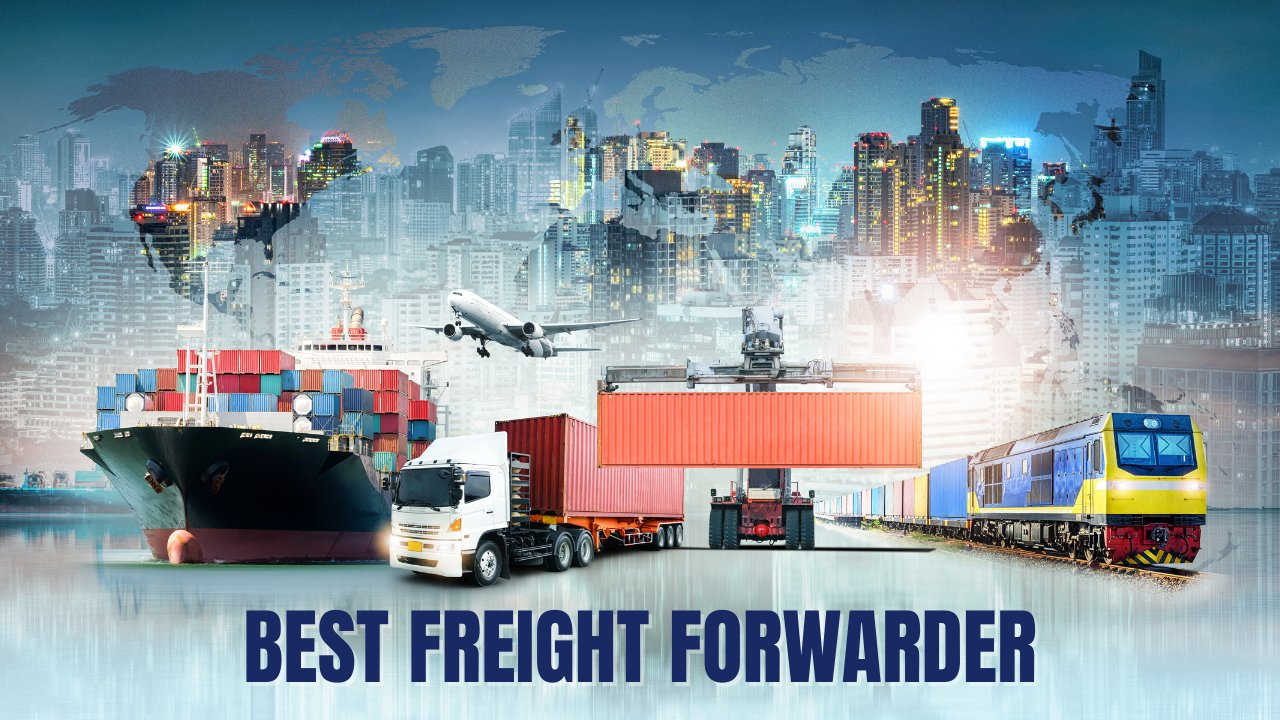
Choosing sea freight provides the most cost-effective solution for businesses moving large volumes of goods. Although it offers the slowest transit times, the price per unit is significantly lower than air transport. Because of this, it remains the primary choice for furniture, machinery, and bulk retail products.
In contrast, air freight offers unmatched speed for urgent or high-value shipments. While sea freight might take 30 days to reach Europe, air options can deliver the same cargo in less than a week. However, the costs are much higher, often making it unsuitable for low-margin items.
Typically, rail freight serves as a middle ground for shipments between China and Europe. It provides faster transit than sea but at a much lower cost than air. Nevertheless, this method is geographically limited to specific inland routes and trans-continental corridors.
| Shipping Method | Cost Range | Transit Time | Best For |
|---|---|---|---|
| Sea Freight (FCL) | $2,000 – $5,500 | 25 – 45 Days | Large bulk orders |
| Air Freight | $5 – $12 per kg | 3 – 7 Days | Urgent inventory |
| Rail Freight | $150 – $250 per CBM | 18 – 22 Days | Mid-speed cargo |
| Express Service | $8 – $15 per kg | 2 – 5 Days | Small samples |
Which Option Should You Choose for Your Cargo?
Budget priority dictates that you should almost always look toward ocean transport for non-urgent shipments. If your total volume exceeds 15 cubic meters, booking a Full Container Load (FCL) is usually more economical than Less than Container Load (LCL). Specifically, FCL offers better security and faster handling since the container is not shared with other shippers.
Speed priority requires a shift toward air freight or express courier services. When product launches or stockouts occur, the higher cost of air transport is justified by the revenue saved from faster delivery. For instance, high-end electronics or seasonal fashion items often rely on these rapid routes.
Cargo type considerations also play a major role in your final decision. Hazardous materials or oversized machinery may have limited options due to safety regulations and carrier capacity. Indeed, your china shipping agent company will advise on the safest and most compliant method based on your specific product category.
Alternative Strategies for Cost-Saving and Efficiency
Hybrid solutions like sea-air combinations can offer a strategic balance between cost and speed. In this scenario, goods are shipped by sea to a hub like Dubai or Singapore and then flown to the final destination. As a result, you save roughly 40% compared to pure air freight while cutting sea transit time in half.
LCL consolidation is another powerful alternative for smaller businesses that cannot fill a whole container. By sharing space with other importers, you only pay for the volume you use. Moreover, many agents now offer specialized consolidation services that reduce the risk of damage during the transshipment process.
Direct routes often cost 10% to 15% more but save significant time compared to transshipment via major hubs. If your supply chain is tightly scheduled, paying the premium for a direct vessel can prevent costly production shutdowns. Conversely, if time is not a factor, choosing transshipment routes can lead to substantial annual savings.
Navigating Customs and Documentation with an Agent
Understanding the documentation requirements is vital for a smooth import process. Every shipment requires a Bill of Lading, a Commercial Invoice, and a detailed Packing List. Additionally, certain products may need specific certifications like CE, FDA, or FCC to clear customs successfully.
Actually, a professional china shipping agent company will review these documents before the goods leave the factory. This proactive approach prevents the cargo from being held at the port of discharge. Notably, customs delays can result in heavy demurrage and storage fees that quickly erode your profit margins.
Since trade laws frequently change, having an expert who monitors logistics trends is invaluable. They can advise on tariff classifications to ensure you are paying the correct amount of duty. Ultimately, their goal is to facilitate a seamless transition through the port without unnecessary government intervention.
| Document Name | Purpose | Required By | Priority |
|---|---|---|---|
| Bill of Lading | Title of goods | Carrier/Customs | Critical |
| Commercial Invoice | Value declaration | Customs | Critical |
| Packing List | Cargo details | Port Authority | High |
| Certificate of Origin | Duty calculation | Customs | High |
Case Studies: Real-World Shipping Scenarios
Case Study 1: Large Volume Furniture Shipment. Route: Foshan, China to Hamburg, Germany. Cargo: Home Furniture, 68 CBM, 12,000 kg. Container: 40HQ. Shipping Details: Carrier: COSCO. Port of Loading: Shenzhen. Port of Discharge: Hamburg. Route Type: Direct. Cost Breakdown: Ocean Freight: $3,850. Origin Charges: $450. Destination Charges: $600. Customs and Duties: $1,200. Total Landed Cost: $6,100. Timeline: Booking to Loading: 5 days. Sea Transit: 33 days. Customs Clearance: 2 days. Total Door-to-Door: 40 days. Key Insight: Booking 3 weeks in advance during the Q3 peak season saved the client 15% on freight rates.
Case Study 2: Urgent Electronics Restock. Route: Shanghai, China to New York, USA. Cargo: Consumer Electronics, 2 CBM, 450 kg. Shipping Method: Air Freight. Shipping Details: Carrier: Cathay Pacific. Port of Loading: Shanghai Pudong. Port of Discharge: JFK International. Route Type: Direct. Cost Breakdown: Air Freight: $2,925. Origin Charges: $200. Destination Charges: $350. Customs and Duties: $850. Total Landed Cost: $4,325. Timeline: Booking to Loading: 2 days. Air Transit: 2 days. Customs Clearance: 1 day. Total Door-to-Door: 5 days. Key Insight: Utilizing a direct air route prevented a major stockout during the holiday shopping season.
Case Study 3: Mid-Size Industrial Parts. Route: Ningbo, China to Sydney, Australia. Cargo: Spare Parts, 12 CBM, 3,500 kg. Container: LCL. Shipping Details: Carrier: Maersk. Port of Loading: Ningbo. Port of Discharge: Sydney. Route Type: Direct. Cost Breakdown: Ocean Freight: $1,140. Origin Charges: $320. Destination Charges: $480. Customs and Duties: $650. Total Landed Cost: $2,590. Timeline: Booking to Loading: 4 days. Sea Transit: 16 days. Customs Clearance: 2 days. Total Door-to-Door: 22 days. Key Insight: Choosing LCL instead of a 20GP container saved the client over $800 in unnecessary freight costs.
Optimizing Your Supply Chain with Rail and FBA Services
Utilizing rail freight offers a strategic advantage for businesses located in Central Europe. This method is significantly faster than the sea route through the Suez Canal. Furthermore, it is much more environmentally friendly than air transport, helping companies meet their sustainability goals.
Shipping for Amazon FBA requires a specialized china shipping agent company that understands Amazon strict labeling and palletization rules. If your goods do not meet these requirements, they will be rejected at the fulfillment center. Consequently, working with an experienced partner ensures your inventory is processed quickly and accurately.
Moreover, many agents provide value-added services such as quality inspection and kitting. By catching defects at the source in China, you avoid the high cost of international returns. Indeed, these services turn a simple freight forwarder into a comprehensive logistics partner.
Final Thoughts on Choosing a China Shipping Agent Company
Selecting the right china shipping agent company is a foundational decision for any import-export business. By understanding the differences between sea, air, and rail freight, you can balance cost and speed effectively. Remember to consider alternative strategies like hybrid shipping or LCL consolidation to maximize your budget.
Reliable partners provide more than just transport; they offer security, compliance, and peace of mind. As market conditions fluctuate, having an expert to guide your logistics strategy will keep your business competitive. Start optimizing your supply chain today to ensure long-term growth and efficiency in the global marketplace.
Start Your Shipment
Streamline your international logistics today by partnering with a trusted china shipping agent company. Our team provides customized quotes and expert guidance to help you navigate the complexities of global trade. Visit our contact page to request a free freight consultation and secure the best rates for your next shipment. Send Inquiry: Visit chinafreightworld.com/contact-us/
Request Quote