
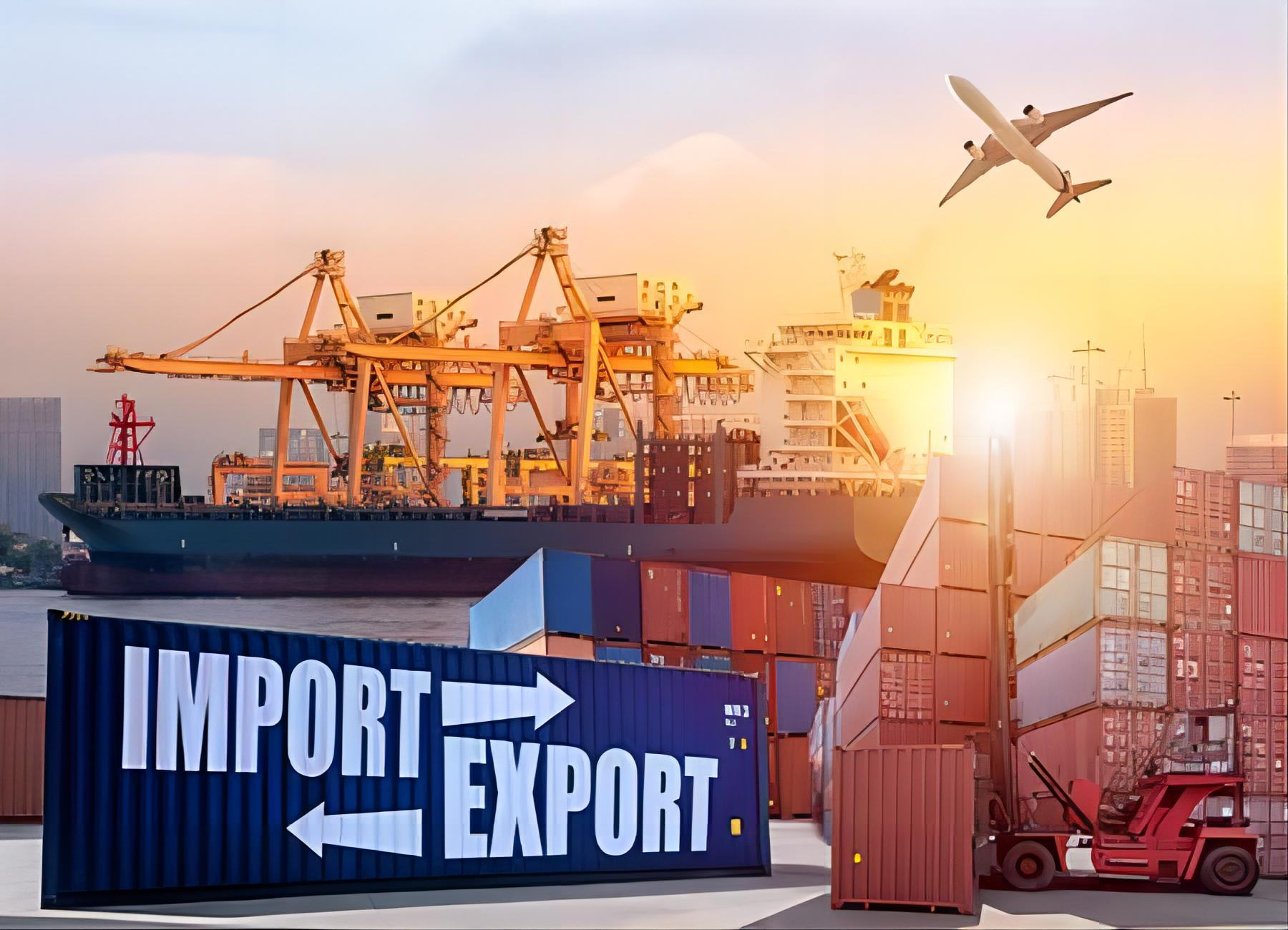
China Warehouse Shipping Agent Custom Clearance: The Ultimate Guide
Managing international logistics requires a reliable china warehouse shipping agent custom clearance partner to navigate complex regulations. Many importers struggle with delayed shipments and unexpected fees when sourcing from multiple suppliers across different provinces. By utilizing the professional services at China Freight World, you can consolidate your cargo and ensure a seamless transition from the factory floor to your final destination. This comprehensive guide explores how expert warehousing and brokerage services can significantly reduce your operational headaches.

Why Do You Need a China Warehouse Shipping Agent Custom Clearance Expert?
Sourcing products from China often involves dealing with various manufacturers located in different industrial hubs. Consequently, coordinating multiple pickups can lead to fragmented logistics and higher individual shipping costs for small batches. A professional agent provides a centralized hub where all your goods are collected, inspected, and prepared for export.
Moreover, the complexities of international trade laws mean that minor errors in paperwork can lead to lengthy port delays. Therefore, having a dedicated specialist manage your documentation ensures that your cargo meets all regulatory requirements before it ever leaves the dock. This proactive approach minimizes the risk of expensive storage fees at the destination port.

Additionally, these agents offer value-added services such as repacking, labeling, and quality control checks. For instance, if a supplier sends damaged goods, your warehouse agent can identify the issue immediately, allowing for a swift resolution before the items are shipped overseas. This layer of protection is vital for maintaining a healthy supply chain.
How Does the China Warehouse Consolidation Process Work?
The process begins when your various suppliers deliver goods to a secure, strategically located facility. Once the items arrive, the warehouse team verifies the quantity and condition of the cargo against your purchase orders. This initial step is crucial for identifying discrepancies early in the logistics cycle.
Furthermore, once all your orders have arrived, the agent performs consolidation to maximize container space. If you are using sea freight, this consolidation can transform several small LCL shipments into a single, more cost-effective FCL shipment. This strategy significantly lowers the overall cost per unit for your business.
Finally, the agent prepares the final manifest and commercial invoices required for export. They coordinate with local authorities to clear the goods through Chinese customs efficiently. Consequently, your cargo is loaded onto the vessel or aircraft with all necessary approvals already in place.
What Are the Key Customs Documents for China Exports?
Navigating the bureaucratic requirements of international trade requires a deep understanding of specific forms and certificates. Without the correct paperwork, your shipment may be seized or returned to the origin at your expense. Therefore, working with a specialist in customs brokerage is highly recommended for all importers.
Most shipments require a standard set of documents regardless of the destination country. However, specific products like electronics or chemicals may require additional safety certifications or export licenses. For example, lithium batteries require specialized handling and documentation to comply with international safety standards.

Below is a checklist of the most common documents managed by your shipping agent.
| Document Name | Purpose | Issuer | Required For |
|---|---|---|---|
| Commercial Invoice | Details value and quantity | Seller/Supplier | All Shipments |
| Packing List | Itemizes contents and weight | Seller/Warehouse | All Shipments |
| Bill of Lading | Title of goods and contract | Carrier/Agent | Sea Freight |
| Certificate of Origin | Proves manufacturing country | Chamber of Commerce | Duty Calculations |
How Does China Warehouse Shipping Compare to Other Shipping Options?
Choosing the right logistics strategy depends heavily on your budget, timeline, and cargo volume. While some importers prefer direct factory-to-door shipping, this often lacks the oversight provided by a centralized warehouse. In contrast, a warehouse-based approach allows for better quality control and cost optimization through consolidation.
For urgent shipments, air freight remains the fastest option despite its higher price point. On the other hand, rail freight provides a middle ground for shipments heading to Europe, offering faster transit than the sea but lower costs than the air. Each method has specific trade-offs that you must evaluate based on your current inventory needs.
The following table provides an objective analysis of the primary shipping methods available from China.
| Shipping Method | Cost Range | Transit Time | Best For |
|---|---|---|---|
| Sea Freight (FCL) | $1,500 – $6,000 | 18 – 45 Days | Bulk Goods |
| Air Freight | $5 – $12 per kg | 3 – 7 Days | High Value/Urgent |
| Rail Freight | $120 – $200 per CBM | 15 – 22 Days | Europe Shipments |
| Express Service | $8 – $15 per kg | 2 – 5 Days | Small Parcels |
Case Study 1: Consolidating Electronics for a US Retailer
A mid-sized electronics retailer was sourcing components from five different factories in Shenzhen and Ningbo. Initially, they were paying high individual shipping rates for multiple LCL shipments, which resulted in significant customs delays. Consequently, they decided to partner with a china warehouse shipping agent custom clearance specialist to streamline their operations.
The agent collected all items at a Shenzhen warehouse over a ten-day period. After performing a quality inspection, they consolidated the goods into one 40HQ container. As a result, the retailer saved 25 percent on total shipping costs and reduced their customs processing time by four days.
Case Study Details: Route: Shenzhen, China to Los Angeles, USA Cargo: Consumer Electronics, 55 CBM, 12,000 kg Container: 40HQ Carrier: COSCO Ocean Freight: $3,200 Total Landed Cost: $4,850 Total Door-to-Door: 22 days
Case Study 2: Fast-Track Rail Shipping to Germany
An e-commerce seller needed to replenish stock quickly before a holiday peak season in Europe. Sea freight was too slow, but air freight was prohibitively expensive for their heavy home decor items. Therefore, they opted for a hybrid warehouse and rail solution to balance speed and cost.
The agent managed the pickup from a factory in Chengdu and handled all export clearances within 48 hours. By utilizing rail freight, the shipment arrived in Hamburg much faster than it would have by sea. This strategy allowed the seller to meet their inventory deadlines without sacrificing their entire profit margin to shipping costs.
Case Study Details: Route: Chengdu, China to Hamburg, Germany Cargo: Home Decor, 15 CBM, 4,500 kg Service: Rail LCL Freight Cost: $2,850 Customs & Duties: $950 Total Door-to-Door: 19 days
Which Option Should You Choose for Your Business?
Determining the best logistics path requires a clear understanding of your priorities. If your primary goal is cost reduction and you have a long lead time, sea freight is undoubtedly the most economical choice. Conversely, if you are launching a new product and need it in stock immediately, air or express services are necessary.
For businesses selling on platforms like Amazon, choosing Amazon FBA specialized shipping is critical. These agents understand the strict labeling and palletization requirements enforced by Amazon fulfillment centers. Using an experienced agent prevents your stock from being rejected upon arrival, which could lead to significant lost sales.
Finally, always consider a door to door service for the highest level of convenience. This option includes all warehouse handling, ocean or air transport, and final mile delivery. While it may have a higher upfront quote, it often saves money by eliminating the need for you to manage multiple third-party contractors.
How to Reduce Your China Warehouse Shipping Costs?
One effective way to lower expenses is to optimize your packaging to reduce the volumetric weight of your cargo. Since many carriers charge based on the space occupied rather than just the actual weight, compact packaging can lead to direct savings. Ask your warehouse agent to suggest repacking options for bulky items.
Furthermore, try to avoid shipping during peak seasons such as the weeks leading up to the Lunar New Year or the Golden Week holiday. During these times, demand skyrockets and carrier capacity becomes extremely limited, leading to premium pricing. Planning your shipments at least a month in advance can help you secure more competitive rates.
Note: Freight rates are subject to change based on fuel costs, carrier capacity, and seasonal demand. Contact us for a current quote tailored to your specific shipment.
Mastering Your China Logistics Strategy
In conclusion, partnering with a china warehouse shipping agent custom clearance expert is a strategic move for any serious importer. By centralizing your operations, you gain better control over quality, costs, and compliance. This holistic approach ensures that your business remains competitive in an increasingly complex global market.
Whether you are moving bulk industrial goods or small consumer parcels, the right logistics partner makes all the difference. Focus on your core business growth while the experts handle the intricacies of international shipping and customs. Start optimizing your China-based supply chain today to enjoy faster transit times and lower overhead.
Need a tailored shipping solution?
Streamline your global logistics today with a professional china warehouse shipping agent custom clearance service. Our team at China Freight World is ready to handle your consolidation, documentation, and international transport with precision. Visit our website to request a personalized quote and see how we can optimize your supply chain for maximum efficiency.