
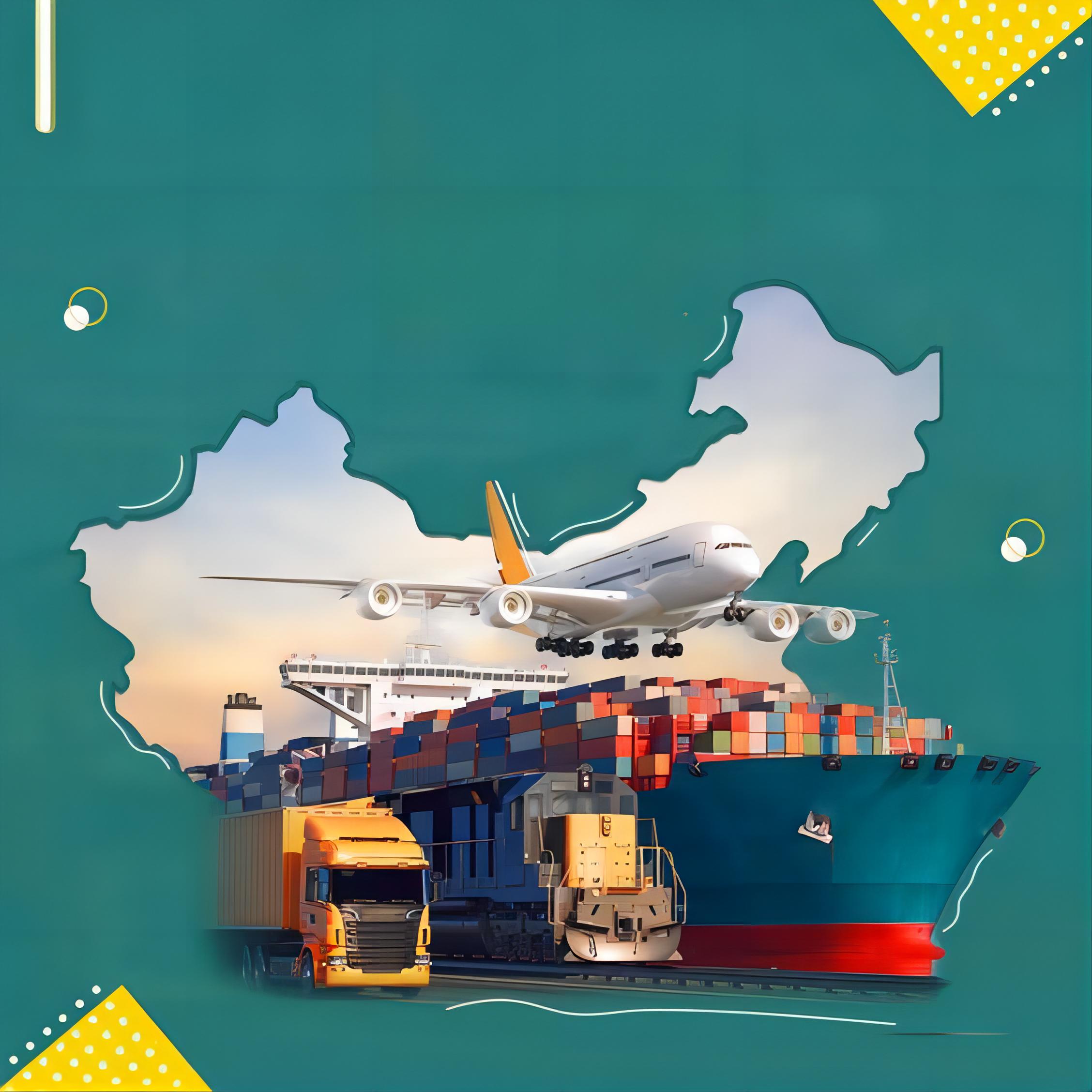
Shipping from China to Amazon Warehouse Factory Pickup Guide
Managing shipping from china to amazon warehouse factory pickup requires a precise coordination between manufacturers and logistics providers to ensure timely delivery. Many sellers struggle with the complexities of international freight, yet finding a reliable partner like China Freight World can simplify the entire supply chain process. This comprehensive guide explores how you can optimize your FBA inventory flow by picking up goods directly from the source.
What is Shipping from China to Amazon Warehouse Factory Pickup?
Factory pickup refers to a logistics arrangement where the freight forwarder collects goods directly from the manufacturer’s facility in China. Consequently, this method eliminates the need for the seller to arrange local transport to a port or consolidation center. It is a vital component of a seamless Amazon FBA strategy for global e-commerce entrepreneurs.
Sellers often prefer this method because it provides greater control over the initial leg of the journey. Furthermore, it ensures that the freight forwarder can inspect the packaging and labeling before the goods even leave the factory gates. This proactive approach prevents costly delays at customs or Amazon receiving centers later in the process.
How to Coordinate Factory Pickup in China for Amazon FBA?
Effective coordination starts with clear communication between your supplier and your logistics provider. You must provide the exact factory address, contact person, and the ready date for the cargo to avoid any confusion. Once the goods are ready, your forwarder will dispatch a truck to the factory to load the shipment.
Meanwhile, documentation such as the commercial invoice and packing list must be prepared accurately for customs purposes. If you are using sea freight, the forwarder will transport the goods to the nearest port for container loading. This streamlined workflow reduces the risk of missed shipping windows and ensures your inventory stays on schedule.
How Does Factory Pickup Compare to Other Shipping Options?
Choosing between factory pickup (EXW) and port delivery (FOB) is a critical decision for any Amazon seller. While FOB requires the supplier to handle local logistics, factory pickup gives you full visibility into the movement of your goods from the very beginning. Therefore, many experienced sellers choose EXW to maintain tighter control over their shipping costs and timelines.
Below is a comparison of the primary shipping methods available for this route:
| Shipping Method | Cost Range | Transit Time | Best For |
|---|---|---|---|
| Air Freight | $5 – $9 per kg | 5 – 8 Days | High-value, urgent stock |
| Sea Freight (LCL) | $150 – $300 per CBM | 25 – 40 Days | Small to medium shipments |
| Sea Freight (FCL) | $2,500 – $4,500 per 40HQ | 20 – 35 Days | Large volume inventory |
| Express Service | $7 – $12 per kg | 3 – 5 Days | Samples or low volume |
Understanding the Costs of Factory Pickup and Amazon Delivery
Shipping costs for factory pickup involve several variables, including the distance from the factory to the port and the total volume of the cargo. Additionally, fuel surcharges and seasonal demand can influence the final price you pay for logistics services. For urgent shipments, air freight remains the fastest but most expensive option.
Budgeting for these expenses requires a clear understanding of the landed cost of your products. In addition to freight charges, you must account for customs duties, insurance, and Amazon’s own receiving fees. To summarize, a comprehensive cost analysis is essential for maintaining healthy profit margins in the competitive Amazon marketplace.
Which Option Should You Choose? Decision Framework
Selecting the right shipping strategy depends on your specific business needs and inventory requirements. If your primary goal is speed to market, express or air freight are the most logical choices. However, if you are focused on maximizing profit margins for bulky items, sea freight is undoubtedly the superior alternative.
Consider the following criteria when making your decision:
1. Budget Priority: Choose sea freight for the lowest per-unit cost on large shipments.
2. Speed Priority: Opt for air freight or express services to replenish stock quickly.
3. Cargo Type: Use specialized handling for fragile or hazardous materials.
4. Volume Thresholds: Switch from LCL to FCL once your shipment exceeds 15 CBM for better rates.
Real Case Studies: Factory to Amazon Warehouse
Analyzing real-world examples helps sellers understand the practical challenges and successes of factory pickup logistics. These cases illustrate how different methods impact the bottom line and delivery speed.
Case Study 1: Electronics from Shenzhen to Amazon ONT8 +———————————————————+ | Route: Shenzhen, China to Los Angeles, USA | | Cargo: Consumer Electronics, 5 CBM, 1,200 kg | | Method: Sea Freight LCL | | Ocean Freight: $950 | | Total Landed Cost: $1,450 | | Total Door-to-Door: 28 days | | Key Insight: Direct factory pickup saved 3 days. | +———————————————————+

Case Study 2: Home Decor from Ningbo to Amazon DTM2 +———————————————————+ | Route: Ningbo, China to Hamburg, Germany | | Cargo: Wooden Decor, 68 CBM, 12,000 kg | | Container: 40HQ Full Container | | Ocean Freight: $3,800 | | Total Landed Cost: $5,200 | | Total Door-to-Door: 38 days | | Key Insight: FCL was 30 percent cheaper than LCL. | +———————————————————+
Customs Clearance and Documentation for FBA Shipments
Navigating the complexities of international trade requires expert knowledge of customs brokerage procedures. Each shipment must comply with both Chinese export laws and the destination country’s import regulations. Consequently, missing or incorrect paperwork can lead to severe delays and unexpected storage fees at the port.
Essential documents include the bill of lading, commercial invoice, and the specific Amazon FBA labels for each carton. Moreover, you must ensure that your products meet all safety standards and certifications required by law. Working with a professional forwarder ensures that all documentation is verified before the goods depart from China.
Common Challenges in China Factory Pickup Logistics
One frequent challenge is the lack of communication between the factory and the trucking company. If the factory is not ready for the pickup, the truck may charge a waiting fee or require a second trip. Therefore, confirming the readiness of the goods 24 hours in advance is a standard best practice for all shipments.
Another common issue involves incorrect labeling that does not meet Amazon’s strict warehouse requirements. To solve this, many sellers utilize a door to door service that includes a labeling check at a consolidation warehouse. This extra step provides peace of mind that the goods will be accepted by Amazon without any issues.
Mastering Your FBA Supply Chain
Successfully shipping from china to amazon warehouse factory pickup requires a combination of strategic planning and reliable partnerships. By choosing the right shipping method and ensuring accurate documentation, you can significantly reduce your logistics headaches. Furthermore, understanding the nuances of factory pickup allows you to take full control of your inventory flow.
As market conditions change, staying informed about freight rates and transit times will give you a competitive edge. Whether you choose sea, air, or express shipping, the goal remains the same: getting your products to customers efficiently. Start optimizing your logistics today to ensure your Amazon business continues to thrive in the global marketplace.
Ready to streamline your logistics?
Optimizing your shipping from china to amazon warehouse factory pickup is the key to scaling your e-commerce business successfully. Contact our expert team today to receive a customized quote and streamline your FBA supply chain. Visit our website to start your inquiry: See: https://chinafreightworld.com/
Request Quote