
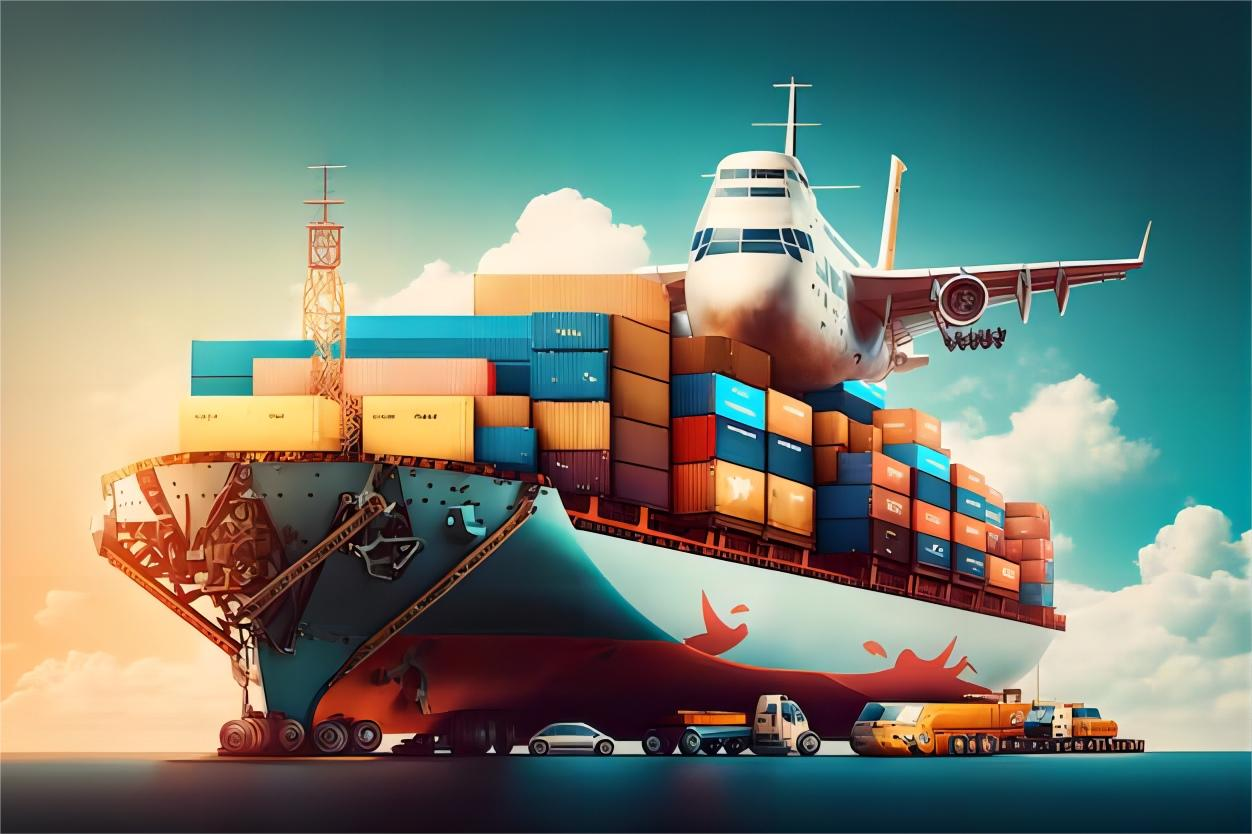
Door to Door Shipping China Door Delivery: The Ultimate 2026 Guide
Managing international logistics requires a delicate balance between speed, cost, and reliability. As global trade volumes continue to rise in early 2026, businesses increasingly rely on door to door shipping china door delivery to simplify their operations. By partnering with a dedicated provider like China Freight World, importers can eliminate the stress of coordinating multiple carriers and local agents. This comprehensive service covers every step from the factory floor in China to the final destination address. Consequently, companies can focus more on their core growth while logistics experts handle the complexities of international transport.

What is Door to Door Shipping China Door Delivery?
Door to door shipping china door delivery represents a complete logistics solution where the freight forwarder assumes responsibility for the entire journey. This process begins with the collection of goods from the supplier in China and concludes with the final drop-off at the customer warehouse or residence. Unlike port-to-port shipping, this model includes inland trucking, export documentation, ocean or air transit, and destination customs clearance.
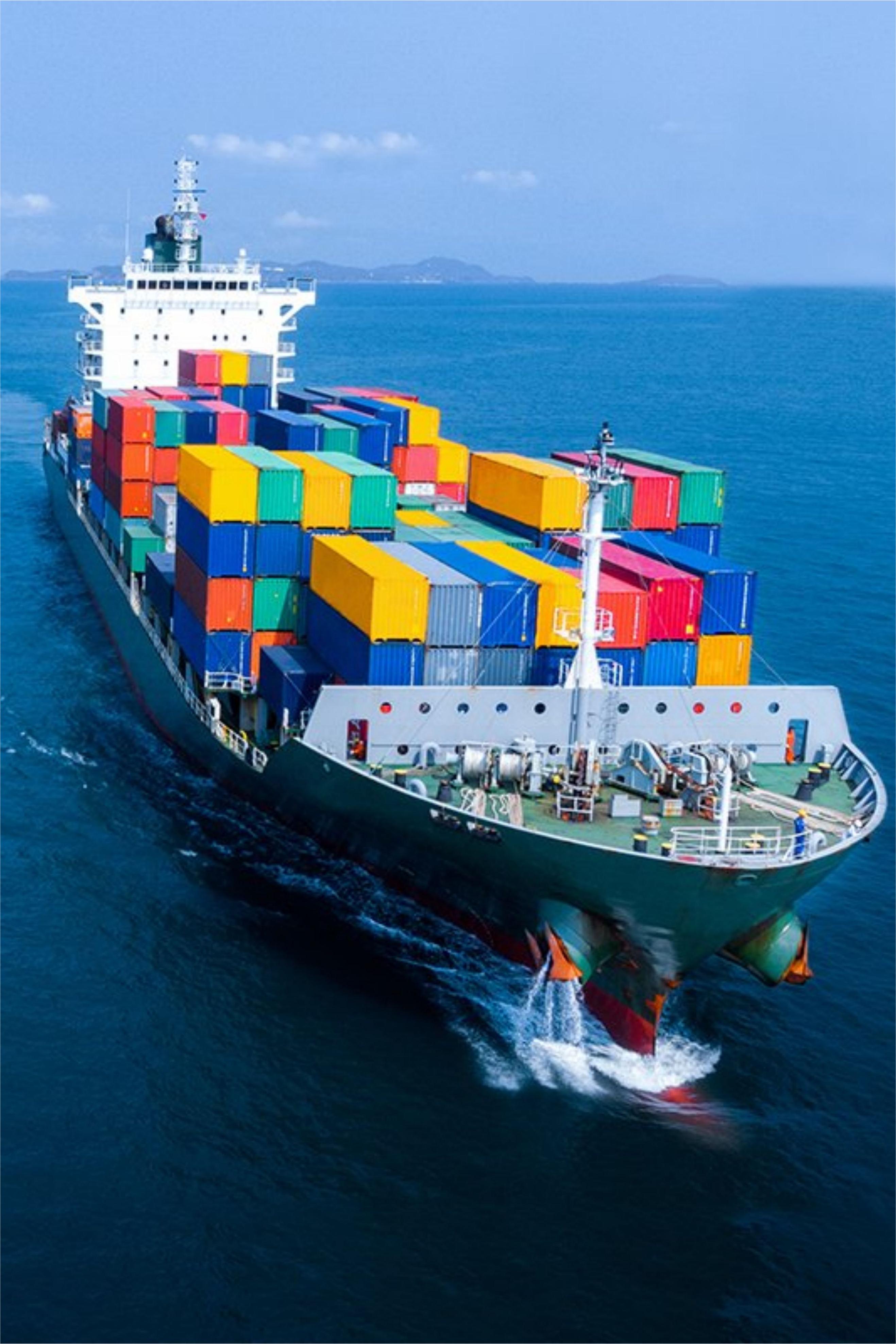
Furthermore, this service model is particularly beneficial for small to medium-sized enterprises that lack a dedicated logistics department. It provides a single point of contact, which significantly reduces the risk of communication errors between different service providers. By choosing door to door shipping, you ensure that your cargo moves seamlessly through every international border.
Specifically, the forwarder manages the complex paperwork required by both Chinese authorities and destination customs offices. This includes handling the Bill of Lading, Commercial Invoice, and Packing List. Consequently, the importer avoids the headache of navigating foreign regulations and local delivery schedules independently.
How Does Door to Door Shipping China Door Delivery Compare to Other Options?
Evaluating different transport modes is essential for optimizing your supply chain costs and delivery timelines. While door to door services provide the most convenience, the underlying transport method determines the overall efficiency. For instance, high-value electronics often require the speed of air transit, whereas bulky furniture is better suited for ocean containers.
In contrast to port-to-port arrangements, door to door services include the final mile delivery which is often the most expensive and complex part of the journey. In 2026, fuel prices and labor costs at destination ports continue to fluctuate, making a pre-negotiated door delivery rate more predictable. Below is a detailed comparison of the primary methods used within a door to door framework.
| Shipping Method | Cost Range | Transit Time | Best For | Limitations |
|---|---|---|---|---|
| Air Freight | High ($5-12/kg) | 3-7 Days | Urgent/High Value | Weight Limits |
| Sea Freight | Low ($1500-4500/ctr) | 20-45 Days | Bulk/Heavy Goods | Long Lead Times |
| Rail Freight | Medium ($2-4/kg) | 15-22 Days | Mid-range urgency | Geographic limits |
| Express | Very High ($8-15/kg) | 2-5 Days | Samples/Small pkgs | Highest price |
Which Option Should You Choose for Your Business?
Selecting the right transport mode depends heavily on your specific budget priorities and inventory requirements. If your primary goal is cost reduction for large volumes, sea freight remains the most economical choice for 2026 imports. However, you must account for the longer lead times by planning your inventory cycles at least two months in advance.
Alternatively, if you are dealing with seasonal products or rapid market shifts, air freight provides the agility needed to respond to customer demand. Although the price per kilogram is significantly higher, the reduction in warehouse holding costs can sometimes offset the shipping premium. Indeed, many modern businesses use a hybrid approach to balance their logistics spend.
Meanwhile, for shipments heading to landlocked regions or specific hubs in Central Asia and Europe, rail freight offers a competitive middle ground. It is faster than sea and significantly cheaper than air, making it an excellent alternative for mid-value industrial components. Always consider the total landed cost rather than just the freight rate when making your final decision.
The Essential Steps in the Door Delivery Process
The journey begins with a detailed booking where the shipper provides the dimensions, weight, and nature of the cargo. Once the booking is confirmed, a local truck picks up the goods from the factory or warehouse in China. This initial leg is crucial for ensuring that the cargo is properly packed and labeled for international transit.
Next, the goods arrive at the port of loading where they undergo export customs clearance. Professional customs brokerage services are vital here to ensure that all HS codes are correct and that the shipment complies with Chinese export laws. Any error at this stage can lead to significant delays and additional storage fees.
After clearing export, the cargo is loaded onto the vessel, aircraft, or train for the main transit leg. Throughout this period, advanced tracking systems allow importers to monitor the location of their goods in real-time. Upon arrival at the destination port, the forwarder manages the import customs clearance, pays the necessary duties, and arranges the final delivery truck to the doorstep.
Realistic Case Studies for 2026 Shipping Scenarios
Case Study 1: Electronics to the United States
Route: Shenzhen, China to Los Angeles, California. Cargo: Consumer Electronics, 28 CBM, 4500 kg. Container: 40GP Full Container Load (FCL). Shipping Details: Major carrier direct service via Port of Ningbo to Port of Los Angeles.
Cost Breakdown: Ocean Freight: $2,850. Origin Charges: $450. Destination Charges: $600. Customs and Duties: $1,200. Total Landed Cost: $5,100. Timeline: Booking to Loading: 4 days. Sea Transit: 16 days. Customs Clearance: 2 days. Total Door-to-Door: 22 days.
Key Insight: Utilizing a direct route to North America saved five days compared to transshipment options, which was critical for a product launch.
Case Study 2: Textiles to Germany
Route: Ningbo, China to Hamburg, Germany. Cargo: Organic Cotton Apparel, 8 CBM, 1200 kg. Container: LCL (Less than Container Load). Shipping Details: Transshipment via Singapore to Port of Hamburg.
Cost Breakdown: Ocean Freight: $720. Origin Charges: $200. Destination Charges: $350. Customs and Duties: $950. Total Landed Cost: $2,220. Timeline: Booking to Loading: 6 days. Sea Transit: 34 days. Customs Clearance: 3 days. Total Door-to-Door: 43 days.
Key Insight: Shipping to Europe via LCL allowed the boutique retailer to maintain low inventory levels without paying for a full container.
Case Study 3: Industrial Parts to Australia
Route: Shanghai, China to Sydney, Australia. Cargo: Precision Machinery Parts, 2 CBM, 800 kg. Shipping Method: Air Freight Door to Door. Port of Loading: Shanghai Pudong (PVG). Port of Discharge: Sydney Kingsford Smith (SYD).
Cost Breakdown: Air Freight: $4,800. Origin Charges: $150. Destination Charges: $220. Customs and Duties: $600. Total Landed Cost: $5,770. Timeline: Booking to Loading: 1 day. Air Transit: 2 days. Customs Clearance: 1 day. Total Door-to-Door: 4 days.
Key Insight: For urgent repairs in Australia, air freight was the only viable solution despite the higher cost per kilogram.
Cost-Saving Strategies for 2026 Logistics
Reducing your door to door shipping china door delivery expenses requires a proactive approach to supply chain management. One effective strategy is cargo consolidation, where multiple small shipments are combined into a single larger shipment to benefit from lower volume rates. Consequently, you can reduce the per-unit cost of transportation significantly.
Additionally, timing your shipments to avoid peak seasons can save you between 15% and 25% on freight rates. In the shipping industry, the months leading up to the Lunar New Year and the late Q3 peak for holiday shopping are the most expensive times to book space. By scheduling your imports during the shoulder seasons, you can secure more competitive pricing and better equipment availability.
Moreover, optimizing your packaging to reduce wasted space within a container or carton can lead to direct savings. Carriers charge based on either actual weight or volumetric weight, whichever is higher. Therefore, ensuring your products are packed efficiently prevents you from paying to ship air. Always consult with your forwarder about the most cost-effective packaging standards for your specific cargo type.
Understanding Customs and Documentation Requirements
Accurate documentation is the backbone of successful door to door shipping china door delivery. Without the correct paperwork, shipments can be held at the port of entry for weeks, incurring heavy demurrage and detention fees. Every importer must ensure they have a valid Commercial Invoice that clearly states the value, quantity, and description of the goods.
Furthermore, the Packing List must precisely match the physical contents of the shipment to avoid discrepancies during customs inspections. For certain regulated items, such as medical devices or chemicals, additional certificates of origin or safety data sheets may be required. Maintaining a digital archive of all previous shipments can help streamline the process for future imports.
Note: Freight rates are subject to change based on fuel costs, carrier capacity, and seasonal demand. Contact us for a current quote tailored to your specific shipment.
| Document Name | Purpose | Responsible Party | Required For |
|---|---|---|---|
| Bill of Lading | Title to the goods | Carrier | All Shipments |
| Commercial Invoice | Value declaration | Supplier | Customs Clearance |
| Packing List | Content details | Supplier | Inspection |
| Certificate of Origin | Tariff determination | Supplier/Chamber | Duty Reductions |

Mastering Your Global Delivery Strategy
In conclusion, successful door to door shipping china door delivery hinges on choosing the right partner and the most appropriate transport mode for your needs. Whether you prioritize the speed of air freight or the cost-efficiency of sea freight, understanding the nuances of the process is vital. By leveraging the expertise of a professional forwarder, you can navigate the complexities of international trade with confidence.
As we move through 2026, staying informed about market trends and documentation requirements will remain a competitive advantage. Efficient logistics not only saves money but also enhances customer satisfaction through reliable delivery schedules. Start optimizing your door to door shipping china door delivery strategy today to ensure your business remains agile in the global marketplace.
Ready to streamline your logistics?
Streamline your global supply chain today with our premium door to door shipping china door delivery solutions. Our team of logistics experts is ready to provide you with a customized quote that fits your budget and timeline. Visit our inquiry page to get started and experience the ease of professional door delivery for your business. Send Inquiry: https://chinafreightworld.com/
Frequently Asked Questions
How long does door to door shipping from China take in 2026?
Transit times vary by method. Air freight takes 3-7 days, while sea freight takes 20-45 days depending on the destination. Rail options usually fall between 15-22 days.
Are customs duties included in the door to door price?
Usually, the quote includes the service of clearing customs, but the actual duties and taxes are billed separately based on the cargo value and local tariff laws.
Can I ship small quantities using door delivery services?
Yes, LCL (Less than Container Load) and express services are designed specifically for smaller shipments, allowing you to pay only for the space you use.
What is the difference between DDU and DDP shipping?
DDP (Delivered Duty Paid) means the seller handles all costs including duties. DDU (Delivered Duty Unpaid) means the buyer pays the import duties upon arrival.
Is insurance necessary for door to door shipments?
Highly recommended. Insurance protects your investment against damage or loss during the multiple handling stages of a door to door journey.
How can I track my shipment from China?
Most professional forwarders provide a tracking number or an online portal where you can see real-time updates on your cargo location and status.
Are there items that cannot be shipped door to door?
Certain hazardous materials, perishables, and restricted electronics may have specific limitations or require special permits for door delivery services.
How are door to door shipping costs calculated?
Costs are based on weight, volume, distance, and the level of service required. Fuel surcharges and seasonal demand also influence the final price.