
China Freight Rates Shipping Time: 2026 Comprehensive Guide
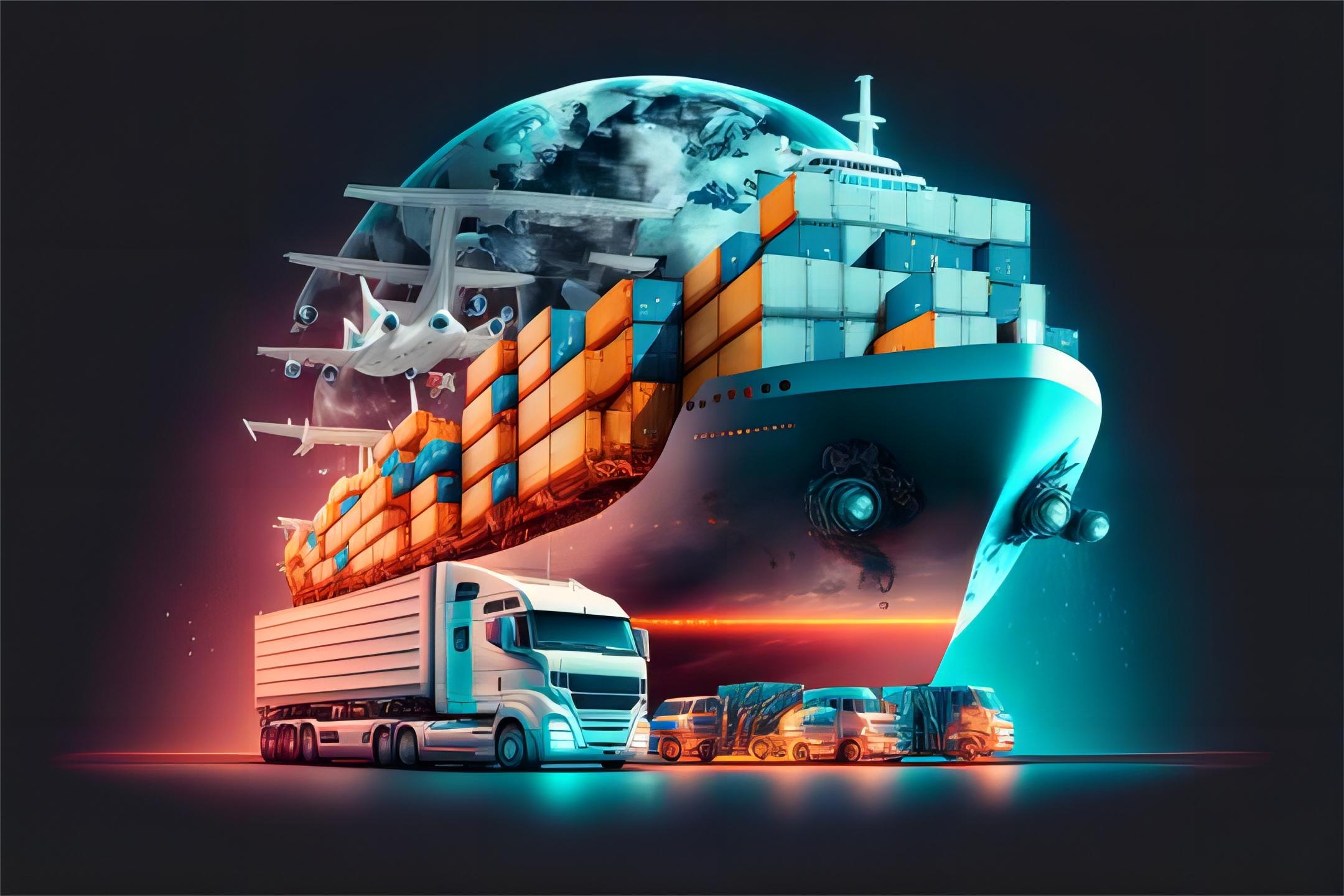
Navigating the complexities of china freight rates shipping time is a fundamental requirement for successful global trade in 2026. Business owners must balance the urgency of inventory needs with the necessity of maintaining healthy profit margins. Visit China Freight World to access professional logistics support tailored to your specific import requirements. Consequently, understanding the interplay between cost and speed allows you to optimize your entire supply chain effectively.
What Factors Influence China Freight Rates Shipping Time in 2026?
Several critical variables determine the final cost and duration of your shipments from Chinese manufacturing hubs. Market demand fluctuates seasonally, which directly impacts the availability of container space and vessel frequency. Moreover, fuel price adjustments and port congestion levels in major cities like Shanghai or Ningbo play a significant role. Therefore, shippers must monitor these trends closely to avoid unexpected delays and budget overruns.
Geopolitical stability remains a primary concern for international shipping costs and route planning. New regulations regarding carbon emissions have introduced additional surcharges for many carriers operating in 2026. Furthermore, labor availability at destination ports can either streamline or hinder the discharge process. Indeed, a holistic view of these factors is necessary for accurate logistics forecasting.
How Does Sea Freight Compare to Other Shipping Options?
Choosing the right transport mode requires a careful analysis of your cargo volume and delivery deadlines. While sea freight remains the most economical choice for bulk goods, it offers the longest transit durations. In contrast, air transport provides rapid delivery but carries a significantly higher price tag per kilogram. Additionally, rail options have become increasingly popular for shipments destined for European markets.
Each method serves a distinct purpose within a diversified supply chain strategy. For example, high-value electronics often travel via air to minimize capital tie-up and reduce the risk of damage. On the other hand, heavy machinery and raw materials are best suited for ocean containers. Consequently, businesses often utilize a mix of these services to balance their total landed costs.
| Shipping Method | Cost Range | Transit Time | Best For |
|---|---|---|---|
| Sea Freight (FCL) | $2,000 – $4,500 | 18 – 40 Days | Large volumes, non-urgent |
| Air Freight | $5.00 – $12.00/kg | 3 – 7 Days | High-value, urgent items |
| Rail Freight | $1.50 – $3.50/kg | 15 – 22 Days | Mid-range cost to Europe |
| Express Service | $8.00 – $15.00/kg | 2 – 5 Days | Samples, small parcels |
Why is Ocean Freight Pricing Still a Dominant Factor?
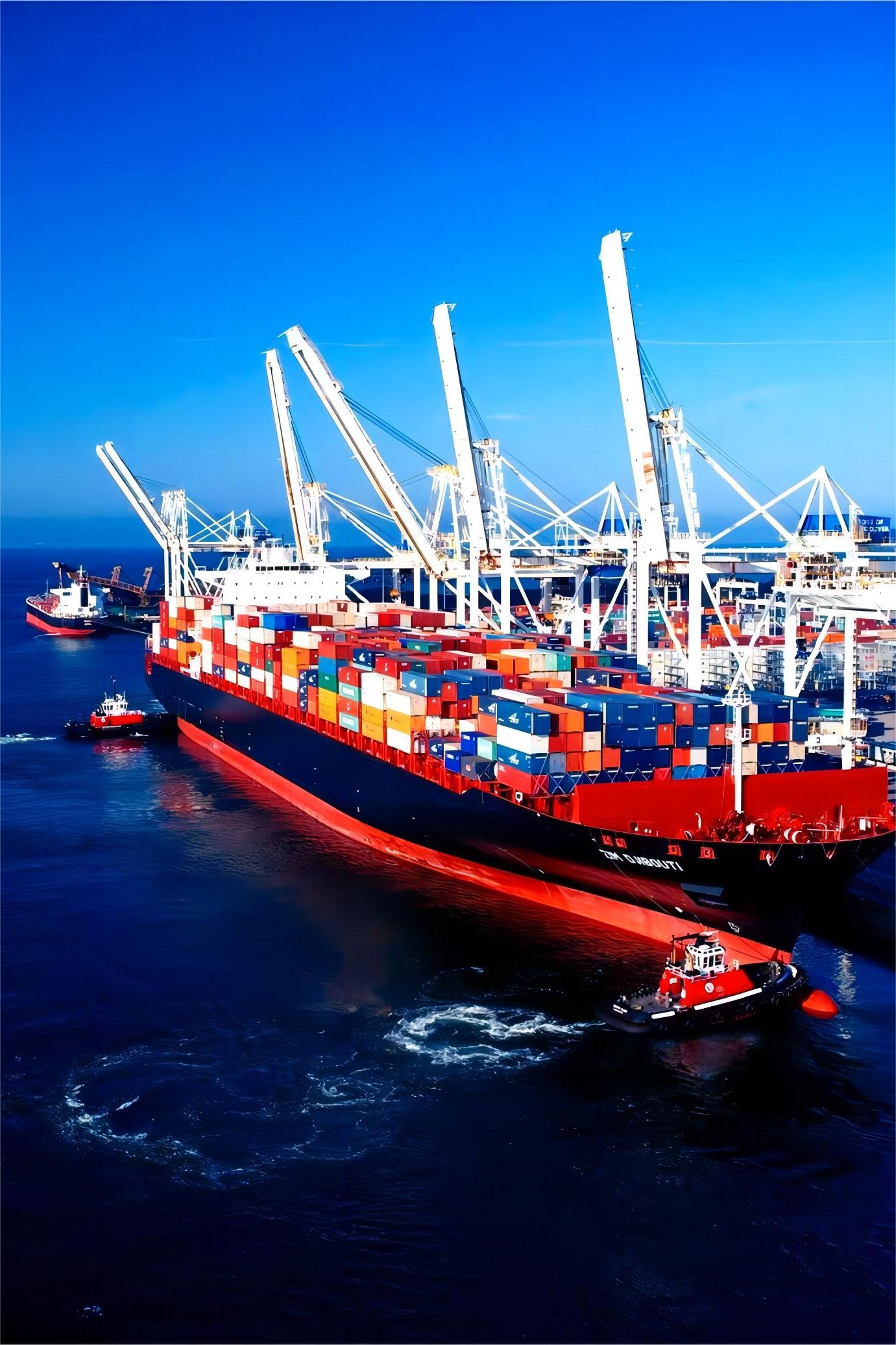
Ocean freight remains the backbone of international trade due to its unparalleled capacity for large shipments. Most importers prefer FCL vs LCL rates depending on whether they can fill a standard 20ft or 40ft container. Additionally, the cost per unit drops significantly as the volume of the shipment increases. Nevertheless, businesses must account for port fees and local trucking expenses when calculating their total budget.
Transit time from China to USA varies depending on whether the destination is on the West Coast or East Coast. Typically, vessels reaching Los Angeles arrive much faster than those traveling through the Panama Canal to New York. Furthermore, seasonal peaks during the late summer months can cause container shipping fees to spike. To summarize, ocean transport provides the best value for companies moving significant quantities of inventory.
Can Air Cargo Delivery Time Justify the Higher Expense?
Utilizing air freight is often the only solution for meeting tight retail deadlines or responding to sudden market shifts. Speed is the primary advantage, as goods can move from a Chinese factory to a domestic warehouse in less than a week. Moreover, the security protocols at airports are generally more stringent than at sea ports. This reduces the likelihood of theft or loss for sensitive merchandise.
Pricing for air transport is calculated based on either actual weight or volumetric weight, whichever is greater. As a result, lightweight but bulky items can be surprisingly expensive to ship via aircraft. However, the reduction in inventory holding costs can sometimes offset the higher transport fees. Specifically, businesses with fast-turning stock find this method highly beneficial for maintaining consistent availability.

Is Rail Cargo Speed a Viable Alternative for Europe?
European importers frequently turn to rail freight as a strategic middle ground between sea and air options. This method offers a transit time from China to Europe that is roughly half that of ocean transport. Additionally, rail transport is considered more environmentally friendly than air cargo. Consequently, it appeals to companies looking to improve their corporate sustainability metrics in 2026.
Stability in pricing is another advantage of the rail network across the Eurasian land bridge. Unlike sea rates, which can fluctuate wildly based on carrier alliances, rail costs tend to remain more predictable. Furthermore, the infrastructure improvements in central Asia have enhanced the reliability of these routes. Indeed, rail cargo has become a staple for many industrial and automotive supply chains.
How Does Customs Clearance Time Impact Your Schedule?
Efficient customs brokerage is essential for preventing bottlenecks at the border. Even the fastest transit method can be negated by poor documentation or compliance errors. Moreover, customs authorities in 2026 utilize advanced AI screening, which requires precise data entry for all declarations. Therefore, partnering with an experienced broker is vital for maintaining your delivery schedule.
Delays often occur when descriptions on the commercial invoice do not match the physical cargo. In addition, certain regulated goods may require specific permits or laboratory testing upon arrival. Without a doubt, proactive preparation of the customs documents checklist can save days of waiting. Notably, door to door logistics providers often include these services to simplify the process for the importer.
What Are the Best Strategies for Amazon FBA Shipping?
Sellers utilizing Amazon FBA must adhere to strict delivery windows to maintain their account health. Choosing a specialized freight forwarder who understands Amazon’s labeling and palletizing requirements is crucial. Furthermore, direct shipping to fulfillment centers can reduce the number of times your cargo is handled. This minimizes the risk of damage during the final mile of delivery.
Inventory planning must account for the lead times associated with different shipping methods. For instance, launching a new product may require an initial air shipment followed by larger sea freight replenishment. Additionally, using a bonded warehouse can help manage cash flow by deferring duty payments. As a result, savvy e-commerce entrepreneurs maximize their ROI through intelligent logistics choices.
Realistic Case Studies for 2026 Shipping Scenarios
Analyzing real-world examples provides a clearer picture of current market conditions and costs. These scenarios reflect typical shipments handled during the first half of 2026. Moreover, they illustrate the importance of selecting the correct container size for your specific cargo. Use these benchmarks to compare your current quotes and identify potential areas for cost savings.
Case Study 1: Electronics from Shenzhen to Los Angeles
Route: Shenzhen, China to Los Angeles, USA. Cargo: Consumer Electronics, 68 CBM, 12,500 kg. Container: 40HQ. Shipping Details: Direct service via major carrier. Port of Loading: Shenzhen. Port of Discharge: Los Angeles. Cost Breakdown: Ocean Freight $3,400; Origin Charges $450; Destination Charges $600; Total Landed Cost $4,450. Timeline: Booking to Loading 4 days; Sea Transit 15 days; Customs 2 days; Total Door-to-Door 21 days. Key Insight: Early booking allowed the shipper to secure a lower rate before the Q3 peak season.
Case Study 2: Fashion Apparel from Shanghai to Hamburg
Route: Shanghai, China to Hamburg, Germany. Cargo: Textiles and Apparel, 12 CBM, 3,200 kg. Container: LCL. Shipping Details: Transshipment via Singapore. Port of Loading: Shanghai. Port of Discharge: Hamburg. Cost Breakdown: Ocean Freight $1,100; Origin Charges $300; Destination Charges $500; Total Landed Cost $1,900. Timeline: Booking to Loading 5 days; Sea Transit 34 days; Customs 3 days; Total Door-to-Door 42 days. Key Insight: Consolidating LCL shipments saved the client 40 percent compared to air freight.
Which Option Should You Choose? Decision Framework
Determining the ideal shipping method depends on your specific business priorities and budget constraints. If your primary goal is cost minimization for large volumes, sea freight is the clear winner. However, if you are moving perishable goods or high-value items, air transport is often necessary. Additionally, consider the impact of transit time on your cash flow and inventory turnover rates.
Volume thresholds often dictate when it is more economical to switch from LCL to FCL. Generally, shipments exceeding 15 CBM are more cost-effective when booked as a full 20ft container. Furthermore, hybrid solutions like sea-air combinations can offer a balance of speed and affordability. To summarize, your decision should align with your overall business strategy and customer expectations.
Final Thoughts on 2026 Logistics Planning
Mastering china freight rates shipping time is an ongoing process that requires constant attention to market trends. By understanding the differences between sea, air, and rail transport, you can make informed decisions for your business. Moreover, proactive planning and accurate documentation remain the best defenses against unexpected delays. Consequently, a well-managed logistics strategy will directly contribute to your long-term success in the global marketplace.
Note: Freight rates are subject to change based on fuel costs, carrier capacity, and seasonal demand. Contact us for a current quote tailored to your specific shipment.
Ready to streamline your logistics?
Optimizing your china freight rates shipping time requires expert guidance and reliable partners. Contact the team at China Freight World today to receive a customized quote that meets your budget and deadline requirements. Our logistics specialists are ready to help you streamline your international supply chain for maximum efficiency. Send Inquiry

Frequently Asked Questions
How long does it take to ship a container from China to the USA?
Transit times typically range from 14 to 18 days for West Coast ports and 30 to 35 days for East Coast ports, depending on the carrier.
What is the cheapest way to ship goods from China in 2026?
Sea freight remains the most economical method for large volumes, especially when using Full Container Load (FCL) services for bulk cargo.
Why have freight rates increased recently?
Rates often rise due to seasonal demand peaks, fuel price adjustments, and global supply chain disruptions affecting vessel availability and port operations.
Is rail freight faster than sea freight for Europe?
Yes, rail freight typically takes 15 to 22 days, which is significantly faster than the 30 to 40 days required for ocean transport.
What documents are needed for customs clearance from China?
Essential documents include the commercial invoice, packing list, bill of lading, and any specific import permits required for your cargo type.
Can I ship small quantities from China economically?
Less than Container Load (LCL) or express services are ideal for small shipments, allowing you to share container space and reduce costs.
How can I track my shipment from China?
Most freight forwarders provide online tracking systems using your bill of lading or container number to monitor progress in real time.
Does weather affect shipping times from China?
Severe weather conditions, such as typhoons in the South China Sea, can lead to port closures and vessel delays during certain seasons.