

China Freight Service Tracking: The Ultimate 2026 Logistics Guide
Navigating the complexities of global logistics requires precise visibility into your cargo movement at every stage of the journey. China Freight World provides the advanced tools and expertise needed to manage your supply chain effectively in the modern era. By utilizing robust china freight service tracking, businesses can mitigate risks, manage delivery schedules, and ensure timely arrival across various global markets.
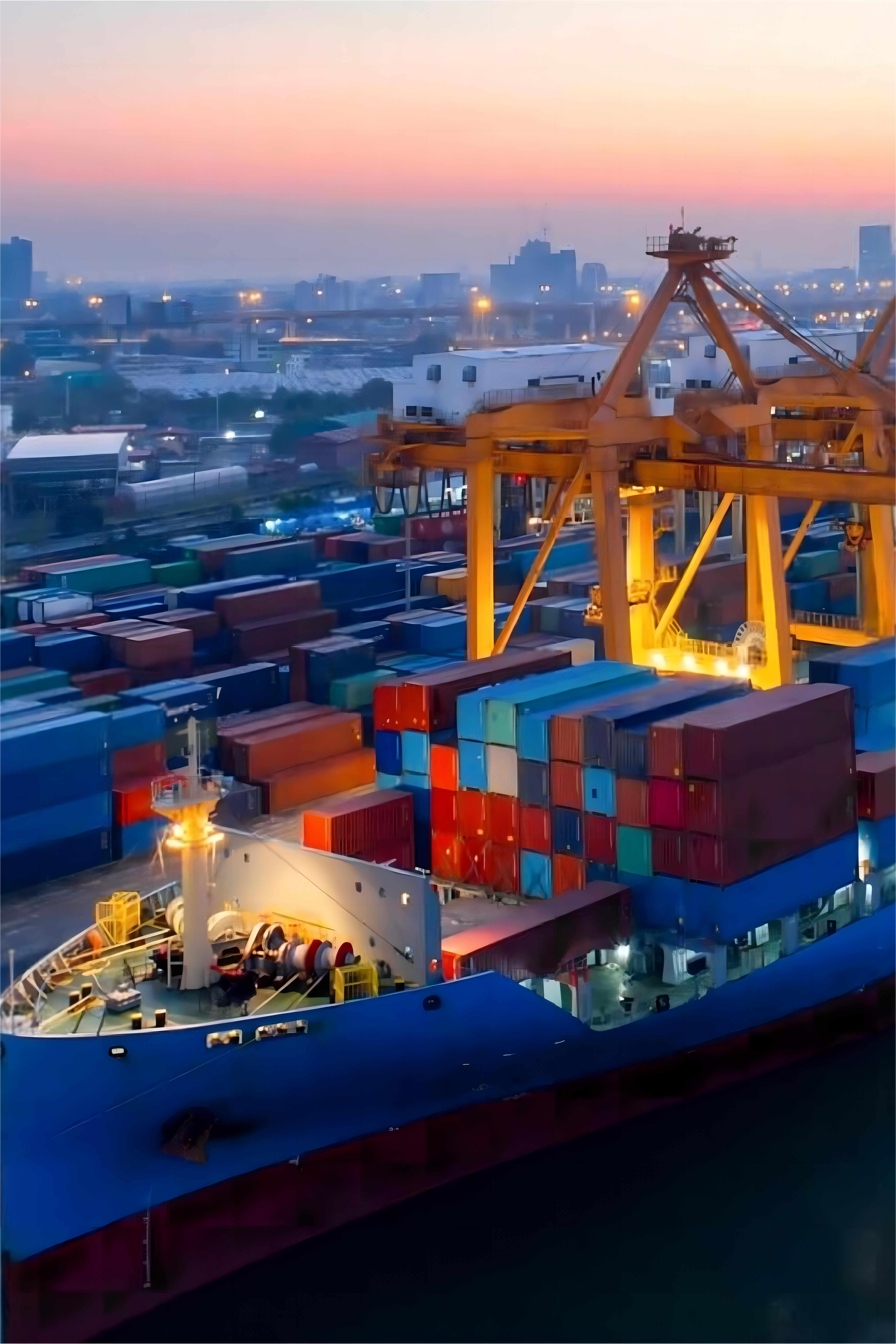
What is China Freight Service Tracking and Why is it Essential?
Reliability in international trade depends heavily on the ability to monitor goods from the factory floor to the final destination. Consequently, china freight service tracking has become a cornerstone of modern supply chain management for importers worldwide. Furthermore, having real-time data allows companies to respond quickly to potential delays or disruptions in the shipping network.
Visibility into your cargo status reduces uncertainty and helps in planning inventory levels more accurately across your warehouse locations. In addition, providing customers with accurate delivery windows enhances trust and improves the overall service experience for your brand. Therefore, implementing a professional tracking strategy is no longer optional but a vital necessity for competitive businesses in 2026.
How Does Sea Freight Compare to Other Shipping Options?
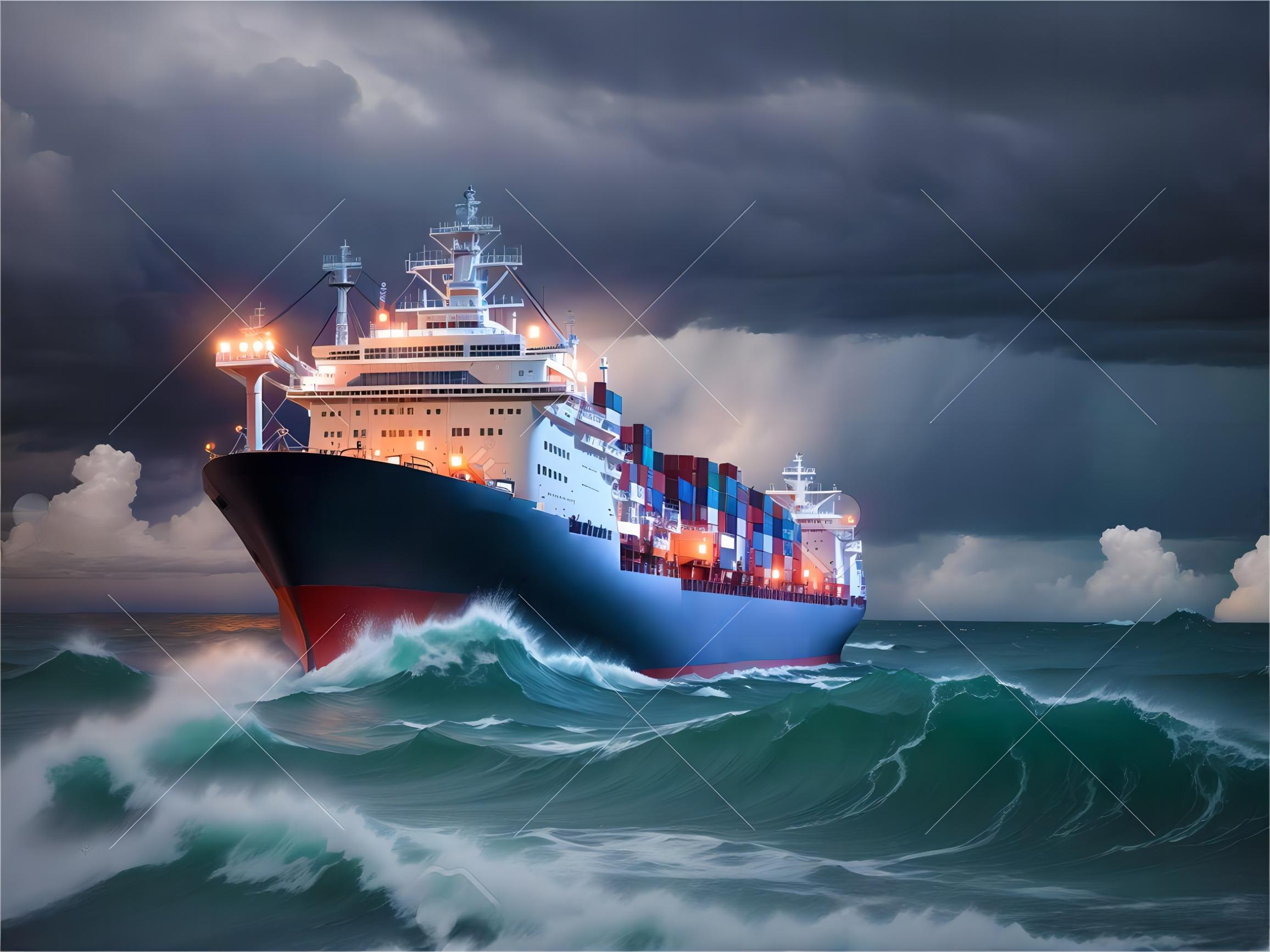
Choosing the right transportation mode involves balancing cost, speed, and the level of visibility required for your specific goods. While sea freight remains the most economical choice for bulk cargo, it often requires more diligent tracking due to longer transit times. However, air freight offers unmatched speed for urgent shipments despite the significantly higher financial investment required.
Moreover, rail freight has emerged as a middle-ground solution for Eurasian routes, offering faster transit than the ocean at a lower cost than air. Each method utilizes different tracking technologies, ranging from satellite-based GPS for ships to automated scanning at air hubs. Specifically, the choice depends on your budget priorities and the sensitivity of your cargo to time delays.
| Sea Freight | $2,100 – $4,800 | 25 – 45 Days | Bulk Cargo |
| Air Freight | $5,500 – $16,500 | 3 – 8 Days | Urgent Goods |
| Rail Freight | $3,200 – $6,800 | 16 – 24 Days | Mid-range |
Which Option Should You Choose? A Decision Framework
Determining the best shipping strategy requires an objective analysis of your volume, budget, and required delivery schedule. For instance, if your primary goal is cost-saving and you have a flexible timeline, sea freight is the logical recommendation for most shipments. On the other hand, businesses dealing with perishable items or high-value electronics should prioritize the speed and security of air transport.
Additionally, volume thresholds play a significant role in deciding between FCL and LCL shipping models for ocean transport. Typically, shipments exceeding 15 CBM are more cost-effective when booked as a full container load. Meanwhile, smaller consignments benefit from shared space in LCL arrangements, though tracking may involve more complex consolidation steps.
The Role of Air Freight in Rapid Logistics Monitoring
Speed is the defining characteristic of air freight, making it the preferred choice for time-critical supply chains. Consequently, the tracking systems for air cargo are highly sophisticated, providing near-instant updates as goods move through major international airports. Furthermore, the reduced handling time compared to sea freight minimizes the risk of damage or loss during transit.
Modern airlines and freight forwarders utilize advanced data integration to provide end-to-end visibility for every air shipment. As a result, businesses can monitor their cargo handling status in real-time, ensuring that customs clearance processes begin even before the plane lands. Indeed, this level of transparency is essential for maintaining a lean inventory and meeting tight market deadlines.
Rail Freight Solutions for Eurasian Trade Routes
Expanding your logistics options to include rail freight can provide a strategic advantage for shipments between China and Europe. Since 2025, the rail network has seen significant infrastructure improvements, leading to more consistent transit times and better tracking reliability. Moreover, rail transport offers a more sustainable alternative to air freight while remaining significantly faster than traditional ocean routes.
Implementing rail solutions requires careful coordination with inland terminals and border crossing points where cargo handling occurs. Nevertheless, the integration of IoT sensors on rail cars has greatly improved the ability to track location and environmental conditions. Consequently, shippers can now enjoy a level of transparency that was previously only available for air or express services.
Optimizing Amazon FBA Shipments from China
Managing inventory for e-commerce requires precise timing to avoid stockouts or excessive storage fees at fulfillment centers. Utilizing a specialized Amazon FBA shipping service ensures that your goods meet all labeling and packaging requirements before they leave China. Furthermore, specialized tracking for FBA shipments allows sellers to monitor the progress of their goods until they are checked into the Amazon network.
Successful sellers often combine different shipping methods to maintain a balanced flow of inventory throughout the year. For example, using sea freight for bulk replenishment and air freight for quick restocks helps optimize the landed cost per unit. Additionally, having a partner who understands the specific nuances of FBA logistics can prevent costly delays during the peak Q4 shopping season.
Understanding Customs Brokerage and Documentation
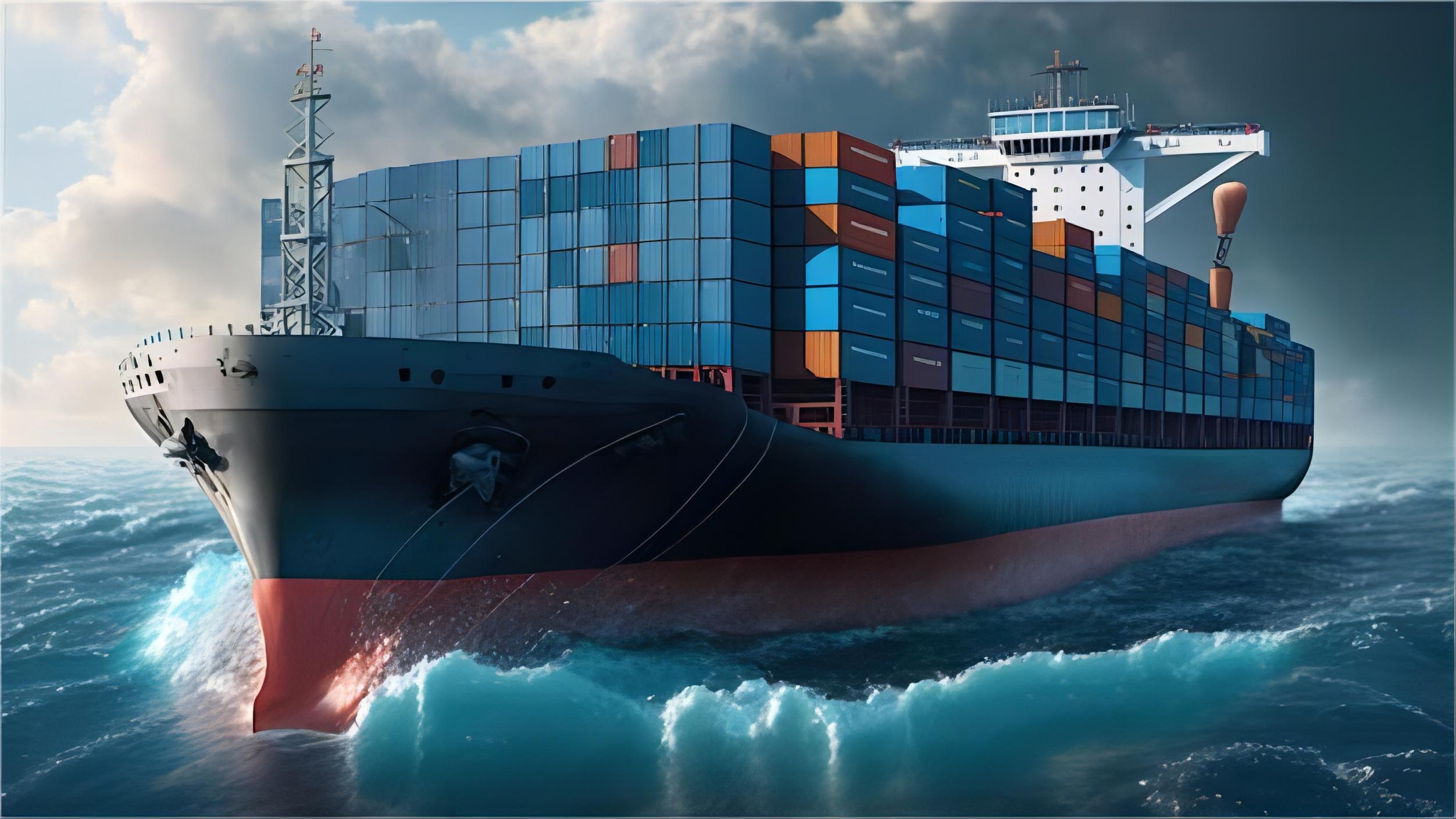
Navigating the regulatory requirements of different countries is often the most challenging aspect of international shipping. Engaging a professional customs brokerage service can streamline the clearance process and ensure compliance with all local laws. Moreover, accurate documentation is critical for avoiding port delays that can disrupt your entire delivery schedule and increase storage costs.
Digital tracking systems now often include document management features that allow for the early submission of manifests to customs authorities. Consequently, many shipments can be cleared while still in transit, significantly reducing the time spent at the port of discharge. Indeed, proactive customs management is a key factor in achieving a fast and reliable door-to-door transit time.
| Commercial Invoice | All Shipments | Value Declaration | Critical |
| Packing List | All Shipments | Content Detail | High |
| Bill of Lading | Sea Freight | Title of Goods | Critical |
| CO/Form E | Specific Routes | Duty Reduction | Medium |
Real-Time Tracking Technologies and Trends in 2026
Technological advancements in 2026 have transformed how we monitor global cargo movement across different transport modes. Specifically, the widespread adoption of blockchain technology has created immutable records of shipment events, increasing trust among all stakeholders. Furthermore, AI-driven predictive analytics can now forecast potential delays based on weather patterns and port congestion data.
IoT devices are now commonly embedded in containers to provide real-time updates on temperature, humidity, and shock during transit. As a result, shippers of sensitive goods can receive immediate alerts if environmental conditions deviate from the required parameters. Consequently, this data-driven approach allows for proactive intervention, potentially saving thousands of dollars in spoiled or damaged cargo.
Realistic Case Studies of China Freight Shipments
Case Study 1: Shenzhen to Hamburg Sea Freight. Route: Shenzhen Port to Hamburg Port. Cargo: Consumer Electronics, 28 CBM. Container: 40GP. Carrier: Major Ocean Carrier. Port of Loading: Shenzhen. Port of Discharge: Hamburg. Route Type: Direct. Ocean Freight: $4,150. Origin Charges: $450. Destination Charges: $600. Customs: $1,200. Total Landed Cost: $6,400. Timeline: Booking to Loading: 4 days. Sea Transit: 33 days. Customs: 3 days. Total Door-to-Door: 40 days. Key Insight: Early booking saved 15% compared to peak season rates.
Case Study 2: Shanghai to Los Angeles Air Freight. Route: PVG Airport to LAX Airport. Cargo: High-End Fashion, 450 kg. Method: Air Freight. Carrier: International Air Cargo. Port of Loading: Shanghai. Port of Discharge: Los Angeles. Route Type: Direct. Air Freight: $3,800. Origin Charges: $200. Destination Charges: $350. Customs: $850. Total Landed Cost: $5,200. Timeline: Booking to Loading: 2 days. Air Transit: 2 days. Customs: 1 day. Total Door-to-Door: 5 days. Key Insight: Rapid transit allowed for immediate stock replenishment during a sales surge.
Case Study 3: Ningbo to London Sea Freight. Route: Ningbo Port to Felixstowe. Cargo: Household Goods, 12 CBM. Container: LCL. Carrier: Global Consolidator. Port of Loading: Ningbo. Port of Discharge: Felixstowe. Route Type: Transshipment via Singapore. Ocean Freight: $1,950. Origin Charges: $300. Destination Charges: $550. Customs: $700. Total Landed Cost: $3,500. Timeline: Booking to Loading: 5 days. Sea Transit: 38 days. Customs: 4 days. Total Door-to-Door: 47 days. Key Insight: Using a transshipment route reduced freight costs by 12% compared to direct service.
Mastering Your Supply Chain with Reliable Tracking
Successfully managing international trade in 2026 requires a combination of strategic planning and advanced china freight service tracking capabilities. Throughout this guide, we have explored how different shipping methods and technologies contribute to a more transparent and efficient logistics network. By understanding the trade-offs between cost and speed, you can make informed decisions that support your business objectives.
Maintaining visibility into your cargo movement allows you to anticipate challenges and maintain a high level of service for your customers. Ultimately, the right logistics partner will provide the tools and expertise needed to navigate the complexities of global shipping with confidence. Focus on building a data-driven supply chain to ensure long-term success in the competitive landscape of international commerce.
Start Your Shipment
Take control of your global logistics today by partnering with an expert who understands the nuances of china freight service tracking. Whether you are shipping by sea, air, or rail, our team is ready to provide you with a customized quote and real-time monitoring solutions. Contact us now to optimize your supply chain and ensure your cargo reaches its destination safely and on schedule. Visit our inquiry page to get started with a professional shipping assessment.
Frequently Asked Questions
How can I track my shipment from China in real-time?
What information is needed to use china freight service tracking?
Why is my tracking status not updating during sea transit?
Can tracking help prevent customs delays for my cargo?
Does air freight tracking offer more detail than sea freight?
What should I do if my china freight service tracking shows a delay?
Are there automated alerts for shipment status changes?