

China Warehouse Service Shipping Rates 2026 Guide
Navigating the complexities of international trade requires a deep understanding of china warehouse service shipping rates to maintain a healthy profit margin. As we move through 2026, businesses must partner with reliable logistics providers like China Freight World to streamline their operations and reduce overhead. This comprehensive guide breaks down the essential costs, storage solutions, and freight strategies for modern importers and exporters.
What Determines China Warehouse Service Shipping Rates in 2026?
Several factors influence the current pricing landscape for warehousing and logistics services in China. For instance, the geographic location of the facility significantly impacts labor costs and local transportation fees. Warehouses in major hubs like Shenzhen or Shanghai typically command higher rates than those in emerging inland logistics zones.
Moreover, the specific nature of your cargo dictates the handling requirements and associated costs. Fragile items, hazardous materials, or goods requiring temperature-controlled environments will naturally incur higher storage fees. Consequently, businesses must evaluate their inventory needs against the specialized services offered by various providers.
Additionally, market demand and seasonal fluctuations play a critical role in determining china warehouse service shipping rates throughout the year. During peak seasons, such as the lead-up to the Lunar New Year or the Q4 holiday rush, space becomes limited and prices often surge. Therefore, securing long-term contracts can provide price stability amidst these predictable market shifts.
Understanding these variables allows importers to better forecast their logistics expenses and identify areas for cost optimization. By analyzing the breakdown of storage, handling, and outbound shipping, companies can make informed decisions about their supply chain structure.
Comprehensive Breakdown of Warehouse Storage and Handling Fees
Storage fees are typically the foundation of any warehousing quote and are calculated based on volume or pallet count. Most providers offer tiered pricing where the cost per cubic meter decreases as the total volume increases. Furthermore, the duration of storage affects the total bill, with many warehouses offering the first 14 to 30 days of storage for free to attract high-turnover clients.
Inbound handling fees cover the labor and equipment required to unload and inspect incoming shipments. These charges ensure that your inventory is accurately recorded and placed in the correct storage zone. Meanwhile, picking and packing fees apply to individual orders as they are prepared for final delivery or international transport.
Value-added services such as labeling, kitting, and quality control inspections are also common components of china warehouse service shipping rates. While these services add to the initial cost, they often save money in the long run by reducing return rates and ensuring compliance with destination market regulations. Indeed, investing in thorough quality checks at the source is a hallmark of successful global brands.
Comparing Shipping Methods: Ocean, Air, and Rail Freight
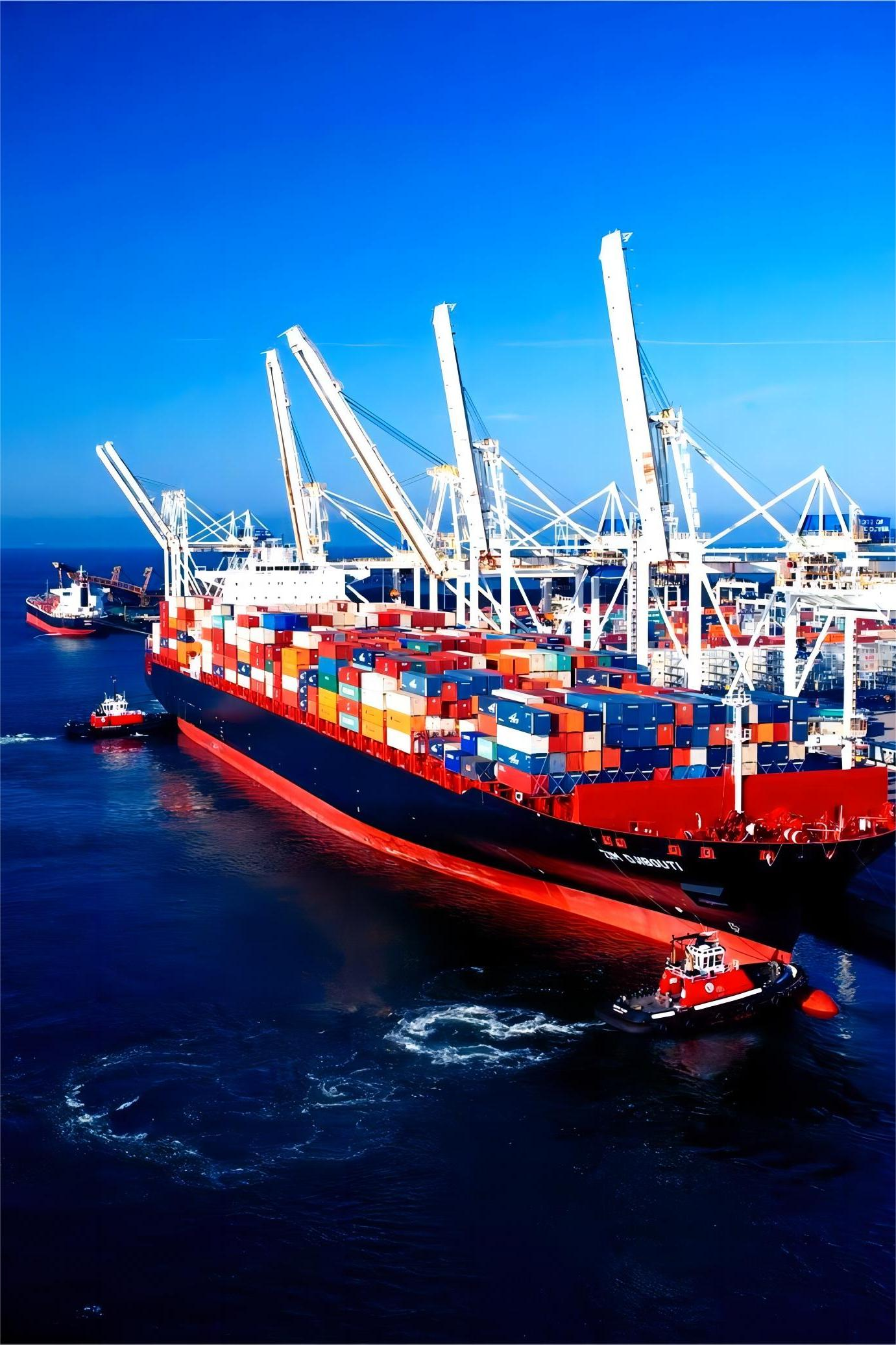
Selecting the right transport mode is essential for balancing speed and cost in your logistics strategy. For large, non-urgent shipments, sea freight remains the most economical choice for most businesses. It offers massive capacity and the lowest cost per unit, although it requires longer lead times and careful planning.
On the other hand, air freight provides the fastest transit times, making it ideal for high-value or time-sensitive goods. While the rates are significantly higher than ocean transport, the reduced inventory carrying costs and faster market entry can justify the expense. Nevertheless, businesses should use air transport strategically to avoid eroding their margins on low-margin products.
Rail freight has emerged as an excellent middle-ground solution for shipments moving between China and Central Asia or Europe. It offers faster transit than the sea and lower costs than air, providing a reliable alternative for mid-range cargo. Accordingly, many companies are integrating rail into their multimodal strategies to optimize their delivery schedules.
| Method | Average Cost (2026) | Transit Time | Best For |
|---|---|---|---|
| Sea Freight (FCL) | $3,000 – $5,500 per 40HQ | 25 – 45 Days | Bulk goods and large volumes |
| Air Freight | $4.50 – $9.00 per kg | 3 – 7 Days | Urgent or high-value items |
| Rail Freight | $120 – $200 per CBM | 15 – 22 Days | Mid-value goods to Europe |
| Express Service | $8.00 – $15.00 per kg | 2 – 4 Days | Small parcels and samples |

How Does Sea Freight Compare to Other Shipping Options?
While sea freight is often the default choice for global trade, comparing it against alternatives reveals when it is truly the best fit. For shipments under 15 CBM, Less than Container Load (LCL) options might seem cheaper, but Full Container Load (FCL) provides better security and faster handling. However, if your cargo is extremely time-sensitive, even the most efficient ocean route cannot compete with air transport.
Hybrid solutions like sea-air combinations are gaining popularity in 2026 as a way to mitigate high costs while maintaining reasonable speeds. This strategy involves shipping goods by sea to a hub like Dubai or Singapore and then flying them to the final destination. Consequently, importers can save up to 40% compared to pure air freight while cutting transit time by half compared to pure sea freight.
Direct shipping routes are another consideration when evaluating china warehouse service shipping rates. While direct vessels cost 10-15% more, they eliminate the risks associated with transshipment and reduce the total door-to-door timeline. For businesses with tight delivery windows, the extra cost of a direct route is often a worthwhile investment in supply chain reliability.
| Shipping Method | Cost Range | Transit Time | Limitations |
|---|---|---|---|
| Direct Sea | Premium Rates | 14 – 28 Days | Limited port availability |
| Transshipment Sea | Economy Rates | 30 – 50 Days | Higher risk of delays |
| Sea-Air Hybrid | Moderate | 12 – 18 Days | Complex documentation |
| Rail-Sea Hybrid | Moderate | 20 – 30 Days | Geographic constraints |
Which Option Should You Choose? A Decision Framework
Choosing the right logistics path depends on your specific business priorities and cargo characteristics. If your primary goal is budget optimization and you have high-volume shipments, sea freight is the clear winner. Furthermore, utilizing door to door services can simplify the process by consolidating all costs into a single quote.
Speed priority dictates a move toward air or express services, especially for product launches or inventory stock-outs. Additionally, consider the nature of your cargo; perishable items or electronics with short life cycles require the fastest possible routes. In contrast, durable goods like furniture or textiles are better suited for slower, more cost-effective methods.
Volume thresholds also play a vital role in this decision. For example, once a shipment exceeds 15-20 CBM, it is almost always more economical to book a full 20GP container rather than paying LCL rates. Without a doubt, analyzing your typical shipment size will help you negotiate better china warehouse service shipping rates with your freight forwarder.
Real-World Case Studies for 2026 Logistics
Examining actual shipping scenarios provides valuable insight into how rates and timelines function in the current market. These examples reflect typical costs and challenges faced by importers in 2026. Note that all freight rates are subject to change based on fuel costs, carrier capacity, and seasonal demand. Contact us for a current quote tailored to your specific shipment.
Case Study 1: Electronics from Shenzhen to North America. This shipment involved high-value consumer electronics destined for a distribution center in Los Angeles. By utilizing a bonded warehouse in Shenzhen, the client was able to defer duties until the goods were ready for export, optimizing their cash flow.
Case Study 2: Industrial Machinery from Ningbo to Europe. A manufacturer required the transport of heavy machinery to a facility in Germany. Due to the weight and size, sea freight was the only viable option, and careful coordination with customs was required to ensure a smooth arrival at the Port of Hamburg.
Case Study 3: Fashion Apparel from Guangzhou to Australia. This retail client used a consolidated LCL service to ship seasonal clothing to Melbourne. By leveraging a local warehouse for picking and packing, they were able to respond quickly to changing market trends without maintaining a large local inventory.
Case Study 1: Shenzhen to Los Angeles
Route: Shenzhen, China to Los Angeles, USA
Cargo: Consumer Electronics, 65 CBM, 12,000 kg
Container: 40HQ
Carrier: Major Trans-Pacific Carrier
Ocean Freight: $3,850
Origin Charges: $450
Destination Charges: $800
Customs and Duties: $2,200
Total Landed Cost: $7,300
Sea Transit: 16 Days
Total Door-to-Door: 24 Days
Key Insight: Using a direct route to the West Coast saved 10 days compared to East Coast discharge.
Case Study 2: Ningbo to Rotterdam
Route: Ningbo, China to Rotterdam, Netherlands
Cargo: Industrial Parts, 28 CBM, 18,000 kg
Container: 20GP
Carrier: COSCO
Ocean Freight: $2,200
Origin Charges: $380
Destination Charges: $650
Customs and Duties: $1,100
Total Landed Cost: $4,330
Sea Transit: 32 Days
Total Door-to-Door: 42 Days
Key Insight: Booking 4 weeks in advance secured a rate 15% below the spot market average.
Case Study 3: Guangzhou to Sydney
Route: Guangzhou, China to Sydney, Australia
Cargo: Apparel, 8 CBM, 1,500 kg
Container: LCL
Carrier: Regional Carrier
Ocean Freight: $720
Origin Charges: $250
Destination Charges: $400
Customs and Duties: $600
Total Landed Cost: $1,970
Sea Transit: 14 Days
Total Door-to-Door: 22 Days
Key Insight: Local warehousing for kitting reduced destination labor costs by 25%.

Navigating Customs and Documentation for Smooth Shipping
Proper documentation is the backbone of efficient international logistics and can prevent costly delays at the border. Working with an experienced customs brokerage ensures that all paperwork is filed accurately and in compliance with local laws. Furthermore, understanding the specific requirements for your product category can help you avoid unexpected inspections.
In addition to the standard commercial invoice and packing list, certain goods may require specialized certificates. For instance, electronics often need CE or FCC documentation, while food products require health certificates. Consequently, maintaining a digital repository of these documents can significantly speed up the clearance process.
Indeed, the 2026 regulatory environment has become more stringent regarding environmental standards and labor practices. Importers must now provide detailed information about their supply chain to satisfy new transparency requirements. Therefore, staying informed about these changes is essential for maintaining a seamless flow of goods.
| Document Name | Purpose | Required By | Criticality |
|---|---|---|---|
| Commercial Invoice | Valuation of goods | Customs | High |
| Packing List | Detailed contents | Warehouse/Customs | High |
| Bill of Lading | Title to goods | Carrier/Bank | High |
| Certificate of Origin | Duty determination | Customs | Medium |
Strategies to Minimize Your Logistics Overhead
Reducing your china warehouse service shipping rates requires a proactive approach to supply chain management. One effective strategy is cargo consolidation, where multiple small shipments are combined into a single larger one to take advantage of bulk rates. Additionally, optimizing your packaging can reduce the volumetric weight of your shipments, leading to significant savings in air and express costs.
Moreover, choosing a warehouse located near major manufacturing zones can minimize domestic transportation expenses. For businesses selling on global platforms, utilizing Amazon FBA prep services in China can streamline the transition to international fulfillment centers. As a result, you can ensure your products meet all platform requirements before they even leave the country.
Negotiating long-term contracts with freight forwarders can also provide protection against market volatility. While spot rates might occasionally be lower, the stability of a fixed contract allows for more accurate financial planning. Furthermore, leveraging technology for real-time inventory tracking can reduce the need for safety stock, lowering your overall storage costs.
Final Thoughts on China Logistics in 2026
Mastering the nuances of china warehouse service shipping rates is a continuous process that requires staying informed about market trends and regulatory changes. By understanding the factors that drive costs and implementing strategic logistics solutions, businesses can significantly enhance their global competitiveness.
Whether you are shipping bulk industrial goods or high-frequency e-commerce orders, the right warehousing and freight strategy will provide the foundation for sustainable growth. Focus on building strong partnerships with reliable providers and remain flexible in your approach to meet the challenges of the 2026 trade landscape.
Need a tailored shipping solution?
Ready to optimize your supply chain and secure the most competitive china warehouse service shipping rates for your business? Contact our team of logistics experts today to receive a personalized quote and discover how we can streamline your international shipping operations. Visit China Freight World now to start your inquiry.