
Ecommerce Shipping China USA: The Complete 2026 Logistics Guide
Developing a reliable strategy for ecommerce shipping China USA is essential for any digital brand looking to scale in the competitive American market. By collaborating with China Freight World, businesses can navigate the complexities of international logistics while maintaining healthy profit margins. This guide explores the latest 2026 trends and provides actionable insights to streamline your cross-border operations effectively.

What are the key trends for ecommerce shipping China USA in 2026?
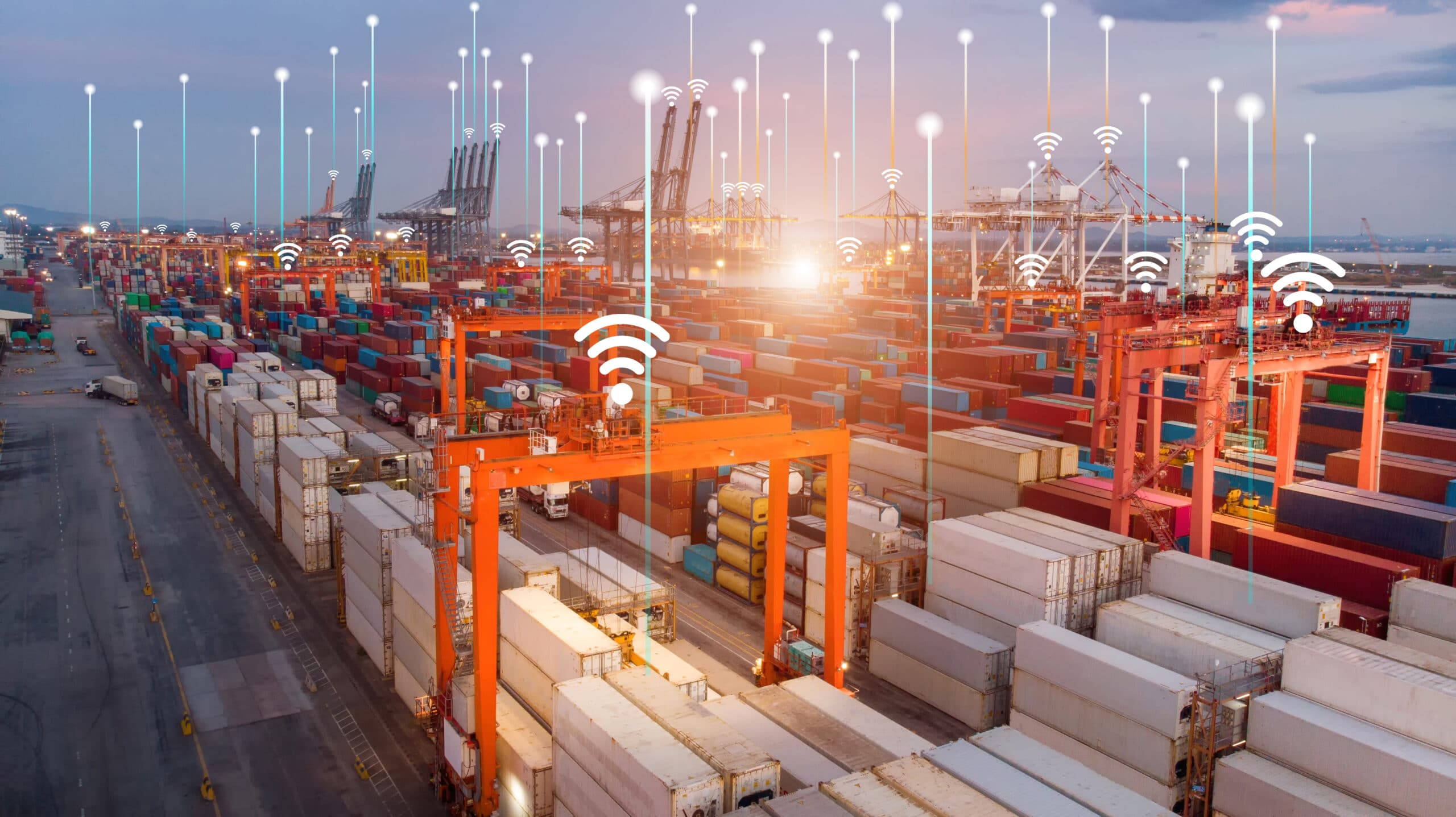
Digital commerce continues to evolve rapidly as we move through 2026, forcing shippers to adapt to new technological integrations and consumer expectations. Consequently, the reliance on real-time tracking and sustainable logistics has become a standard requirement rather than a luxury for most US-based importers.
Market data suggests that freight rates have stabilized significantly following the disruptions of previous years, allowing for more predictable budgeting. Furthermore, the integration of AI-driven demand forecasting helps ecommerce brands optimize their inventory levels before peak seasons begin.
Automation in major Chinese ports like Shanghai and Ningbo has reduced loading times by approximately 15 percent compared to early 2025. Meanwhile, US ports are implementing similar upgrades to handle the increasing volume of small-parcel shipments generated by direct-to-consumer platforms.
Sustainability is now a primary focus for the modern supply chain, with many carriers introducing carbon-neutral shipping options. Therefore, businesses that prioritize green logistics often see higher customer loyalty scores among environmentally conscious American shoppers.
How do shipping costs impact your ecommerce margins?
Calculating the total landed cost is vital for maintaining profitability when managing ecommerce shipping China USA. Indeed, many new entrepreneurs overlook hidden fees such as terminal handling charges and domestic trucking costs at the destination.
Freight rates typically fluctuate based on fuel surcharges and seasonal demand, with the highest prices usually appearing between August and October. In contrast, the first quarter of the year often presents opportunities for cost-saving as demand dips following the holiday rush.
Effective cargo handling and packaging can also reduce dimensional weight charges, which are common in air freight shipments. As a result, optimizing your box sizes can lead to substantial savings over thousands of individual orders.
The following table provides a high-level comparison of the primary shipping methods available for the China to USA route in early 2026.
| Shipping Method | Avg. Cost Range | Transit Time | Best For |
|---|---|---|---|
| Express Service | $6 – $12 per kg | 3 – 5 Days | High-value / Urgent |
| Air Freight | $4 – $8 per kg | 7 – 12 Days | Mid-size inventory |
| Sea Freight LCL | $150 – $300 per CBM | 25 – 40 Days | Bulk ecommerce stock |
| Sea Freight FCL | $3,000 – $5,500 | 18 – 35 Days | Full container loads |
Why is air freight often the best choice for high-value ecommerce?
Speed is a critical factor for brands that need to restock popular items quickly to avoid lost sales. Choosing air freight allows businesses to respond to market trends in real-time without waiting weeks for ocean transit.
Moreover, air cargo offers superior security for delicate or high-value electronics compared to other modes of transport. Because the transit time is shorter, the risk of damage or theft during handling is significantly minimized.
Inventory turnover rates improve when you use faster delivery schedules, which can free up capital for other areas of your business. Additionally, smaller, frequent air shipments can help you test new products in the US market without committing to large ocean-bound volumes.
According to industry benchmarks, air freight remains the preferred method for products with a high value-to-weight ratio. Nevertheless, it is important to balance the speed of air delivery against the higher costs to ensure your retail price remains competitive.
Can sea freight handle your bulk inventory needs?
Large-scale importers often rely on sea freight to transport massive quantities of goods at the lowest possible price point. Without a doubt, ocean transport is the backbone of global trade for heavy or bulky items like furniture and home appliances.
Full Container Load (FCL) shipping provides a dedicated space for your goods, which reduces the handling involved and speeds up the unloading process. On the other hand, Less than Container Load (LCL) is perfect for smaller businesses that do not have enough volume to fill a 20-foot container.
Shipping from China to the US West Coast is typically faster and cheaper than shipping to the East Coast due to the shorter distance. For instance, a shipment to Los Angeles might take 16 days, while a route to Savannah or New York could take over 30 days via the Panama Canal.
Current market rates as of early 2026 suggest that sea freight remains the most economical choice for long-term inventory planning. Note: Freight rates are subject to change based on fuel costs, carrier capacity, and seasonal demand. Contact us for a current quote tailored to your specific shipment.
How does Amazon FBA shipping differ from direct-to-consumer?
Managing Amazon FBA logistics requires strict adherence to specific labeling and packaging requirements. Failure to comply with these rules can result in rejected shipments at the fulfillment center and additional storage fees.
Furthermore, Amazon sellers must decide between shipping directly from China to an FBA warehouse or using a third-party logistics provider (3PL) in the US. Many experienced sellers prefer using a 3PL to inspect goods before they enter the Amazon ecosystem, ensuring quality control.
Transit times to FBA centers can be impacted by regional congestion, particularly during the Q4 peak season. Consequently, planning your shipments at least 45 to 60 days in advance is highly recommended to ensure your products are live for major sales events like Black Friday.
Using a freight forwarder that specializes in Amazon deliveries can simplify the process of scheduling delivery appointments. Indeed, professional logistics partners understand the nuances of the Carrier Central system, which helps avoid costly delays at the warehouse gate.
What documentation is required for US customs clearance?
Navigating the legal requirements for import is much easier when you hire a professional customs brokerage service. They ensure that all paperwork is filed accurately to prevent your cargo from being held by US Customs and Border Protection.
Essential documents include the commercial invoice, packing list, and the bill of lading or airway bill. In addition, certain products may require specific certificates, such as FDA approval for medical devices or FCC certification for electronic equipment.
Incorrectly classifying your goods under the Harmonized Tariff Schedule (HTS) can lead to significant fines or overpayment of duties. Therefore, verifying your HTS codes before the shipment leaves China is a vital step in your supply chain management.
Most ecommerce shipments valued under 800 USD may qualify for Section 321 de minimis entry, which allows for duty-free import. However, this rule is subject to specific limitations and should be discussed with your logistics provider to ensure compliance.

How Does Ecommerce Shipping Compare to Other Shipping Options?
Selecting the right method involves analyzing the trade-offs between cost, speed, and reliability across various logistics models. While express service is the fastest, it is rarely sustainable for large-scale inventory replenishment due to high costs.
Hybrid solutions, such as sea-air combinations, offer a middle ground for businesses that need faster transit than traditional ocean freight but cannot afford the full price of air transport. For example, cargo might be shipped by sea to a hub like Dubai or Singapore and then flown to the USA.
Direct shipping from a Chinese warehouse to a US customer is popular for dropshipping models but offers less control over the delivery experience. In contrast, domestic fulfillment from a US-based warehouse provides faster last-mile delivery and easier returns management.
The table below outlines how different shipping strategies compare based on current 2026 market intelligence.
| Method | Cost Range | Transit Time | Limitations |
|---|---|---|---|
| Direct Express | High | 3-6 Days | Weight limits apply |
| Standard Air | Medium-High | 8-12 Days | Strict cargo rules |
| Fast Sea (Matson) | Medium | 12-18 Days | West Coast only |
| Traditional Sea | Low | 30-45 Days | Long lead times |
Which Option Should You Choose?
Budget priority dictates that sea freight is the logical choice for non-urgent, high-volume goods. If your primary goal is cost reduction, planning 3-4 months in advance allows you to utilize the most economical ocean routes.
Speed priority necessitates the use of express or air freight services. When launching a new product or handling a sudden stockout, the higher cost of air transport is often justified by the revenue saved from staying in stock.
Cargo type considerations also play a role; hazardous materials or oversized items may be restricted from air travel. In such cases, specialized sea freight handling is the only viable path to ensure safe and legal delivery to the United States.
Volume thresholds often determine when it is time to switch from LCL to FCL shipping. Generally, once your shipment exceeds 15 cubic meters (CBM), booking a full 20-foot container becomes more cost-effective than paying for individual CBM space.
Real Case Studies from 2026
Reviewing actual shipping scenarios helps illustrate the practical application of these logistics strategies. These examples reflect typical market conditions and pricing found in the first half of 2026.
Case Study 1: Smart Home Electronics LCL Shipment. Route: Shenzhen to Los Angeles. Cargo: 5 CBM of smart sensors. Method: Fast Sea Freight (LCL). Total Landed Cost: $1,450. Transit Time: 18 days door-to-door. Key Insight: Utilizing a fast-boat service saved the client 50 percent compared to air freight while only adding 10 days to the timeline.
Case Study 2: Apparel Brand FCL Expansion. Route: Ningbo to Savannah. Cargo: 40HQ container of summer clothing. Method: Sea Freight (FCL). Total Landed Cost: $6,200. Transit Time: 34 days. Key Insight: Early booking in Q1 avoided the Q2 rate hikes, ensuring the brand maintained its 60 percent profit margin.
Case Study 3: Urgent Product Launch. Route: Shanghai to Chicago. Cargo: 200kg of promotional tablets. Method: Express Service. Total Landed Cost: $1,850. Transit Time: 4 days. Key Insight: Direct express was used to bypass port congestion, allowing the client to meet a strict retail launch deadline.
Final Thoughts on US Ecommerce Logistics
Mastering ecommerce shipping China USA requires a balance of strategic planning, cost management, and choosing the right partners. Whether you utilize the speed of air freight or the volume capacity of sea freight, staying informed about market trends is key to success.
As we move further into 2026, the focus on digital integration and green logistics will only continue to grow. By implementing the strategies discussed in this guide, you can build a resilient supply chain that supports long-term growth and customer satisfaction.
Ready to streamline your logistics?
Streamline your ecommerce shipping China USA today with a customized logistics plan. Our team provides transparent pricing and reliable delivery schedules to help your business thrive in the American market. Visit our website to request a personalized quote and optimize your supply chain for 2026.
Request Quote