
China Freight Rates Factory Pickup Guide 2026: Cost Optimization
Navigating the complexities of international logistics requires a deep understanding of how china freight rates factory pickup services impact your bottom line. By partnering with China Freight World, businesses can effectively streamline their entire supply chain from the manufacturer directly to the final destination. This comprehensive guide explores the current pricing trends, transit times, and strategic advantages of origin-based logistics in the modern market. We will provide you with the necessary tools to evaluate different shipping methods and secure the most competitive rates available today.

What Influences China Freight Rates Factory Pickup in 2026?
Several dynamic factors determine the final cost of picking up goods directly from a Chinese manufacturer. Consequently, inland transportation costs within China have seen moderate fluctuations due to varying fuel prices and labor availability in major industrial hubs. Furthermore, the distance between the factory location and the nearest departure port plays a critical role in the initial haulage fee calculation.
Moreover, seasonal demand significantly impacts the availability of trucking services, especially during the lead-up to the Lunar New Year. Therefore, shippers must account for peak season surcharges that often apply during high-volume periods throughout the year. Additionally, the type of cargo and the required equipment, such as refrigerated trucks or flatbeds, will influence the overall china freight rates factory pickup structure.
Indeed, choosing a comprehensive logistics provider helps mitigate these costs by leveraging volume discounts and established local networks. Meanwhile, businesses should monitor the fluctuating exchange rates between the CNY and USD, as this affects local handling charges. As a result, maintaining a flexible shipping schedule can lead to substantial savings on origin-based logistics fees.
How Does Factory Pickup Compare to Other Shipping Options?
Understanding the distinction between Ex Works (EXW) and Free on Board (FOB) is essential for any importer. Specifically, when you opt for factory pickup, you are typically operating under EXW terms, meaning you take full responsibility from the supplier door. On the other hand, FOB terms require the supplier to handle costs until the cargo is loaded onto the vessel.
While FOB might seem simpler, factory pickup often provides greater control over the inland logistics process and prevents hidden markups from suppliers. For example, many manufacturers add a profit margin to the local transport costs when quoting FOB prices. Consequently, managing the pickup yourself via a trusted freight forwarder can often result in lower total landed costs.
To provide a clearer picture, we have analyzed the average costs associated with different shipping methods from China to global destinations. In contrast to standard port-to-port shipments, factory pickup services include the ‘first mile’ logistics that are often overlooked in initial budget estimates. Consider the following comparison to determine which strategy aligns with your specific business requirements.
| Shipping Method | Cost Range | Transit Time | Best For | Limitations |
|---|---|---|---|---|
| Sea Freight (FCL) | $1,500 – $4,500 | 18 – 40 Days | Bulk goods and large volumes | Longer transit times |
| Air Freight | $5.00 – $9.00/kg | 3 – 7 Days | High-value or urgent cargo | Very high cost for weight |
| Rail Freight | $1,200 – $2,800 | 15 – 22 Days | Mid-sized shipments to Europe | Limited to land routes |
| Express Service | $8.00 – $15.00/kg | 2 – 5 Days | Small parcels and samples | Strict weight limits |
Choosing the Right Method: Sea, Air, or Rail?
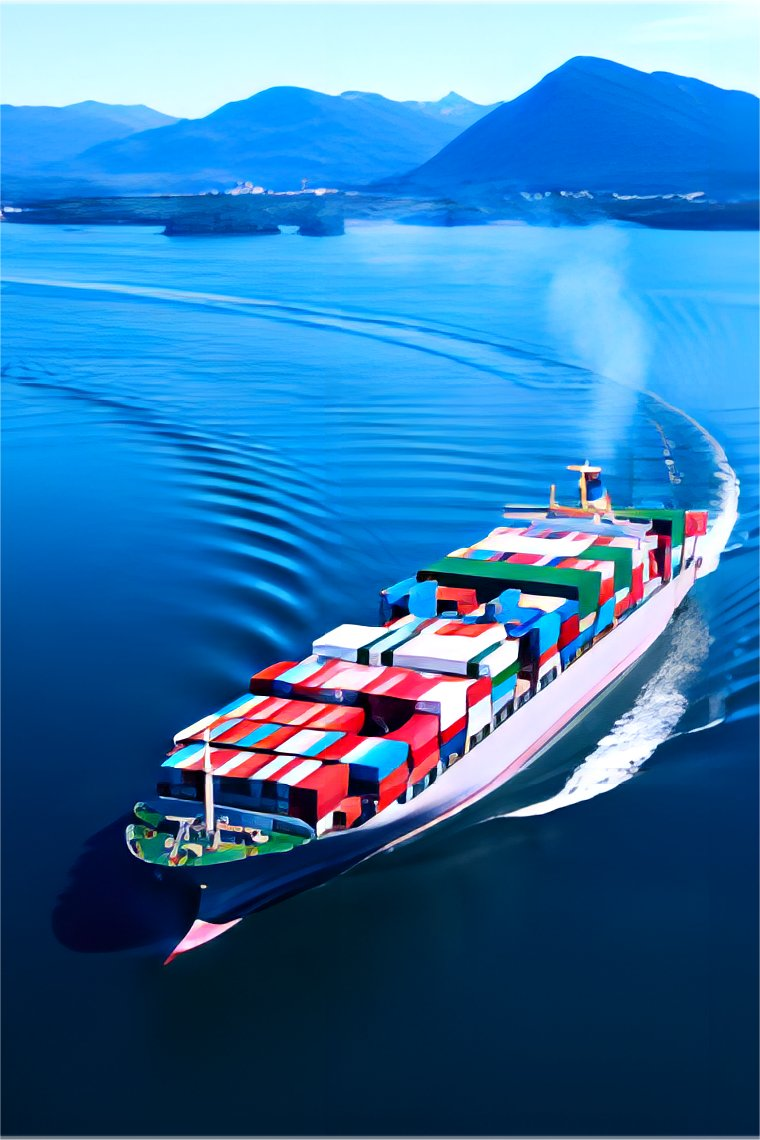
Selecting the optimal transport mode is a balancing act between budget constraints and delivery deadlines. For instance, sea freight remains the most economical choice for large-scale shipments despite the longer transit times involved. Furthermore, recent improvements in port efficiency have stabilized sea freight schedules across major transpacific and Asia-Europe routes.
Alternatively, air freight offers unparalleled speed for businesses that need to restock inventory rapidly or move perishable items. However, the high carbon footprint and significant expense make it less viable for low-margin commodities. Therefore, air transport is usually reserved for electronics, fashion samples, or critical automotive components.
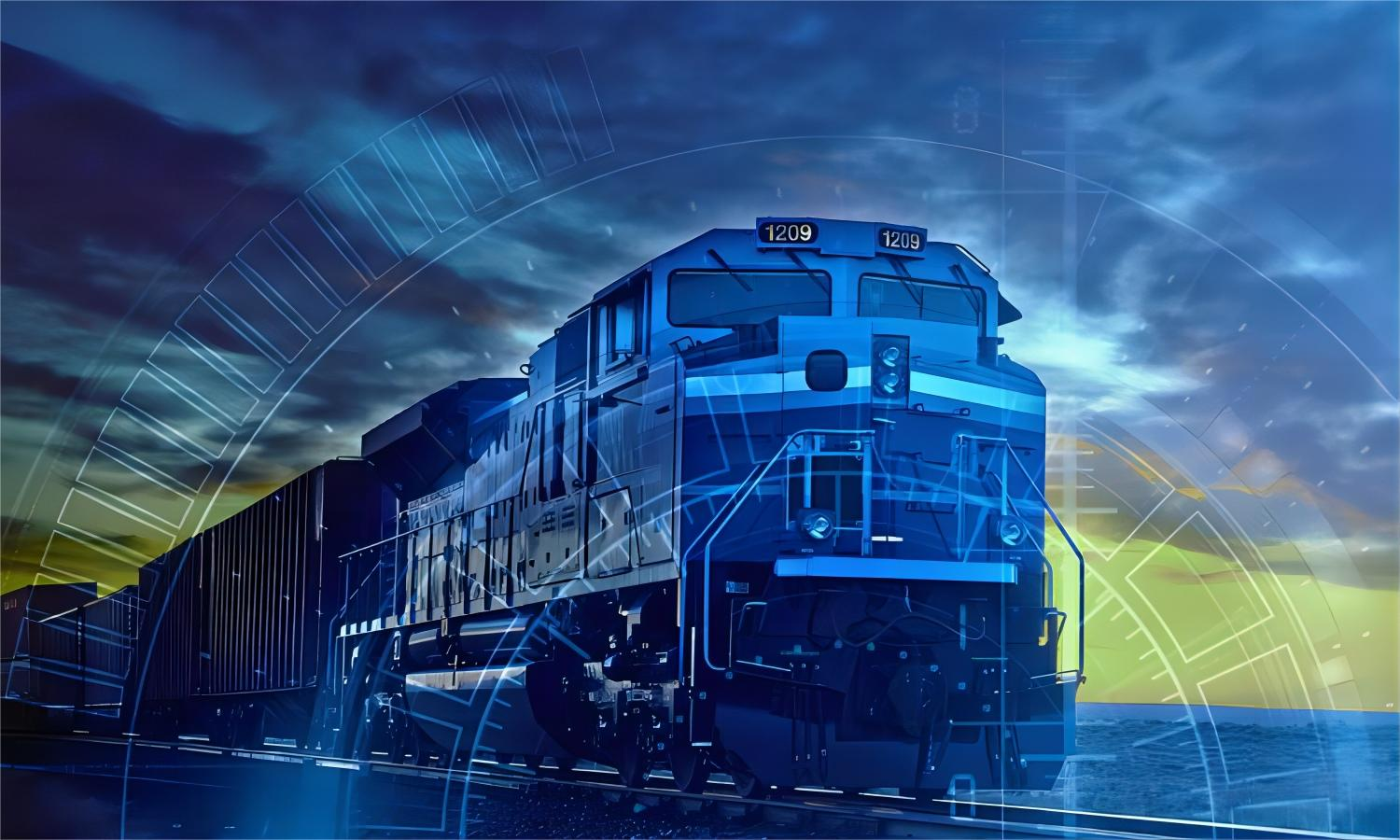
For shipments destined for the Eurasian landmass, rail freight provides a compelling middle ground between sea and air options. It offers faster delivery than ocean transport at a fraction of the cost of air shipping. Consequently, many European importers are increasingly utilizing rail links to optimize their supply chain lead times without breaking the bank.
Which Option Should You Choose? Decision Framework
If your primary priority is budget, you should almost always recommend sea freight for any shipment exceeding 2 CBM. Conversely, if speed is the driving factor for your business, air freight or express services are the only realistic choices. Furthermore, you must consider the nature of your cargo, as hazardous materials or oversized items may face restrictions on certain transport modes.
For volume thresholds, shipments under 100kg are typically most cost-effective via express couriers. Meanwhile, shipments between 100kg and 500kg often benefit from air freight consolidation services. Once a shipment exceeds 15 CBM, booking a full container (FCL) becomes significantly more economical than less-than-container load (LCL) options.
Hybrid solutions are also gaining popularity in 2026 as a way to mitigate risks and costs. For example, a sea-air combination via Dubai or Singapore can save 40 percent in costs compared to pure air freight while arriving much faster than standard sea routes. In addition, using rail-sea combinations for certain inland destinations can further optimize the china freight rates factory pickup experience.
Essential Customs Documentation for Factory Pickup
Managing the documentation for factory pickup requires meticulous attention to detail to avoid costly delays at the border. Specifically, you must ensure that the commercial invoice, packing list, and bill of lading are all perfectly synchronized. Additionally, obtaining a valid customs brokerage service is vital for navigating the complex regulatory environment in both China and the destination country.
Moreover, certain products require specific export licenses or certificates of origin to qualify for preferential tariff rates. For instance, many electronic goods must comply with strict safety standards before they can be cleared for export. Consequently, failing to prepare these documents in advance can lead to significant storage fees at the port or airport.
Indeed, a professional freight forwarder will handle the filing of the Electronic Export Information (EEI) and other mandatory declarations. Furthermore, they can assist in determining the correct HS codes for your products, which directly impacts the amount of duty you will pay. Therefore, investing in expert customs support is a proactive way to safeguard your international trade operations.
Real-World Case Studies: China Freight Rates Factory Pickup Success
Case Study 1: Electronics from Shenzhen to Los Angeles. A consumer electronics brand required the pickup of 25 CBM of goods from a factory in Longhua. By utilizing a 40GP container and sea freight, they achieved a total landed cost of $4,200 with a transit time of 18 days. This included all origin handling and inland haulage fees, providing a seamless door-to-port experience.
Case Study 2: Auto Parts from Ningbo to Hamburg via Rail. A German manufacturer picked up 12 CBM of specialized components directly from a Ningbo facility. They chose rail freight to avoid the 35-day sea voyage, resulting in a 20-day transit time at a cost of $2,400. The key insight was the use of LCL rail consolidation, which proved 50 percent cheaper than air freight.
Case Study 3: Fashion Samples from Shanghai to London. A high-end retailer needed urgent delivery of 150kg of seasonal samples from a Shanghai workshop. Using express air service, the goods were picked up on Monday and delivered by Thursday. While the cost was higher at $1,350, the speed allowed the client to meet a critical marketing deadline during the peak fashion season.
Cost-Saving Strategies for Factory Collections
One of the most effective ways to reduce your china freight rates factory pickup expenses is through cargo consolidation. By grouping multiple smaller orders from different suppliers in the same region, you can fill a full container and avoid the higher pro-rata costs of LCL shipping. Furthermore, scheduling pickups during mid-week can sometimes result in lower trucking rates compared to the busy Monday or Friday slots.
Additionally, businesses should negotiate EXW prices with their suppliers that reflect the true cost of manufacturing without any logistics padding. Meanwhile, choosing a freight forwarder with a strong presence in the specific province of your factory can lead to better local rates. For instance, a forwarder with a large warehouse in Guangdong will likely offer more competitive pickup fees in that area.
In addition, implementing a door to door service model simplifies the entire process and often eliminates redundant administrative fees. Consequently, you receive a single, transparent invoice that covers everything from the factory floor to your warehouse. To summarize, proactive planning and volume leveraging are the cornerstones of successful cost management in 2026.
Understanding Surcharges and Hidden Fees in 2026
Transparency is crucial when evaluating shipping quotes, as hidden surcharges can quickly inflate your budget. Common fees include the Bunker Adjustment Factor (BAF) for fuel fluctuations and the Low Sulphur Surcharge (LSS) for environmental compliance. Moreover, during times of high congestion, carriers may implement Emergency Bunker Surcharges (EBS) or Port Congestion Surcharges.
Therefore, you should always request an all-in quote that specifies whether terminal handling charges (THC) and documentation fees are included. For factory pickups, specifically look for ‘inland haulage’ and ‘origin receiving’ charges on your estimate. If these are missing, you may be hit with unexpected bills later in the shipping process.
As a result, working with a reputable partner like China Freight World ensures that you receive clear, upfront pricing without any unpleasant surprises. Indeed, we believe that an informed shipper is a successful shipper. Note: Freight rates are subject to change based on fuel costs, carrier capacity, and seasonal demand. Contact us for a current quote tailored to your specific shipment.
Mastering Your Logistics Strategy
In conclusion, securing the best china freight rates factory pickup requires a combination of market intelligence, strategic planning, and the right logistics partner. By understanding the nuances of different transport modes and the impact of incoterms, you can significantly reduce your overhead and improve delivery reliability. Whether you are shipping by sea, air, or rail, the focus should always remain on transparency and control.
As we move through 2026, the ability to adapt to changing market conditions will define the success of global importers. We encourage you to utilize the frameworks and data provided in this guide to make informed decisions for your business. Remember that the cheapest rate is not always the most cost-effective if it results in delays or damaged goods. Prioritize quality and expertise to ensure your cargo moves smoothly from the factory to your door.
Start Your Shipment
Ready to optimize your supply chain with competitive china freight rates factory pickup? Contact our expert team today to receive a customized quote that meets your specific transit time and budget requirements. Visit China Freight World now to start your shipment.
Request Quote