
China Freight Solution Shipping Time: 2026 Guide
Navigating the complexities of international logistics requires a precise understanding of the china freight solution shipping time to maintain a competitive edge. At China Freight World, we recognize that every day saved in transit directly impacts your bottom line and customer satisfaction. This comprehensive 2026 guide explores the variables affecting delivery schedules and provides actionable strategies to optimize your supply chain.
✦
What Factors Influence China Freight Solution Shipping Time?
Managing international shipments involves coordinating multiple variables that can significantly alter your delivery schedule. Specifically, the distance between the origin port in China and your final destination serves as the primary baseline for any timeline calculation.
Moreover, the choice of transportation mode dictates the maximum speed at which your goods can travel across borders. Air freight remains the fastest option, while ocean transport requires a much longer commitment due to vessel speeds and port rotations.
Furthermore, seasonal demand fluctuations often create bottlenecks during peak periods like the pre-Lunar New Year rush or the Q4 holiday season. Consequently, booking your space well in advance is essential to avoid being rolled to a later departure date.
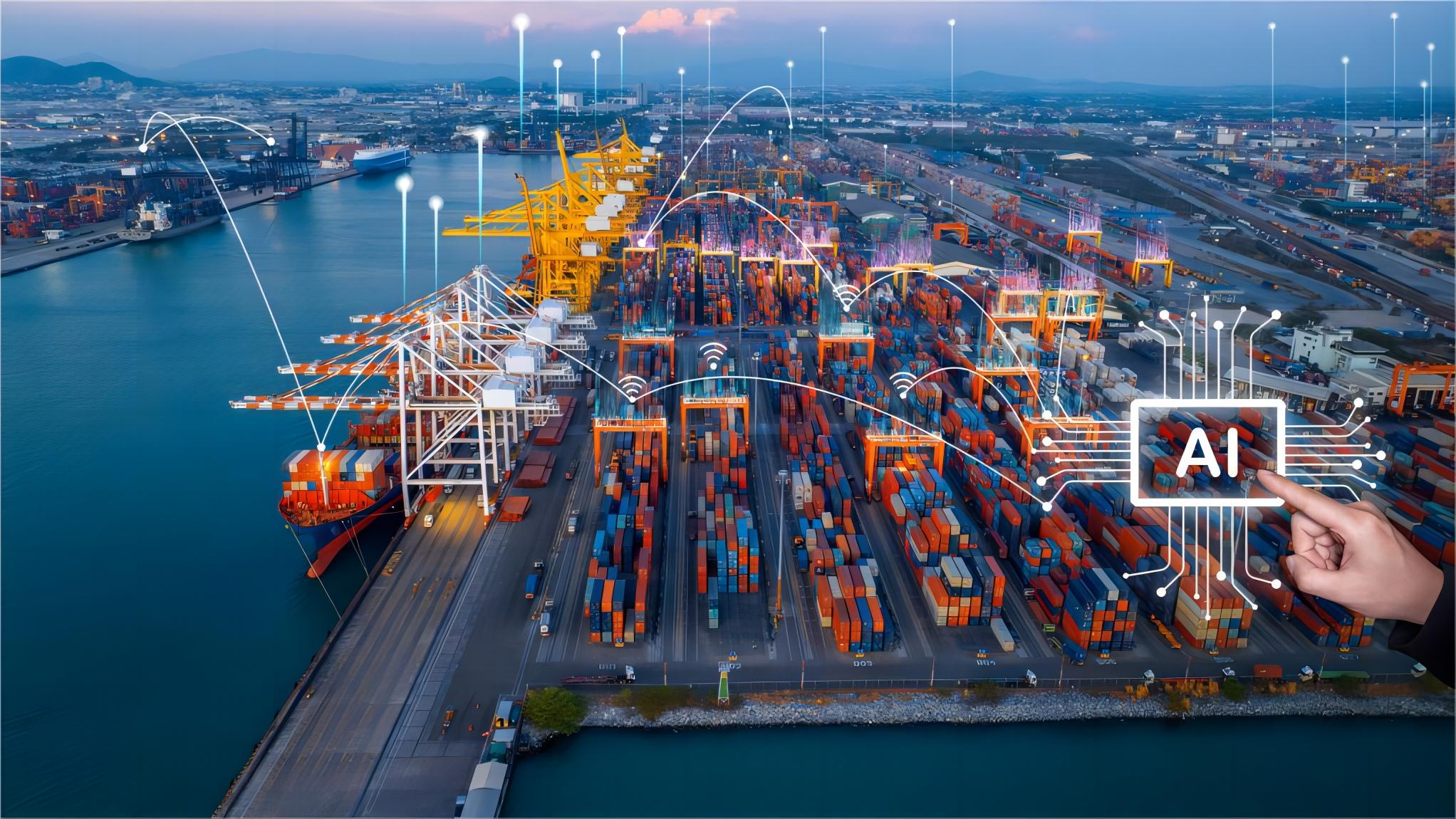
Reliability also depends on the efficiency of the local infrastructure at both the loading and discharge ports. Therefore, choosing less congested gateways can sometimes shave several days off the total transit time for your cargo.
How Does Sea Freight Compare to Other Shipping Options?
Comparing different transport methods is crucial for identifying the most cost-effective china freight solution shipping time for your specific needs. While sea freight offers the lowest cost per unit, it requires the most significant lead time for planning.
Indeed, ocean transport is ideal for bulk commodities and large volumes that do not have immediate expiration or high urgency. However, for high-value electronics or urgent stock replenishments, the long duration of sea transit might prove too slow.
Additionally, rail freight has emerged as a viable middle ground for shipments moving from China to Europe or Central Asia. It provides a faster alternative to the ocean without the high expense associated with air transport.
Selecting the right method involves balancing your budget against the required delivery speed and the nature of the goods being shipped. Below is a detailed comparison of the primary shipping methods available in 2026.
| Shipping Method | Cost Range | Transit Time | Best For |
|---|---|---|---|
| Air Freight | High ($4.50-$8.00/kg) | 3-7 Days | Urgent/High-value |
| Sea Freight | Low ($1,800-$4,200/40HQ) | 25-45 Days | Bulk/Low-cost |
| Rail Freight | Medium ($3,500-$5,500/40HQ) | 15-22 Days | Mid-range/Europe |
| Express Service | Very High ($6.00-$12.00/kg) | 2-5 Days | Samples/Small parcels |
Air Freight: The Fastest China Freight Solution Shipping Time
Rapid delivery is the hallmark of air freight, making it the preferred choice for businesses with tight deadlines. Typically, goods sent via air can reach major international hubs within a few days of departure from China.
Furthermore, the security levels at airports are significantly higher than at seaports, reducing the risk of theft or damage during transit. This makes air transport particularly suitable for sensitive equipment, pharmaceuticals, and luxury items.
Although the costs are higher, the reduction in inventory holding costs can often justify the premium price of air logistics. Modern tracking systems also provide real-time updates, allowing you to monitor your shipment with extreme precision.
Importers should note that air freight capacity can fluctuate based on passenger flight schedules and dedicated cargo carrier availability. As of early 2026, air rates have stabilized, though fuel surcharges remain a variable factor in final pricing.
Rail Freight Timelines for Europe and Central Asia
Connecting China to the heart of Europe, rail freight offers a consistent and environmentally friendly logistics alternative. This method has seen significant investment in 2025 and 2026, leading to improved infrastructure and faster border crossings.
Economic benefits are clear for those shipping to Poland, Germany, or the Netherlands, as rail transit takes roughly half the time of sea freight. Most trains depart from major hubs like Chengdu, Xi’an, or Zhengzhou, heading directly toward European terminals.
Specifically, the ‘Iron Silk Road’ provides a stable schedule that is less affected by the weather conditions that often delay maritime vessels. This predictability allows for better warehouse planning and just-in-time manufacturing processes.
Nevertheless, rail freight is not an option for Australia or North America due to geographical constraints. It remains a specialized solution for the Eurasian landmass, where it fills the gap between the speed of air and the economy of sea.
Express Shipping and Door to Door Services
Small shipments and urgent samples often require an express service to ensure the fastest possible arrival. These services utilize integrated networks to handle everything from pickup in China to final delivery at your doorstep.
Efficiency is maximized because express carriers manage the entire logistics chain, including the often-complex customs clearance process. This streamlined approach minimizes the chance of administrative delays that can plague other shipping methods.
Moreover, choosing a door to door solution simplifies the experience for the importer by providing a single point of contact. You do not need to coordinate with multiple truckers or warehouse operators at the destination.
Tracking for express shipments is generally the most detailed in the industry, offering minute-by-minute updates. For businesses testing new products or fulfilling small e-commerce orders, this speed and visibility are indispensable assets.

Why Customs Clearance Affects Your Delivery Schedule
Clearing customs is a critical phase that can either expedite or severely delay your china freight solution shipping time. Without proper documentation, even the fastest air shipment can sit in a bonded warehouse for weeks.
Therefore, working with an experienced customs broker is essential to ensure that all tariff classifications and duty payments are handled correctly. In 2026, many customs authorities have moved to fully digital systems, which rewards those with accurate electronic data.
Additionally, certain product categories, such as food, chemicals, or electronics, may require additional inspections or certifications. Being prepared with these documents before the cargo arrives at the port of entry is the best way to avoid storage fees.
Typically, standard customs clearance takes 1-3 business days, but random audits or paperwork errors can extend this indefinitely. Proactive compliance is the only way to guarantee that your shipping timeline remains on track.
| Document Name | Purpose | Required For | Source |
|---|---|---|---|
| Commercial Invoice | Valuation and duty | All Shipments | Seller/Supplier |
| Packing List | Cargo identification | All Shipments | Seller/Supplier |
| Bill of Lading | Title and transport | Sea/Rail | Carrier |
| Certificate of Origin | Trade agreements | Specific Goods | Chamber of Commerce |
Realistic Case Studies for 2026 Shipping Routes
Analyzing real-world examples helps importers set realistic expectations for their own logistics planning. These cases reflect the current market conditions and transit times observed in the first half of 2026.
Case Study 1: Electronics from Shenzhen to Los Angeles Route: Shenzhen, China to Los Angeles, USA Cargo: Consumer Electronics, 15 CBM, 4500 kg Container: LCL (Less than Container Load) Carrier: Major Ocean Carrier Port of Loading: Shenzhen (Yantian) Port of Discharge: Los Angeles Route Type: Direct Ocean Freight: $2,100 Origin/Destination Charges: $850 Customs & Duties: $1,200 Total Landed Cost: $4,150 Timeline: 3 days booking, 16 days sea transit, 2 days clearance. Total: 21 days door-to-port. Key Insight: Using a direct route to the West Coast saved 12 days compared to an East Coast discharge.
Case Study 2: Industrial Parts from Ningbo to Hamburg Route: Ningbo, China to Hamburg, Germany Cargo: Machinery Parts, 40HQ Container Container: FCL (Full Container Load) Carrier: Rail Service Provider Port of Loading: Ningbo (via Xi’an terminal) Port of Discharge: Hamburg Terminal Route Type: Rail Transit Rail Freight: $4,800 Origin/Destination Charges: $1,100 Customs & Duties: $2,500 Total Landed Cost: $8,400 Timeline: 5 days consolidation, 18 days rail transit, 3 days clearance. Total: 26 days door-to-door. Key Insight: Rail provided a 15-day advantage over sea freight during a period of high maritime congestion.
Note: Freight rates are subject to change based on fuel costs, carrier capacity, and seasonal demand. Contact us for a current quote tailored to your specific shipment.
Which Shipping Option Should You Choose?
Selecting the optimal china freight solution shipping time requires a clear understanding of your business priorities. If your primary goal is cost reduction and you have a flexible schedule, sea freight is the undisputed winner.
Conversely, if you are facing a stock-out or launching a high-demand product, air freight is the only way to ensure your goods arrive in time. The higher cost is a trade-off for market responsiveness and customer retention.
Volume thresholds also play a role; for shipments under 100kg, express services are often more economical than air freight. For shipments between 15 and 30 CBM, rail freight often provides the best balance of speed and price for European destinations.
Finally, consider a hybrid approach, such as sea-air solutions, which combine the cost savings of ocean transit with the speed of air delivery for the final leg. This strategy can reduce costs by 30% compared to pure air freight while still beating sea freight times.
Mastering Your Logistics Timeline
Successfully managing your china freight solution shipping time involves a combination of strategic planning, mode selection, and reliable partnerships. By understanding the nuances of 2026 transit times and customs requirements, you can minimize delays and maximize efficiency.
Logistics is not just about moving goods; it is about creating a predictable flow that supports your business growth. As market conditions evolve, staying informed about current freight trends will ensure your supply chain remains robust and competitive.