
China Fulfillment Center Door Delivery: 2026 Logistics Guide
Managing international logistics requires a strategic approach to ensure products reach customers efficiently and affordably. Many e-commerce brands now rely on a china fulfillment center door delivery model to simplify their operations from the factory floor to the final destination. This comprehensive guide explores how you can optimize your supply chain using integrated services in 2026.
What Is China Fulfillment Center Door Delivery?
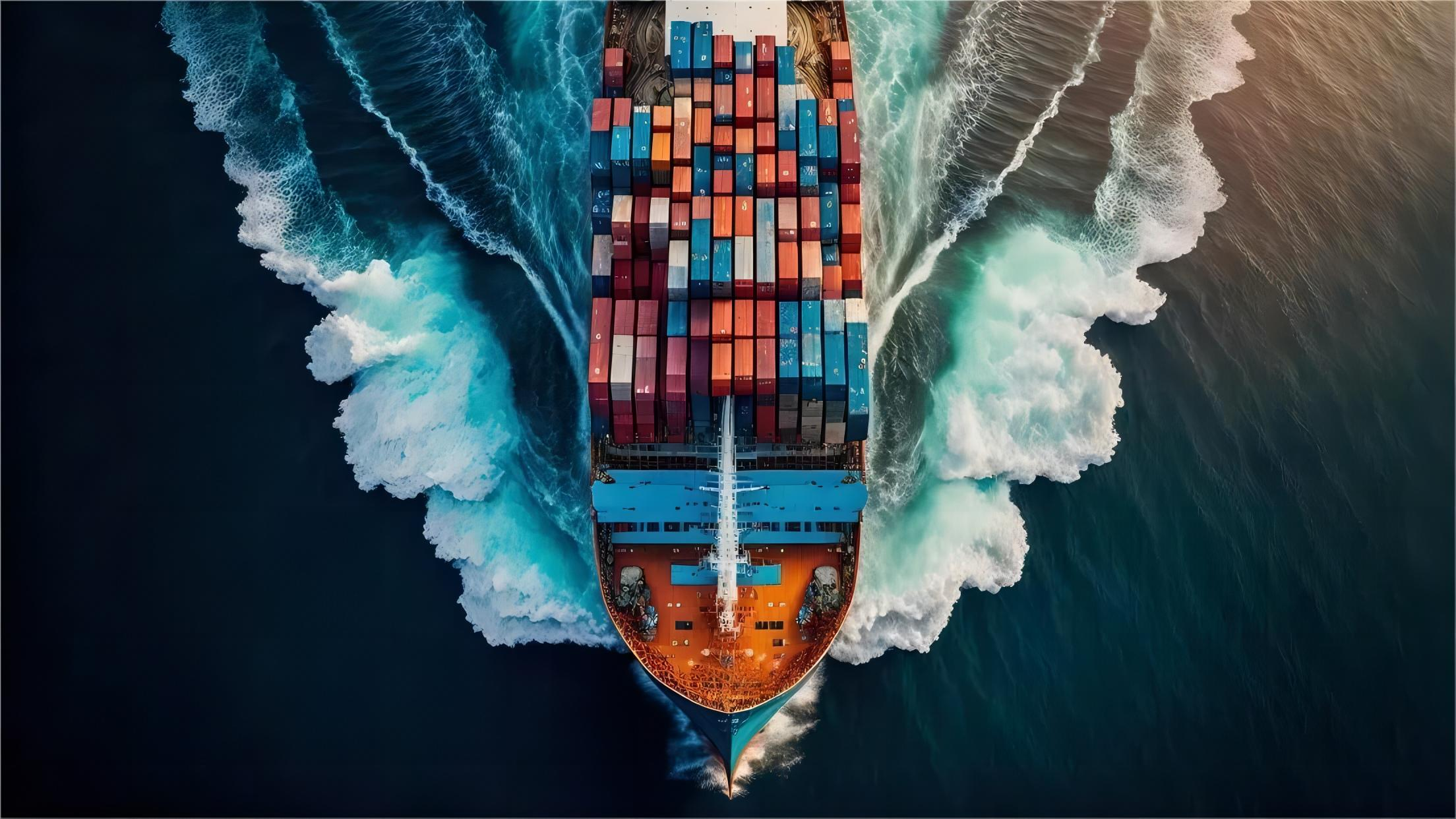
China fulfillment center door delivery serves as an all-in-one solution for businesses sourcing goods from Chinese manufacturers. Specifically, this service combines warehousing, order processing, and international shipping into a single streamlined workflow. Instead of managing multiple vendors, you partner with a provider that handles everything from the moment the goods leave the factory.
Consequently, this model eliminates the complexity of coordinating between local warehouses and international carriers. Most providers offer specialized door to door services that include inland transport, export documentation, and final mile delivery. In the competitive landscape of 2026, speed and reliability are the primary drivers of customer satisfaction.
Moreover, utilizing a centralized hub in China allows for better quality control and inventory management before products ship overseas. You can consolidate orders from various suppliers into a single shipment to reduce overall shipping costs. This integrated approach ensures that your supply chain remains resilient against global disruptions.
How Does This Method Compare to Other Shipping Options?
Analyzing different transport modes is essential for finding the most cost-effective solution for your specific cargo. While some businesses prefer the speed of air transport, others prioritize the low cost of ocean freight for high-volume inventory. Understanding the trade-offs between these methods allows you to make an informed decision based on your budget and timeline.
Furthermore, the choice often depends on the volume of goods and the urgency of the delivery schedule. For instance, small parcels for individual customer orders are best suited for express services. Conversely, large bulk shipments of raw materials or heavy machinery typically move via sea or rail networks to maximize efficiency.
Indeed, hybrid solutions have become increasingly popular in 2026 as a way to balance cost and speed. Sea-air combinations or rail-to-truck transfers provide flexibility when traditional routes face congestion. Evaluating these alternatives ensures you maintain a steady flow of inventory regardless of market conditions.
| Shipping Method | Cost Range | Transit Time | Best For |
|---|---|---|---|
| Sea Freight | $2,500 – $4,500 per 40HQ | 25 – 40 Days | Bulk Inventory |
| Air Freight | $4.50 – $8.00 per kg | 5 – 8 Days | High-Value Goods |
| Rail Freight | $1,800 – $3,200 per 40HQ | 18 – 25 Days | Europe Shipments |
| Express Service | $8.00 – $15.00 per kg | 3 – 5 Days | Urgent Samples |
Why Should You Choose Sea Freight for Door Delivery?
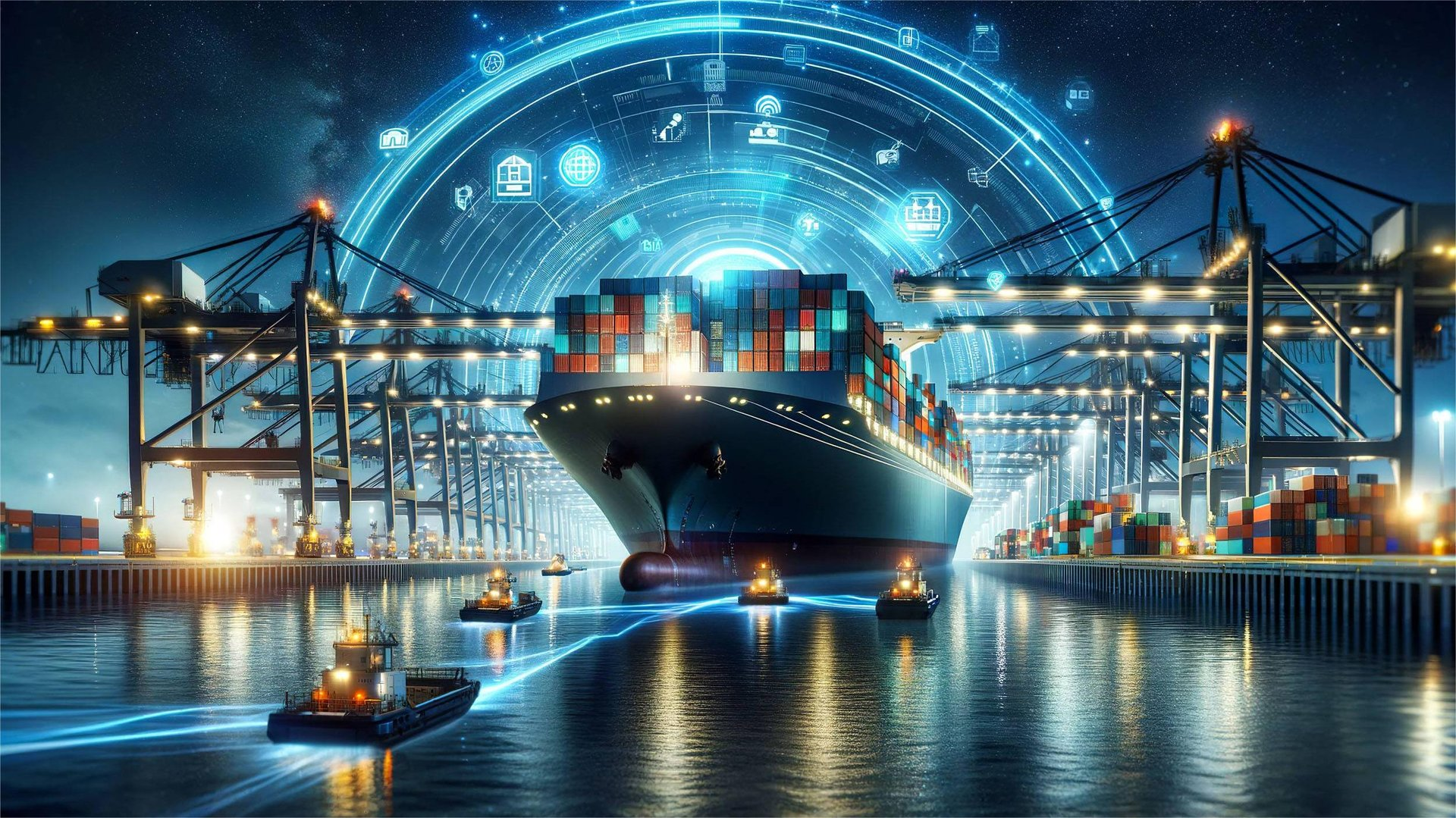
Sea freight remains the backbone of global trade due to its unmatched capacity and economical pricing structures. If you are shipping large volumes of consumer goods, sea freight offers the lowest per-unit cost available. In early 2026, ocean carriers have improved their scheduling to provide more predictable arrival windows for door-to-door shipments.
Additionally, full container load (FCL) shipping provides a secure environment for your products, reducing the risk of damage during transit. For smaller shipments, less than container load (LCL) options allow you to share space with other shippers while still benefiting from ocean rates. This flexibility makes maritime transport accessible to businesses of all sizes.
However, you must account for longer transit times when planning your inventory cycles to avoid stockouts. Consequently, many successful brands use sea freight for their core stock while keeping a small buffer of air-shipped inventory. This balanced strategy protects your profit margins while ensuring you can meet sudden spikes in customer demand.
Market data suggests that transit times have stabilized across major trade lanes after the infrastructure investments of 2025. Specifically, routes to North America and Europe have seen slight improvements in port processing speeds. Below is a breakdown of typical door-to-door timelines for various global regions.
Note: Freight rates and transit times are subject to change based on fuel costs, carrier capacity, and seasonal demand. Contact us for a current quote tailored to your specific shipment.
| Destination Region | Sea Transit | Air Transit | Rail Transit |
|---|---|---|---|
| North America | 18 – 35 Days | 5 – 7 Days | N/A |
| Europe | 30 – 45 Days | 6 – 8 Days | 18 – 24 Days |
| Australia | 15 – 22 Days | 4 – 6 Days | N/A |
| Southeast Asia | 7 – 12 Days | 2 – 3 Days | 5 – 10 Days |
Can Air Freight Improve Your Fulfillment Strategy?
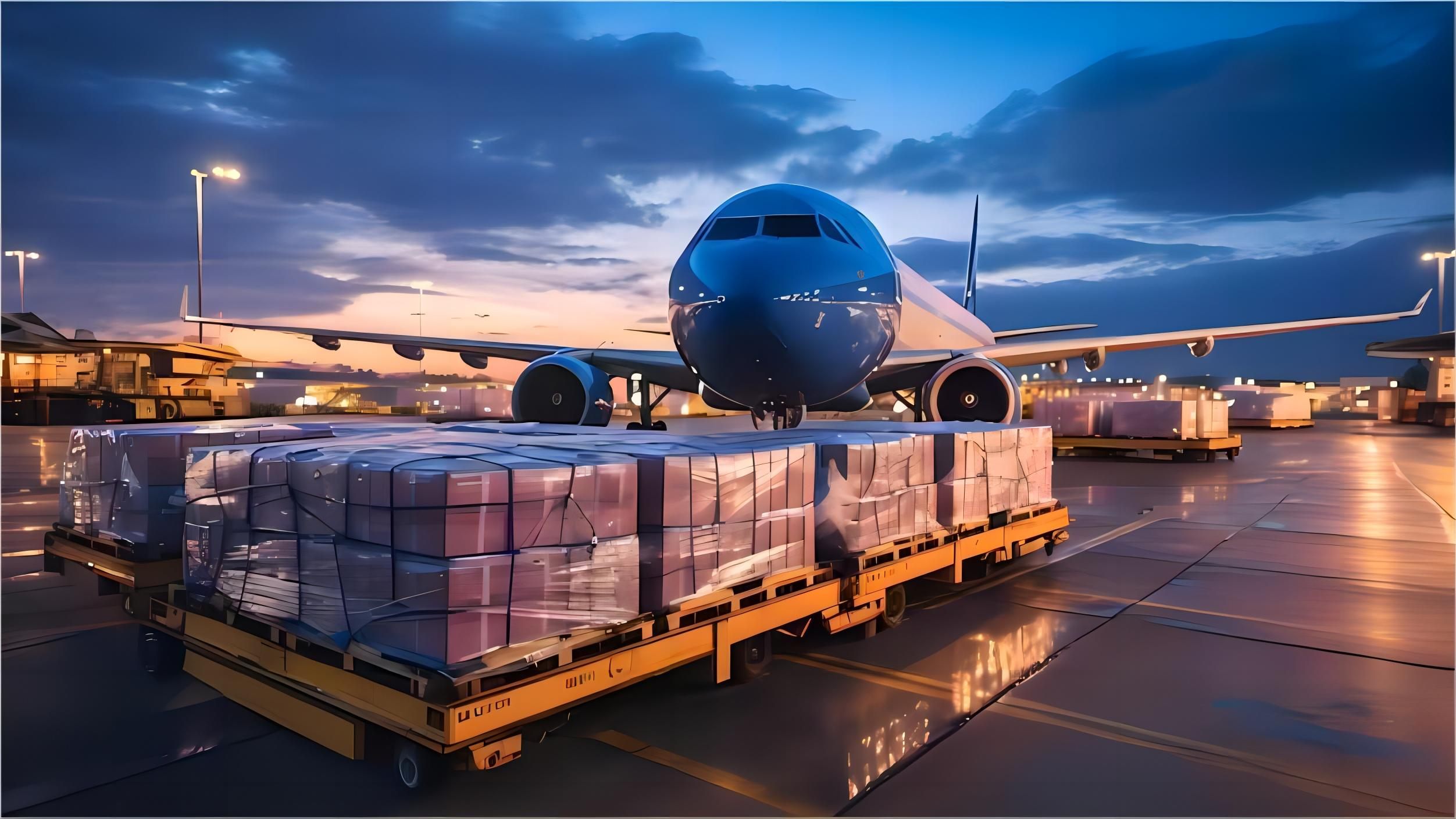
Air freight is the preferred choice for businesses that prioritize speed and have high-margin products. Utilizing air freight allows you to respond rapidly to market trends and replenish inventory in days rather than weeks. This agility is crucial for electronics, fashion, and other fast-moving consumer goods sectors.
Furthermore, shipping by air significantly reduces the amount of time your capital is tied up in transit. While the initial cost is higher, the reduction in warehouse holding costs and improved cash flow often justify the investment. Indeed, many e-commerce sellers use air delivery for initial product launches to gauge market reaction quickly.
Consequently, integrated fulfillment centers in China can pick, pack, and hand over orders to airlines within hours of a customer purchase. This seamless transition from the warehouse to the airport is a hallmark of modern cross-border logistics. By shortening the delivery window, you enhance the overall customer experience and build brand loyalty.
How Does Rail Freight Serve as a Middle Ground?
Rail freight provides an excellent alternative for shipments moving from China to land-based destinations in Europe and Central Asia. It offers a faster transit time than sea freight while remaining significantly cheaper than air transport. For many shippers, rail freight represents the perfect balance of cost and efficiency for medium-sized shipments.
Moreover, the development of the New Silk Road has created reliable schedules and improved security for rail cargo. This method is particularly effective for heavy goods that are too expensive to fly but need to arrive faster than a ship can deliver. In 2026, rail networks have expanded to include more direct routes to major European logistics hubs.
Therefore, businesses should consider rail as a strategic component of their supply chain for the European market. It provides a consistent delivery schedule that is less affected by weather conditions compared to maritime routes. This reliability allows for more precise inventory planning and better coordination with local distribution centers.
Real-World Case Studies for 2026
Examining real-world examples helps illustrate the practical application of different shipping strategies. These cases highlight how businesses navigate costs, timelines, and logistics challenges to achieve successful door-to-door delivery. Each scenario reflects current 2026 market rates and operational conditions.
Case Study 1: Electronics Distribution to USA West Route: Shenzhen, China to Los Angeles, USA Cargo: Consumer Electronics, 25 CBM, 4500 kg Container: 40HQ (Partial Load) Shipping Details: – Carrier: Major Trans-Pacific Carrier – Port of Loading: Shenzhen – Port of Discharge: Los Angeles – Route Type: Direct Cost Breakdown: – Ocean Freight: $3,200 – Origin Charges: $450 – Destination Charges: $600 – Customs and Duties: $1,200 – Total Landed Cost: $5,450 Timeline: – Booking to Loading: 3 days – Sea Transit: 16 days – Customs Clearance: 2 days – Total Door-to-Door: 21 days Key Insight: Using a direct route to the West Coast saved 10 days compared to East Coast routing during the Q1 peak.
Case Study 2: Fashion Apparel to Germany Route: Shanghai, China to Hamburg, Germany Cargo: Seasonal Clothing, 12 CBM, 2200 kg Container: LCL (Less than Container Load) Shipping Details: – Carrier: Rail Logistics Provider – Port of Loading: Shanghai Rail Terminal – Port of Discharge: Hamburg Terminal – Route Type: Rail via Kazakhstan Cost Breakdown: – Rail Freight: $2,100 – Origin Charges: $300 – Destination Charges: $400 – Customs and Duties: $850 – Total Landed Cost: $3,650 Timeline: – Booking to Loading: 4 days – Rail Transit: 20 days – Customs Clearance: 3 days – Total Door-to-Door: 27 days Key Insight: Rail freight offered a 15-day advantage over sea freight at a fraction of the air freight cost for this mid-weight shipment.
Case Study 3: Home Decor to Australia Route: Ningbo, China to Sydney, Australia Cargo: Wooden Furniture, 28 CBM, 3500 kg Container: 20GP Shipping Details: – Carrier: Regional Maritime Service – Port of Loading: Ningbo – Port of Discharge: Sydney – Route Type: Direct Cost Breakdown: – Ocean Freight: $1,100 – Origin Charges: $250 – Destination Charges: $350 – Customs and Duties: $500 – Total Landed Cost: $2,200 Timeline: – Booking to Loading: 2 days – Sea Transit: 14 days – Customs Clearance: 2 days – Total Door-to-Door: 18 days Key Insight: Direct sea routes to Australia remain the most economical way to transport high-volume, low-weight items like furniture.
Which Option Should You Choose?
Selecting the right fulfillment strategy requires a careful evaluation of your business priorities and product characteristics. If your primary goal is to minimize shipping costs, sea freight is almost always the best choice for bulk orders. Conversely, if you are handling perishable items or high-demand electronics, the speed of air freight is indispensable.
Additionally, you must consider the complexity of customs and local regulations in your destination country. Partnering with a provider that offers customs brokerage as part of their door-to-door service can prevent costly delays. They handle the documentation and duty payments, ensuring your cargo moves smoothly through international borders.
Furthermore, e-commerce sellers should look for providers specialized in amazon fba requirements if they use marketplace fulfillment. This ensures that your inventory is prepped, labeled, and delivered according to strict warehouse standards. Ultimately, the best choice is one that balances reliability, cost, and the specific needs of your customers.
| Priority | Recommended Method | Volume Threshold | Key Benefit |
|---|---|---|---|
| Budget | Sea Freight (FCL) | > 15 CBM | Lowest Unit Cost |
| Speed | Air Freight | Any Volume | Fastest Delivery |
| Balance | Rail Freight | > 5 CBM | Mid-range Speed |
| Small Orders | Express Courier | < 100 kg | Door-to-Door Ease |
How to Optimize Your 2026 Supply Chain?
Optimization begins with choosing a China fulfillment center that offers integrated technology for real-time tracking. In 2026, visibility into every stage of the delivery process is no longer a luxury but a requirement for modern business. Knowing exactly where your shipment is helps you manage customer expectations and plan your marketing efforts more effectively.
Moreover, consolidating shipments from multiple suppliers can lead to significant savings on international freight rates. By holding goods at a central fulfillment hub, you can wait for enough volume to fill a container before shipping. This strategy reduces the frequency of smaller, more expensive shipments and maximizes your logistics budget.
Indeed, staying informed about logistics trends such as port congestion or fuel surcharges allows you to pivot your strategy proactively. Working closely with an experienced logistics partner provides you with the market intelligence needed to navigate these fluctuations. Continuous improvement of your delivery schedule will keep your business competitive in the global marketplace.
Summary of China Fulfillment Center Door Delivery
Successfully implementing a china fulfillment center door delivery strategy is essential for modern businesses looking to scale their operations. By integrating warehousing, international transport, and final mile delivery, you can significantly reduce complexity and improve efficiency. Whether you choose sea, air, or rail freight, the key is to align your shipping method with your budget and customer expectations.
As market conditions evolve in 2026, staying agile and informed will help you maintain a resilient supply chain. Focus on partnering with reliable logistics providers who offer comprehensive end-to-end solutions. This proactive approach ensures that your products reach their destination safely, on time, and within budget.

Get Your Shipping Quote Today
Streamline your global logistics today with our professional china fulfillment center door delivery solutions. Our team provides expert guidance on customs, transit times, and cost-saving strategies for your 2026 growth. Send Inquiry
Request Quote