

Container Shipping China Cheap: Your Complete 2026 Logistics Guide
Securing container shipping china cheap rates is a top priority for global importers looking to maximize their profit margins in 2026. By partnering with a reliable freight forwarder like China Freight World, you can navigate the complexities of international logistics while keeping expenses low. This guide explores the most effective strategies for reducing your ocean freight costs without compromising on delivery reliability. Understanding the nuances of the shipping market is essential for any business operating in today’s competitive environment. Consequently, we have compiled the latest data and expert insights to help you find the most affordable shipping solutions from China to the rest of the world.
✦
What Factors Determine Container Shipping China Cheap Rates?
Several variables influence the final price you pay for transporting goods from Chinese manufacturing hubs to your doorstep. Firstly, the distance between the port of loading and the port of discharge plays a significant role in determining the base ocean freight rate. Moreover, seasonal demand fluctuations can cause prices to spike during peak periods like the weeks leading up to the Lunar New Year or the Q4 holiday rush.
Fuel surcharges represent another critical cost component that changes based on global oil market trends. Additionally, the type of cargo you are shipping and the required container size will dictate the overall expense. For instance, shipping hazardous materials or oversized items requires specialized handling, which naturally increases the cost compared to standard dry goods. Understanding these factors allows you to plan your shipments more effectively and avoid unnecessary surcharges.
Market capacity also dictates how much carriers charge for space on their vessels. When there is an oversupply of ships, rates tend to drop, providing an excellent opportunity for businesses to secure lower prices. Conversely, during times of equipment shortages or port congestion, rates can climb rapidly. Therefore, staying informed about global logistics trends is vital for maintaining a lean supply chain.
FCL vs LCL: Which Method Offers the Best Value?
Choosing between Full Container Load (FCL) and Less than Container Load (LCL) is one of the most important decisions for cost-conscious shippers. If you have enough volume to fill a 20ft or 40ft container, sea freight via FCL is generally the most economical choice. This method provides a flat rate for the entire container, which often results in a lower cost per unit of cargo.
On the other hand, LCL is ideal for smaller shipments that do not require a full container. In this scenario, you only pay for the volume your goods occupy, measured in cubic meters (CBM). However, it is important to note that LCL shipments involve additional handling and consolidation fees at the port. As a result, the price per CBM is usually higher than that of an FCL shipment.
Importers should carefully calculate their total volume before deciding on a method. Without a doubt, once your shipment exceeds 15 CBM, it is often cheaper to book a 20GP container even if you do not fill it completely. This threshold varies based on the specific route and current market conditions, so always request quotes for both options to compare the final landed cost.
How Does Sea Freight Compare to Other Shipping Options?
While sea freight is the go-to for container shipping china cheap, it is important to analyze how it stacks up against alternatives like air and rail. Air freight is significantly faster but comes with a much higher price tag, making it suitable only for high-value or time-sensitive goods. For example, air freight can cost five to ten times more than ocean transport for the same volume.
Rail freight has emerged as a middle-ground solution, particularly for shipments destined for Europe. It offers faster transit times than the sea while remaining more affordable than air. Indeed, rail freight is an excellent choice for businesses that need to balance speed and budget. Nevertheless, rail is not an option for routes to North America or Australia due to geographical limitations.
Hybrid solutions, such as sea-air, are also gaining popularity in 2026. These involve shipping goods by sea to a hub like Dubai and then flying them to the final destination. This approach provides a compromise that is faster than sea but cheaper than pure air freight. To summarize, the best method depends entirely on your specific timeline and budget constraints.
| Shipping Method | Cost Range | Transit Time | Best For |
|---|---|---|---|
| Sea Freight (FCL) | $1,500 – $4,500 | 20-40 Days | Large volume, low cost |
| Sea Freight (LCL) | $50 – $150/CBM | 25-45 Days | Small shipments, budget |
| Rail Freight | $2,000 – $3,500 | 15-22 Days | China to Europe, mid-range |
| Air Freight | $4.00 – $8.00/kg | 3-7 Days | Urgent, high-value cargo |
Which Option Should You Choose?
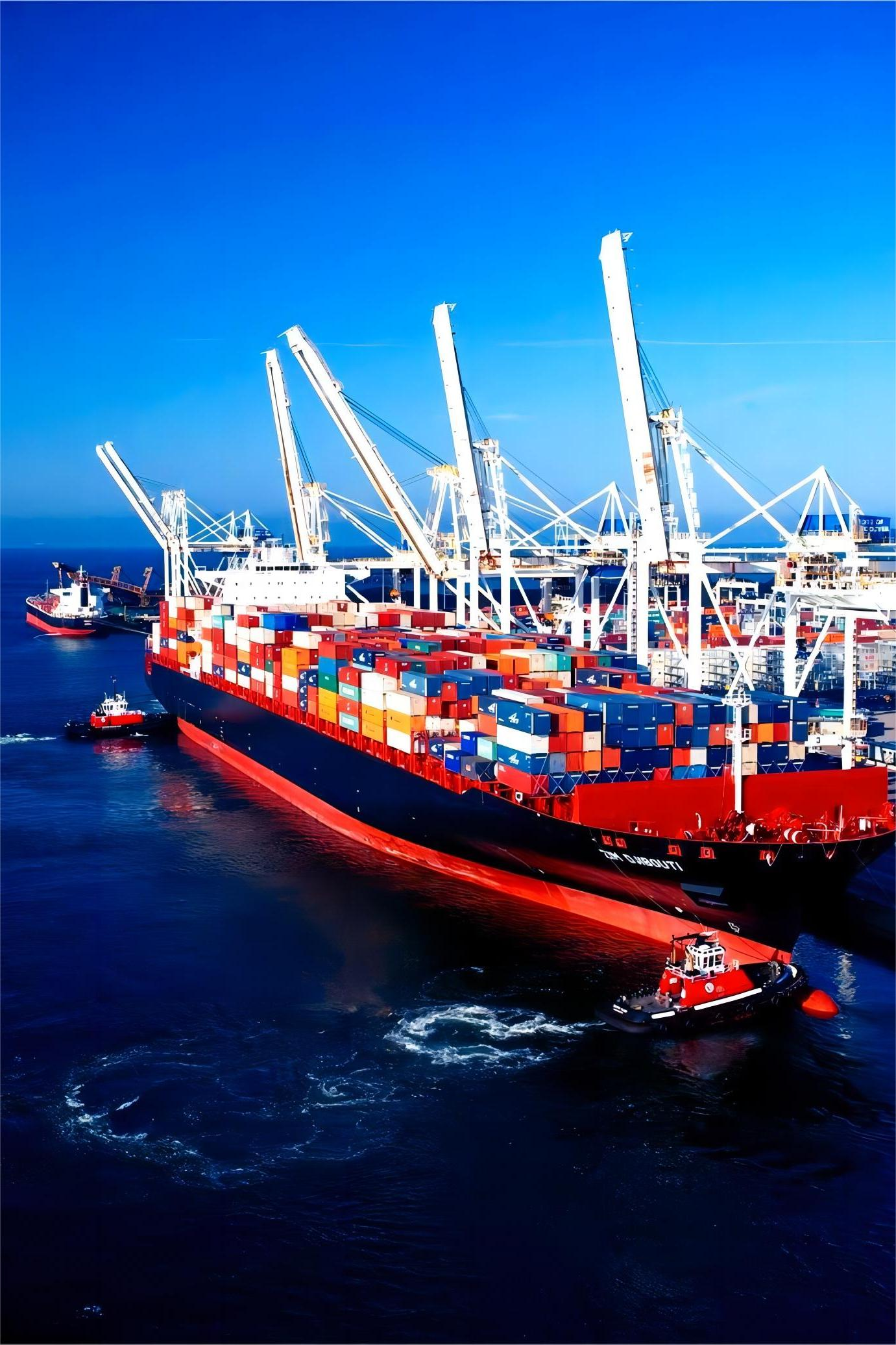
Selecting the right shipping strategy requires a clear understanding of your business priorities. If your primary goal is to minimize costs and your lead times are flexible, sea freight is the undisputed winner. This method allows you to move massive amounts of inventory for a fraction of the cost of other modes. Furthermore, sea freight is the most environmentally friendly option per ton-mile.
If you are dealing with a stockout or a tight deadline, the extra expense of air freight might be justified to save a customer relationship. Meanwhile, rail freight is perfect for those who want to avoid the long transit times of the Cape of Good Hope route but cannot afford air rates. It is also important to consider the nature of your cargo; heavy machinery is almost always best suited for ocean containers.
Consider the following criteria when making your decision: Budget priority leads to FCL/LCL sea freight. Speed priority leads to air or express services. Volume thresholds suggest that anything over 100kg should move via sea or rail to remain cost-effective. By analyzing these factors, you can make an informed choice that supports your bottom line.
Top Strategies for Reducing Your Shipping Costs
One of the best ways to keep your logistics budget in check is to optimize your packaging. By reducing the dimensions of your boxes, you can fit more units into a single container or reduce your CBM for LCL shipments. Additionally, consolidating multiple orders from different suppliers into one shipment can significantly lower your origin charges and documentation fees.
Booking your shipments at least 3-4 weeks in advance is another effective way to secure lower rates. Carriers often offer early-bird discounts to ensure their vessels are full. Furthermore, try to avoid shipping during peak seasons when demand is at its highest. If you can delay your shipment by just a few weeks, you might save hundreds of dollars on a single container.
Negotiating with multiple freight forwarders can also yield better pricing. However, do not simply choose the lowest bid without checking the company’s reputation and service levels. Sometimes, a slightly higher rate includes better tracking and faster customs clearance, which saves money in the long run. Indeed, a reliable partner is often more valuable than the absolute cheapest quote.
Navigating Customs and Documentation for Lower Costs
Errors in documentation are a common cause of unexpected shipping costs and delays. If your paperwork is incorrect, you may face storage fees at the port or even fines from customs authorities. Therefore, investing in professional customs brokerage services is a smart move to ensure compliance and avoid hidden charges.
Make sure your commercial invoice, packing list, and Bill of Lading are all perfectly aligned. Any discrepancy can lead to a red flag during the inspection process. Moreover, understanding the specific Harmonized System (HS) codes for your products is crucial for calculating the correct duties and taxes. Using the wrong code could result in you paying more than necessary or facing legal issues.
Properly prepared documents also speed up the clearance process, allowing your goods to reach their destination faster. Consequently, you reduce the risk of incurring demurrage or detention fees, which can quickly add up to thousands of dollars. To summarize, meticulous attention to detail during the documentation phase is essential for maintaining a cheap and efficient supply chain.
Shipping to Major Destinations in 2026
The cost of container shipping varies significantly depending on the destination region. For those importing to North America, rates to the West Coast are generally lower and transit times shorter than to the East Coast. As of early 2026, the market has stabilized, but port labor negotiations continue to be a factor to watch.
Shipping to Europe often involves choosing between the traditional sea route and the growing rail network. While sea freight remains the most common choice for bulk goods, rail is increasingly popular for consumer electronics and fashion. In contrast, routes to Australia are primarily served by sea, with transit times from major Chinese ports like Shenzhen taking approximately 12 to 18 days.
Regardless of the destination, it is important to work with a forwarder who has a strong network in both the origin and destination countries. This local expertise ensures that any issues at the port of discharge are handled quickly and efficiently. Moreover, a global network allows for better negotiation power with major shipping lines, resulting in more competitive rates for you.
| Route | 20GP Rate | 40HQ Rate | Est. Transit |
|---|---|---|---|
| China to USA West | $1,600 – $2,300 | $2,900 – $3,900 | 15-20 Days |
| China to USA East | $2,600 – $3,600 | $4,600 – $6,100 | 30-35 Days |
| China to Europe | $1,900 – $2,600 | $3,100 – $4,300 | 30-40 Days |
| China to Australia | $900 – $1,300 | $1,500 – $2,100 | 12-18 Days |

Real Case Studies: Successful Cheap Container Shipments
Case Study 1: Electronics Importer in California Route: Shenzhen, China to Los Angeles, USA Cargo: Consumer electronics, 65 CBM Container: 1 x 40HQ Carrier: Major Ocean Carrier (Direct) Ocean Freight: $3,200 Origin/Dest Charges: $850 Total Landed Cost: $4,050 Transit Time: 16 Days Key Insight: By booking 4 weeks in advance during the Q1 lull, the client saved 15% compared to spot rates.
Case Study 2: Furniture Retailer in Germany Route: Ningbo, China to Hamburg, Germany Cargo: Wooden furniture, 12 CBM Container: LCL Shipment Carrier: Consolidation Service via Singapore Ocean Freight: $1,140 ($95/CBM) Origin/Dest Charges: $420 Total Landed Cost: $1,560 Transit Time: 38 Days Key Insight: Using LCL allowed the client to maintain inventory levels without the capital outlay of a full container.
Note: Freight rates are subject to change based on fuel costs, carrier capacity, and seasonal demand. Contact us for a current quote tailored to your specific shipment.
Final Thoughts on Affordable China Shipping
Finding container shipping china cheap solutions requires a combination of strategic planning, market knowledge, and the right logistics partner. By understanding the differences between FCL and LCL, and comparing sea freight with air and rail options, you can make decisions that balance cost and speed. Additionally, optimizing your packaging and documentation will help you avoid unnecessary fees and delays.
As we move through 2026, staying adaptable to market changes remains the key to maintaining a competitive edge. Whether you are a small business owner or a large-scale importer, the principles of cost-effective shipping remain the same. Start implementing these strategies today to see a significant reduction in your international freight expenses.
