
Sea Freight from China Shipping Rates: 2026 Comprehensive Cost Guide
Navigating the complexities of global logistics requires a deep understanding of sea freight from china shipping rates to maintain a competitive edge. At China Freight World, we specialize in simplifying the international trade process for businesses of all sizes. This comprehensive guide explores the current 2026 market landscape, providing the data you need to manage your ocean cargo budget effectively.

Why are sea freight from china shipping rates fluctuating in 2026?
Understanding the primary drivers of ocean freight costs is essential for accurate budgeting and supply chain planning. Consequently, several factors including fuel prices, carrier capacity, and global trade demand influence the final price you pay for sea freight services.
Furthermore, the 2026 market has seen a stabilization in bunker adjustment factors as new green fuel technologies become more prevalent in the shipping industry. Therefore, while historical volatility has decreased, shippers must still account for seasonal peaks that typically occur during late Q3 and early Q4.
Moreover, port congestion levels in major hubs like Shanghai and Ningbo continue to play a significant role in determining real-time pricing. As a result, choosing the right departure window can lead to substantial savings on your overall logistics expenditure.
Additionally, geopolitical stability in key maritime corridors has improved the reliability of delivery schedules compared to previous years. Nevertheless, savvy importers always maintain a buffer in their budget to handle unexpected surcharges or terminal handling fee increases.
FCL vs LCL: Which fits your budget and volume?
Choosing between Full Container Load (FCL) and Less than Container Load (LCL) is one of the most critical decisions for managing your sea freight from china shipping rates. Typically, FCL is more cost-effective for shipments exceeding 15 cubic meters because you pay a flat rate for the entire container space.
However, LCL allows smaller businesses to share container space with other shippers, paying only for the volume they actually use. Indeed, this flexibility is vital for maintaining lean inventory levels without incurring the high costs of air transport.
Additionally, FCL shipments often move faster through the supply chain because they do not require the consolidation and deconsolidation processes associated with LCL cargo. Consequently, businesses with high-volume requirements almost always prefer the security and speed of a dedicated 20-foot or 40-foot container.
On the other hand, LCL rates are calculated per cubic meter (CBM), making them highly predictable for small, regular shipments. Without a doubt, analyzing your monthly volume thresholds will reveal which method offers the best return on investment for your specific cargo.
How Does Sea Freight Compare to Other Shipping Options?
Comparing different transportation modes is necessary to ensure your logistics strategy aligns with both your budget and your timeline requirements. While sea freight offers the lowest cost per unit for bulk cargo, air freight remains the go-to choice for time-sensitive electronics or high-value fashion items.
Furthermore, rail freight has emerged as a powerful middle-ground solution for shipments traveling from China to Europe, offering faster transit times than the ocean at a lower price point than the air. Therefore, hybrid strategies often yield the best results for complex supply chains.
Specifically, many companies now utilize sea-air combinations to balance speed and cost during peak seasons. For instance, shipping by sea to a regional hub and then by air to the final destination can save 30% compared to a pure air solution.
| Sea Freight | $1,500 – $4,500 | 25 – 45 Days | Bulk / Heavy Goods |
| Air Freight | $5,000 – $15,000 | 3 – 7 Days | Urgent / High Value |
| Rail Freight | $2,500 – $5,500 | 15 – 22 Days | China to Europe |
| Express | $8,000 – $20,000 | 2 – 5 Days | Small Samples |
Current Sea Freight From China Shipping Rates by Destination
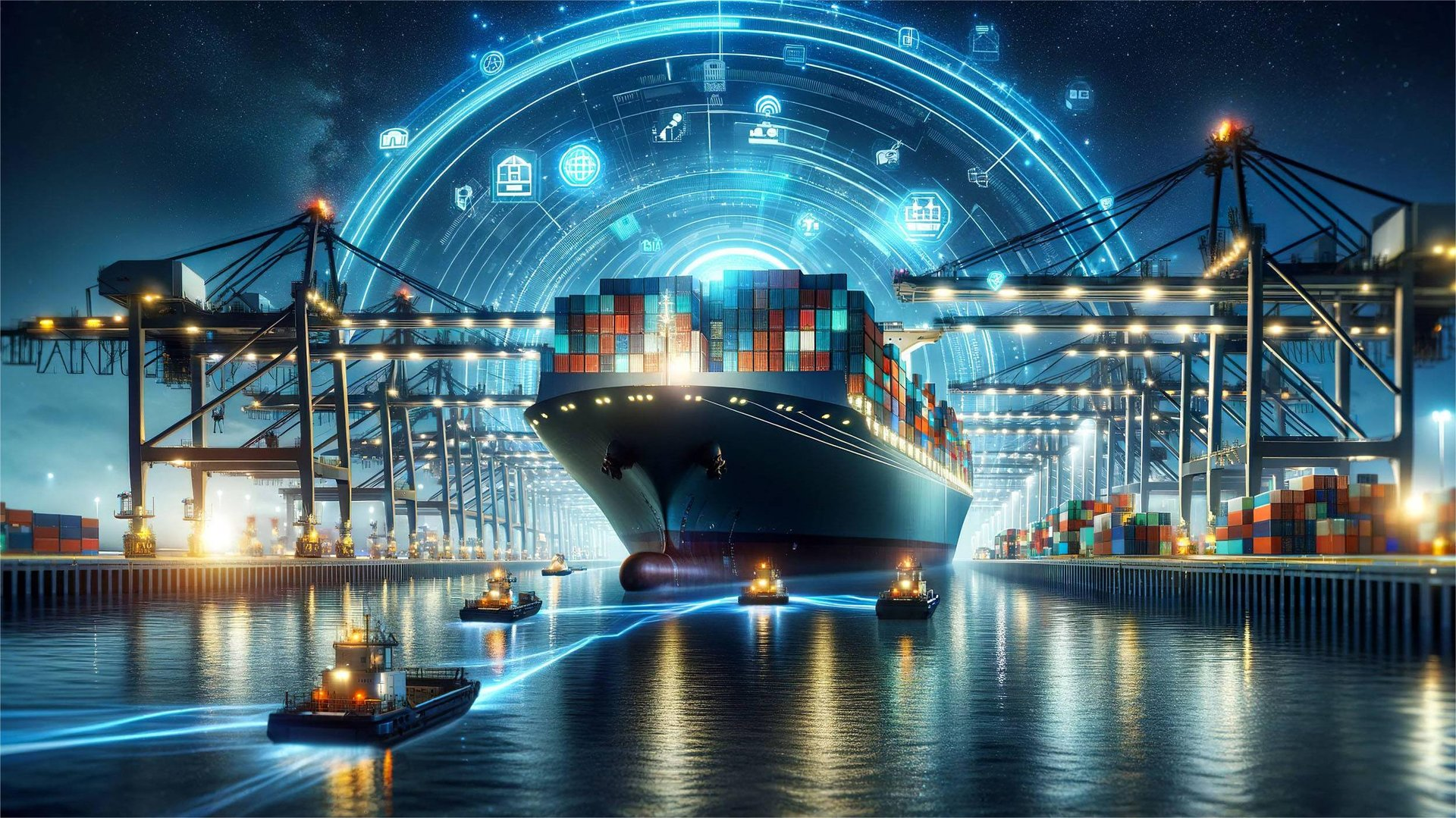
Market data suggests that rates have remained relatively competitive throughout early 2026 across major global trade lanes. For example, shipping from China to the US West Coast remains one of the most cost-efficient routes due to high vessel frequency and shorter distances.
In contrast, routes to the US East Coast or Northern Europe involve longer transit times and higher fuel consumption, which naturally increases the base freight rate. To summarize, the following table provides typical 2026 price ranges for standard container sizes across various destinations.
Note: Freight rates are subject to change based on fuel costs, carrier capacity, and seasonal demand. Contact us for a current quote tailored to your specific shipment.
| China to US West | $1,600 – $2,200 | $2,800 – $3,600 | 16 – 18 Days |
| China to US East | $2,600 – $3,400 | $4,200 – $5,800 | 30 – 35 Days |
| China to Europe | $1,900 – $2,600 | $3,200 – $4,400 | 32 – 38 Days |
| China to Australia | $850 – $1,250 | $1,500 – $2,100 | 14 – 20 Days |
Understanding the hidden costs in ocean freight
Beyond the base ocean freight, several additional charges can significantly impact your landed cost if not properly accounted for in your initial estimates. Specifically, terminal handling charges (THC), documentation fees, and port security surcharges are standard components of almost every international shipment.
Moreover, navigating the complexities of customs brokerage is essential to avoid costly delays and storage fees at the port of discharge. Indeed, a single error in your commercial invoice or packing list can lead to inspections that cost thousands of dollars.
Additionally, many first-time importers forget to factor in the cost of marine insurance, which provides vital protection against cargo damage or loss during the long voyage. Consequently, we always recommend a comprehensive insurance policy for any shipment valued over $5,000.
Furthermore, inland haulage at both the origin and destination can sometimes exceed the cost of the ocean leg itself. Therefore, getting a total landed cost quote is the only way to truly understand the impact of sea freight from china shipping rates on your profit margins.
Strategies for lowering your shipping costs in 2026
Efficient packaging is the first step toward reducing your logistics expenses, as it allows you to fit more product into a single container or CBM. For instance, optimizing your pallet dimensions can often save 10-15% on LCL costs by eliminating wasted space.
Moreover, many e-commerce sellers utilize Amazon FBA strategies that involve shipping bulk inventory directly to regional warehouses during the off-season. By doing so, they avoid the peak season rate hikes that occur every year before the holidays.
Additionally, negotiating longer-term contracts with freight forwarders can provide price stability in a fluctuating market. Without a doubt, loyalty to a single logistics partner often results in better service priority and more flexible payment terms.
Finally, always request quotes at least 2-3 weeks in advance of your cargo ready date. This proactive approach allows your forwarder to secure space on the most economical vessels before they reach full capacity.
Door to Door vs Port to Port services
Properly selecting your service level is just as important as choosing the right transport mode when managing sea freight from china shipping rates. While port-to-port shipping appears cheaper on paper, it requires the importer to manage all local logistics, which can be overwhelming for those without a dedicated supply chain team.
Conversely, door to door shipping provides a seamless experience where the freight forwarder handles every step from the factory floor to your final warehouse. Clearly, this convenience saves significant time and reduces the risk of communication breakdowns between different service providers.
Specifically, door-to-door services often include customs clearance and final mile delivery in the quoted price. As a result, you get a single, transparent invoice that makes financial accounting much simpler for your business.
Ultimately, the choice depends on your internal resources and your desire for control over the process. However, for most small to medium enterprises, the all-inclusive nature of door-to-door service provides the best overall value.
Real-world case studies from 2026
Case Study 1: Electronics to Los Angeles +———————————————————+ | Route: Shenzhen, China to Los Angeles, USA | Cargo: Consumer Electronics, 28 CBM, 4,500 kg | Container: 40HQ Container | | Shipping Details: | – Carrier/Service: Major trans-Pacific carrier | – Port of Loading: Shenzhen | – Port of Discharge: Los Angeles | – Route Type: Direct | | Cost Breakdown: | – Ocean Freight: $3,200 | – Origin Charges: $450 | – Destination Charges: $600 | – Customs and Duties: $1,200 | – Total Landed Cost: $5,450 | | Timeline: | – Booking to Loading: 4 days | – Sea Transit: 16 days | – Customs Clearance: 2 days | – Total Door-to-Door: 22 days | | Key Insight: Booking 3 weeks early secured a lower rate. +———————————————————+
Case Study 2: Furniture to Hamburg +———————————————————+ | Route: Ningbo, China to Hamburg, Germany | Cargo: Wooden Furniture, 12 CBM, 2,200 kg | Container: LCL (Less than Container Load) | | Shipping Details: | – Carrier/Service: Euro-Asia consolidated service | – Port of Loading: Ningbo | – Port of Discharge: Hamburg | – Route Type: Transshipment via Singapore | | Cost Breakdown: | – Ocean Freight: $960 ($80/CBM) | – Origin Charges: $220 | – Destination Charges: $380 | – Customs and Duties: $850 | – Total Landed Cost: $2,410 | | Timeline: | – Booking to Loading: 6 days | – Sea Transit: 35 days | – Customs Clearance: 3 days | – Total Door-to-Door: 44 days | | Key Insight: LCL was 40% cheaper than a half-empty 20GP. +———————————————————+
Case Study 3: Industrial Parts to Sydney +———————————————————+ | Route: Shanghai, China to Sydney, Australia | Cargo: Steel Components, 18 CBM, 8,000 kg | Container: 20GP Container | | Shipping Details: | – Carrier/Service: Direct South-bound service | – Port of Loading: Shanghai | – Port of Discharge: Sydney | – Route Type: Direct | | Cost Breakdown: | – Ocean Freight: $1,100 | – Origin Charges: $300 | – Destination Charges: $500 | – Customs and Duties: $600 | – Total Landed Cost: $2,500 | | Timeline: | – Booking to Loading: 3 days | – Sea Transit: 15 days | – Customs Clearance: 2 days | – Total Door-to-Door: 20 days | | Key Insight: Heavy weight made FCL the only viable option. +———————————————————+
Mastering Your Ocean Freight Strategy
Successfully managing sea freight from china shipping rates requires a combination of market intelligence, strategic planning, and reliable partnerships. By understanding the differences between FCL and LCL, monitoring 2026 market trends, and accounting for hidden costs, you can significantly reduce your logistics overhead.
Furthermore, leveraging the expertise of a professional freight forwarder ensures that your cargo moves efficiently across the globe with minimal risk. Whether you are shipping small e-commerce orders or large industrial machinery, the right approach to ocean freight will empower your business to grow in the international marketplace.
Need a tailored shipping solution?
Ready to optimize your supply chain with competitive sea freight from china shipping rates? Contact our expert team today to receive a personalized quote tailored to your specific cargo needs and timelines. Visit our inquiry page to get started: Visit https://chinafreightworld.com/contact-us/