
China Warehouse Service for Importers: 2026 Logistics Guide
Developing a competitive edge in global trade requires more than just finding the right supplier. Utilizing a professional china warehouse service for importers allows you to centralize your operations and ensure product quality before shipping. Consequently, businesses can significantly reduce their logistics overhead while improving delivery reliability for their customers in 2026.

What is a China Warehouse Service for Importers?
A China warehouse service for importers acts as a specialized logistics hub where goods are collected, stored, and managed prior to international dispatch. Furthermore, these facilities provide a secure environment where inventory can be consolidated from multiple suppliers into a single shipment. This process is essential for businesses looking to streamline their supply chain and reduce the complexity of managing various vendors.
Importers often face challenges such as fragmented shipments and inconsistent quality control when dealing with several factories. However, a centralized warehouse solves these issues by providing a unified point of contact for all cargo handling needs. Indeed, the ability to inspect products at the source prevents the high cost of returning defective items after they have reached their final destination.
Moreover, modern warehouses in 2026 are equipped with advanced management systems that offer real-time visibility into inventory levels. Therefore, importers can make data-driven decisions regarding their stock replenishment and shipping schedules. Additionally, these services cater to various business models, ranging from traditional bulk buyers to agile e-commerce entrepreneurs.
Key Benefits of Using a China Warehouse Service for Importers
One of the primary advantages of utilizing a China warehouse service for importers is the significant cost savings achieved through cargo consolidation. For instance, combining multiple small orders into one large shipment allows you to take advantage of better freight rates. Consequently, the cost per unit decreases, directly improving your profit margins in a competitive market.
Quality assurance is another critical benefit that cannot be overlooked in 2026. By having a team on the ground to check items against your specifications, you ensure that only high-quality products leave the mainland. Meanwhile, this proactive approach minimizes the risk of customer complaints and expensive international returns.
Flexible storage solutions allow importers to manage seasonal demand fluctuations without committing to long-term leases in their home countries. Accordingly, you can scale your operations up or down based on market trends and consumer behavior. Furthermore, many warehouses offer specialized services like Amazon FBA prep, ensuring your goods meet strict marketplace requirements.
How Does China Warehouse Service Compare to Other Shipping Options?
When planning your logistics strategy, it is vital to compare different shipping methods to find the most efficient route for your cargo. While direct shipping from a factory might seem faster, it often lacks the oversight and consolidation benefits of a warehouse. On the other hand, using a warehouse allows for a more controlled and cost-effective distribution model.
For bulk commodities, sea freight remains the most economical choice for long-distance transport. However, if your inventory needs to reach the market rapidly, air freight provides the necessary speed despite the higher cost. Balancing these options requires a clear understanding of your budget and transit time requirements.
Market data for early 2026 suggests that hybrid solutions, such as sea-air combinations, are becoming increasingly popular. These strategies offer a middle ground, providing faster delivery than sea alone while remaining cheaper than pure air transport. Nevertheless, the choice depends heavily on the specific nature of your products and the urgency of the delivery.
| Shipping Method | Cost Range (2026) | Transit Time | Best For |
|---|---|---|---|
| Sea Freight (FCL) | $2,500 – $4,500 | 25-40 Days | Bulk Inventory |
| Air Freight | $5.50 – $9.00/kg | 5-8 Days | High-Value Goods |
| Rail Freight | $1,200 – $2,200 | 15-22 Days | Mid-Size Shipments |
| Express Service | $8.00 – $15.00/kg | 3-5 Days | Samples and Small Parcels |
Essential Warehouse Services for Modern Supply Chains
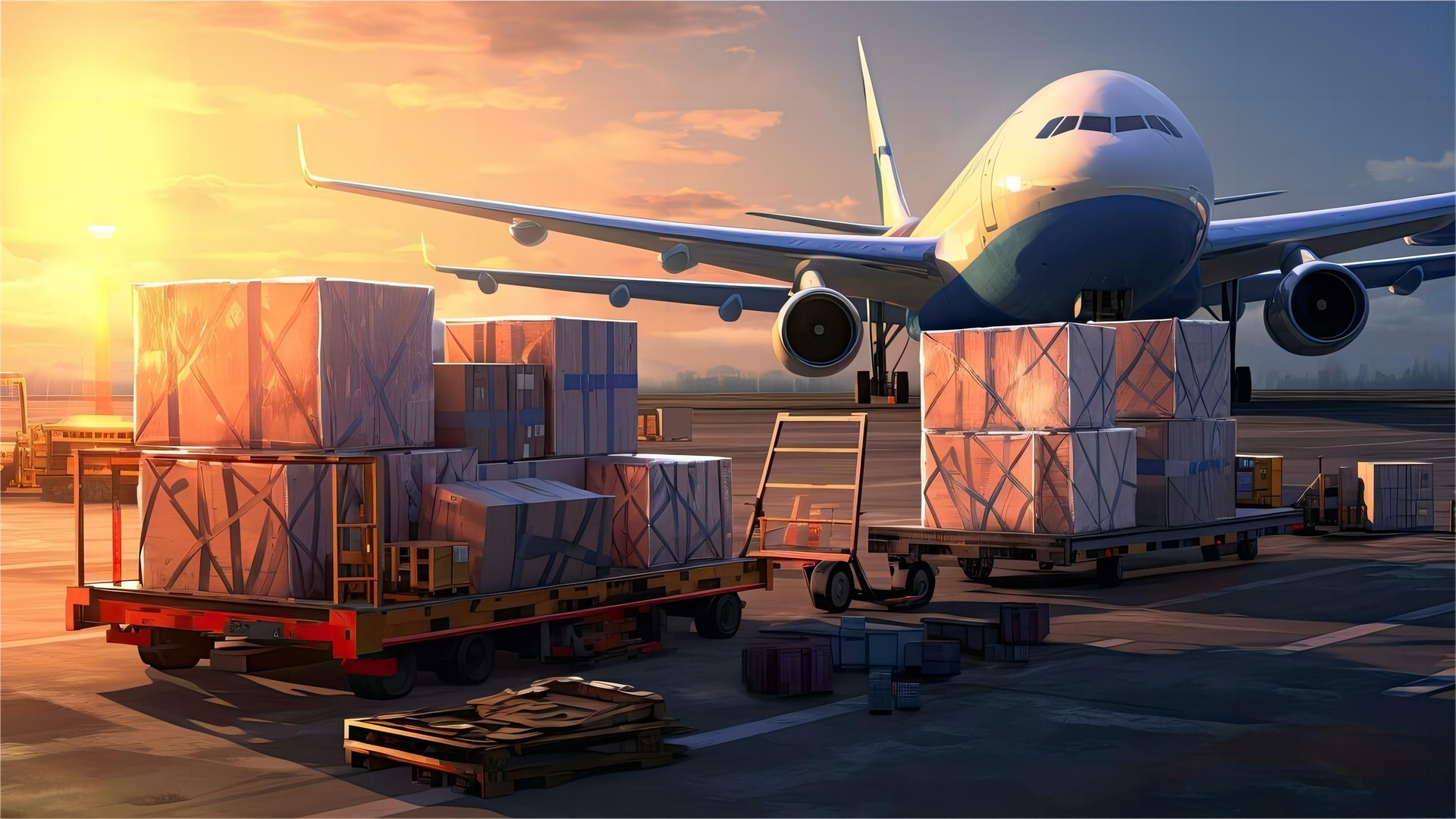
Modern warehouses offer much more than just simple storage; they provide a comprehensive suite of value-added services. For example, kitting and assembly services allow you to bundle different products together before shipping to the end consumer. Consequently, this reduces the workload at your local distribution center and speeds up the fulfillment process.
Labeling and repackaging are also vital for meeting the regulatory requirements of different regions. Whether you are shipping to Europe or North America, your warehouse partner can ensure all packaging is compliant. In addition, professional customs brokerage integration helps in preparing the necessary documentation for smooth border crossings.
Inventory management software integration is a standard feature in 2026, allowing importers to sync their online stores directly with the warehouse. As a result, when an order is placed, the warehouse can automatically pick, pack, and ship the item. This level of automation is essential for maintaining a high delivery schedule in the fast-paced world of global trade.
Cost-Saving Strategies for Warehouse Management in 2026
To maximize the efficiency of your China warehouse service for importers, you should implement strategic cost-saving measures. Firstly, optimizing your packaging dimensions can lead to significant reductions in both storage and shipping costs. Indeed, smaller and lighter packages occupy less space in containers and on warehouse shelves.
Secondly, utilizing long-term storage agreements can often result in lower monthly rates compared to month-to-month arrangements. However, you must accurately forecast your inventory turnover to avoid excessive storage fees for slow-moving stock. Furthermore, consolidating shipments from various suppliers into a single Full Container Load (FCL) is almost always cheaper than multiple Less than Container Load (LCL) shipments.
Another effective strategy involves performing quality inspections early in the process. By identifying defects at the warehouse, you avoid paying shipping costs and duties on unsellable items. Without a doubt, the investment in a thorough inspection service pays for itself by preventing future losses and protecting your brand reputation.
Which Option Should You Choose? Decision Framework
Choosing the right logistics path involves weighing several factors, including budget, speed, and cargo volume. If your priority is minimizing costs and you have ample lead time, sea freight via a consolidation warehouse is the optimal choice. Conversely, if you are launching a new product and need it in stock immediately, air freight is the better alternative despite the expense.
For shipments destined for North America, the choice between West Coast and East Coast ports will also impact your warehouse strategy. Similarly, rail freight has become a highly viable option for those shipping to inland destinations where sea transit might be too slow. Therefore, you should analyze the total landed cost for each method before making a final decision.
Finally, consider the complexity of your product requirements. High-value electronics may require climate-controlled storage and specialized handling, whereas simple consumer goods can be stored in standard facilities. Always consult with your logistics provider to ensure the warehouse capabilities align with your specific product needs and compliance standards.
Real-World Case Studies: Success with China Warehousing
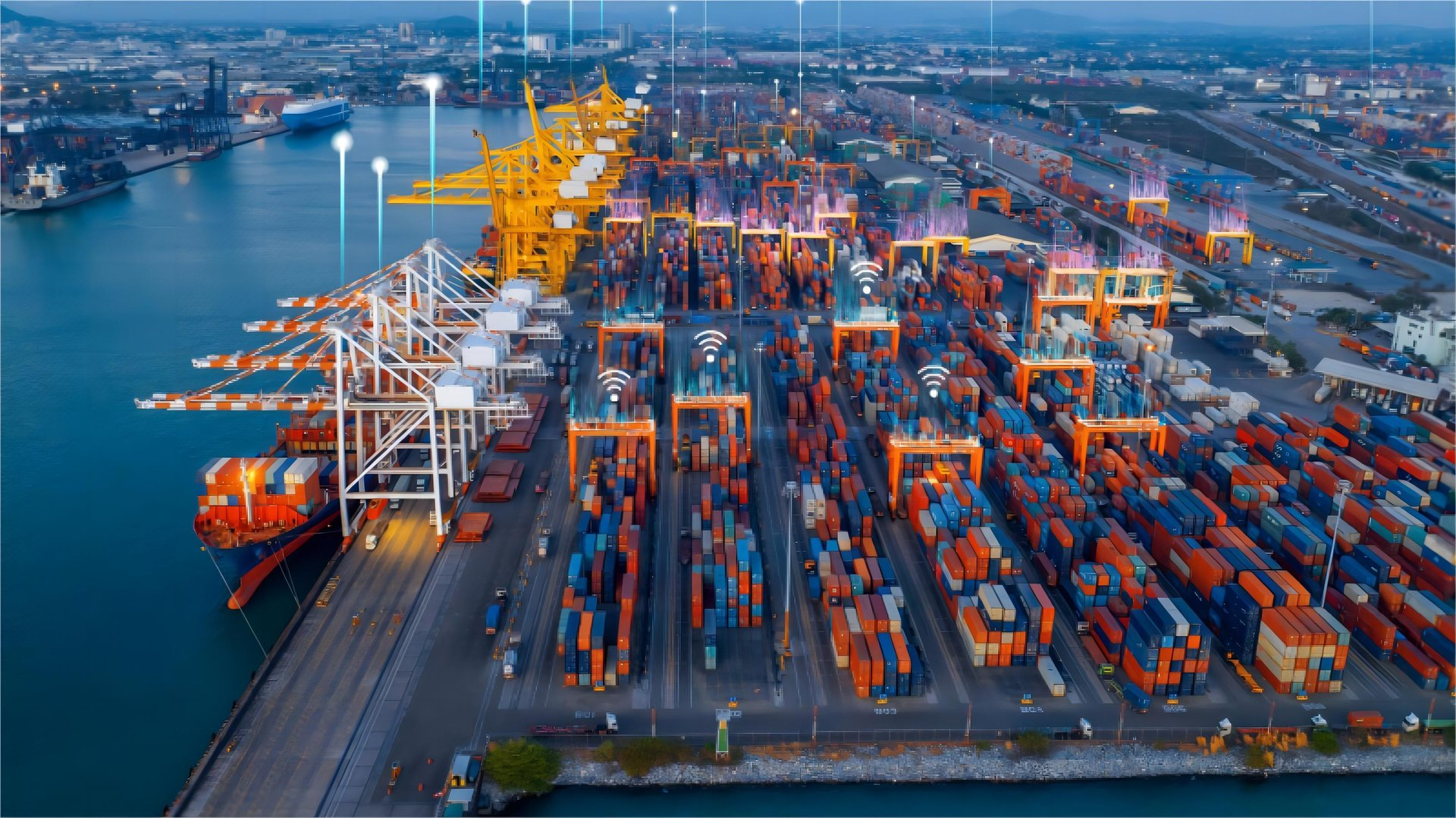
Case Study 1: Electronics Distribution to USA. An importer of smart home devices was struggling with high defect rates and fragmented shipping costs from four different factories in Shenzhen. By implementing a China warehouse service for importers, they consolidated all goods into 40HQ containers. As a result, they reduced their shipping costs by 22% and eliminated defective products before they reached the US market.
Route: Shenzhen to Los Angeles. Cargo: Smart Home Electronics, 65 CBM. Method: Sea Freight FCL. Total Landed Cost: $5,200 (excluding duties). Transit Time: 18 days. Key Insight: Consolidation and pre-shipment inspection saved approximately $12,000 in annual return costs.
Case Study 2: Fashion Apparel to Europe. A boutique clothing brand needed to manage seasonal collections with rapid turnover. They utilized a warehouse in Ningbo for pick-and-pack fulfillment, shipping directly to their European customers. Consequently, they reduced their local storage needs and improved delivery times by 30% during the Q4 peak season.
Route: Ningbo to Hamburg. Cargo: Apparel, 12 CBM. Method: LCL Sea Freight. Total Landed Cost: $2,100. Transit Time: 34 days. Key Insight: Using a China-based fulfillment model allowed for lower overhead and faster scaling during high-demand periods.
Market Context and 2026 Logistics Trends
As of early 2026, the logistics landscape in China has stabilized following the disruptions of previous years. Freight rates have leveled out, but capacity management remains a priority for major carriers. Therefore, securing warehouse space early is crucial for importers who want to avoid peak season surcharges and delays.
Automation is the most significant trend affecting China warehouse service for importers this year. Many facilities now use robotic sorting systems to improve accuracy and speed in the pick-and-pack process. Additionally, there is a growing emphasis on green logistics, with warehouses adopting solar energy and biodegradable packaging materials to meet global sustainability goals.
Importers should also stay informed about changing trade regulations and customs requirements. Working with a provider that offers integrated customs support can help navigate the complexities of international trade. In conclusion, staying adaptable and leveraging technology will be the keys to success in the 2026 shipping environment.
Final Thoughts on China Warehouse Services
In summary, a China warehouse service for importers is an indispensable tool for any business looking to scale their international operations. By providing a centralized hub for consolidation, inspection, and inventory management, these services offer a level of control that direct shipping cannot match. Consequently, importers can enjoy lower costs, higher product quality, and a more resilient supply chain.
As we move through 2026, the integration of technology and sustainable practices will continue to transform the warehousing industry. Staying ahead of these trends and choosing the right logistics partner will ensure your business remains competitive in the global marketplace. Start optimizing your cargo handling today to reap the long-term benefits of a professional warehousing strategy.
Get Your Shipping Quote Today
Streamline your supply chain today by partnering with a reliable china warehouse service for importers. Our team at China Freight World is ready to help you optimize your logistics and reduce your shipping costs. Visit our website to request a personalized quote and see how we can support your business growth in 2026. Send Inquiry:
Request Quote