
Sea Freight from China Commercial Shipping: 2026 Comprehensive Guide
Navigating the complexities of sea freight from china commercial shipping requires a strategic approach to manage costs and ensure timely delivery. Business owners often face challenges with fluctuating rates and port congestion, but China Freight World provides the expertise needed to streamline your global supply chain. This guide offers actionable insights into modern logistics strategies for the 2026 market.
✦
What Is Sea Freight from China Commercial Shipping?
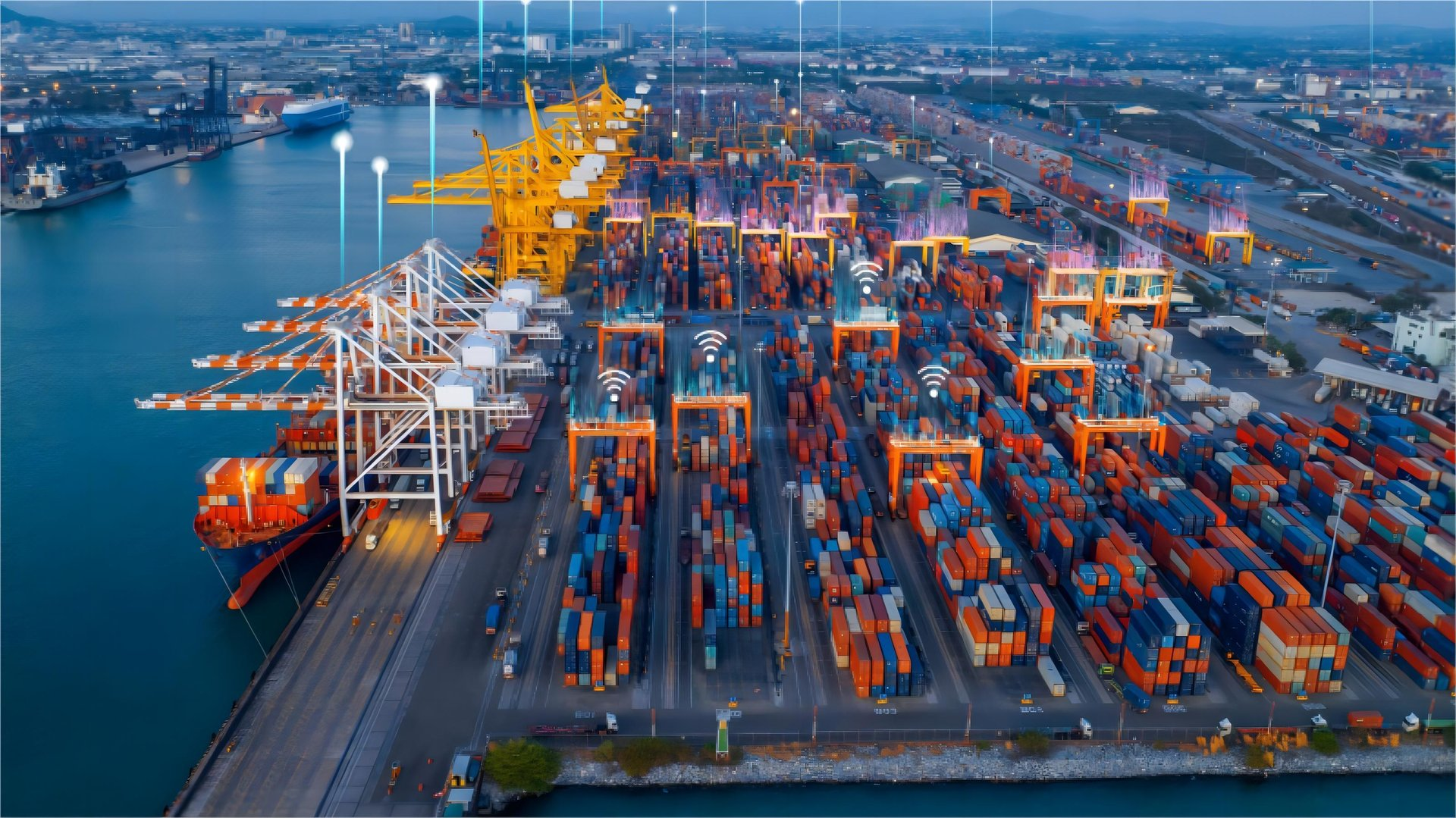
Sea freight remains the backbone of international trade, accounting for over eighty percent of global cargo movement. Specifically, sea freight from china commercial shipping involves transporting large volumes of goods via ocean vessels to international destinations.
Choosing sea freight is typically the most cost-effective method for shipping bulky or heavy items that do not require immediate delivery. Moreover, this method allows businesses to benefit from economies of scale by using standardized shipping containers.
Consequently, companies can choose between Full Container Load (FCL) and Less than Container Load (LCL) depending on their specific volume requirements. Therefore, understanding these options is essential for optimizing your logistics budget and meeting customer expectations.
How Does Sea Freight Compare to Other Shipping Options?
Evaluating different transport modes is crucial because each method offers unique advantages regarding speed and expenditure. While sea freight provides the lowest cost per unit, air freight remains the fastest option for time-sensitive inventory.
Additionally, rail freight has emerged as a viable middle ground for shipments to Europe, offering faster transit than sea at a lower price than air. Nevertheless, sea freight continues to dominate for high-volume commercial shipping due to its massive capacity and reliability.
Furthermore, hybrid solutions like sea-air combinations are gaining popularity in 2026 to balance costs and delivery speed. Notably, the following table compares the primary shipping methods available for routes originating in China.
| Shipping Method | Cost Range | Transit Time | Best For |
|---|---|---|---|
| Sea Freight | $1,500 – $6,000 | 14 – 45 Days | Bulk goods and large volumes |
| Air Freight | $5,000 – $25,000 | 3 – 7 Days | High-value or urgent cargo |
| Rail Freight | $3,000 – $8,000 | 18 – 25 Days | Mid-size shipments to Europe |
| Express | $500 – $2,000 | 2 – 5 Days | Small parcels and samples |
Which Option Should You Choose for Your Business?
Decision-making should prioritize your budget if you are moving non-perishable goods with flexible lead times. In this scenario, sea freight from china commercial shipping is almost always the superior choice for maximizing profit margins.
Conversely, if your supply chain depends on rapid inventory turnover, the higher cost of air freight might be justified. Many importers also consider North America routes where sea transit is particularly efficient for West Coast ports.
Ultimately, the volume threshold for switching from LCL to FCL usually occurs around 15 cubic meters. If your shipment exceeds this volume, booking a full 20-foot container often results in lower costs and reduced handling risks.
Understanding Transit Times and Major Chinese Ports
Transit times vary significantly based on the destination port and the specific shipping lane selected. For instance, shipping from Shanghai to Los Angeles typically takes 14 to 18 days, whereas routes to the East Coast require 30 to 35 days.
Major ports like Ningbo, Shenzhen, and Qingdao offer numerous weekly departures to global hubs. As a result, businesses can maintain a consistent delivery schedule by aligning their production cycles with vessel departures.
Meanwhile, port congestion in 2026 has stabilized, but seasonal peaks still occur during the late summer months. Accordingly, the table below outlines typical transit times for major international destinations from China.
| Destination | Major Port | Transit (Days) | Route Type |
|---|---|---|---|
| USA West Coast | Long Beach | 14 – 20 | Direct |
| USA East Coast | Savannah | 30 – 38 | Via Panama Canal |
| Europe | Rotterdam | 28 – 35 | Direct |
| Australia | Sydney | 12 – 18 | Direct |
Essential Customs Documentation and Compliance
Navigating the legal requirements of international trade is a complex but necessary part of the shipping process. Indeed, missing or incorrect paperwork can lead to expensive delays and potential fines at the port of entry.
Professional customs brokerage services ensure that all declarations comply with local regulations and tariff codes. Furthermore, importers must provide a Bill of Lading, Commercial Invoice, and Packing List for every shipment.
Specifically, the 2026 regulations require more detailed digital documentation to expedite the clearance process. Therefore, maintaining organized records is vital for a smooth sea freight from china commercial shipping experience.
| Document Name | Purpose | Required By | Digital Format |
|---|---|---|---|
| Bill of Lading | Title to goods | Carrier/Customs | Yes (eBL) |
| Commercial Invoice | Valuation for duties | Customs | Mandatory |
| Packing List | Cargo verification | Warehouse/Customs | Mandatory |
| Certificate of Origin | Tariff eligibility | Customs | Recommended |
Real-World Case Studies in Commercial Shipping
Examining real-world scenarios helps businesses anticipate potential costs and timelines for their own operations. Because market conditions fluctuate, these examples provide a snapshot of the current 2026 logistics landscape.
Case Study 1: Electronics from Shenzhen to Hamburg. A German retailer imported 25 CBM of consumer electronics via LCL. The ocean freight cost was $1,950, with a total door-to-door timeline of 42 days, including 33 days of sea transit.
Case Study 2: Furniture from Ningbo to Long Beach. A US wholesaler utilized a 40HQ container for outdoor furniture. Based on Q1 2026 rates, the ocean freight was $3,400, and the shipment arrived at the warehouse in 22 days.
Case Study 3: Industrial Parts from Shanghai to Sydney. Using door to door service, an Australian manufacturer shipped a 20GP container. The total landed cost was $2,800, successfully clearing customs in just 2 days upon arrival.

Effective Strategies for Reducing Shipping Costs
Reducing your logistics spend requires proactive planning and a deep understanding of freight market trends. For example, booking shipments at least three weeks in advance can help you secure lower rates before vessel capacity tightens.
Additionally, consolidating multiple small orders into a single FCL shipment significantly reduces the cost per cubic meter. Although this requires more coordination with suppliers, the long-term savings are substantial for regular importers.
Many companies also find success by shipping to Europe through less congested ports to avoid surcharges. Consequently, diversifying your entry points can protect your supply chain from localized disruptions.
Current Market Trends and 2026 Outlook
According to industry benchmarks, sea freight from china commercial shipping has entered a period of relative price stability in early 2026. Nevertheless, fuel surcharges remain a variable factor that importers must monitor closely throughout the year.
Logistics trends suggest a significant shift toward green shipping corridors, with carriers investing in LNG-powered vessels to meet sustainability goals. Indeed, businesses that prioritize eco-friendly shipping may benefit from faster processing and tax incentives in certain regions.
Meanwhile, digital freight platforms are making it easier for small businesses to access real-time tracking and transparent pricing. Thus, staying informed about these technological advancements is key to maintaining a competitive edge in global trade.
Mastering Your Global Logistics Strategy
Successfully managing sea freight from china commercial shipping involves balancing cost, speed, and reliability. By understanding the nuances of FCL and LCL, and leveraging professional customs brokerage, businesses can overcome the hurdles of international trade.
As we move through 2026, staying adaptable to market trends and utilizing data-driven insights will be essential. Ultimately, partnering with a reliable freight forwarder ensures that your cargo reaches its destination safely and efficiently, supporting your long-term growth.