
Door to Door Shipping China for Importers: 2026 Guide
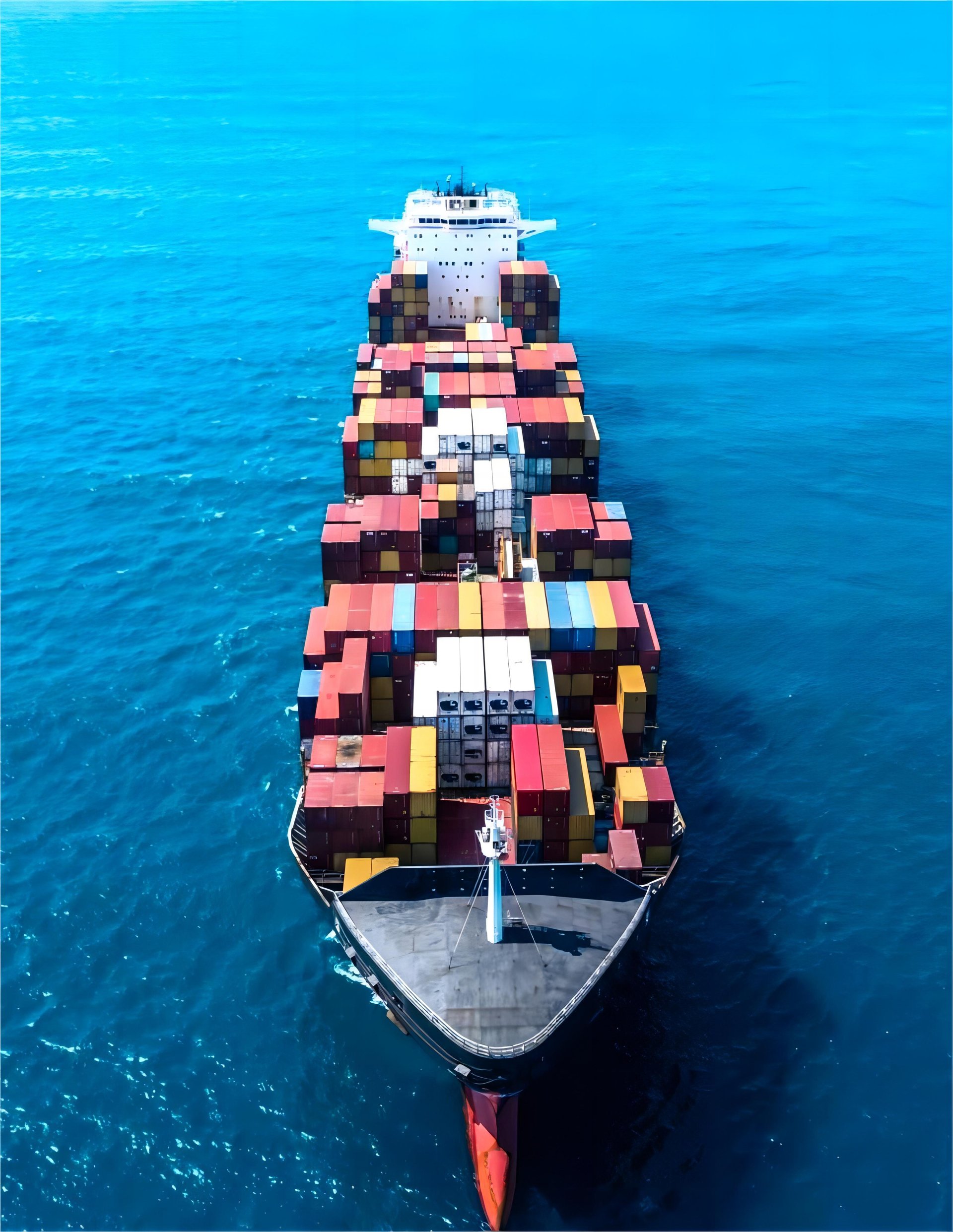
Door to door shipping china for importers has become the definitive solution for businesses seeking to streamline their global supply chains in 2026. Navigating the complexities of international trade requires a reliable logistics partner like China Freight World to manage the entire journey from the manufacturer to the final destination. This comprehensive guide provides the essential insights needed to optimize your shipping strategy and reduce overhead costs effectively.
What is Door to Door Shipping China for Importers?
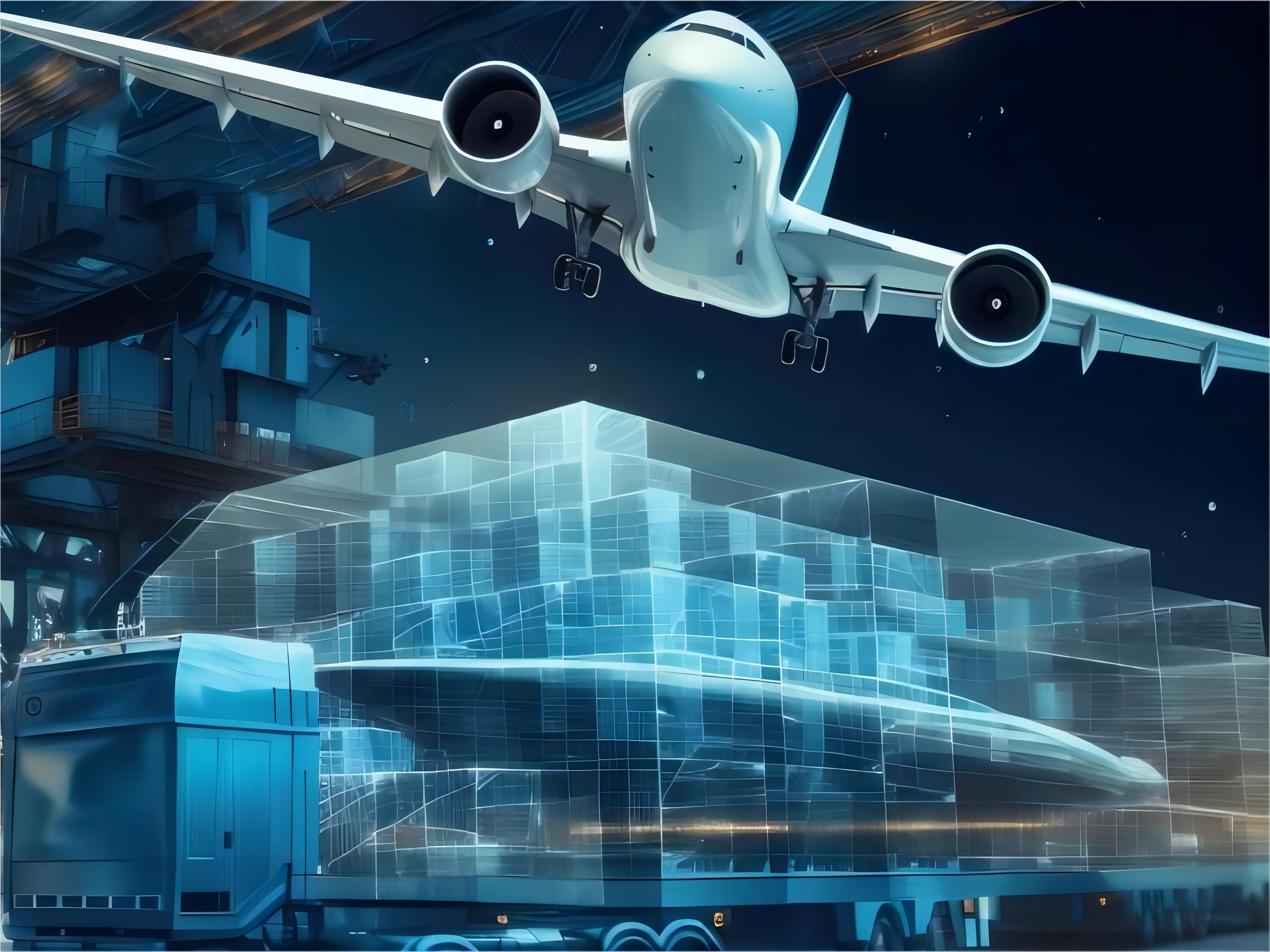
Door to door shipping china for importers is a comprehensive logistics service where the freight forwarder handles every aspect of the transport process. Initially, the service begins at the supplier’s warehouse in China and concludes at the importer’s specified delivery address.
Furthermore, this model eliminates the need for importers to coordinate with multiple carriers, customs brokers, and local trucking companies. Consequently, businesses can focus on their core operations while logistics experts manage the intricacies of international movement and documentation.
Importers often choose this method because it provides a single point of contact and predictable pricing structures. Specifically, it encompasses pickup, export clearance, international freight, import clearance, and final mile delivery into one seamless package.
The Primary Benefits of Using Door to Door Services
Efficiency serves as the primary driver for selecting door to door solutions in today’s fast-paced market. Because the forwarder manages the entire chain, there are fewer risks of communication breakdowns between different service providers during transit.
Additionally, this service significantly reduces the administrative burden on your internal team by centralizing all tracking and billing. Therefore, you receive a single invoice that covers all costs from the origin factory to your doorstep.
Moreover, professional freight forwarders leverage their established networks to secure better rates and more reliable transit windows. Indeed, having a dedicated team handle the hand-offs between sea, rail, and road ensures that cargo moves without unnecessary delays.
Comparing Shipping Methods for Importers
Selecting the right transport mode depends heavily on your budget, cargo volume, and required delivery speed. While sea freight remains the most economical choice for large volumes, it requires longer lead times.
On the other hand, air freight offers unparalleled speed for high-value or time-sensitive shipments. Importers must weigh the higher costs against the benefits of faster inventory turnover and improved customer satisfaction.
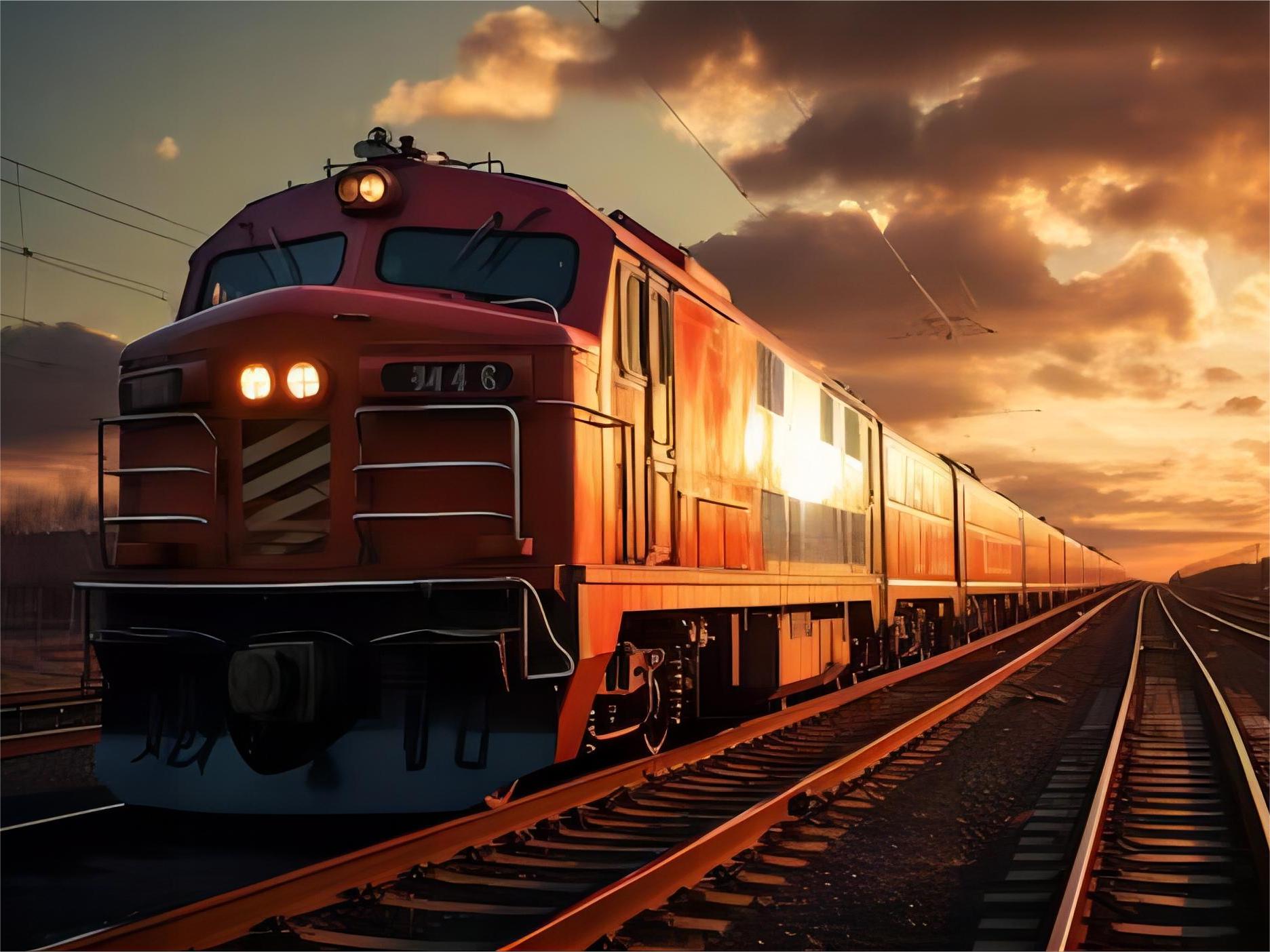
Meanwhile, rail freight has emerged as a middle-ground alternative for shipments destined for Europe, offering a balance of cost and speed. Nevertheless, each method has specific documentation and handling requirements that importers must understand.
Comparison of Shipping Methods from China (2026 Estimates)
| Method | Avg. Cost | Transit Time | Best For |
|---|---|---|---|
| Air Freight | $4.50 – $8.00/kg | 3 – 7 Days | High Value Goods |
| Sea Freight (FCL) | $3,000 – $5,500 | 25 – 40 Days | Bulk Shipments |
| Rail Freight | $150 – $250/CBM | 18 – 25 Days | Mid-size Cargo |
| Express Service | $7.00 – $12.00/kg | 2 – 5 Days | Small Samples |
Understanding Customs Clearance for Importers
Navigating the legal requirements of international trade is often the most challenging aspect of the shipping process. Utilizing a professional customs brokerage ensures that your goods comply with all local regulations and tariff classifications.
Moreover, accurate documentation is vital to avoid costly penalties and shipment seizures at the border. Consequently, importers should verify that their commercial invoices, packing lists, and certificates of origin are perfectly aligned before the cargo departs.
Typically, the door to door service includes the management of duties and taxes under DDP (Delivered Duty Paid) terms. As a result, the importer does not have to worry about unexpected payments upon the arrival of the goods at the destination port.
How Door to Door Shipping China for Importers Compares to Other Options
Comparing different logistics models is essential for identifying the most cost-effective strategy for your business. While port-to-port shipping might appear cheaper on the surface, it often hides additional costs related to local handling and inland transport.
For instance, managing your own last-mile delivery requires coordinating with local carriers and potentially paying higher spot rates. In contrast, an integrated door to door service uses pre-negotiated contracts to keep these final costs manageable.
Indeed, the total landed cost is often lower when using an end-to-end provider due to the elimination of multiple service margins. Therefore, importers should look beyond the initial freight quote and consider the entire journey’s expense.
Door to Door vs. Alternative Shipping Strategies
| Method | Cost Range | Best For | Limitations |
|---|---|---|---|
| Door to Door | Moderate – High | Hands-off Importers | Higher Base Quote |
| Port to Port | Low – Moderate | Large Enterprises | Complex Management |
| FOB Shipping | Variable | Experienced Buyers | Supplier Risk |
| EXW Shipping | Variable | Full Control | Maximum Liability |
Decision Framework: Which Option Should You Choose?
Budget priority typically points importers toward sea freight LCL or FCL options combined with door-to-door delivery. If your primary goal is to minimize expenditure, planning your inventory cycles around 40-day transit times is the most effective strategy.
Speed priority necessitates the use of air cargo or premium express services to meet tight deadlines. For example, seasonal product launches or urgent replacement parts require the rapid turnaround that only air transport can provide.
Cargo type considerations also play a significant role in the decision-making process. Fragile or hazardous materials may require specialized handling that is only available through specific carriers or specialized door-to-door service tiers.

Real Case Studies for 2026 Shipments
Case Study 1: Electronics Distribution to North America. Route: Shenzhen to Los Angeles. Cargo: Consumer Electronics, 68 CBM, 12,000 kg. Container: 40HQ. Shipping Details: Direct sea freight via major carrier. Cost Breakdown: Ocean Freight $3,400, Origin Charges $450, Destination Charges $600, Customs and Duties $1,200. Total Landed Cost: $5,650. Timeline: 18 days total door-to-door. Key Insight: Early booking during Q1 2026 avoided the mid-year rate hikes.
Case Study 2: Textile Import to Europe. Route: Ningbo to Hamburg. Cargo: Apparel, 8 CBM, 1,500 kg. Container: LCL. Shipping Details: Sea-Rail hybrid via Silk Road. Cost Breakdown: Freight $950, Documentation $200, Local Delivery $350, Duties $400. Total Landed Cost: $1,900. Timeline: 24 days total door-to-door. Key Insight: Rail provided a faster alternative to sea without the extreme cost of air freight.
Case Study 3: Furniture Retail to Australia. Route: Shanghai to Sydney. Cargo: Home Furniture, 28 CBM, 4,500 kg. Container: 20GP. Shipping Details: Direct sea freight. Cost Breakdown: Ocean Freight $1,150, Origin Charges $300, Destination Charges $500, Duties $650. Total Landed Cost: $2,600. Timeline: 16 days total door-to-door. Key Insight: Utilizing a specialized door to door service prevented damage during the final mile delivery phase.
Logistics for Amazon FBA Importers
Managing Amazon FBA shipments requires strict adherence to labeling and palletization standards. Door to door shipping china for importers who sell on Amazon includes the critical step of ensuring the cargo meets all fulfillment center requirements.
Furthermore, specialized forwarders can provide prep services in China to reduce costs compared to US or European based prep centers. Consequently, your goods arrive at the Amazon warehouse ready for immediate check-in and sale.
Importers must also account for the specific appointment scheduling required by Amazon for truckload deliveries. Therefore, working with a logistics provider who understands the Carrier Central system is vital for avoiding missed delivery windows and additional storage fees.
Market Context and 2026 Shipping Trends
As of Q1 2026, freight rates from China have stabilized following the logistical adjustments of the previous year. Market data suggests that while fuel costs remain a factor, carrier capacity has reached a healthy equilibrium that benefits consistent importers.
Regarding seasonal patterns, rates typically increase by 15-25% during the August to October peak season. Accordingly, savvy importers are increasingly utilizing data-driven forecasting to secure their space months in advance.
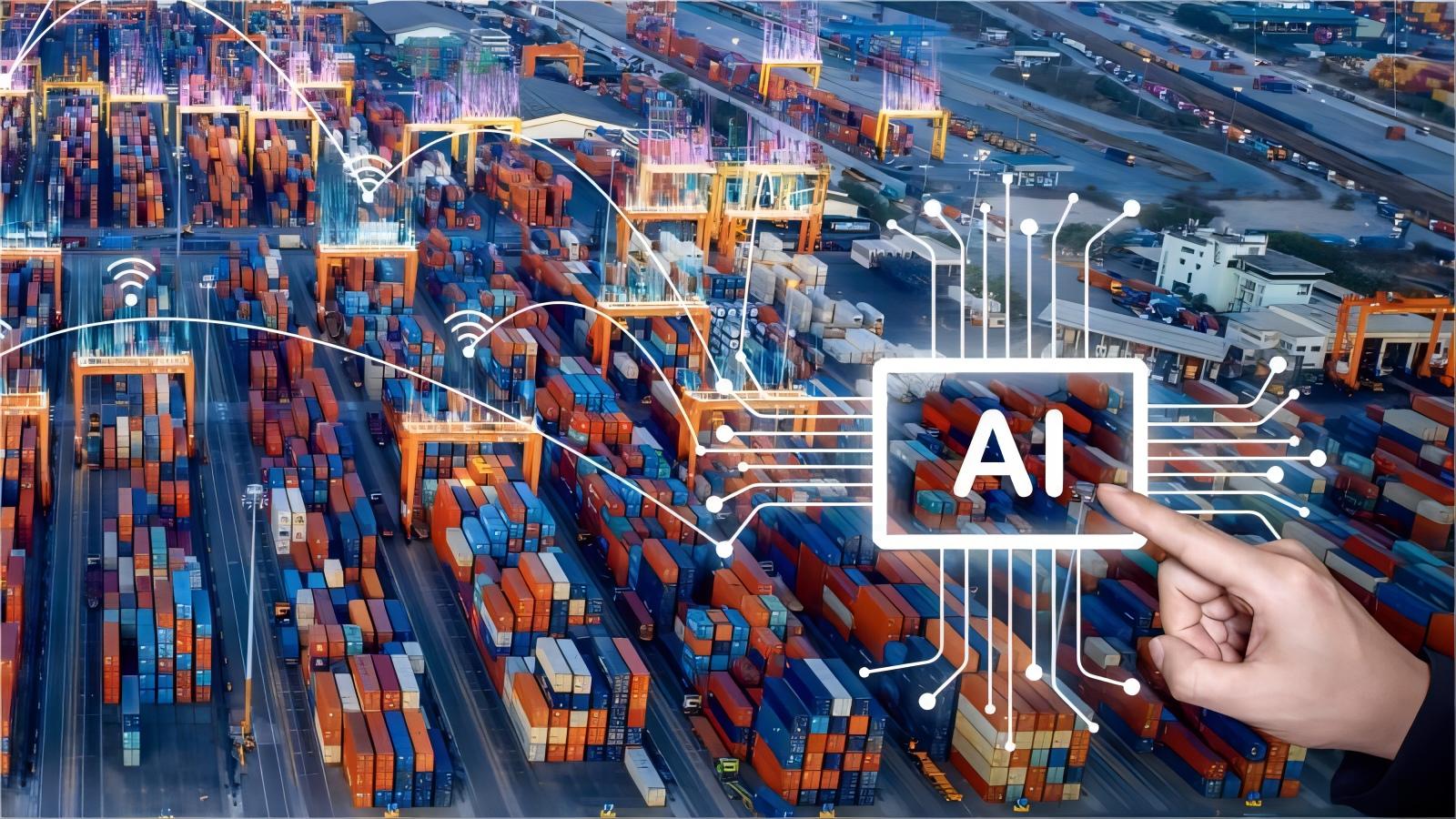
Notably, the integration of AI-driven tracking has improved visibility for door to door shipping china for importers. Today, you can monitor your shipment’s progress in real-time, providing greater certainty for your inventory management and sales planning.
Final Thoughts on Door to Door Logistics
Mastering door to door shipping china for importers is the most effective way to ensure a resilient and efficient supply chain in 2026. By consolidating all logistics tasks into a single service, you reduce risk, save time, and gain better control over your total landed costs.
Whether you are shipping small LCL batches or full containers, the benefits of professional management cannot be overstated. Transitioning to an integrated model allows your business to scale more rapidly by removing the friction of international transport.
Ultimately, the success of your import business depends on the reliability of your logistics partner. Choose a provider that offers transparency, expertise, and a commitment to your long-term growth in the global marketplace.
Need a tailored shipping solution?
Streamline your supply chain today with professional door to door shipping china for importers. Contact the team at China Freight World to receive a customized quote and expert guidance for your next shipment from China. Send Inquiry to get started with our 2026 logistics solutions.