China Shipping Quote Shipping Time: 2026 Logistics Guide
“Obtaining a precise china shipping quote shipping time remains a top priority for global importers navigating the complexities of 2026 supply chains. Businesses must balance speed and cost effectively to maintain a competitive edge in today fast-paced market. Visit China Freight World to streamline your international logistics and receive tailored solutions for your cargo needs.”
✦What Should Buyers Know First About China Shipping Quote?
Several variables determine the final delivery schedule and pricing for any shipment leaving Chinese ports. For instance, the distance between the origin city and the destination port plays a fundamental role in the baseline transit duration.
Moreover, port congestion levels in major hubs like Shanghai or Shenzhen can significantly delay the loading process. Consequently, shippers must account for potential seasonal bottlenecks that occur during the peak holiday periods.
Furthermore, the choice of equipment and container availability impacts how quickly a carrier can confirm your booking. Indeed, 2026 market data suggests that equipment shortages are less frequent than in previous years but still occur during high-demand months.
Additionally, the efficiency of your chosen freight forwarder in handling documentation can either accelerate or stall the entire operation. Therefore, selecting a partner with local expertise is vital for maintaining a consistent delivery schedule.
How Do Routing and Gateway Choices Affect This Lane?
Understanding the components of a freight estimate allows you to identify hidden delays before they occur. Typically, a comprehensive quote includes the estimated time of departure and the anticipated arrival at the destination port.
In addition, you should distinguish between port-to-port transit and door-to-door delivery timelines. While the ocean voyage might take twenty days, local trucking and customs clearance can add another week to the total duration.
Specifically, many importers overlook the time required for inland haulage from the factory to the loading terminal. As a result, the total lead time is often longer than the carrier’s advertised transit window.
To illustrate the differences in logistics performance, consider the following comparison of primary transport modes available for international trade.
| Shipping Method | Average Cost | Transit Time | Main Benefit |
|---|---|---|---|
| Sea Freight | $1,500 – $4,500 | 14 – 40 Days | Highest Capacity |
| Air Freight | $5.00 – $12.00/kg | 3 – 7 Days | Maximum Speed |
| Rail Freight | $3,000 – $6,000 | 18 – 25 Days | Balanced Cost |
| Express | $8.00 – $15.00/kg | 2 – 5 Days | Door Delivery |
Evaluating Sea Freight for Large Scale Shipments
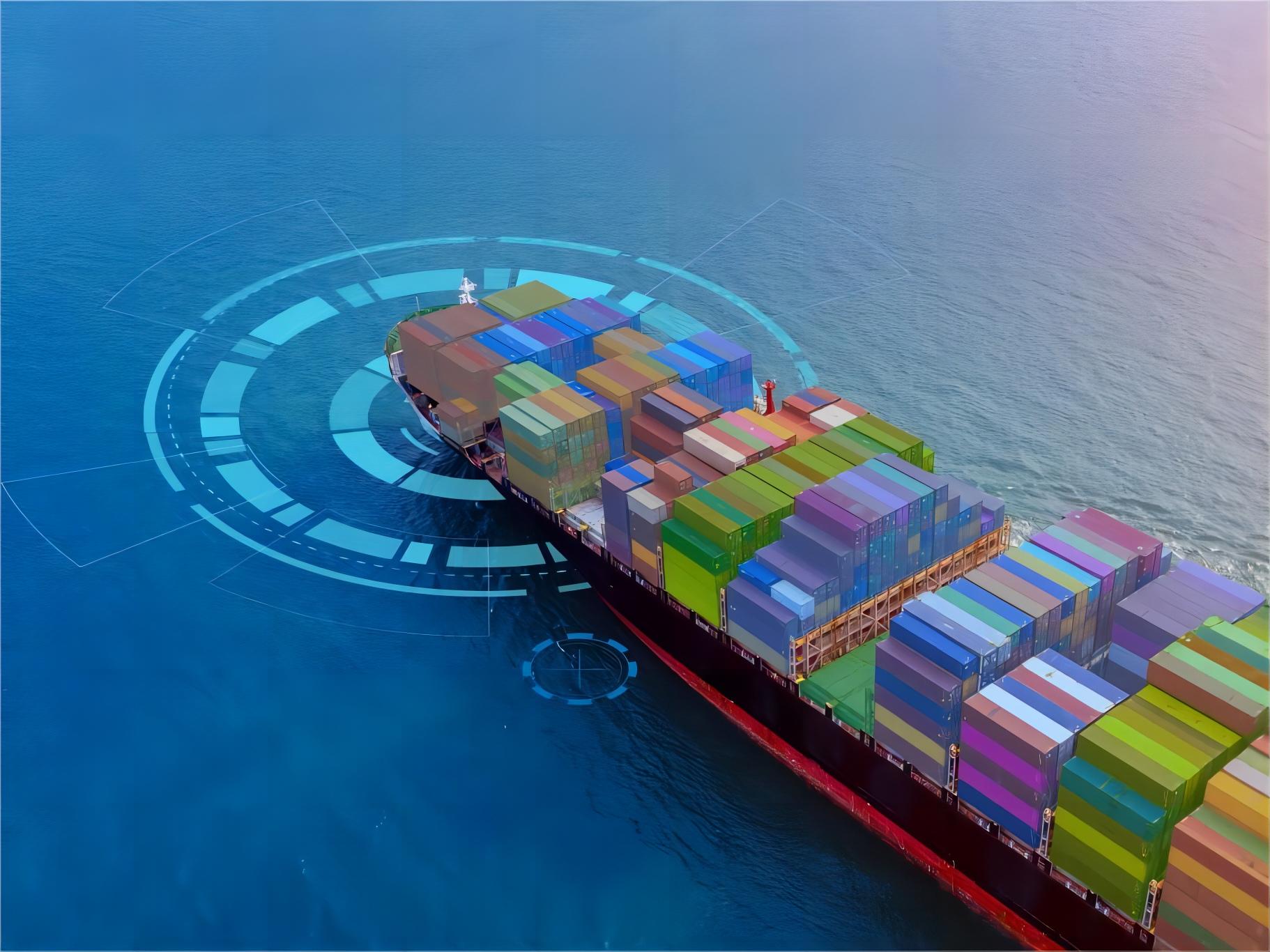
Choosing sea freight remains the most economical strategy for moving high volumes of goods across the ocean. This method accommodates both Full Container Load and Less than Container Load shipments depending on your specific volume requirements.
On the other hand, sea transit is the slowest option and requires careful planning to avoid inventory stockouts. Nevertheless, the low cost per unit makes it the preferred choice for bulk commodities and heavy machinery in 2026.
Meanwhile, technological advancements in vessel tracking now provide more transparency during the long voyage. Shippers can monitor their containers in real-time, allowing for better coordination with warehouse teams at the destination.
Note: Freight rates are subject to change based on fuel costs, carrier capacity, and seasonal demand. Contact us for a current quote tailored to your specific shipment.
Why Air Freight is Essential for Urgent Cargo
Utilizing air freight is the most effective way to meet tight deadlines or transport high-value electronics. Because aircraft move significantly faster than ships, businesses can reduce their lead times from weeks to just a few days.
However, the cost of air transport is considerably higher and is calculated based on either actual weight or volumetric weight. Consequently, this method is usually reserved for perishable goods, medical supplies, or urgent product launches.
Furthermore, air cargo schedules are generally more frequent and reliable than ocean departures. This reliability helps companies maintain lean inventory levels and respond quickly to sudden changes in market demand.
Despite the higher expense, the reduction in insurance premiums and warehousing costs can sometimes offset the initial freight price. Therefore, it is important to analyze the total landed cost rather than just the shipping fee.
How Does Sea Freight Compare to Other Shipping Options?
Analyzing the trade-offs between different logistics modes is crucial for optimizing your supply chain budget. While sea freight offers the lowest price, it lacks the agility required for time-sensitive retail environments.
In contrast, hybrid solutions like sea-air or rail-sea services have gained popularity in 2026 as a middle-ground strategy. These options provide a compromise between the extreme speed of planes and the slow pace of ships.
Without a doubt, the decision depends on your specific cargo type, budget constraints, and delivery requirements. For example, a shipment of seasonal clothing might require faster rail transit, whereas raw materials can afford a longer sea voyage.
The following table provides an objective analysis of all viable alternatives for the China export route based on early 2026 market intelligence.
| Method | Cost Range | Transit Time | Limitations |
|---|---|---|---|
| Sea FCL | Low | 25-40 Days | Slow Speed |
| Air Cargo | Very High | 3-7 Days | Weight Limits |
| Rail Freight | Medium | 18-25 Days | Land Routes Only |
| Sea-Air | Mid-High | 12-18 Days | Complex Transit |
Strategic Advantages of Rail Freight to Europe
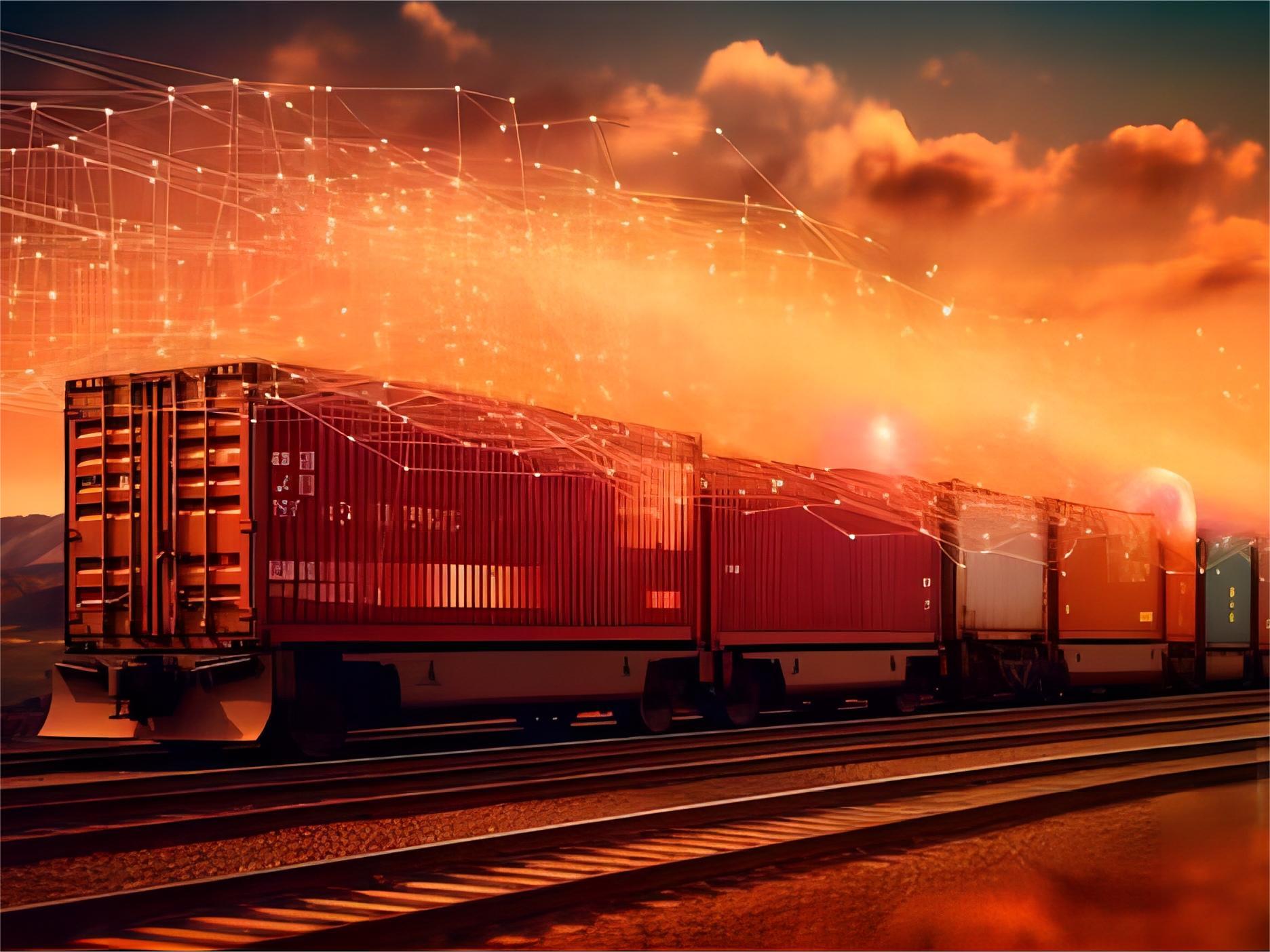
Implementing rail freight provides a unique advantage for businesses shipping from China to European destinations. This mode is faster than the ocean and significantly cheaper than air, making it an ideal choice for the mid-market segment.
Additionally, rail transport is considered more environmentally friendly than air cargo, aligning with modern sustainability goals. Many corporations are now shifting their logistics strategy to include rail as a way to reduce their carbon footprint.
Notably, the trans-Eurasian rail network has seen improved infrastructure and faster border crossings in recent years. As a result, transit times have become more predictable, even during periods of maritime instability.
Nevertheless, rail is not a viable option for island nations like Australia or North American routes. For those regions, sea and air remain the only primary choices for international transport.

Simplifying Logistics with Door to Door Services
Choosing door to door shipping removes the burden of managing multiple logistics providers. This comprehensive service covers everything from the initial factory pickup to the final delivery at your warehouse.
Moreover, this approach often includes all customs duties and taxes, providing a clear and final price upfront. Indeed, many small to medium-sized enterprises prefer this ‘hands-off’ model to avoid the complexities of international trade regulations.
Consequently, the provider takes full responsibility for the cargo throughout its entire journey. This centralized accountability reduces the risk of communication errors and ensures that the china shipping quote shipping time remains accurate.
Furthermore, integrated tracking systems allow you to see the exact status of your goods at every stage. Whether the cargo is on a truck, a ship, or in a customs warehouse, you stay informed without needing to contact multiple agents.
Which Option Should You Choose? Decision Framework
Determining the best shipping method requires a clear understanding of your business priorities and cargo characteristics. If your primary goal is cost reduction and you have a flexible timeline, sea freight is undoubtedly the best selection.
Alternatively, if you are dealing with high-value goods that need to reach the market immediately, air freight is the necessary choice. For shipments to Europe that require a balance of speed and cost, rail freight often serves as the most logical alternative.
Specifically, consider the volume of your cargo before making a final decision. Shipments larger than 15 cubic meters are typically more cost-effective when sent via a full container, whereas smaller loads benefit from LCL or express services.
Ultimately, you should consult with a professional freight forwarder to evaluate the current market conditions. They can provide real-time data on port congestion and carrier availability to help you make an informed choice.
Real-World Logistics Case Studies (2026 Data)
Case Study 1: Electronics to Los Angeles. Route: Shenzhen to Long Beach. Cargo: 1,200kg High-end laptops. Container: LCL 5 CBM. Shipping Method: Sea Freight. Ocean Freight: $850. Total Landed Cost: $1,450. Sea Transit: 16 days. Total Door-to-Door: 24 days. Key Insight: Choosing a direct route saved 5 days compared to transshipment.
Case Study 2: Auto Parts to Hamburg. Route: Ningbo to Hamburg. Cargo: 15,000kg Engine components. Container: 40GP. Shipping Method: Rail Freight. Rail Freight: $4,800. Total Landed Cost: $6,200. Rail Transit: 22 days. Total Door-to-Door: 30 days. Key Insight: Rail provided a 15-day advantage over sea freight at a manageable cost increase.
Case Study 3: Fashion Apparel to Sydney. Route: Guangzhou to Sydney. Cargo: 200kg Designer clothing. Container: Air Cargo. Shipping Method: Air Freight. Air Freight: $1,800. Total Landed Cost: $2,100. Air Transit: 4 days. Total Door-to-Door: 7 days. Key Insight: Air freight was essential to meet the seasonal launch deadline for the Australian market.
The Role of Customs Brokerage in Delivery Times
Professional customs brokerage is a critical component of any international shipping strategy. Without proper clearance, even the fastest transport method will face significant delays at the border.
In addition, customs regulations are constantly evolving, requiring expert knowledge to ensure full compliance. A single error in documentation can lead to expensive fines and the seizure of your goods by authorities.
Therefore, working with an experienced broker helps you navigate the complexities of tariffs, duties, and import restrictions. They act as a liaison between your business and the government, ensuring that your cargo moves through the port without unnecessary pauses.
Moreover, an efficient broker can often pre-clear shipments before they even arrive at the destination. This proactive approach significantly reduces the china shipping quote shipping time by allowing for immediate trucking once the vessel is unloaded.
Mastering Your 2026 Logistics Strategy
In summary, understanding the nuances of a china shipping quote shipping time is the first step toward building a resilient global supply chain. By comparing different transport modes and considering factors like port congestion and customs efficiency, you can make smarter logistics decisions.
Whether you choose the speed of air freight or the cost-efficiency of sea freight, the key is to plan ahead and work with reliable partners. As the market continues to evolve in 2026, staying informed about the latest trends and rates will ensure your business remains profitable and agile.
Indeed, the right shipping strategy does more than just move goods; it provides a foundation for growth and customer satisfaction. Take the time to evaluate your options and select the service that best aligns with your long-term business objectives.