
Bulk Cargo Shipping from China Factory Pickup: The Complete Guide
Managing global supply chains effectively starts with mastering bulk cargo shipping from china factory pickup. China Freight World offers specialized solutions designed to simplify the transition from the manufacturing floor to your final warehouse destination. By coordinating factory collection with international transit, businesses can significantly reduce lead times and operational overhead. This comprehensive guide explores how to navigate the complexities of factory pickup, customs, and global transport.
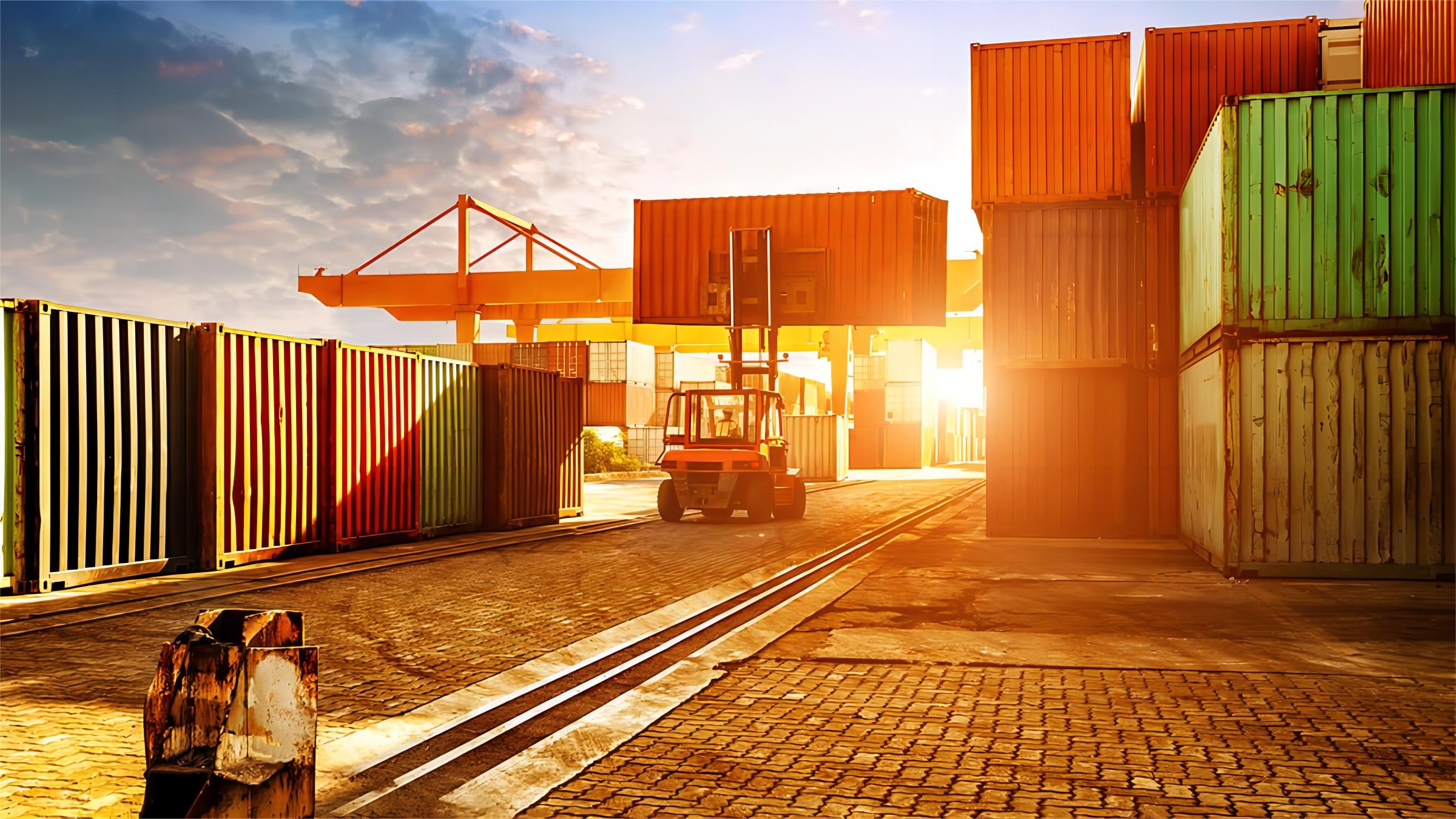
What is Bulk Cargo Shipping from China Factory Pickup?
This logistics model involves a freight forwarder collecting goods directly from the supplier’s location instead of waiting for the factory to deliver to a port. Consequently, importers gain more control over the initial stages of the supply chain and reduce the risk of miscommunication.
Professional forwarders coordinate with the factory manager to arrange the appropriate vehicle for collection. Moreover, this approach eliminates the need for the manufacturer to handle complex export logistics, which they may not be equipped to manage efficiently.
Choosing this method ensures that your cargo handling remains consistent from the moment it leaves the production line. Indeed, it provides a seamless link between the manufacturing process and international transport.
Benefits of Professional Factory Pickup Services
Integrated factory pickup services provide a single point of accountability for your entire shipment. Furthermore, it minimizes the risk of damage during multiple transfers between local warehouses and consolidation centers.
Most businesses find that this streamlined approach improves overall delivery schedules by removing unnecessary delays at the origin. Additionally, it allows for better communication between the logistics provider and the production manager regarding cargo readiness.
Reliable pickup services also help in managing heavy or oversized items that require specialized loading equipment. Therefore, you can rest assured that your high-value bulk cargo is handled with the necessary expertise from the very start.
Comparing Shipping Methods for Bulk Cargo
Selecting the appropriate mode of transport depends heavily on your budget, cargo volume, and urgency. For instance, sea freight remains the most cost-effective choice for large-scale bulk shipments.
On the other hand, air transport offers unmatched speed for time-sensitive inventory that needs to reach markets quickly. Meanwhile, rail options provide a middle ground for shipments traveling to land-locked regions or across Eurasia.
Each method has its own set of advantages and limitations regarding weight capacity and transit times. Consequently, understanding these differences is crucial for optimizing your shipping costs and meeting customer demands.
| Sea Freight | Low | 25-45 Days | Large volumes, Heavy goods |
| Air Freight | High | 3-7 Days | Urgent, High-value items |
| Rail Freight | Medium | 15-22 Days | Inland Europe destinations |
| Express | Very High | 2-5 Days | Small samples, Documents |

How Does Sea Freight Compare to Other Shipping Options?
Sea freight is the backbone of global trade due to its massive capacity and relatively low cost per unit. While air freight might cost five times more, it reduces transit time from weeks to just a few days.
In contrast, rail freight offers a sustainable alternative for shipments to Europe, balancing speed and price. Nevertheless, sea freight remains the dominant choice for bulk cargo shipping from china factory pickup because it accommodates oversized containers easily.
Direct shipping routes are often more expensive but save significant time compared to transshipment options. Accordingly, you must weigh the importance of speed against your available logistics budget when selecting a route.
| Sea FCL | $2,000-$5,000 | 14-40 Days | Port congestion risks |
| Sea LCL | $50-$150/CBM | 20-45 Days | Higher damage risk |
| Air Cargo | $4.50-$9.00/kg | 5-10 Days | Strict weight limits |
| Rail Freight | $120-$200/CBM | 18-25 Days | Limited to Eurasia |
Streamlining Door to Door Logistics
Implementing a door to door service removes the burden of local transport from the importer. This comprehensive solution covers everything from the initial factory pickup to the final delivery at your specified warehouse.
Consequently, you can focus on core business activities while logistics experts handle the complex movement of goods. Moreover, this service typically includes all necessary port and terminal handling fees, providing a more predictable total landed cost.
Without a doubt, door-to-door solutions offer the highest level of convenience for companies managing bulk cargo shipping from china factory pickup. It ensures that the transition between different modes of transport is handled smoothly by a single provider.
Navigating Customs and Brokerage Requirements
Accurate documentation is essential to avoid costly delays during the import and export process. Utilizing a professional customs brokerage ensures that all paperwork complies with current international regulations.
Therefore, your bulk cargo shipping from china factory pickup remains on schedule without unexpected legal hurdles at the border. Proper classification of goods using Harmonized System (HS) codes also helps in calculating precise duties and taxes.
Indeed, a knowledgeable broker can identify potential duty savings or trade agreements that benefit your bottom line. They act as a vital intermediary between your business and government customs authorities.
Regional Shipping Insights for North America
Logistics routes to North America often involve major hubs like Los Angeles, Long Beach, or Savannah. Transit times vary significantly depending on whether you choose West Coast or East Coast discharge ports.
Shipping companies frequently adjust their schedules based on seasonal demand and potential port labor issues. Accordingly, planning your bulk cargo shipping from china factory pickup well in advance is highly recommended to secure space.
Furthermore, intermodal transport options allow for efficient delivery to inland cities via rail or truck once the cargo arrives at the port. This ensures your products reach their final destination regardless of geographic location.
Case Studies: Real-World Shipping Success
Case Study 1: Industrial Machinery to Houston
Route: Shenzhen, China to Houston, USA. Cargo: Industrial Pumps, 28 CBM, 12,000 kg. Container: 40GP. Carrier: COSCO. Port of Loading: Shenzhen. Port of Discharge: Houston. Route Type: Direct via Panama Canal.
Cost Breakdown: Ocean Freight: $3,800. Origin Charges: $450. Destination Charges: $600. Customs and Duties: $1,200. Total Landed Cost: $6,050. Timeline: Booking to Loading: 4 days. Sea Transit: 32 days. Total Door-to-Door: 42 days.
Key Insight: Based on early 2024 market rates, using a direct route avoided transshipment delays in Southeast Asia, ensuring the machinery arrived in time for the client’s project launch.
Case Study 2: Consumer Electronics to Rotterdam
Route: Ningbo, China to Rotterdam, Netherlands. Cargo: Electronic Accessories, 15 CBM, 4,500 kg. Container: LCL. Carrier: Maersk. Port of Loading: Ningbo. Port of Discharge: Rotterdam. Route Type: Direct.
Cost Breakdown: Ocean Freight: $1,350. Origin Charges: $300. Destination Charges: $400. Customs and Duties: $950. Total Landed Cost: $3,000. Timeline: Booking to Loading: 3 days. Sea Transit: 35 days. Total Door-to-Door: 45 days.
Key Insight: Typical rates as of late 2023 showed that LCL was more economical than a 20GP for this volume, despite the longer consolidation time required at the origin.

Which Shipping Option Should You Choose?
If your primary goal is cost reduction for non-urgent goods, sea freight is the clear winner for bulk cargo. However, if you need to restock inventory quickly to meet a market surge, air freight is the necessary choice despite the higher expense.
For large shipments that are not time-critical, FCL (Full Container Load) provides the best security and price per cubic meter. Businesses with smaller volumes should consider LCL (Less than Container Load) to share container costs with other shippers.
Hybrid solutions like sea-air can also be explored to balance speed and budget. Ultimately, the best choice depends on your specific supply chain requirements and the nature of your products.
| Budget | Sea Freight (FCL) | > 15 CBM | Lowest unit cost |
| Speed | Air Freight | Any | Fastest delivery |
| Small Volume | Sea Freight (LCL) | < 15 CBM | Pay only for space used |
| Inland Reach | Rail Freight | > 10 CBM | Reliable land route |
Mastering Your Bulk Cargo Logistics
Successfully managing bulk cargo shipping from china factory pickup requires a combination of strategic planning and reliable partnerships. By choosing the right transport mode and ensuring professional handling from the origin, you can optimize your entire import process.
Remember that market conditions and freight rates fluctuate based on seasonal demand and global events. Therefore, staying informed and working with an experienced freight forwarder is essential for long-term success in international trade.
Whether you prioritize speed or cost, a well-executed factory pickup strategy will enhance your supply chain resilience. Start optimizing your logistics today to gain a competitive edge in the global marketplace.
Need a tailored shipping solution?
Streamline your supply chain today with professional bulk cargo shipping from china factory pickup. Contact our expert team at China Freight World to receive a competitive quote and personalized logistics strategy tailored to your business needs. Send Inquiry