China Customs Clearance Factory Pickup: Your 2026 Logistics Guide
Coordinating a successful china customs clearance factory pickup is a fundamental step for modern importers seeking to maintain full control over their supply chain from the very beginning of the manufacturing cycle. By working with a dedicated partner like China Freight World, businesses can effectively manage the complexities of inland transportation and export formalities. This guide explores how to streamline the movement of goods from Chinese production floors to international destinations while ensuring compliance with the latest 2026 trade regulations.
✦
Understanding the Fundamentals of China Customs Clearance Factory Pickup
In the evolving landscape of international trade, the term china customs clearance factory pickup refers to a logistics arrangement where the freight forwarder takes responsibility for the cargo directly at the manufacturer’s premises. This approach is typically associated with EXW (Ex Works) or FCA (Free Carrier) Incoterms, allowing the buyer to manage the entire journey of the goods. Consequently, this method provides greater transparency and often results in lower overall costs compared to supplier-managed shipping.
Moreover, the process involves two distinct but interconnected stages: the physical collection of goods and the legal export declaration. During the pickup phase, specialized inland trucking services navigate China’s vast industrial hubs to reach specific factory locations. Meanwhile, the customs clearance stage requires the submission of precise documentation to the General Administration of Customs of the People’s Republic of China (GACC) to authorize the departure of the cargo.
Furthermore, utilizing a comprehensive door to door service ensures that these two stages are synchronized perfectly. Indeed, when a single provider handles both the pickup and the clearance, the risk of communication gaps between the factory and the port is significantly reduced. Therefore, importers can enjoy a more predictable delivery schedule and avoid the common pitfalls of fragmented logistics management in the busy 2026 market.
How Does China Customs Clearance Factory Pickup Compare to Other Shipping Options?
Evaluating different logistics models is essential for optimizing your 2026 shipping budget and transit times. While many suppliers offer FOB (Free On Board) terms, choosing a factory pickup model gives you the leverage to select your own carriers and routes. For instance, you might find that your forwarder can secure better rates by consolidating your cargo with other shipments from the same region.
Additionally, the factory pickup model allows for better quality control and inventory tracking. Instead of waiting for the supplier to deliver goods to a port warehouse, your logistics partner gains visibility as soon as the truck leaves the factory gates. On the other hand, FOB shipping might seem simpler but often hides ‘local charges’ that suppliers inflate to cover their own inland costs.
To summarize the differences, consider the following comparison of the primary shipping methods available from China in 2026. This analysis highlights why many high-volume importers are shifting toward direct factory pickup strategies to enhance their global supply chain resilience.
| Shipping Method | Cost Range (2026) | Transit Time | Best For |
|---|---|---|---|
| Factory Pickup (EXW) | $1,200 – $4,500+ | Variable | Full Control & Cost Savings |
| Standard FOB | $1,500 – $5,000+ | Fixed to Port | New Importers |
| Express Courier | $500 – $2,000 (Small) | 3 – 7 Days | Urgent Samples |
| DDP Logistics | $2,000 – $7,000+ | Door-to-Door | Hands-off Management |
The Essential Documentation for China Export Clearance
Navigating the bureaucratic requirements of Chinese export laws is perhaps the most challenging aspect of the china customs clearance factory pickup process. Shippers must ensure that the factory provides a valid ‘Export License’ if the goods are being sold under EXW terms. However, if the factory lacks this license, your freight forwarder may need to use an export agency to facilitate the legal filing.
Additionally, the 2026 regulatory environment has introduced stricter requirements for digital data accuracy. Every Commercial Invoice and Packing List must match the physical cargo exactly to avoid delays during random customs inspections. For example, discrepancies in weight or HS Code classification can lead to significant fines or even the seizure of goods at the port of loading.
Consequently, it is vital to prepare a comprehensive document packet well before the truck arrives for pickup. Without a doubt, having these papers ready ensures that the transition from the factory to the customs brokerage phase is seamless. Below is a checklist of the core documents required for most industrial exports from China.
| Document Name | Purpose | Issuer | Requirement Level |
|---|---|---|---|
| Commercial Invoice | Valuation of Goods | Seller/Factory | Mandatory |
| Packing List | Cargo Details | Seller/Factory | Mandatory |
| Export License | Permission to Export | GACC/Agency | Mandatory |
| HS Code | Product Classification | Importer/Forwarder | Mandatory |
Step-by-Step Process of Factory Pickup and Export
Initially, the process begins with the ‘Booking Note’ issued by your freight forwarder once the factory confirms that the production is complete. At this stage, the forwarder coordinates with a local trucking company to schedule the exact time for the china customs clearance factory pickup. It is important to note that many factories in regions like Guangdong or Zhejiang require a 24-hour notice before allowing trucks into their loading docks.
Subsequently, once the cargo is loaded, the truck moves either directly to the port or to a consolidation warehouse. In 2026, many forwarders use ‘Smart Locks’ and GPS tracking to provide real-time updates during this inland transit phase. Meanwhile, the customs documents are uploaded to the GACC’s digital portal for pre-clearance, which significantly speeds up the time spent at the border.
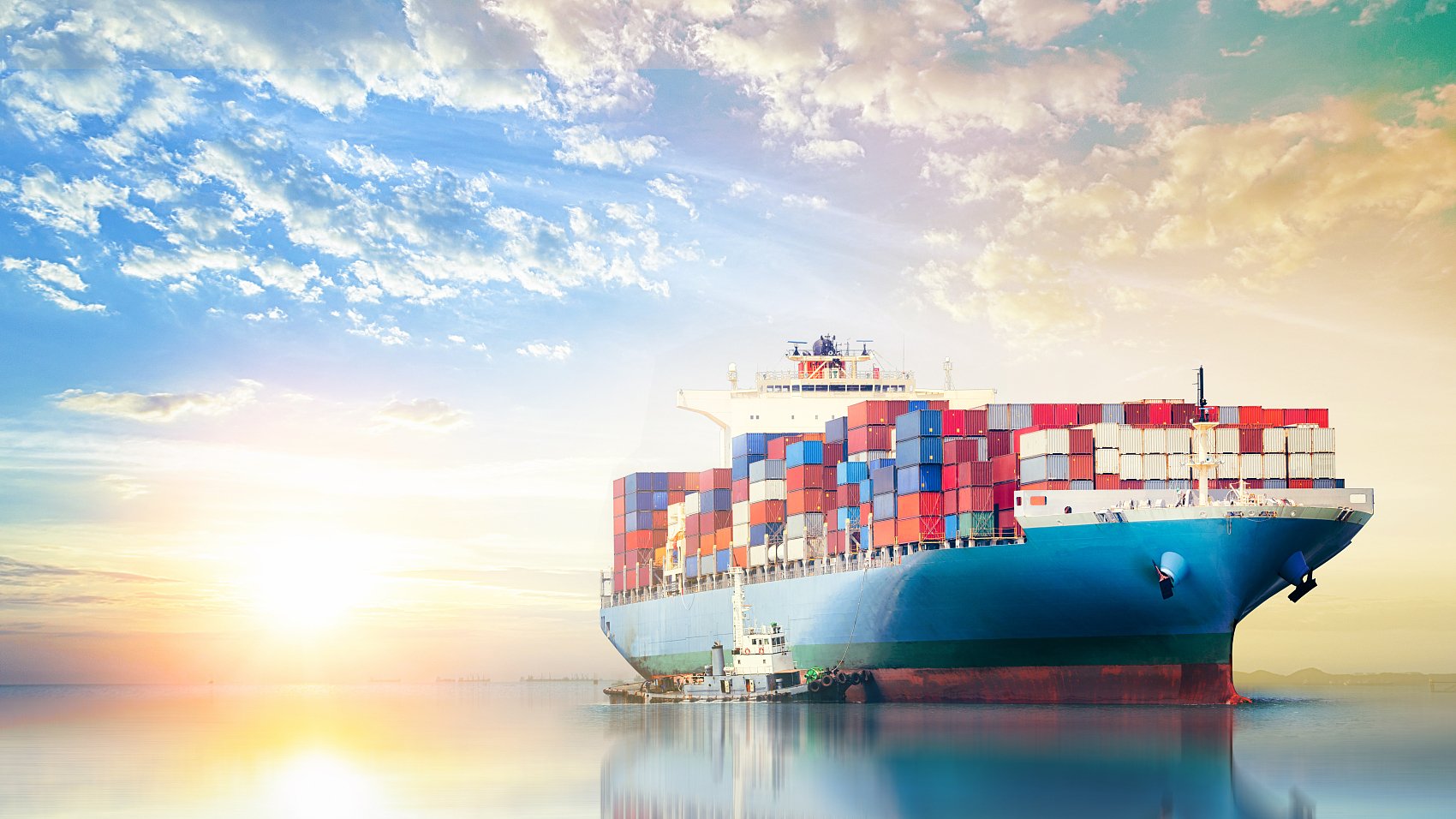
Furthermore, if you are shipping large volumes, you might choose sea freight as your primary transport mode. In this scenario, a container is brought directly to the factory, loaded, and sealed on-site. This ‘factory loading’ method is highly efficient for FCL (Full Container Load) shipments as it minimizes handling and reduces the risk of damage during transit.
Which Shipping Option Should You Choose in 2026?
Deciding on the right transport mode after your factory pickup depends heavily on your budget, cargo type, and deadline. For instance, if you are moving high-value electronics that need to reach the market quickly, air freight is the most logical choice despite its higher cost. Conversely, for bulky items like furniture or machinery, ocean transport remains the most economical solution.
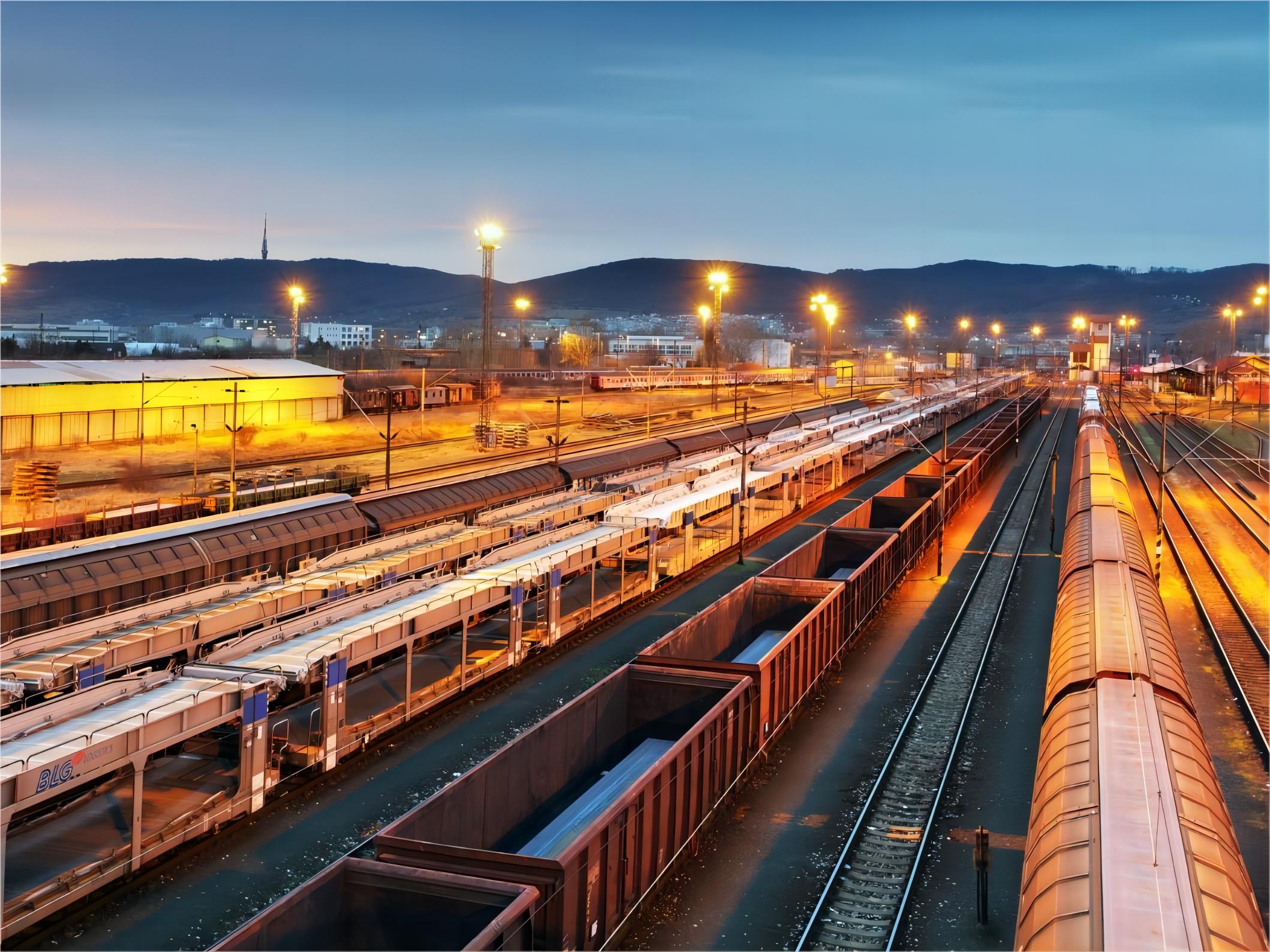
Moreover, for businesses shipping to Central Asia or Europe, rail freight has become an increasingly popular ‘middle ground’ option. It offers faster transit times than sea freight and significantly lower costs than air transport. Indeed, the Iron Silk Road now provides stable schedules that bypass many of the port congestion issues seen in early 2025.
Ultimately, your decision should be based on a clear threshold of volume and urgency. If your shipment is under 100kg, express services are often best. For shipments between 100kg and 500kg, consider air freight. For anything larger, sea or rail freight will provide the best return on investment. Always consult with your logistics provider to get the most current 2026 market rates.
Real-World Case Studies: Successful Factory Pickups
To illustrate the effectiveness of these strategies, we have compiled two representative case studies from our 2026 operations. These examples highlight how tailored logistics solutions can overcome common challenges in the China export market.
Case Study 1: Electronics Distribution to USA Route: Dongguan, China to Los Angeles, USA Cargo: High-end Audio Equipment, 12 CBM, 3,500 kg Container: LCL (Less than Container Load) Shipping Details: – Carrier/Service: Major trans-Pacific carrier – Port of Loading: Yantian (Shenzhen) – Port of Discharge: Los Angeles – Route Type: Direct Cost Breakdown: – Ocean Freight: $1,450 – Origin Charges (Pickup & Docs): $450 – Destination Charges: $600 – Customs & Duties: $1,200 – Total Landed Cost: $3,700 Timeline: – Booking to Loading: 2 days – Sea Transit: 16 days – Customs Clearance: 2 days – Total Door-to-Door: 24 days Key Insight: Using a consolidated pickup service in Dongguan saved the client 15% compared to individual factory deliveries.
Case Study 2: Industrial Parts to Germany Route: Ningbo, China to Hamburg, Germany Cargo: Precision CNC Components, 28 CBM, 18,000 kg Container: 40GP (General Purpose) Shipping Details: – Carrier/Service: COSCO Shipping – Port of Loading: Ningbo-Zhoushan – Port of Discharge: Hamburg – Route Type: Direct via Suez Canal Cost Breakdown: – Ocean Freight: $3,400 – Origin Charges: $550 – Destination Charges: $750 – Customs & Duties: $2,100 – Total Landed Cost: $6,800 Timeline: – Booking to Loading: 4 days – Sea Transit: 32 days – Customs Clearance: 3 days – Total Door-to-Door: 45 days Key Insight: FCL factory loading prevented damage to sensitive components and simplified the export declaration process.
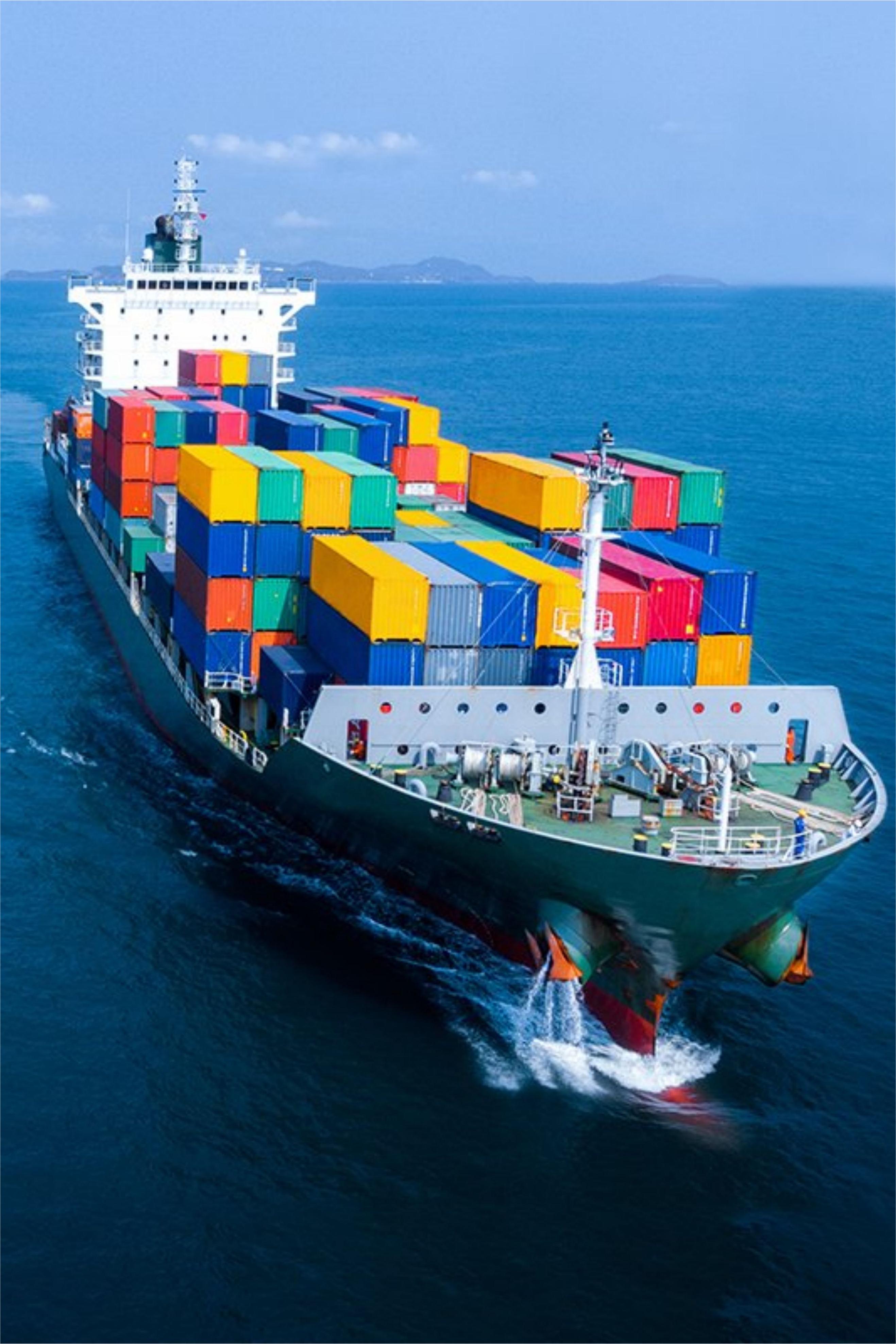
Note: Freight rates are subject to change based on fuel costs, carrier capacity, and seasonal demand. Contact us for a current quote tailored to your specific shipment.
Strategic Cost-Saving Tips for Factory Pickup Logistics
Reducing your total landed cost requires more than just finding the cheapest freight rate. For example, consolidating shipments from multiple factories into a single container can drastically reduce your ‘per unit’ shipping cost. This strategy, known as buyer’s consolidation, is a hallmark of sophisticated supply chain management in 2026.
Additionally, timing your china customs clearance factory pickup to avoid peak seasons can save you thousands of dollars. Historically, rates spike significantly in the weeks leading up to the Chinese New Year and during the ‘Golden Week’ in October. By planning your production cycles to finish during off-peak windows, you can take advantage of lower carrier tariffs and more available trucking capacity.
Furthermore, ensure your factory is located near a major logistics hub. For instance, picking up goods in the Pearl River Delta or the Yangtze River Delta is generally cheaper than inland provinces due to the higher density of transport infrastructure. Nevertheless, if your manufacturer is inland, consider using intermodal rail-sea solutions to keep costs manageable while maintaining a reasonable delivery schedule.
Final Thoughts on China Factory Pickup Logistics
In conclusion, mastering the china customs clearance factory pickup process is a vital skill for any business importing from the world’s largest manufacturing hub. By taking control of the logistics from the point of origin, you can reduce hidden costs, improve transit times, and ensure that your documentation is handled with the highest level of accuracy.
As we navigate the complexities of international trade in 2026, having a reliable freight forwarding partner becomes even more critical. Whether you are shipping small LCL batches or full containers, the principles of efficient pickup and clear customs communication remain the same. Start implementing these strategies today to build a more resilient and cost-effective global supply chain.