

China Export Logistics Factory Pickup: The Complete 2026 Guide
Navigating the complexities of international trade requires a robust strategy for managing your supply chain from the very first mile. Implementing an efficient china export logistics factory pickup process ensures that your goods move seamlessly from the manufacturing floor to the global market. By partnering with a professional freight forwarder like China Freight World, businesses can mitigate delays and reduce overhead costs associated with local transportation. This guide provides a comprehensive overview of how to optimize your export operations, ensuring your cargo reaches its destination safely and on schedule in 2026.

What is China Export Logistics Factory Pickup?
Factory pickup refers to the initial stage of the logistics chain where a freight forwarder arranges for a vehicle to collect goods directly from the supplier’s warehouse. Consequently, the buyer gains full control over the movement of goods from the point of origin, rather than relying on the manufacturer’s shipping arrangements. This method is particularly beneficial for those operating under Ex Works (EXW) or Free Carrier (FCA) incoterms.
Furthermore, this process involves coordinating with factory managers to ensure that the cargo is packed, labeled, and ready for loading. In many cases, the logistics provider will also conduct a preliminary inspection to verify the quantity and condition of the items before they depart the facility. This proactive approach minimizes the risk of discrepancies later in the shipping cycle.
Moreover, choosing a dedicated pickup service allows for greater flexibility in scheduling. Instead of waiting for the factory to find a local courier, your freight forwarder can dispatch a truck that meets the specific requirements of your cargo, whether it is a small LCL shipment or a full container load. Therefore, you can synchronize the pickup with your broader delivery schedule more effectively.
Why China Export Logistics Factory Pickup is Critical for Your Business
Efficiency in the first mile of shipping often determines the success of the entire transit process. Specifically, by managing the pickup yourself, you avoid the common pitfalls of factory-arranged transport, such as inflated local trucking fees or the use of unreliable sub-contractors. As a result, you maintain a more transparent view of your logistics trends and overall shipping costs.
Additionally, factory pickup facilitates better supply chain management by allowing for cargo consolidation. If you are sourcing products from multiple vendors in the same region, your forwarder can collect all items and bring them to a central warehouse. This strategy significantly reduces the total freight rates you pay by converting multiple small shipments into a single, more economical load.
Without a doubt, having a professional team handle the pickup ensures that all export documentation is verified at the source. This early intervention prevents customs delays that often occur when paperwork is missing or incorrectly filled out. Consequently, your goods move through the port of loading with much higher speed and reliability.
How Does China Export Logistics Factory Pickup Compare to Other Shipping Options?
Understanding the differences between various shipping strategies is essential for making an informed decision. While many importers initially prefer FOB (Free On Board) terms where the supplier handles local transport, taking control via factory pickup often yields better long-term results. In contrast to FOB, factory pickup gives you the power to choose the carrier and negotiate rates directly.
For instance, when you manage the logistics from the factory door, you can optimize the route based on current market conditions in 2026. If one port is experiencing congestion, your forwarder can redirect the truck to a more efficient gateway. This level of agility is rarely available when the supplier is responsible for the local leg of the journey.
To illustrate the trade-offs, consider the following comparison of common shipping methods available for your China exports.
| Shipping Method | Cost Range | Transit Time | Best For |
|---|---|---|---|
| Sea Freight (FCL) | $1,800 – $4,500 | 25 – 40 Days | Large bulk shipments |
| Air Freight | $6 – $12 per kg | 4 – 8 Days | High-value urgency |
| Rail Freight | $2,200 – $4,200 | 18 – 25 Days | Inland Europe routes |
| Express Service | $9 – $16 per kg | 3 – 5 Days | Small samples |
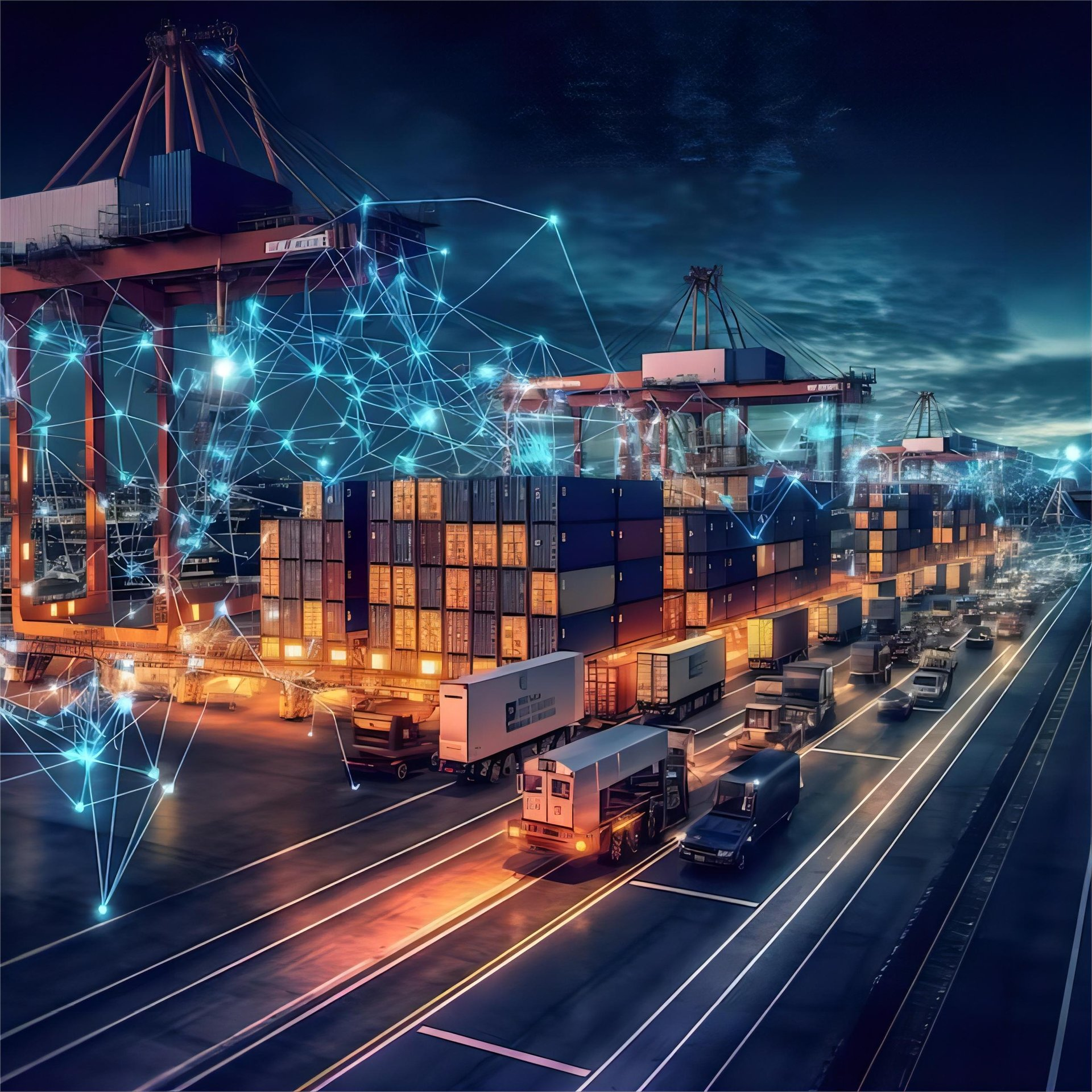
Mastering the China Export Logistics Factory Pickup Process
The process begins with a formal booking request sent to your freight forwarder. You must provide the exact pickup address, the contact details of the factory representative, and the date the goods will be ready. Accordingly, the forwarder will coordinate with their local trucking network to schedule the most suitable vehicle.
Meanwhile, the factory must ensure that the goods are palletized or crated according to international shipping standards. If the cargo is not properly prepared, it could lead to damage during transit or rejection by the carrier. Therefore, it is wise to request photos of the packed goods before the truck arrives for pickup.
Once the truck is loaded, the driver issues a cargo receipt or a draft bill of lading. This document serves as proof that the logistics provider has taken possession of the goods. For those using sea freight, this is the moment the formal transit clock begins ticking toward the port of destination.
Which Option Should You Choose?
Selecting the right shipping method depends on your specific priorities regarding cost, speed, and cargo type. If your primary goal is to minimize expenses, sea freight remains the most economical choice for large volumes. However, if you are dealing with seasonal inventory or perishable goods, the speed of air transport may justify the higher cost.
Moreover, consider the geographical location of your supplier. For factories located in central or western China, rail freight offers a fantastic middle ground between the speed of air and the low cost of sea. This is particularly true for shipments heading to Europe, where rail networks have become highly reliable in early 2026.
Finally, for businesses that prefer a hands-off approach, a door to door service is often the best solution. This comprehensive package includes factory pickup, international transit, and final delivery, allowing you to focus on your core business operations while experts handle the logistics.
Key Documentation and Customs Brokerage
Successful exports rely heavily on accurate documentation. Indeed, the most common cause of shipping delays is incorrect paperwork provided at the time of pickup. You will need a Commercial Invoice, a Packing List, and an Export License to clear Chinese customs. If your supplier does not have an export license, your forwarder can often provide one through a third-party agent.
Consequently, investing in professional customs brokerage services is highly recommended. These experts stay updated on the latest 2026 regulations and ensure that your cargo is classified correctly under the Harmonized System (HS) codes. Correct classification is vital for determining the exact duties and taxes you will owe upon arrival.
In addition, certain products may require specialized certificates, such as a Certificate of Origin or a Material Safety Data Sheet (MSDS) for hazardous materials. By addressing these requirements during the factory pickup phase, you ensure a smooth transition through the customs gateway. For urgent shipments, utilizing an air freight service can also expedite the customs process due to more streamlined airport procedures.
Real-World Case Studies for 2026
Examining actual shipping scenarios helps illustrate the practical application of factory pickup strategies. These cases reflect the current market conditions and pricing structures observed in early 2026. Many businesses shipping to North America have found that proactive pickup management significantly improves their bottom line.
Case Study 1: Electronics from Ningbo to Rotterdam. Route: Ningbo, China to Rotterdam, Netherlands. Cargo: Industrial Sensors, 22 CBM, 4800 kg. Container: 20GP. Shipping Details: – Carrier: COSCO. – Port of Loading: Ningbo. – Port of Discharge: Rotterdam. – Route Type: Direct. Cost Breakdown: – Ocean Freight: $2,450. – Origin Charges: $480. – Destination Charges: $620. – Customs: $300. – Total Landed Cost: $3,850. Timeline: – Booking to Loading: 3 days. – Sea Transit: 32 days. – Customs Clearance: 2 days. – Total Door-to-Door: 37 days. Key Insight: Controlling the pickup allowed the buyer to consolidate goods from two nearby factories, saving $600 in total freight costs.
Case Study 2: Apparel from Shenzhen to Los Angeles. Route: Shenzhen, China to Los Angeles, USA. Cargo: Cotton T-shirts, 14 CBM, 2500 kg. Container: LCL (Less than Container Load). Shipping Details: – Carrier: Matson. – Port of Loading: Shenzhen. – Port of Discharge: Los Angeles. – Route Type: Fast Sea Service. Cost Breakdown: – Ocean Freight: $1,950. – Origin Charges: $350. – Destination Charges: $500. – Customs: $250. – Total Landed Cost: $3,050. Timeline: – Booking to Loading: 2 days. – Sea Transit: 14 days. – Customs Clearance: 3 days. – Total Door-to-Door: 19 days. Key Insight: Using a fast sea service with factory pickup provided air-like speeds at a fraction of the cost.
Note: Freight rates are subject to change based on fuel costs, carrier capacity, and seasonal demand. Contact us for a current quote tailored to your specific shipment.
Final Thoughts on China Export Logistics Factory Pickup
To summarize, mastering the china export logistics factory pickup process is a fundamental step for any business looking to optimize its international trade operations in 2026. By taking control of the first mile, you gain transparency, reduce costs, and ensure that your goods are handled with care from the very beginning. Whether you choose sea, air, or rail freight, the foundation of a successful shipment lies in a well-coordinated pickup.
Indeed, the complexities of customs and documentation can be daunting, but partnering with an experienced freight forwarder provides the peace of mind needed to scale your business globally. As logistics trends continue to evolve, staying proactive with your shipping strategy will remain a key competitive advantage. Start planning your next factory pickup today to ensure a seamless and efficient journey for your cargo.
Start Your Shipment
Streamline your supply chain today with our professional china export logistics factory pickup services. Our team at China Freight World is ready to handle every detail of your shipment from the factory floor to your warehouse. Visit our website to request a personalized quote and experience the benefits of expert logistics management. Send Inquiry: Visit https://chinafreightworld.com/ to get started.
Request Quote