

China Freight Forwarder France: Expert Logistics and Shipping Solutions
Selecting a professional china freight forwarder france is the most critical decision for businesses importing goods from Asian manufacturing hubs. Many importers face significant challenges regarding customs delays, rising shipping costs, and complex documentation requirements. Consequently, our team provides streamlined logistics solutions that bridge the gap between Chinese suppliers and French markets. We focus on reducing transit times while maintaining the highest safety standards for your valuable cargo.
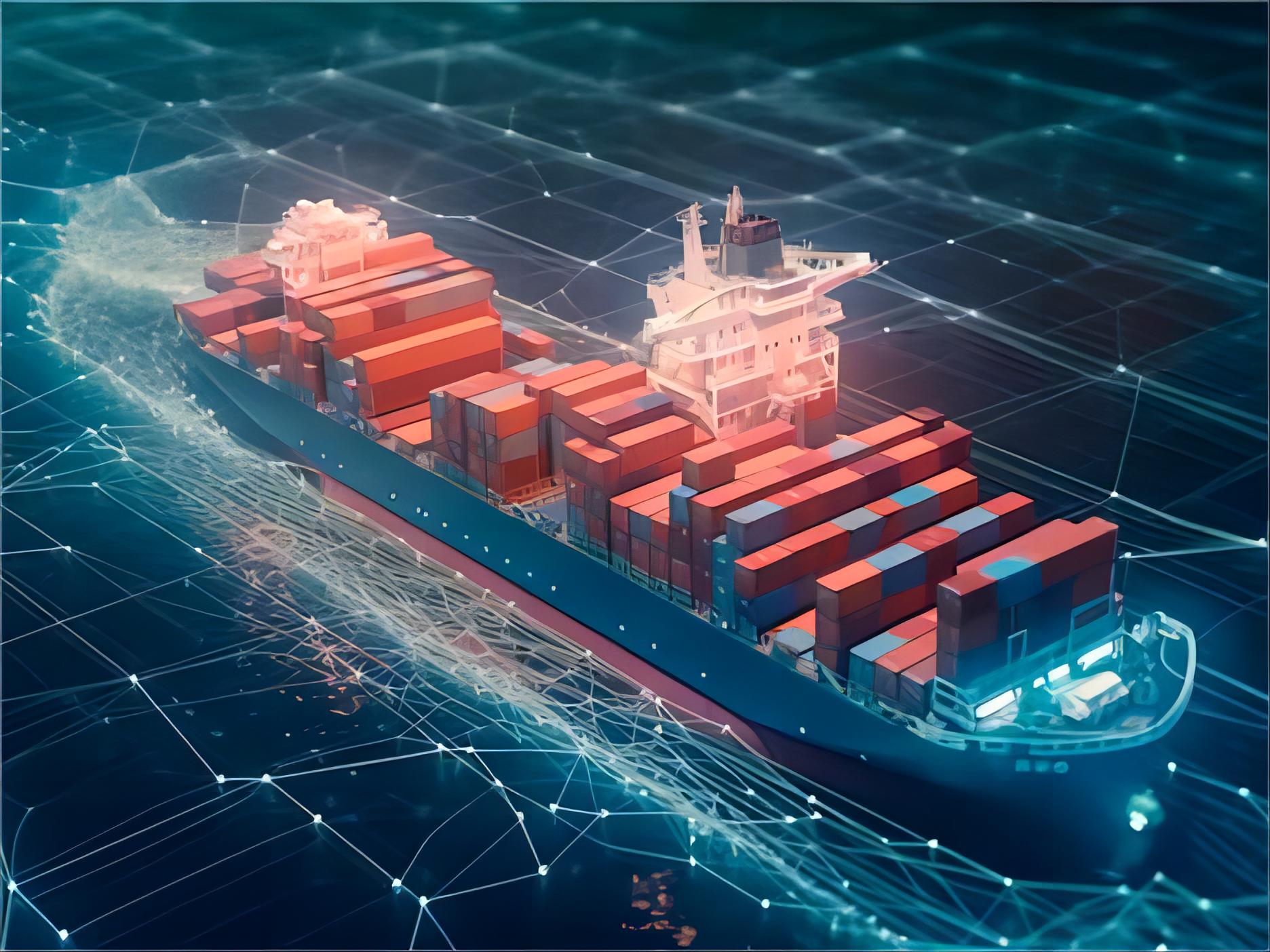
How to Choose the Best China Freight Forwarder France?
Identifying a trustworthy partner requires a thorough evaluation of their experience and network capabilities. You should prioritize forwarders who possess a deep understanding of both Chinese export regulations and French import laws. Moreover, a reliable agent must offer transparent pricing without hidden surcharges that can inflate your landed cost.
Communication serves as the foundation of successful international logistics. Therefore, your forwarder should provide real-time tracking and proactive updates regarding any potential transit delays. Additionally, check for industry certifications and positive client testimonials to verify their service quality in the European sector.
Financial stability is another crucial factor to consider when vetting logistics providers. Indeed, a well-established company can negotiate better rates with major carriers like COSCO or Maersk. Furthermore, they often have the resources to handle emergency situations or rerouting requirements efficiently.
How Does Sea Freight Compare to Other Shipping Options?
Sea freight remains the most popular choice for high-volume shipments due to its unmatched cost-efficiency. While air freight offers speed, the price per kilogram for ocean transport is significantly lower for large batches. Consequently, businesses often plan their inventory months in advance to take advantage of these savings.
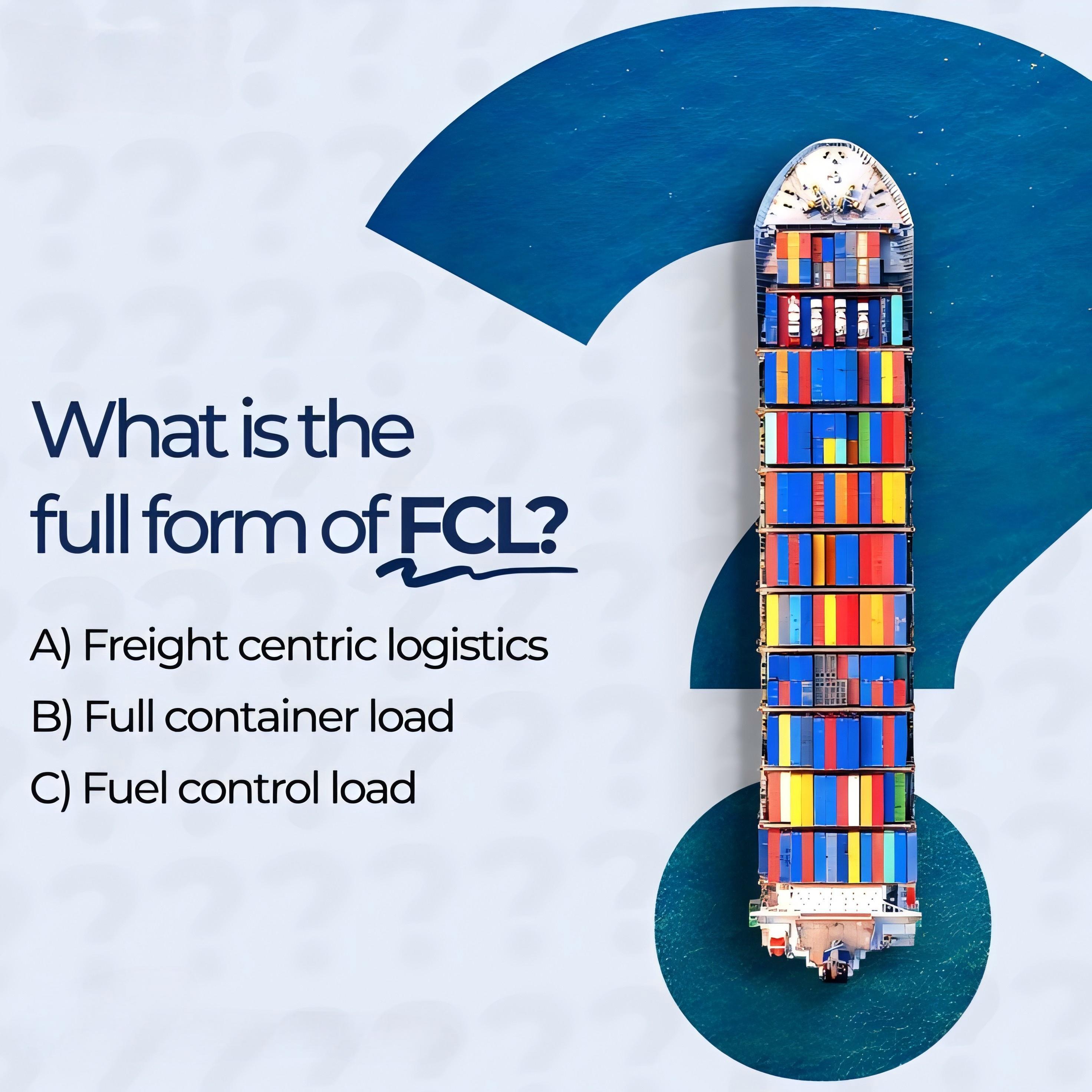
Choosing between Full Container Load (FCL) and Less than Container Load (LCL) depends entirely on your cargo volume. FCL provides better security and faster handling since the container is dedicated to your goods alone. On the other hand, LCL allows smaller businesses to share container space and reduce overhead costs.
Environmental impact is becoming a major consideration for modern French enterprises. In contrast to air transport, maritime shipping has a much lower carbon footprint per ton of cargo. For instance, many eco-conscious brands now prefer sea freight to align with their sustainability goals.
| Shipping Method | Cost Range | Transit Time | Best For |
|---|---|---|---|
| Sea Freight (FCL) | $2,500 – $4,200 | 30 – 40 Days | Bulk goods and large machinery |
| Air Freight | $5.50 – $9.00/kg | 3 – 7 Days | High-value or urgent electronics |
| Rail Freight | $1.50 – $2.80/kg | 18 – 22 Days | Medium-sized industrial parts |
| Express Service | $8.00 – $15.00/kg | 2 – 4 Days | Samples and small documents |

Which Option Should You Choose for Your Shipments?
Budget priority usually leads importers toward ocean transportation for non-urgent deliveries. If your primary goal is to minimize expenses, sea freight is the logical selection for shipments exceeding 2 CBM. However, you must account for the longer lead times in your supply chain planning.
Speed priority necessitates the use of air freight or express services. These methods are ideal for seasonal products, fashion items, or critical replacement parts that need to reach Paris or Lyon within a week. Nevertheless, be prepared for significantly higher freight invoices compared to surface transport.
Volume thresholds often dictate the transition from LCL to FCL shipping. Generally, if your shipment exceeds 15 CBM, booking a full 20-foot container becomes more economical than paying for individual cubic meters. Specifically, FCL reduces the risk of damage since the cargo is not handled multiple times at consolidation warehouses.
Rail Freight: The Strategic Middle Ground
Rail transport via the Silk Road has emerged as a powerful alternative for China-Europe trade. It offers a faster transit time than the sea while remaining much cheaper than air transport. As a result, many automotive and machinery companies utilize rail freight to balance cost and speed.
Infrastructure improvements across Central Asia have stabilized rail schedules significantly in recent years. Indeed, the direct rail links between cities like Xi’an and various European terminals provide a reliable weekly service. Moreover, rail shipping is less susceptible to the weather-related disruptions that often affect maritime routes.
Consolidated rail services also allow for smaller shipments to benefit from this mode of transport. For example, businesses can ship as little as 1 CBM via rail to major hubs in France. Consequently, this flexibility makes rail an excellent choice for expanding medium-sized enterprises.
Navigating Customs Brokerage and Documentation
Customs clearance in France requires precise documentation to avoid costly storage fees at the port. You must ensure that all commercial invoices, packing lists, and certificates of origin are perfectly accurate. Furthermore, a professional customs brokerage service can help you navigate the complexities of VAT and import duties.
Compliance with European Union standards is mandatory for all products entering the French market. This includes CE marking for electronics and specific safety certifications for toys or chemicals. Additionally, missing or incorrect paperwork can lead to the seizure of goods by the French Customs authorities.
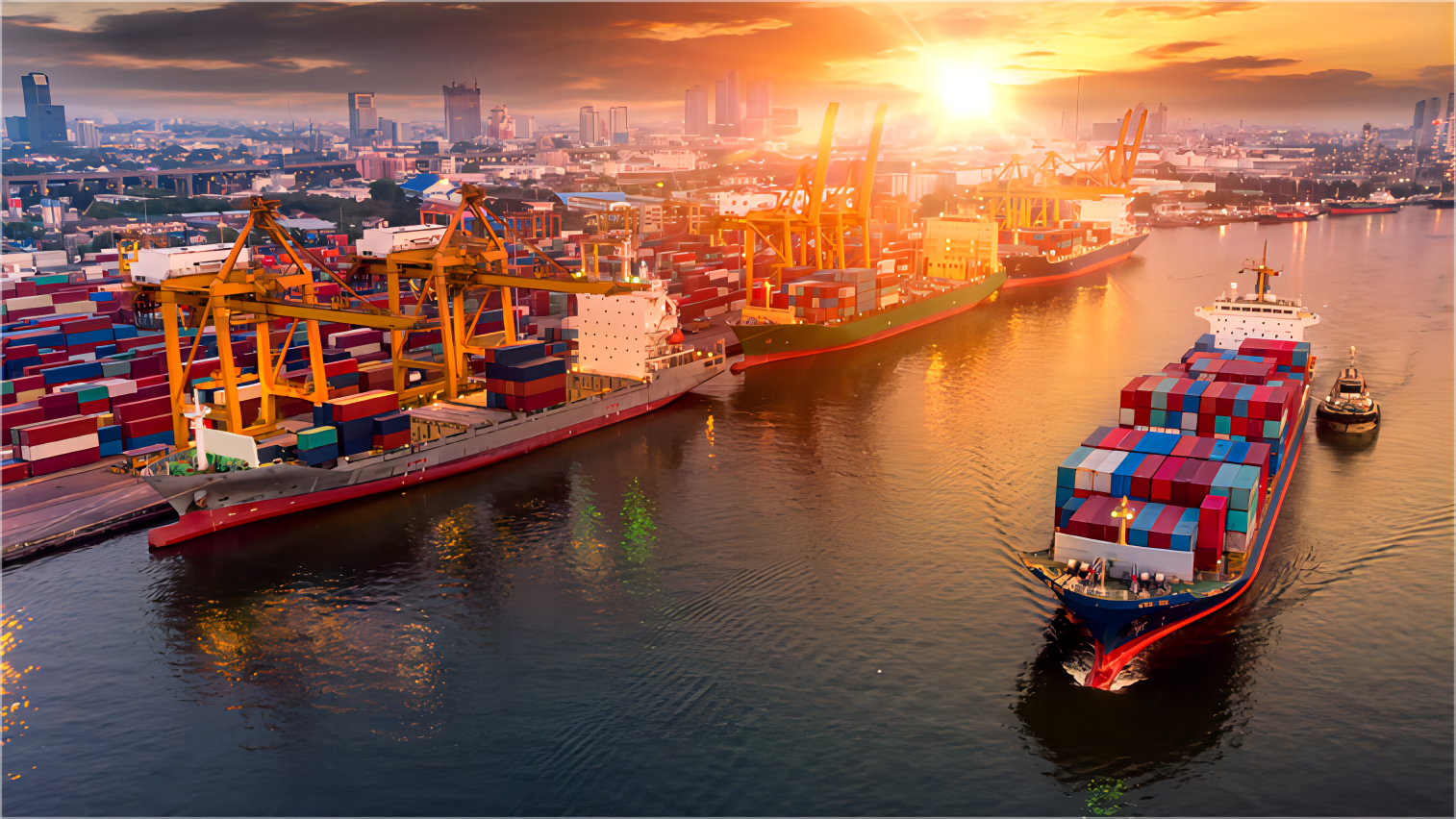
Working with an experienced agent ensures that your HS codes are correctly classified. Incorrect classification often results in overpaying duties or facing penalties for under-declaration. Therefore, expert guidance is essential for maintaining a smooth and legal supply chain.
The Benefits of Door to Door Service
Many modern importers prefer a hands-off approach to logistics management. Our door to door solutions handle everything from the factory floor in Shenzhen to your warehouse in Bordeaux. Consequently, you can focus on marketing and sales while we manage the complexities of international transit.
Integrated logistics packages typically include pickup, export clearance, international freight, and final mile delivery. This holistic approach eliminates the need to coordinate with multiple service providers across different time zones. In addition, it provides a single point of accountability for your entire shipment.
Total landed cost calculations become much easier with all-inclusive door-to-door rates. You receive a single quote that covers every stage of the journey, including local trucking and port charges. Without a doubt, this transparency helps businesses maintain better control over their profit margins.
Real-World Case Studies: China to France Shipping
Case Study 1: High-Volume Electronics Distribution. Route: Shenzhen, China to Paris, France. Cargo: 500kg of consumer electronics. Method: Air Freight via major carrier. Total Transit: 5 days. Key Insight: Utilizing air freight allowed the client to meet a product launch deadline despite manufacturing delays. Total Landed Cost: $4,850.
Case Study 2: Bulk Furniture Import. Route: Ningbo, China to Le Havre, France. Cargo: 40HQ Container of home furniture. Method: Sea Freight (FCL). Total Transit: 34 days. Key Insight: Pre-booking during the off-peak season saved the client 15 percent on ocean freight rates. Total Landed Cost: $5,200 including destination charges.
Case Study 3: Industrial Parts via Rail. Route: Chengdu, China to Lyon, France. Cargo: 5 CBM of mechanical components. Method: Rail Freight (LCL). Total Transit: 21 days. Key Insight: Rail provided the perfect balance for the client who needed goods faster than sea but couldn’t afford air rates. Total Landed Cost: $1,450.
Cost-Saving Strategies for Importing to France
Consolidating shipments is one of the most effective ways to reduce your overall logistics spend. If you have multiple suppliers in the same region, consider merging their goods into a single FCL shipment. Furthermore, this strategy reduces the number of customs entries and administrative fees you must pay.
Optimizing your packaging can also lead to significant savings, especially for air and LCL freight. Reducing excess volume and using lightweight materials lowers the chargeable weight of your cargo. Additionally, ensure your supplier uses standard pallet sizes that maximize container space utilization.
Negotiating long-term contracts with your freight forwarder can lock in better rates during peak seasons. While spot rates fluctuate wildly based on market demand, a consistent volume commitment provides leverage for better pricing. Consequently, planning your annual shipping volume can lead to substantial bottom-line improvements.
Market Trends and Data for 2025
As of early 2025, freight rates from China to Europe have stabilized following the previous year’s disruptions. However, seasonal peaks around the Lunar New Year and the Golden Week still cause temporary price spikes. Indeed, savvy importers book their space at least 3-4 weeks in advance during these periods.
Digitalization is transforming how a China freight forwarder France operates today. Online booking platforms and automated tracking systems are now standard requirements for modern logistics providers. Moreover, these technologies offer better visibility and data analytics for supply chain optimization.
Note: Freight rates are subject to change based on fuel costs, carrier capacity, and seasonal demand. Contact us for a current quote tailored to your specific shipment.
Summary of Logistics Success
Navigating the complexities of international trade requires a dedicated china freight forwarder france partner who understands your business needs. By choosing the right shipping method and optimizing your documentation, you can significantly reduce costs and improve delivery reliability.
Whether you require the speed of air cargo or the economy of sea freight, professional management is the key to success. We remain committed to providing high-quality logistics support that helps your business thrive in the competitive French market. Ultimately, your growth is our priority as we handle every detail of your cargo’s journey.
Ready to streamline your logistics?
Ready to streamline your imports? Contact China Freight World today for a customized quote and expert guidance on your next shipment. Our team is standing by to help you find the most efficient route for your business. Send Inquiry:
Request Quote