
China Freight Forwarding Service Custom Clearance: The Ultimate Guide
Navigating the complexities of international trade requires a robust partner to handle logistics and legal hurdles. Utilizing a professional China freight forwarding service custom clearance provider ensures your goods move seamlessly across borders without unnecessary delays. This comprehensive guide explores how to optimize your supply chain while minimizing risks and maximizing efficiency in the modern global market.

Why Do You Need a China Freight Forwarding Service Custom Clearance Provider?
Managing international shipments involves more than just moving boxes from one point to another. It requires a deep understanding of local regulations, tax laws, and port procedures that change frequently. Consequently, many businesses struggle to keep up with the evolving landscape of Chinese export laws.
Choosing a specialized customs brokerage partner allows you to delegate these complex tasks to experts. They handle the heavy lifting regarding paperwork and communication with government officials. This partnership ultimately saves you time and prevents costly penalties associated with non-compliance.
Moreover, a freight forwarder acts as your advocate in the event of an inspection or cargo hold. They possess the local knowledge necessary to resolve disputes quickly. Without this support, your cargo could sit in a warehouse for weeks, accumulating storage fees and disrupting your inventory flow.
How Does China Freight Forwarding Service Custom Clearance Work for Importers?
The process begins long before the ship leaves the dock with the preparation of essential data. Specifically, your forwarder will classify your goods using the correct Harmonized System (HS) codes. This classification determines the duty rates and any specific import restrictions that might apply to your cargo.
Once the vessel departs, the forwarder submits the manifest and customs entry to the relevant authorities. They ensure that all duties and taxes are calculated accurately to avoid underpayment or overpayment. Furthermore, they monitor the status of the clearance to provide you with real-time updates.
After the authorities grant the release, the logistics provider arranges for the final delivery to your warehouse. This end-to-end management minimizes the number of touchpoints you need to handle personally. In fact, a streamlined process is the hallmark of a high-quality logistics strategy.
What Are the Key Documents Required for Customs Clearance in China?
Documentation serves as the foundation of any successful international shipment. If even one detail is incorrect, the entire clearance process can come to a grinding halt. Therefore, accuracy is the most critical factor when preparing your shipping folder.
Standard requirements include the commercial invoice, packing list, and the bill of lading. Additionally, some products may require a certificate of origin or specific quality permits. You must ensure that the values listed on these documents match your actual transaction records.
Below is a checklist of the most common documents required for standard commercial shipments leaving China.
| Document Name | Purpose | Required By | Common Issues |
|---|---|---|---|
| Commercial Invoice | Details value and buyer | Customs / Tax Authorities | Undervaluation |
| Packing List | Lists contents and weight | Warehouse / Port | Weight discrepancies |
| Bill of Lading | Title to the goods | Carrier / Consignee | Name errors |
| Certificate of Origin | Proves manufacturing site | Importing Customs | Missing stamps |
How Does Sea Freight Compare to Other Shipping Options?
Selecting the right transport mode is a balancing act between cost and speed. For most large-scale importers, sea freight remains the most economical choice for bulk shipments. It provides massive capacity for heavy items that would be prohibitively expensive to send by other means.
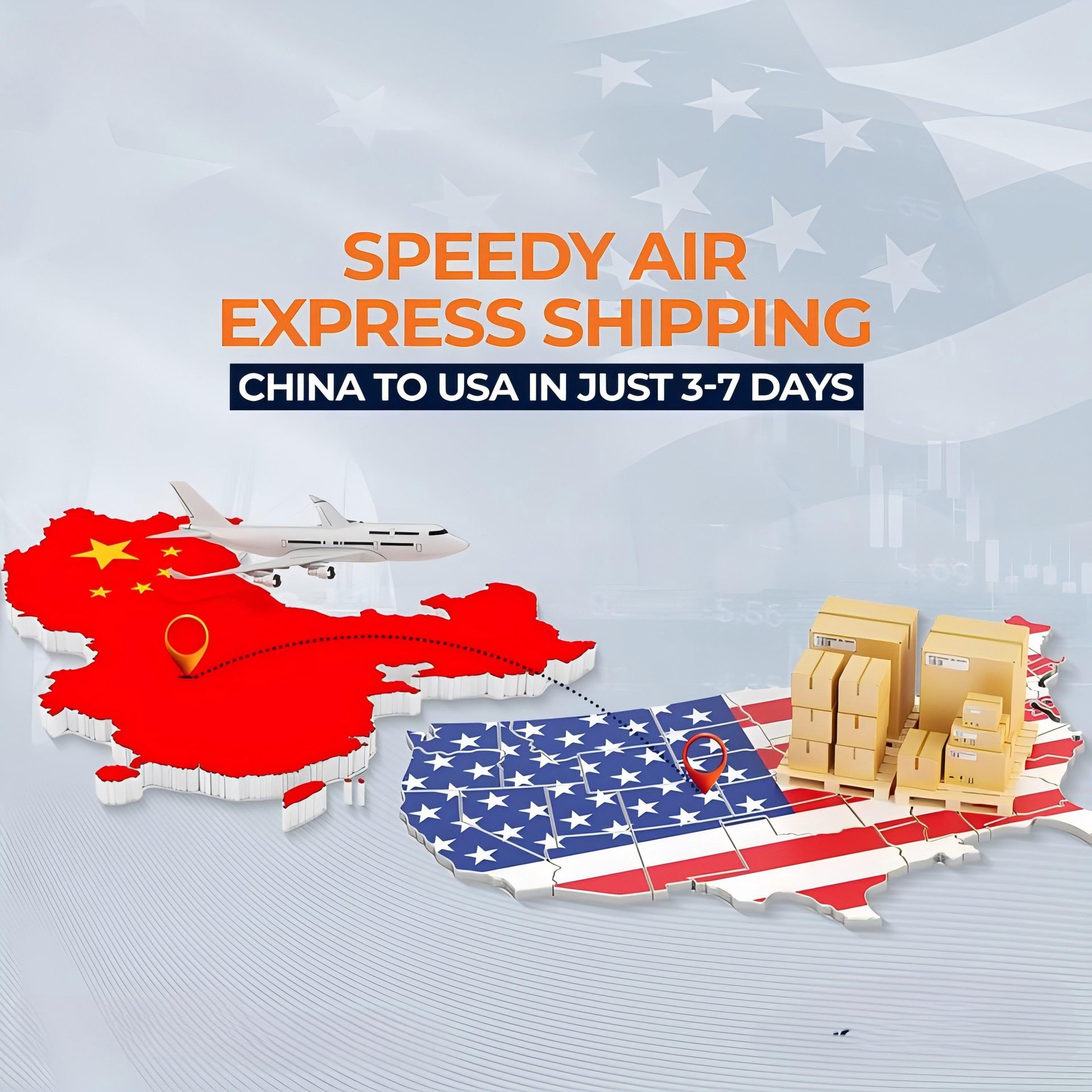
Alternatively, air freight offers the fastest transit times for urgent or high-value cargo. While the cost is significantly higher, the reduced lead time can be a competitive advantage for seasonal products. You must weigh the higher freight spend against the potential for faster sales turnover.
Meanwhile, rail freight has emerged as a middle-ground solution for shipments moving toward Central Asia and Europe. It is faster than the ocean and cheaper than the air. However, it is not an option for routes to North America or Australia due to geographical limitations.
| Shipping Method | Cost Range (Approx) | Transit Time | Best For |
|---|---|---|---|
| Sea Freight (FCL) | $2,000 – $5,500 | 25 – 45 Days | Bulk goods / Low cost |
| Air Freight | $5.00 – $12.00 / kg | 3 – 7 Days | Urgent / Electronics |
| Rail Freight | $1,500 – $3,500 | 15 – 22 Days | Mid-range / Europe |
| Express Service | $8.00 – $15.00 / kg | 2 – 4 Days | Samples / Small boxes |
Can a China Freight Forwarding Service Custom Clearance Expert Lower Your Costs?
Logistics experts utilize several strategies to reduce your overall landed cost. For instance, they might suggest cargo consolidation if you are purchasing from multiple suppliers. This process combines smaller shipments into a single container to reduce the per-unit shipping rate.
Another effective strategy involves selecting the most efficient Incoterms for your specific business model. A door to door service often provides the best value by bundling all costs into a single transparent quote. This prevents hidden fees from appearing at the destination port.
Furthermore, your forwarder can help you navigate free trade agreements that might reduce or eliminate import duties. They stay informed about the latest policy changes that could benefit your bottom line. Indeed, proactive planning is the most effective way to manage a logistics budget.
Which Option Should You Choose for Your Business?
Deciding on a shipping strategy depends on your specific priorities and cargo characteristics. If your primary goal is cost-saving and you have a long lead time, ocean transport is the logical choice. Most companies use this for their core inventory replenishment.
On the other hand, if you are launching a new product or responding to a sudden stockout, air transport is necessary. You should also consider the volume of your shipment; LCL (Less than Container Load) is great for small batches. FCL (Full Container Load) becomes more economical once you exceed 15 cubic meters.
Ultimately, a hybrid approach often works best for growing businesses. You can send the majority of your goods by sea while keeping a small buffer of stock moving via express channels. This strategy ensures you never run out of inventory while keeping average costs low.
Real-World Scenarios: Successful Custom Clearance and Logistics
Examining real-world examples helps clarify how these services function in practice. Each shipment presents unique challenges that require expert intervention. These cases reflect typical market conditions and pricing structures observed in the current industry.
Below are two detailed scenarios based on actual logistics operations conducted from major Chinese hubs to international destinations.
Case Study 1: Electronics Shipment to North America
Route: Shenzhen, China to Los Angeles, USA. Cargo: Consumer electronics, 25 CBM, 4500 kg. Container: 40GP. Shipping Method: Sea Freight via major carrier. Port of Loading: Shenzhen. Port of Discharge: Los Angeles. Route Type: Direct.
Cost Breakdown: Ocean Freight: $2,850. Origin Charges: $450. Destination Charges: $600. Customs and Duties: $1,200. Total Landed Cost: $5,100. Timeline: Booking to Loading: 4 days. Sea Transit: 16 days. Customs Clearance: 2 days. Total Door-to-Door: 25 days.
Key Insight: Using a direct route to the West Coast saved the client 10 days compared to transshipment options. Learn more about North America shipping routes.
Case Study 2: Fashion Apparel to Europe
Route: Shanghai, China to Hamburg, Germany. Cargo: Apparel, 12 CBM, 2000 kg. Container: LCL. Shipping Method: Sea Freight. Port of Loading: Shanghai. Port of Discharge: Hamburg. Route Type: Transshipment via Singapore.
Cost Breakdown: Ocean Freight: $1,100. Origin Charges: $300. Destination Charges: $450. Customs and Duties: $800. Total Landed Cost: $2,650. Timeline: Booking to Loading: 5 days. Sea Transit: 32 days. Customs Clearance: 3 days. Total Door-to-Door: 45 days.
Key Insight: LCL was chosen for this mid-sized shipment to keep costs low while maintaining a steady supply chain to Europe.
How to Avoid Common Delays in China Freight Forwarding Service Custom Clearance?
Delays often stem from preventable mistakes in the early stages of the shipping process. One of the most common issues is the submission of incomplete or illegible documentation. You must ensure that all digital scans are clear and all data fields are filled out correctly.
Another frequent bottleneck occurs during peak seasons, such as the weeks leading up to the Chinese New Year. During these times, port congestion and equipment shortages are common. Booking your space at least 3-4 weeks in advance is highly recommended to secure your spot on a vessel.
Additionally, utilizing express service for your original documents can speed up the release process. While many ports now accept digital copies, some still require physical paperwork for specific types of cargo. Always check with your forwarder about the specific requirements for your destination.
Summary of Logistics Excellence
Mastering the intricacies of a China freight forwarding service custom clearance is vital for any business involved in global trade. By understanding the documentation, choosing the right shipping method, and partnering with experts, you can significantly reduce transit times and costs. Remember that the cheapest option is not always the best if it results in delays or legal complications.
As market conditions fluctuate, staying informed and flexible will be your greatest asset. Whether you are shipping by sea, air, or rail, a professional freight forwarder provides the stability your supply chain needs. Start optimizing your cargo movements today to ensure long-term success in the international marketplace.
Need a tailored shipping solution?
Ready to streamline your international logistics? Contact our expert team today for a comprehensive China freight forwarding service custom clearance quote tailored to your business needs. Visit our inquiry page to get started. Send Inquiry: https://chinafreightworld.com/contact-us/