
China Freight Rates Shipping Rates: 2026 Comprehensive Cost Guide
Navigating the complexities of china freight rates shipping rates in 2026 requires a deep understanding of evolving market dynamics and carrier capacities. Businesses must balance speed and cost to maintain a competitive edge in the global marketplace. China Freight World provides the expertise needed to manage these logistics challenges effectively while ensuring timely delivery of goods.
Why Do China Freight Rates Shipping Rates Fluctuate in 2026?
Global trade environments remain dynamic as we move through the first half of 2026. Consequently, several factors continue to drive the volatility of shipping costs across all major transport modes. Fuel prices and labor availability at major transshipment hubs play a significant role in determining daily price points.
Furthermore, seasonal demand cycles significantly influence how carriers set their pricing structures. During the peak season from August to October, rates typically increase by 15 to 25 percent due to higher volumes. Meanwhile, technological advancements in port automation are starting to stabilize long-term operational costs for major shipping lines.
Importers must also consider the impact of geopolitical stability on maritime routes. For example, any disruption in primary canal passages can lead to immediate surcharges and extended transit times. Therefore, staying informed about current events is essential for accurate budgeting and supply chain planning.
How Does Sea Freight Compare to Other Shipping Options?
Choosing the right transport mode depends heavily on your specific budget and delivery requirements. While sea freight remains the most economical choice for large volumes, it offers the longest transit times. In contrast, air transport provides rapid delivery but at a significantly higher price point.
Specifically, ocean transport is ideal for bulky items or non-urgent inventory replenishment. For shipments exceeding 15 cubic meters, a full container load often becomes more cost-effective than other methods. However, businesses must account for potential port congestion which might delay the final delivery schedule.
On the other hand, rail options provide a balanced middle ground for shipments moving from China to Europe. This method offers faster speeds than the ocean while keeping costs much lower than air transport. As a result, many electronics and automotive companies prefer this hybrid approach for their logistics needs.
| Shipping Method | Cost Range | Transit Time | Best For |
|---|---|---|---|
| Sea Freight | Low ($1,500 – $4,500) | 25 – 45 Days | Bulk & Heavy Goods |
| Air Freight | High ($5 – $12/kg) | 3 – 7 Days | Urgent & High Value |
| Rail Freight | Medium ($3,000 – $5,500) | 15 – 22 Days | Eurasian Land Routes |
| Express Service | Very High ($8 – $15/kg) | 2 – 5 Days | Small Parcels |

Can Technology Reduce China Freight Rates Shipping Rates?
Digital transformation in the logistics sector is actively helping to lower operational overhead. Specifically, AI-driven route optimization allows carriers to reduce fuel consumption and improve vessel turnaround times. Additionally, blockchain technology is streamlining the documentation process, reducing administrative fees for shippers.
Real-time tracking systems also contribute to cost savings by providing better visibility into the supply chain. Consequently, businesses can manage inventory levels more precisely and avoid expensive emergency shipments. Indeed, data analytics has become a vital tool for predicting rate changes before they occur.
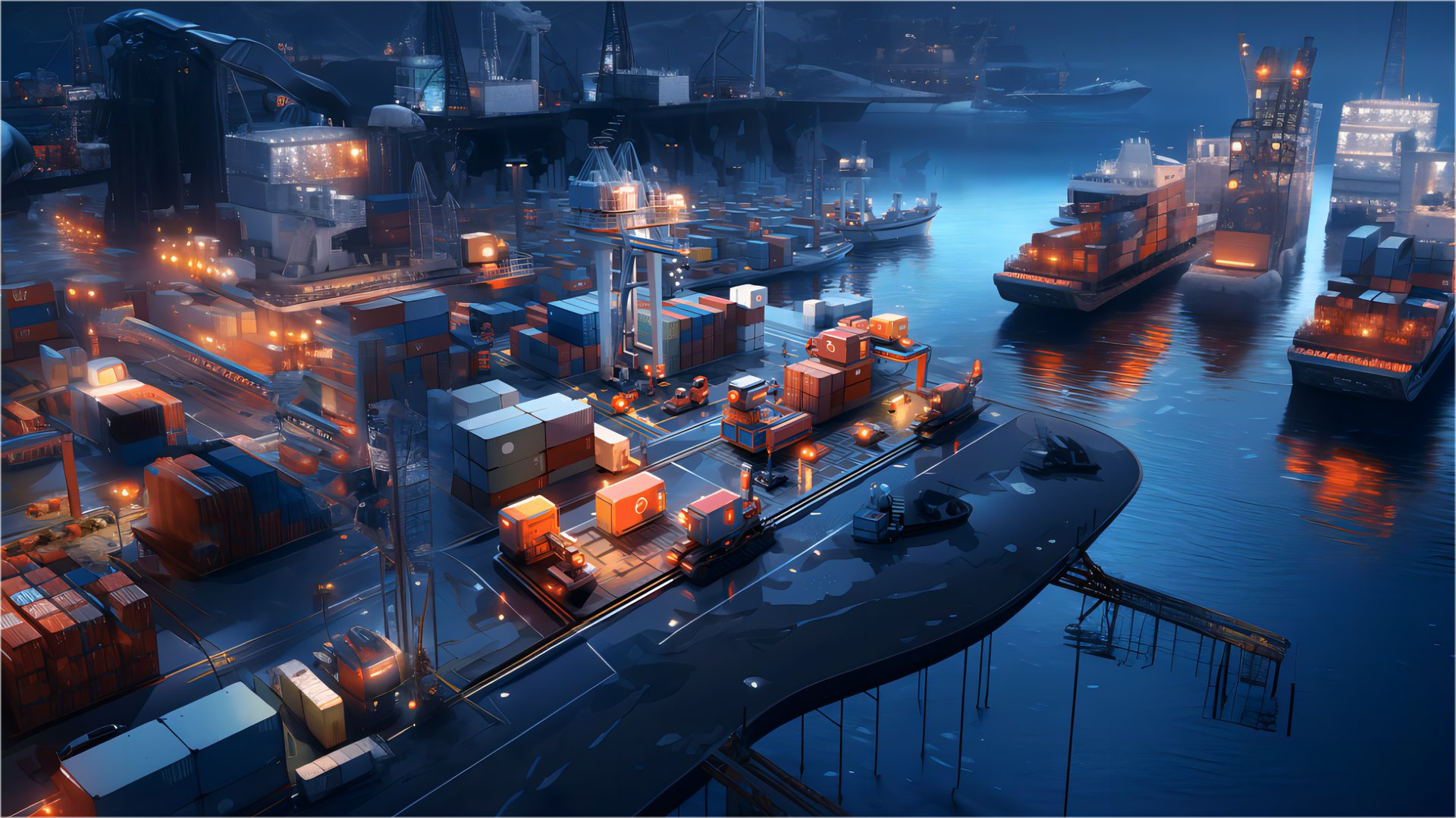
Moreover, automated warehouses in major Chinese hubs like Shanghai and Ningbo have increased cargo handling efficiency. This improvement reduces the time goods spend in storage, which directly impacts the total landed cost. Therefore, leveraging modern logistics platforms is a primary strategy for cost-conscious importers.
Understanding Air Freight and Express Delivery Options
When time is the most critical factor, Air freight serves as the primary solution for international trade. Although the costs are higher, the reduction in inventory carrying costs often justifies the investment. Furthermore, air transport offers higher security levels for sensitive or high-value equipment.
Similarly, express services provide door-to-door convenience for smaller shipments and samples. These providers manage the entire process, including the final mile delivery to your warehouse or office. However, shippers should be aware of dimensional weight calculations that can significantly increase the final invoice.
In addition, many companies now utilize sea-air hybrid solutions to optimize their spend. This strategy involves shipping goods by sea to a hub like Dubai and then flying them to the final destination. Consequently, this approach offers a 30 to 50 percent time saving compared to pure ocean freight at a lower cost than pure air freight.
What Are the Benefits of Professional Customs Brokerage?
Navigating the legal requirements of international trade is a complex task that requires specialized knowledge. Utilizing a professional customs brokerage ensures that all shipments comply with local regulations. This compliance is crucial for avoiding costly fines and lengthy delays at the border.
Moreover, experienced brokers can identify specific duty-saving opportunities through proper tariff classification. They handle all necessary paperwork, including commercial invoices, packing lists, and certificates of origin. As a result, the importer can focus on core business activities while the logistics experts manage the regulatory hurdles.
In contrast, attempting to manage customs without expert help often leads to errors in documentation. These mistakes can cause the authorities to hold cargo for weeks, leading to significant demurrage charges. Therefore, investing in brokerage services is a proactive way to protect your profit margins.
| Document Type | Purpose | Required For | Source |
|---|---|---|---|
| Commercial Invoice | Value Declaration | All Shipments | Seller |
| Packing List | Cargo Details | All Shipments | Shipper |
| Bill of Lading | Title of Goods | Ocean/Rail | Carrier |
| Certificate of Origin | Duty Preference | Specific Trade | Chamber of Commerce |
How Does Rail Freight Support the Eurasian Supply Chain?
The expansion of the Silk Road rail network has revolutionized how goods move between China and Europe. Specifically, rail freight offers a reliable alternative that is faster than sea and cheaper than air. This mode is particularly beneficial for high-value industrial components and consumer electronics.
Additionally, rail transport is less affected by weather conditions compared to maritime routes. This stability allows for more predictable delivery schedules, which is essential for just-in-time manufacturing processes. Meanwhile, the environmental impact of rail is significantly lower than that of air transport, supporting corporate sustainability goals.
However, shippers must consider that rail routes are primarily limited to land-locked destinations or specific Eurasian corridors. For shipments to North America or Australia, this method is not a viable primary option. Consequently, rail should be viewed as a specialized tool within a broader global logistics strategy.
What Should Importers Know About Amazon FBA Logistics?
Selling on global platforms requires a streamlined approach to inventory management and shipping. Utilizing a specialized Amazon FBA shipping service helps sellers meet strict warehouse requirements. These services include labeling, palletizing, and direct delivery to fulfillment centers worldwide.
Furthermore, choosing the right shipping method for FBA depends on your product turnover rate. Fast-selling items may require air shipments to avoid stock-outs, while seasonal goods can be sent via ocean to maximize margins. Indeed, many successful sellers use a split-shipment strategy to balance these needs.
In addition, FBA-specific forwarders often provide consolidated shipping options for smaller sellers. This consolidation allows multiple businesses to share container space, effectively lowering the cost per unit. Therefore, small to medium enterprises can compete more effectively with larger brands in the marketplace.
Which Option Should You Choose?
Determining the best shipping method requires a clear assessment of your business priorities. If your primary goal is cost reduction and you have flexible timelines, ocean freight is the undisputed winner. Specifically, for shipments over 500kg that are not time-sensitive, the sea route offers the best ROI.
Alternatively, if you are launching a new product or responding to an urgent market demand, air freight is necessary. The speed of delivery ensures you can capture sales opportunities that would be lost during a 40-day sea voyage. Consequently, the higher freight cost is often offset by the increased revenue from rapid market entry.
For those operating between China and Europe, rail freight provides an excellent middle-ground solution. It is especially effective for medium-value goods that require a faster turnaround than the ocean can provide. Ultimately, the choice should be based on a combination of cargo volume, value, and required delivery date.
Realistic Case Studies of China Freight Shipments
Case Study 1: Electronics from Shanghai to Los Angeles. Route: Shanghai Port to Port of Los Angeles. Cargo: 40HQ Container of consumer electronics. Shipping Method: Sea Freight (Direct). Total Landed Cost: $4,200. Transit Time: 18 Days. Key Insight: Booking 3 weeks in advance secured a lower rate before the Q3 peak season hike.
Case Study 2: Industrial Parts from Shenzhen to Hamburg. Route: Shenzhen to Hamburg via Rail. Cargo: 5 CBM of precision machinery parts. Shipping Method: LCL Rail Freight. Total Landed Cost: $1,250. Transit Time: 22 Days. Key Insight: Rail was 15 days faster than sea, allowing the factory to meet a critical production deadline without the high cost of air.
Case Study 3: Fashion Apparel from Guangzhou to London. Route: Guangzhou Baiyun to London Heathrow. Cargo: 300kg of seasonal clothing. Shipping Method: Air Freight. Total Landed Cost: $2,100. Transit Time: 5 Days. Key Insight: High demand for a specific trend justified the air freight cost to ensure the inventory arrived while the trend was peaking.
Note: Freight rates are subject to change based on fuel costs, carrier capacity, and seasonal demand. Contact us for a current quote tailored to your specific shipment.
Mastering Your 2026 Shipping Strategy
Understanding the nuances of china freight rates shipping rates is a continuous process that requires attention to market trends and logistics data. By comparing sea, air, and rail options, businesses can create a flexible strategy that adapts to changing demands. Furthermore, utilizing professional services for customs and FBA can significantly reduce the risk of delays and unexpected costs.
As we move forward in 2026, the integration of technology and stable trade routes will continue to shape the logistics landscape. Successful importers will be those who stay informed and partner with reliable freight forwarders to navigate these changes. Start optimizing your cargo handling today to ensure your business remains resilient and profitable in the years to come.
Need a tailored shipping solution?
Optimizing your china freight rates shipping rates is essential for maintaining profitability in today’s competitive market. Our team of experts is ready to provide you with a customized quote that meets your specific budget and timeline requirements. Contact China Freight World today to streamline your supply chain and secure the best market rates for your 2026 shipments.