
China to Canada Shipping International: The Complete 2025 Logistics Guide
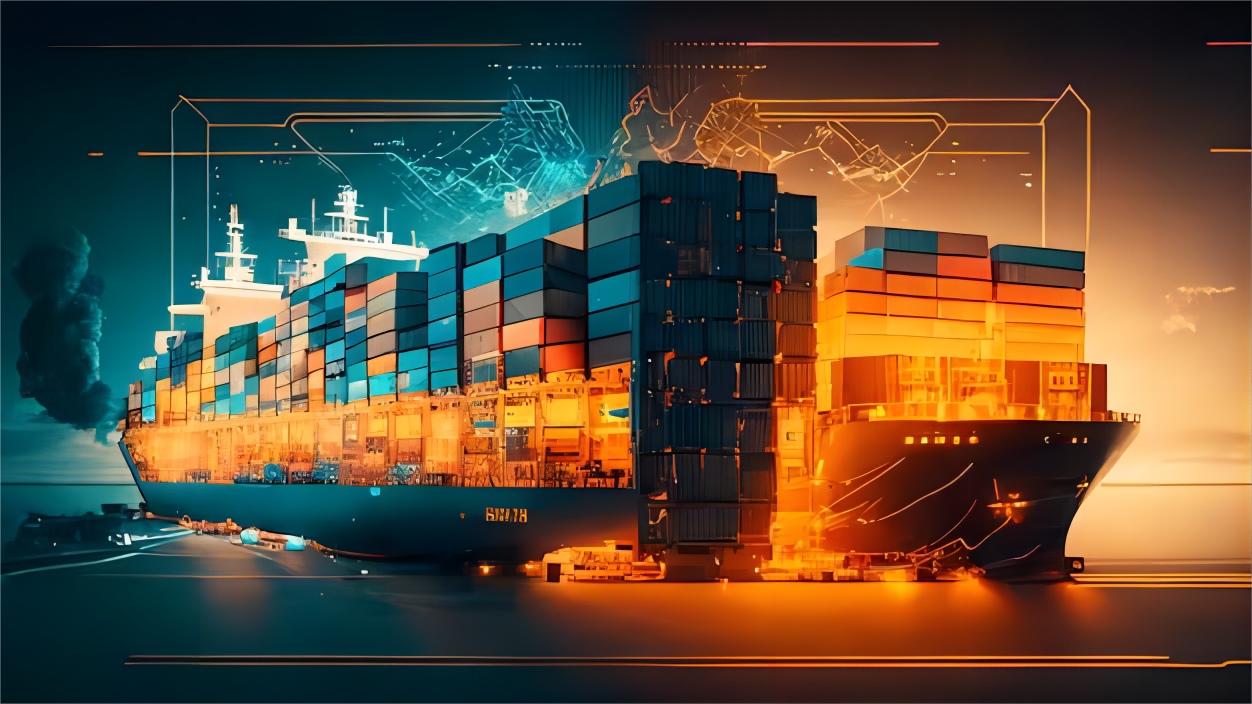
China to Canada shipping international requires a strategic approach to balance speed and budget for modern businesses. For organizations seeking reliable logistics solutions, China Freight World provides comprehensive support tailored to unique supply chain demands. Navigating the complexities of trans-Pacific trade becomes significantly easier when you understand the various transport modes and regulatory requirements involved in the process.

What Are the Main Methods for China to Canada Shipping International?
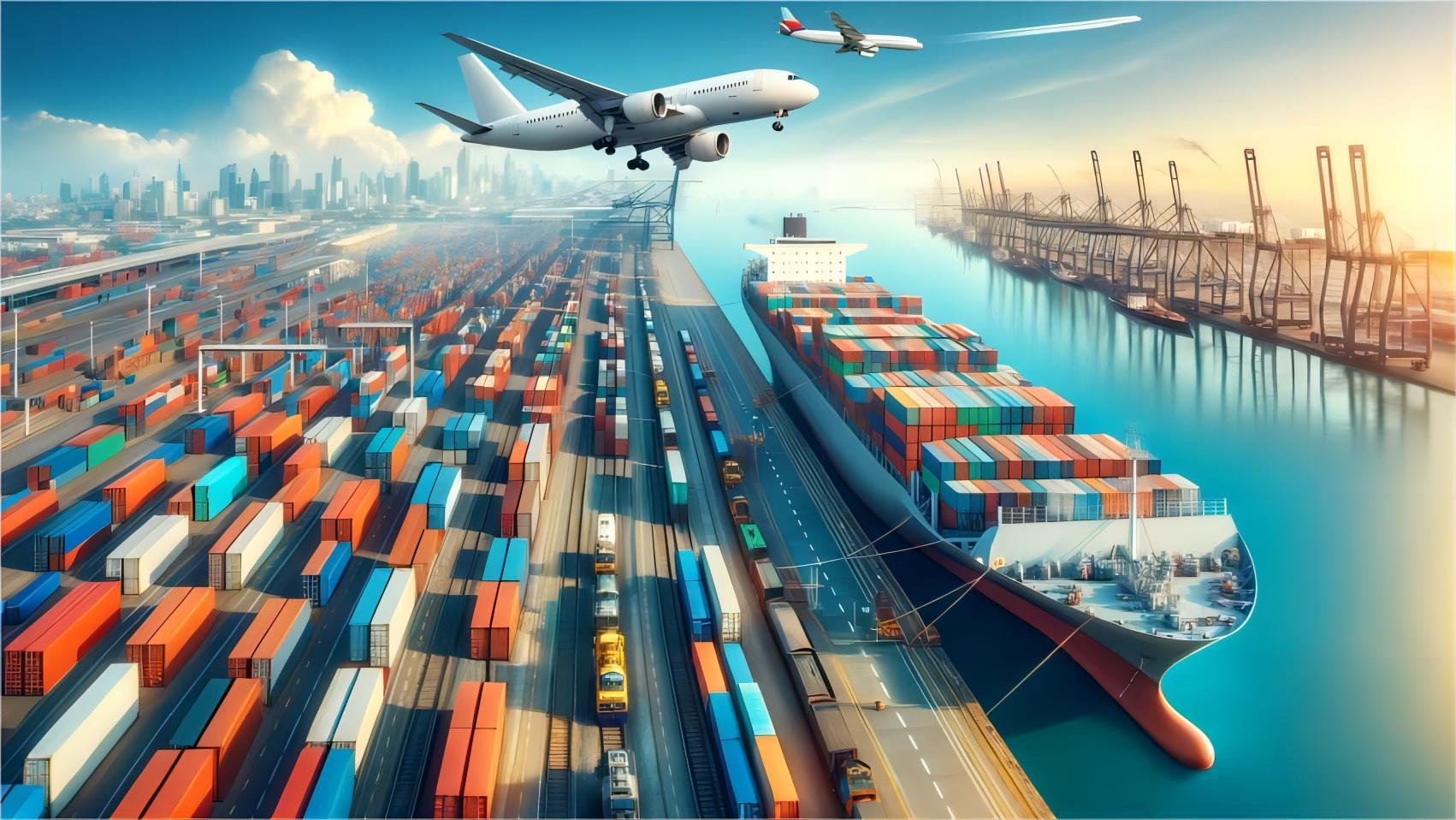
Choosing the right transportation mode is the most critical decision in your logistics planning. Most importers rely on sea freight for large volumes due to its cost-effectiveness over long distances. Meanwhile, air freight remains the preferred choice for high-value or time-sensitive shipments that cannot wait for ocean transit. Additionally, express service options provide the fastest possible delivery for smaller parcels and documents.
Sea freight options are further divided into Full Container Load (FCL) and Less than Container Load (LCL). Furthermore, FCL is ideal for businesses with enough cargo to fill a 20ft or 40ft container, offering better security and lower per-unit costs. On the other hand, LCL allows smaller businesses to share container space, making it a flexible alternative for smaller shipments. Consequently, your choice will depend heavily on your total volume and budget constraints.
Air Freight vs. Sea Freight
How Much Does China to Canada Shipping International Cost in 2025?
Freight rates are influenced by several factors, including fuel prices, seasonal demand, and port congestion levels. During the peak season from August to October, prices often rise by 15 percent to 25 percent as retailers prepare for the holiday rush. Consequently, booking your shipments well in advance can help secure better rates and guaranteed space on vessels.
Current market data suggests that a 40HQ container from Shanghai to Vancouver ranges between 2,800 USD and 3,800 USD. Meanwhile, shipping to East Coast ports like Toronto or Montreal via the Panama Canal can cost between 4,500 USD and 6,000 USD. It is important to note that these prices fluctuate weekly based on carrier capacity and global economic conditions.
| Route | 20GP Container | 40HQ Container | Estimated Transit |
|---|---|---|---|
| Shanghai to Vancouver | 1,800 – 2,500 USD | 2,800 – 3,800 USD | 14 – 18 Days |
| Shenzhen to Toronto | 3,000 – 4,000 USD | 4,500 – 6,000 USD | 30 – 35 Days |
| Ningbo to Montreal | 3,200 – 4,200 USD | 4,800 – 6,500 USD | 32 – 38 Days |
How Does Sea Freight Compare to Other Shipping Options?
Evaluating different shipping methods requires a clear understanding of the trade-offs between cost and speed. While ocean transport is the backbone of international trade, it may not always be the most efficient choice for every business scenario. For instance, hybrid solutions like sea-air combinations can sometimes offer a middle ground for both transit time and expenditure.
Below is an objective analysis of the primary shipping methods available for the China to Canada route. This comparison helps importers determine which service aligns best with their inventory turnover and financial goals.
| Shipping Method | Cost Range | Transit Time | Best For |
|---|---|---|---|
| Sea Freight (FCL) | Low (2,000 – 6,000 USD) | 15 – 35 Days | Bulk goods, heavy items |
| Air Freight | High (5 – 10 USD/kg) | 3 – 7 Days | High-value, urgent cargo |
| Express Courier | Very High | 2 – 5 Days | Small parcels, samples |
| LCL Sea Freight | Moderate (80 – 150 USD/CBM) | 20 – 40 Days | Small business inventory |
Which Option Should You Choose?
Determining the best logistics strategy depends on your specific priorities and the nature of your cargo. If budget is your primary concern, sea freight is undoubtedly the most economical choice for shipments exceeding 2 cubic meters. However, if you are launching a new product or need to replenish stock quickly, the speed of air freight justifies the higher cost.
Consider the volume thresholds when making your decision. For shipments under 100 kilograms, express couriers are often more practical. Meanwhile, for shipments between 100 and 500 kilograms, air freight becomes more competitive. Once you exceed 500 kilograms or 2 cubic meters, LCL or FCL sea freight becomes the standard recommendation for cost-conscious importers.
The Importance of Customs Brokerage and Documentation
Navigating Canadian customs requires meticulous attention to detail and accurate paperwork. Working with a professional customs brokerage service ensures that your goods comply with all local regulations and avoid costly delays. Furthermore, improper classification of goods can lead to significant fines or even seizure of cargo by the Canada Border Services Agency (CBSA).
Essential documents for your shipment include the commercial invoice, packing list, and bill of lading. Additionally, a Canada Customs Invoice (CCI) is often required for shipments valued over 2,500 CAD. Consequently, ensuring all descriptions and HS codes are accurate is the best way to facilitate a smooth clearance process at the port of entry.
Door-to-Door Solutions for Canadian Importers
Many businesses prefer door to door shipping to simplify their logistics chain. This service covers everything from the factory pickup in China to the final delivery at your warehouse in Canada. As a result, you do not have to worry about coordinating multiple carriers or managing port transfers yourself.
This comprehensive approach is particularly beneficial for those who are new to international trade. By consolidating all steps into a single service, you gain better visibility over your cargo and reduce the risk of communication errors. Indeed, many modern importers find that the convenience of door-to-door delivery outweighs the slightly higher service fees.
Case Study 1: Large Scale Furniture Import
Route: Foshan, China to Vancouver, Canada. Cargo: Residential Furniture, 68 CBM, 12,000 kg. Container: 40HQ. Shipping Method: Sea Freight FCL. Carrier: COSCO. Port of Loading: Nansha. Port of Discharge: Vancouver. Route Type: Direct.
Cost Breakdown: Ocean Freight: 3,200 USD. Origin Charges: 450 USD. Destination Charges: 600 USD. Customs and Duties: 1,800 USD. Total Landed Cost: 6,050 USD. Timeline: Booking to Loading: 4 days. Sea Transit: 16 days. Customs Clearance: 2 days. Total Door-to-Door: 22 days. Key Insight: Direct shipping to the West Coast significantly reduced transit time and minimized handling risks for fragile items.
Case Study 2: Urgent Electronics Components
Route: Shenzhen, China to Toronto, Canada. Cargo: Circuit Boards, 1.5 CBM, 350 kg. Shipping Method: Air Freight. Carrier: Major Air Carrier. Port of Loading: Shenzhen Bao’an. Port of Discharge: Toronto Pearson. Route Type: Transshipment via Anchorage.
Cost Breakdown: Air Freight: 2,450 USD. Origin Charges: 150 USD. Destination Charges: 200 USD. Customs and Duties: 400 USD. Total Landed Cost: 3,200 USD. Timeline: Booking to Loading: 2 days. Air Transit: 3 days. Customs Clearance: 1 day. Total Door-to-Door: 6 days. Key Insight: Choosing air freight allowed the manufacturer to meet a critical production deadline despite a late production start in China.
Shipping to Amazon FBA Canada
Sellers on the Amazon platform have specific requirements that must be met for successful delivery. Utilizing a specialized Amazon FBA shipping service ensures that your cargo is labeled, palletized, and scheduled according to Amazon’s strict guidelines. Failure to comply with these rules can result in refused shipments and additional storage fees.
Most FBA sellers opt for Delivered Duty Paid (DDP) shipping terms. This means the freight forwarder handles all costs, including duties and taxes, before the goods reach the Amazon fulfillment center. Consequently, this allows sellers to focus on marketing and sales while the logistics experts handle the complexities of international transport.
Final Thoughts on China to Canada Shipping International
Mastering China to Canada shipping international is essential for any business looking to leverage global manufacturing. By understanding the differences between sea and air freight, you can make informed decisions that protect your profit margins. Furthermore, partnering with experienced logistics providers ensures that your cargo moves smoothly across borders without unnecessary delays.
Always remember to factor in seasonal trends and prepare your documentation accurately to avoid customs issues. Whether you are shipping a single pallet or multiple containers, a well-planned strategy is the key to success. Note: Freight rates are subject to change based on fuel costs, carrier capacity, and seasonal demand. Contact us for a current quote tailored to your specific shipment.
Ready to streamline your logistics?
Streamline your supply chain today with expert China to Canada shipping international services. Contact us now to receive a customized quote and discover how our logistics solutions can help your business grow. Visit our website to start your inquiry process. Send Inquiry: info@chinafreightworld.com
Request Quote