
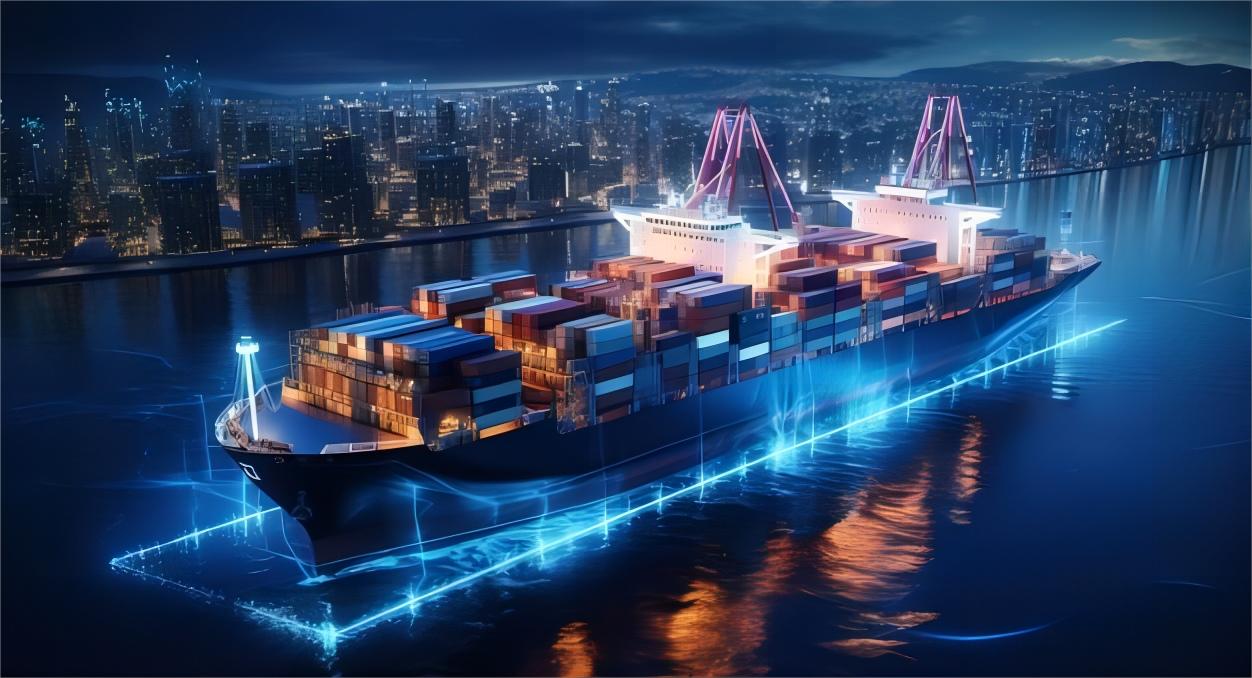
China to Europe Shipping with Tracking: The Complete 2025 Logistics Guide
Navigating the complexities of international trade requires robust visibility and reliable logistics partners to ensure your cargo arrives on time. Many businesses struggle with transparency when managing china to europe shipping with tracking without a dedicated professional partner. China Freight World offers comprehensive solutions that bridge the gap between Asian manufacturers and European markets with full visibility. This guide provides the essential insights needed to optimize your supply chain and reduce transit risks through modern tracking technology.
Why Tracking is Essential for China to Europe Shipping
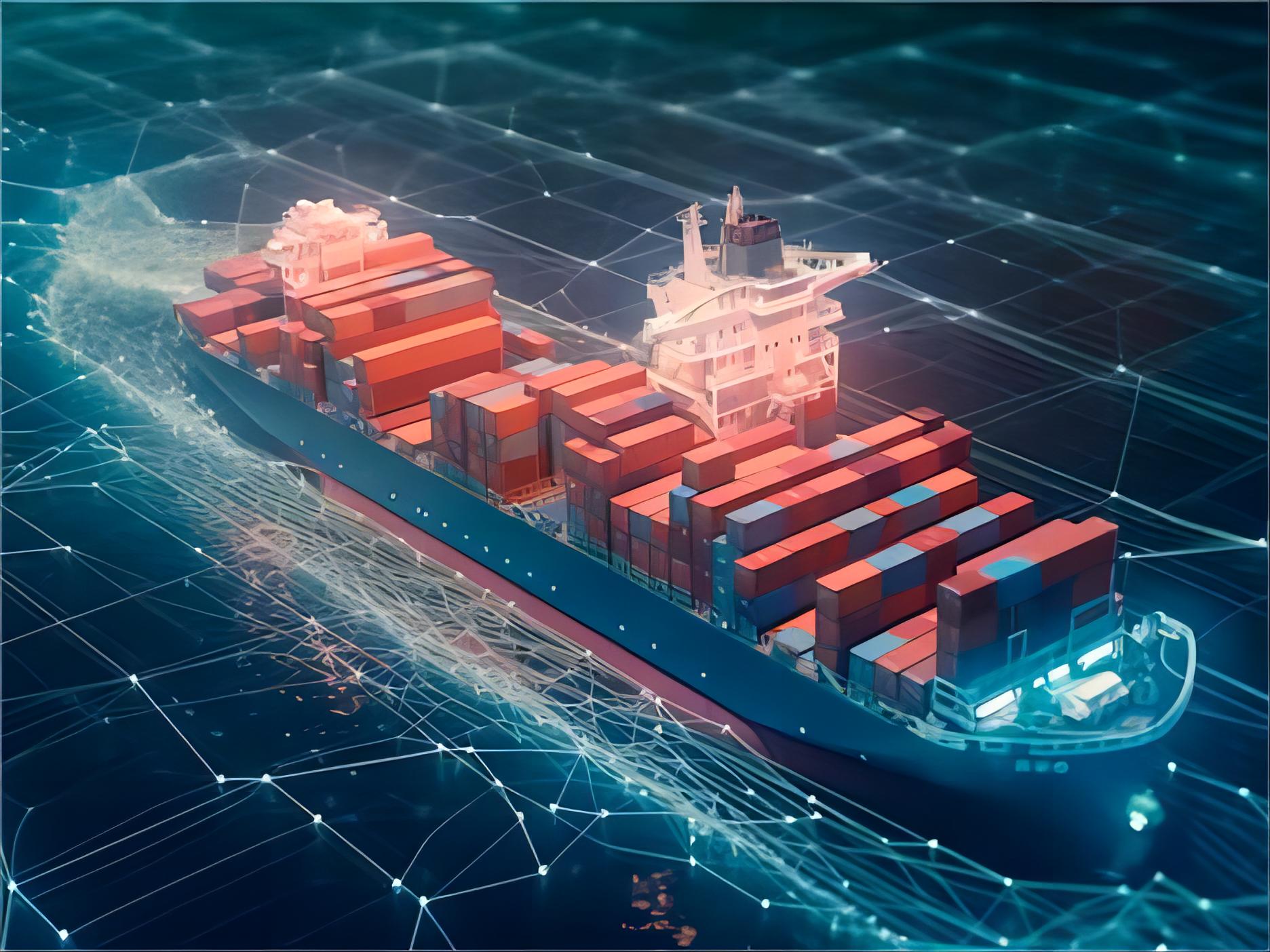
Visibility remains the most critical factor for modern importers who need to manage inventory levels and customer expectations effectively. Consequently, implementing china to europe shipping with tracking allows businesses to monitor their goods across thousands of miles of ocean or rail. Without accurate data, companies risk stockouts or overstocking due to unforeseen delays in the global supply chain.
Moreover, real-time tracking provides a layer of security that protects high-value shipments from loss or mismanagement during transit. Most logistics providers now offer digital platforms where users can see the exact coordinates of their containers at any given moment. Therefore, choosing a forwarder with integrated tracking tools is no longer a luxury but a fundamental business requirement.
Specifically, the journey from China to Europe involves multiple checkpoints, including transshipment hubs and customs borders, where delays are most likely to occur. Having access to live updates ensures that logistics managers can pivot their strategies if a particular route faces congestion or weather-related issues. Furthermore, this transparency builds trust between suppliers and buyers by providing verifiable proof of shipping progress.
How Does Rail Freight Compare to Other Shipping Options?
Comparing different transport modes is vital for balancing your budget against the urgency of your delivery schedule. While sea freight offers the lowest cost, it often lacks the speed required for time-sensitive product launches or seasonal inventory updates. In contrast, air freight provides unmatched speed but comes at a significant premium that can erode profit margins for low-margin goods.
Rail freight has emerged as a powerful alternative, offering a middle ground that combines reasonable costs with faster transit times than ocean transport. Indeed, many European businesses now utilize rail freight to bypass the longer sailing times around the Cape of Good Hope. This method is particularly effective for heavy machinery, automotive parts, and high-end consumer electronics.
Additionally, businesses should consider the environmental impact of their chosen shipping method as sustainability becomes a priority for European consumers. Rail transport produces significantly lower carbon emissions compared to air freight, making it an attractive option for eco-conscious brands. To summarize, the best choice depends on your specific volume, budget, and the required delivery window.
| Shipping Method | Cost Range | Transit Time | Best For |
|---|---|---|---|
| Sea Freight | $1,800 – $4,200 per container | 30-45 Days | Bulk goods, non-urgent cargo |
| Rail Freight | $4,000 – $7,000 per container | 15-22 Days | Mid-range value, steady supply |
| Air Freight | $4.50 – $9.00 per kg | 3-7 Days | High-value, urgent shipments |
| Express Service | $7.00 – $12.00 per kg | 2-5 Days | Samples, small parcels |

Maximizing Efficiency with Sea Freight Solutions
Ocean transport remains the backbone of global trade, carrying the vast majority of goods between China and the European Union. For large-scale shipments, utilizing sea freight is the most economical way to move massive volumes of products across the globe. However, the long transit times require careful planning and a deep understanding of seasonal fluctuations in carrier capacity.
Consequently, shippers must decide between Full Container Load (FCL) and Less than Container Load (LCL) based on their cargo volume. FCL is generally faster and more secure since the entire container is dedicated to a single shipper, reducing handling risks at consolidation points. On the other hand, LCL allows smaller businesses to share container space, making international trade accessible without requiring massive inventory investments.
Importantly, the current market for ocean freight is influenced by geopolitical factors and fuel surcharges that can impact final landed costs. Meanwhile, advanced tracking systems for sea freight now include satellite data to provide accurate Estimated Time of Arrival (ETA) even when vessels are in the middle of the ocean. This level of detail is essential for coordinating last-mile delivery and warehouse labor once the ship reaches a European port.
Air Freight and Express Services for Urgent Cargo
When time is the most critical factor, air freight stands out as the premier choice for rapid delivery across continents. This method reduces the transit time from weeks to just a few days, which is vital for perishable goods or high-demand electronics. Nevertheless, the high cost per kilogram means that air transport is usually reserved for items with a high value-to-weight ratio.
Additionally, for very small shipments or urgent documentation, using a professional express service provides door-to-door convenience with minimal hassle. These services often include integrated customs handling, which simplifies the import process for businesses that do not have dedicated logistics departments. Furthermore, express carriers provide the most granular tracking updates, often showing the package’s movement in real-time.
Therefore, companies should maintain a diversified logistics strategy that includes air options for emergencies or peak season demands. Although expensive, the ability to restock a popular item within 72 hours can prevent lost sales and maintain customer loyalty in a competitive market. Without a doubt, the speed of air transport provides a strategic advantage that often justifies the increased freight rates.
Navigating Customs Brokerage and Documentation
Clearing customs is often the most daunting part of china to europe shipping with tracking due to the complex regulations involved. Every shipment must be accompanied by accurate documentation, including commercial invoices, packing lists, and certificates of origin. Consequently, many successful importers rely on customs brokerage experts to ensure compliance and avoid costly penalties.
In addition, understanding the Harmonized System (HS) codes for your products is essential for calculating the correct import duties and taxes. Incorrect classification can lead to significant delays at the port of entry or even the seizure of goods by European customs authorities. For instance, different European countries may have specific local requirements that must be met before cargo is released for inland transport.
Meanwhile, digital customs systems are becoming more prevalent, allowing for pre-clearance of goods while they are still in transit. This proactive approach reduces the time cargo spends sitting in port, thereby lowering storage fees and speeding up the total delivery schedule. As a result, working with a forwarder who understands both Chinese export laws and European import regulations is a major competitive advantage.

| Document Name | Purpose | Required By | Format |
|---|---|---|---|
| Commercial Invoice | Valuation and tax calculation | Customs | Digital/Paper |
| Packing List | Cargo verification | Port Authorities | Digital |
| Bill of Lading | Title of goods and contract | Carrier/Bank | Original/Telex |
| Certificate of Origin | Trade agreement compliance | Customs | Official Form |
Case Study: Successful Logistics Scenarios
Case Study 1: Electronics Distribution to Germany. A Shenzhen-based manufacturer needed to ship 400 units of high-end laptops to a distributor in Hamburg. By choosing rail freight, they achieved a door-to-door transit time of 19 days at a cost of $5,200 for a 20GP container. This allowed them to meet a product launch deadline that sea freight would have missed, while saving $8,000 compared to air freight.
Case Study 2: Industrial Parts to Italy. An engineering firm in Shanghai required regular shipments of heavy steel components to a factory in Milan. They utilized sea freight (FCL) with a total landed cost of $3,100 per 40HQ container and a transit time of 34 days. Through consistent tracking, they managed their production schedule perfectly, ensuring no downtime at the Italian facility despite the long distance.
Case Study 3: Urgent Fashion Samples to France. A Guangzhou clothing brand needed to send seasonal samples to a Paris showroom within 4 days. They used an express air service, paying $12 per kg for a 50kg shipment. The cargo was tracked hourly, cleared customs in 6 hours, and arrived at the showroom exactly 74 hours after leaving the factory, enabling a successful marketing event.
Alternative Strategies and Cost-Saving Tips
Developing alternative strategies is essential for maintaining a resilient supply chain in the face of global logistics disruptions. For example, hybrid solutions like sea-air transport can offer a balance of speed and cost by shipping goods via ocean to a hub like Dubai and then flying them to Europe. This approach can save up to 40% compared to pure air freight while still being twice as fast as traditional sea routes.
Moreover, businesses can reduce costs by optimizing their packaging to minimize wasted space and reduce volumetric weight for air and express shipments. Consolidating multiple small orders into a single LCL or FCL shipment can also lead to significant savings on origin and destination charges. Therefore, analyzing your shipping patterns annually can reveal opportunities for better container utilization and lower overall freight rates.
Specifically, choosing the right Incoterms is a critical decision that determines who is responsible for costs and risks at each stage of the journey. While EXW might seem cheaper initially, DDP (Delivered Duty Paid) often provides more control over the final delivery and tracking process. In conclusion, a flexible strategy that adapts to market conditions will always outperform a rigid, single-mode logistics plan.
| Scenario | Primary Method | Alternative | Key Benefit |
|---|---|---|---|
| Budget focus | Sea Freight | LCL Consolidation | Lower unit cost |
| Speed focus | Air Freight | Sea-Air Hybrid | Cost reduction |
| Reliability focus | Rail Freight | Direct Sea Route | Stability |
| Small volume | Express | Postal Service | Simplicity |
Which Shipping Option Should You Choose?
Selecting the ideal transport mode depends on a variety of factors, including your budget, cargo type, and the urgency of the delivery. If your primary goal is cost reduction and you have a flexible timeline, sea freight remains the most logical choice for large volumes. However, if you are shipping high-value items that need to reach the market quickly, air freight or express services are worth the additional investment.
For those seeking a balance, rail freight offers a modern solution that is faster than the sea and cheaper than the air. Additionally, you must consider the infrastructure of your destination city, as some European regions are better served by rail than others. Consequently, consulting with a logistics expert can help you map out the most efficient route based on current port congestion and rail availability.
Finally, always ensure that your chosen provider offers china to europe shipping with tracking to maintain full control over your inventory. Accurate data allows you to inform your customers of their order status, which significantly enhances the user experience and brand reputation. By prioritizing visibility and reliability, you can build a sustainable and profitable international trade operation.

Final Thoughts on China to Europe Shipping
Mastering the logistics of china to europe shipping with tracking is a journey that requires the right mix of technology, expertise, and strategic planning. By understanding the strengths and weaknesses of sea, air, and rail freight, you can make informed decisions that protect your bottom line. Furthermore, the integration of real-time tracking ensures that you are never in the dark about the location of your valuable cargo.
As market conditions continue to evolve in 2025, staying adaptable and working with experienced partners like China Freight World will be more important than ever. Whether you are a small business owner or a large corporation, the principles of visibility and efficiency remain the same. Start optimizing your shipping routes today to ensure your products reach European markets safely, quickly, and cost-effectively.
Note: Freight rates are subject to change based on fuel costs, carrier capacity, and seasonal demand. Contact us for a current quote tailored to your specific shipment.
Ready to streamline your logistics?
Ready to streamline your international logistics? Contact China Freight World today for a customized quote and professional china to europe shipping with tracking services. Visit our website to learn more and take control of your global supply chain now.
Request Quote